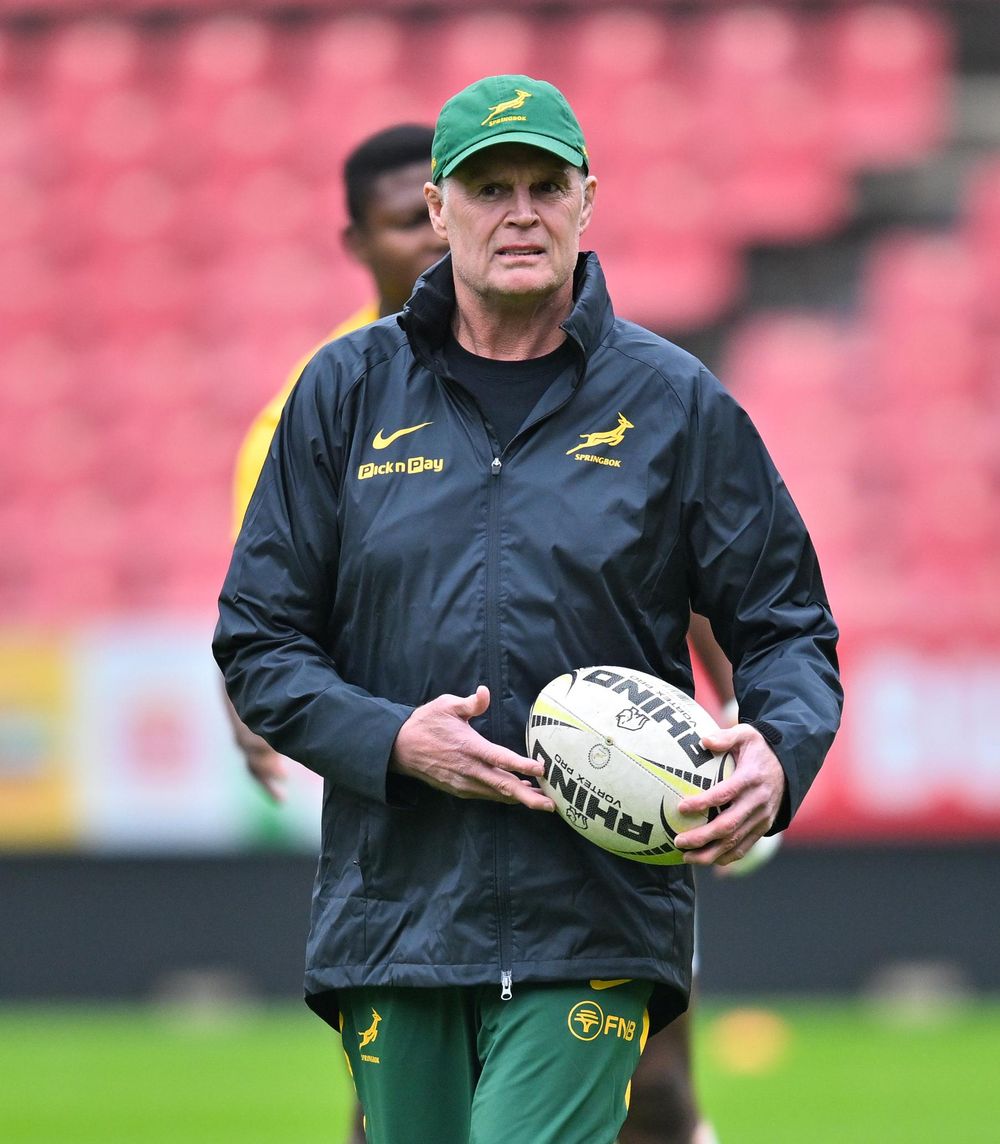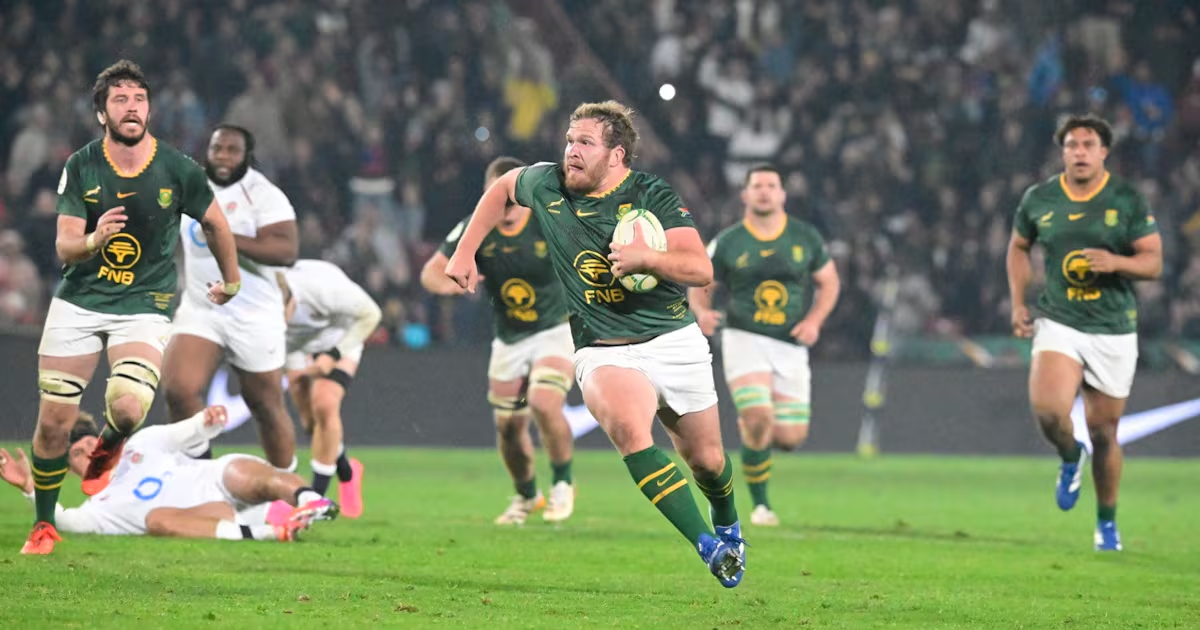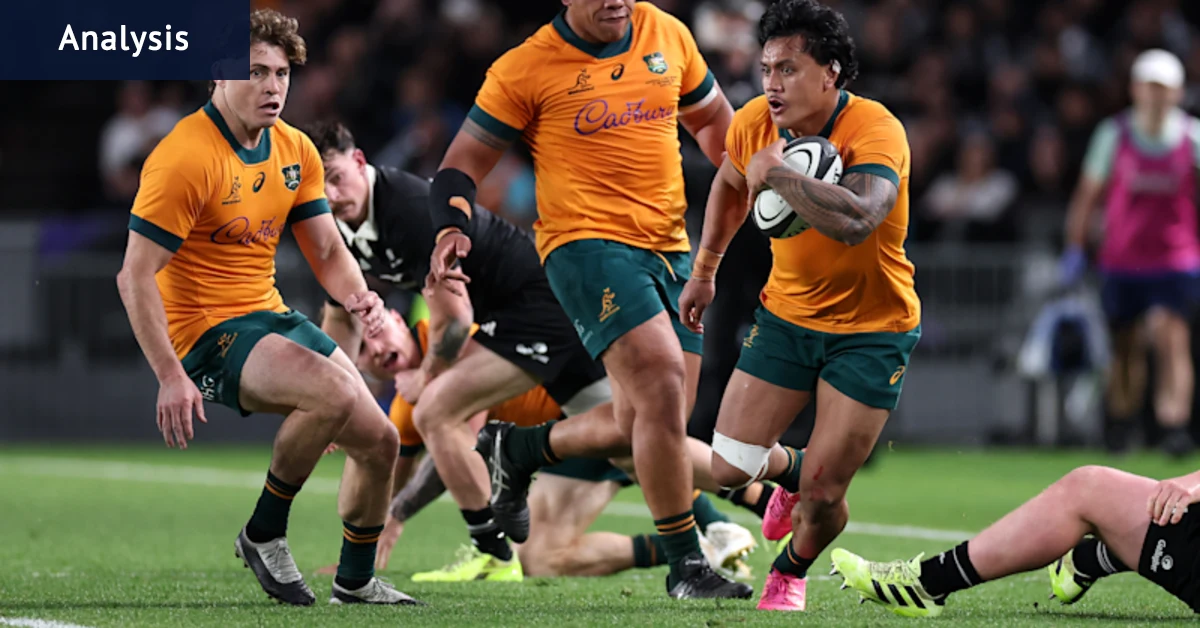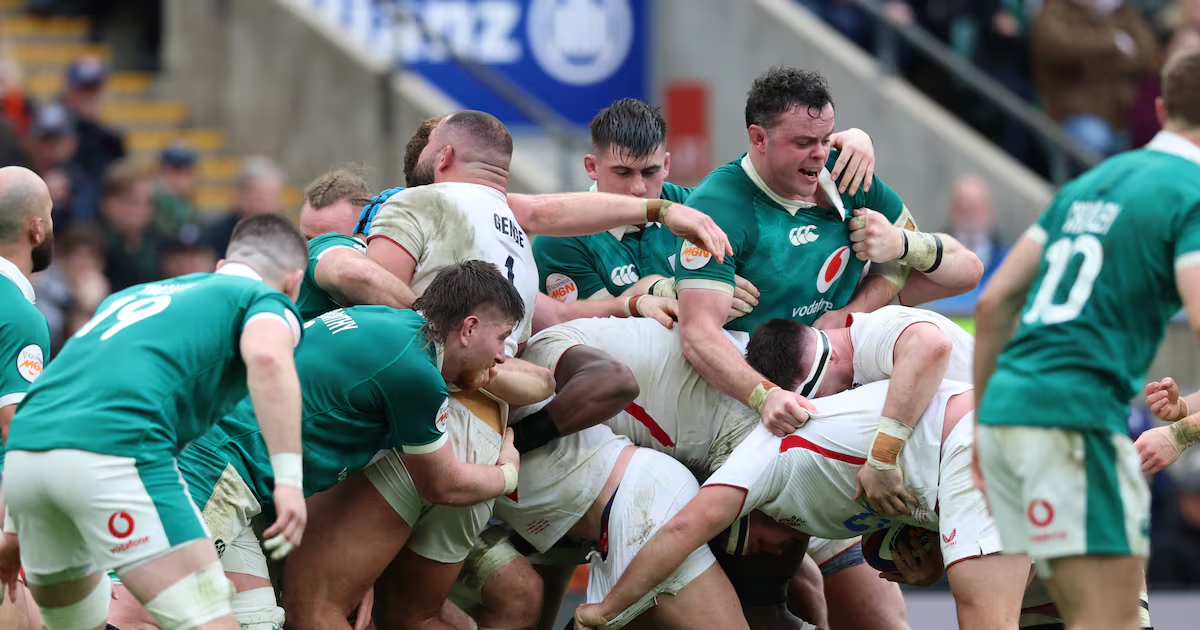
Rarely a year goes by, it seems, without rugby tinkering with its laws, whether introducing new ones or reinforcing existing ones. So it has come to pass yet again. Starting this Saturday, World Rugby’s latest “directive” is designed to have a potentially dramatic impact through to the next World Cup.Actually, the new World Rugby guideline regarding mauls was brought into effect as of June 1st. But this new stricture will come under much sharper focus over the opening three rounds of the Nations Championship, including in Saturday’s meeting between Australia and Ireland in Sydney. For the purported benefit of coaches, players and supporters alike, World Rugby is enforcing stricter regulations on defending mauls. It is doing this by cracking down on players who work themselves around the sides or back of the maul, lose the physical contest and linger to obstruct or pull down the drive.Players who swim or slide along the side of mauls beyond the ball, without staying bound completely or in a contest for the ball, must leave the maul and rejoin it from an offside position. Failure to do so will be penalised. Presuming it will be applied, it ought to at least make the maul cleaner and akin to a more upright scrum. The new guideline followed a debate during World Rugby’s Shape of the Game conference in March. As with their guidelines to enforce the outlawing of “escorting” and thus heighten kick-chase tactics and the aerial contest, evidently Springboks head coach Rassie Erasmus and his assistant coach Felix Jones are the primary movers behind this campaign too. A month or so before World Rugby’s conference, Erasmus and his South Africa assistant coaches issued a series of YouTube videos. They took place in a comely setting over glasses of red wine around what looks like a large mahogany table. The title of their videos? The Shape of the Game. One of the episodes was devoted to the maul.World Rugby's new directive leaves players with more to think about around the maul. Action from Ospreys v Sharks in the URC at Bridgend, Wales, in April. Photograph: Cat Goryn/Inpho All national teams can suggest items for debate at a World Rugby conference and in this video, Jones confirmed they had submitted the maul for discussion, specifically around the words “drag” and “pull”. Jones highlighted examples on a projector of defending forwards sliding around the edges of mauls to beyond the ball, noting how “it becomes really difficult for spectators to understand what is going on”. The concern for rugby fans is touching. As Jones plays more clips with the coaches now on their feet, Erasmus weighs in to note “you can’t drag a player out of a maul”. On another occasion, as the two packs become intermingled with each other, not without justification Erasmus asks: “Who are playing which way?” And true enough. World Rugby’s law 16.11 clearly states: “Players must not a. Intentionally collapse a maul or jump on top of it or b. Attempt to drag an opponent out of a maul. Sanction: penalty.” It adds that “dragging (or pulling) actions during a maul are liable to sanction” as well. Then, in World Rugby’s own video explaining its ensuing guidelines on the maul, they also use several of the same clips which Jones had brought to light. Paul O’Connell believes teams will henceforth maul more and there will be more maul penalties. “I think some of them will probably be unfair penalties,” he says. “I think players will probably do a really good job at defending a maul. They’ll end up where they’re quite dominant and they’ll end up being put offside because they’re dominant. And if the referee decides to ping someone straight away and doesn’t manage that player out, I think you could end up with some unfair penalties.”[ ‘We’d all love one of those’: Paul O’Connell open to deal extension like Andy Farrell’sOpens in new window ]But he also acknowledged it will be the same for everyone and, while a challenge – not least for lineout specialist coaches such as himself – he hopes the Irish pack will benefit from the work they’ve already done. France’s Top14 and ProD2 have been trialling the guidelines this past season and it’s had the desired intention of clearing things up. O’Connell spoke to his former Munster second-row partner and now La Rochelle counterpart Donnacha Ryan.Leinster's James Ryan during a maul as the province got the better of Stormers in the URC semi-final at the Aviva Stadium. Photograph: Ben Brady/Inpho “He said you just get on with it and you figure it out. You accept that there might be one or two more penalties than you’re used to. You try and coach the players hard to not have to be told to get out, to realise ‘I’ve probably gone too far here’ and get out and get on to the other side.”It will be interesting to see how all of this might reduce the effectiveness of, say, Tadhg Beirne and Joe McCarthy, in negating opposition mauls. But, as James Ryan noted: “Our maul D would be more north-south, trying to keep the weight in front, as opposed to creeping up the sides. So hopefully it’ll be good for us.”[ ‘They’ll target this game as a big one for them’: James Ryan relishing return to AustraliaOpens in new window ]But he also believes there will be more mauls and that if referees are going to be more pedantic in penalising players for creeping up the side of mauls, there will also be more penalties. As well as making the maul less of a mess to spectators visually, the guideline should also increase the reward for potent catch-and-drives such as, of course, the Springboks. But then again, with less scrums than ever in the game, reinforcing the potency of the maul also underlines one of rugby union’s defining aspects. An excessive amount of tries from mauls or leading to penalty tries would be a bore. But, a la the scrum, as this guideline will oblige defending teams to commit more forwards to defending a maul, it should free up more space for teams to attack elsewhere.Ultimately, though, Erasmus, Jones and the Springboks have seemingly won off the pitch again. While the guidelines also apply to attacking players, this can only make the Springboks’ maul even more of a weapon. Coming less than a year-and-a-half out from their attempt to become the first country to win the World Cup three times in a row, one ventures that away from the cameras they raised their glasses of red once again. gerry.thornley@irishtimes.com
Time will tell if maul change is good for rugby, but it’s clearly great for South Africa
With the World Cup closing in, Springboks’ already-potent maul is now even stronger
1,101 words~5 min read