Story audio is generated using AI
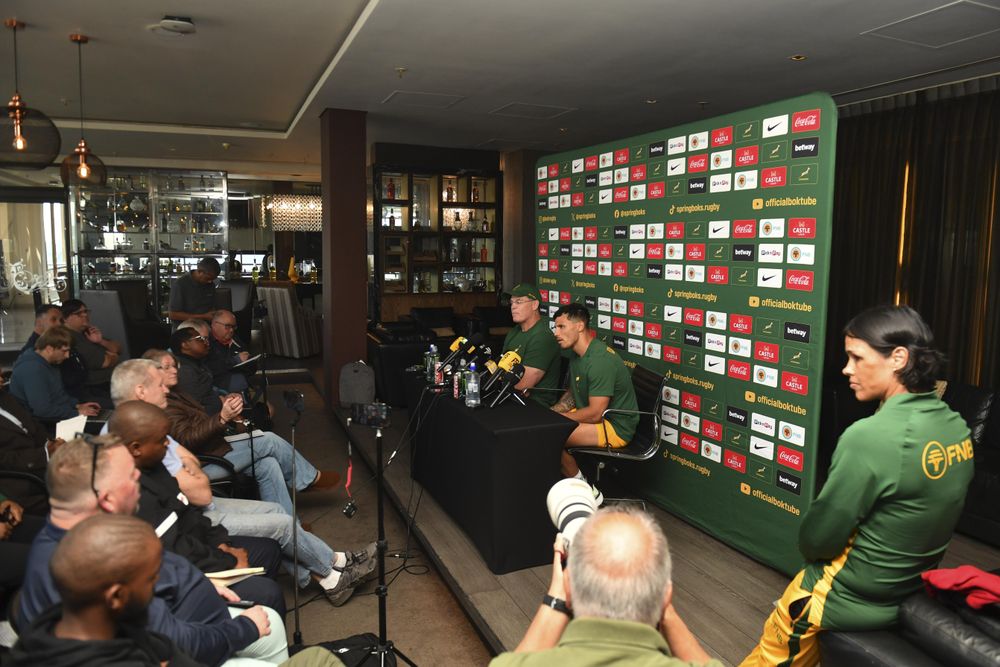
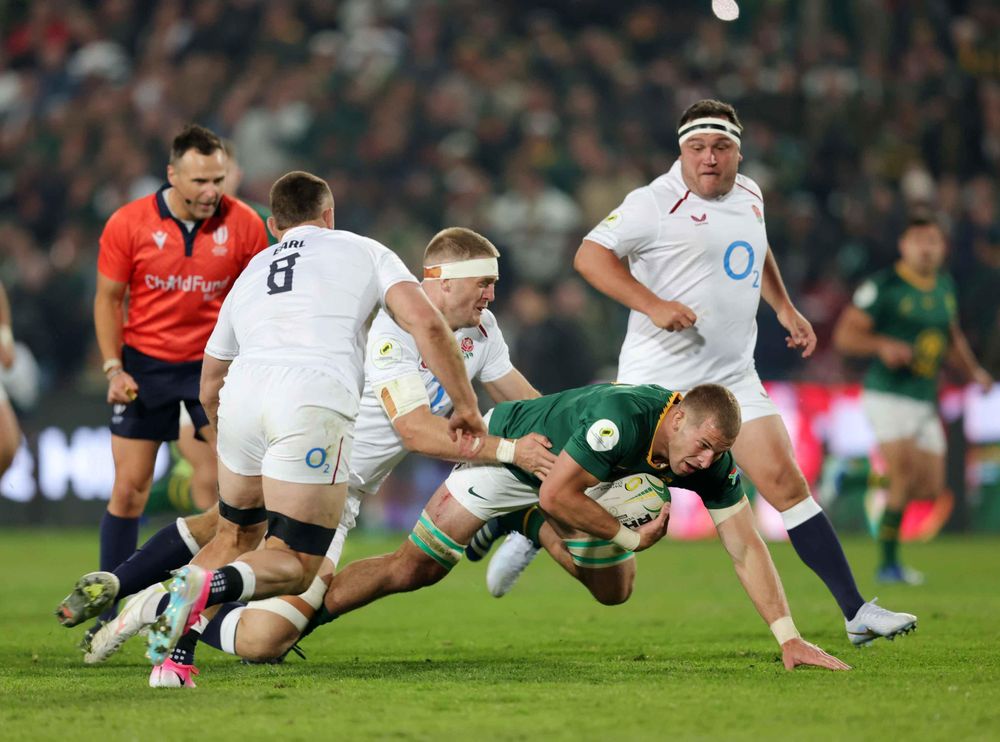
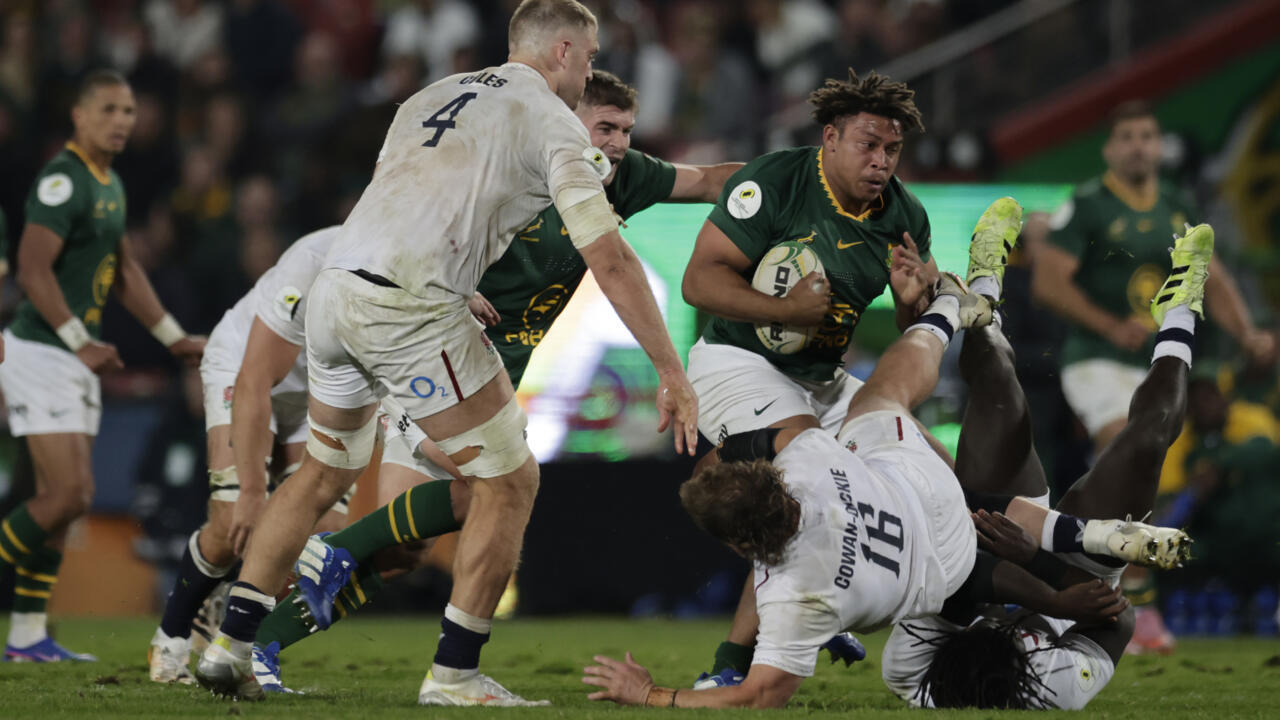
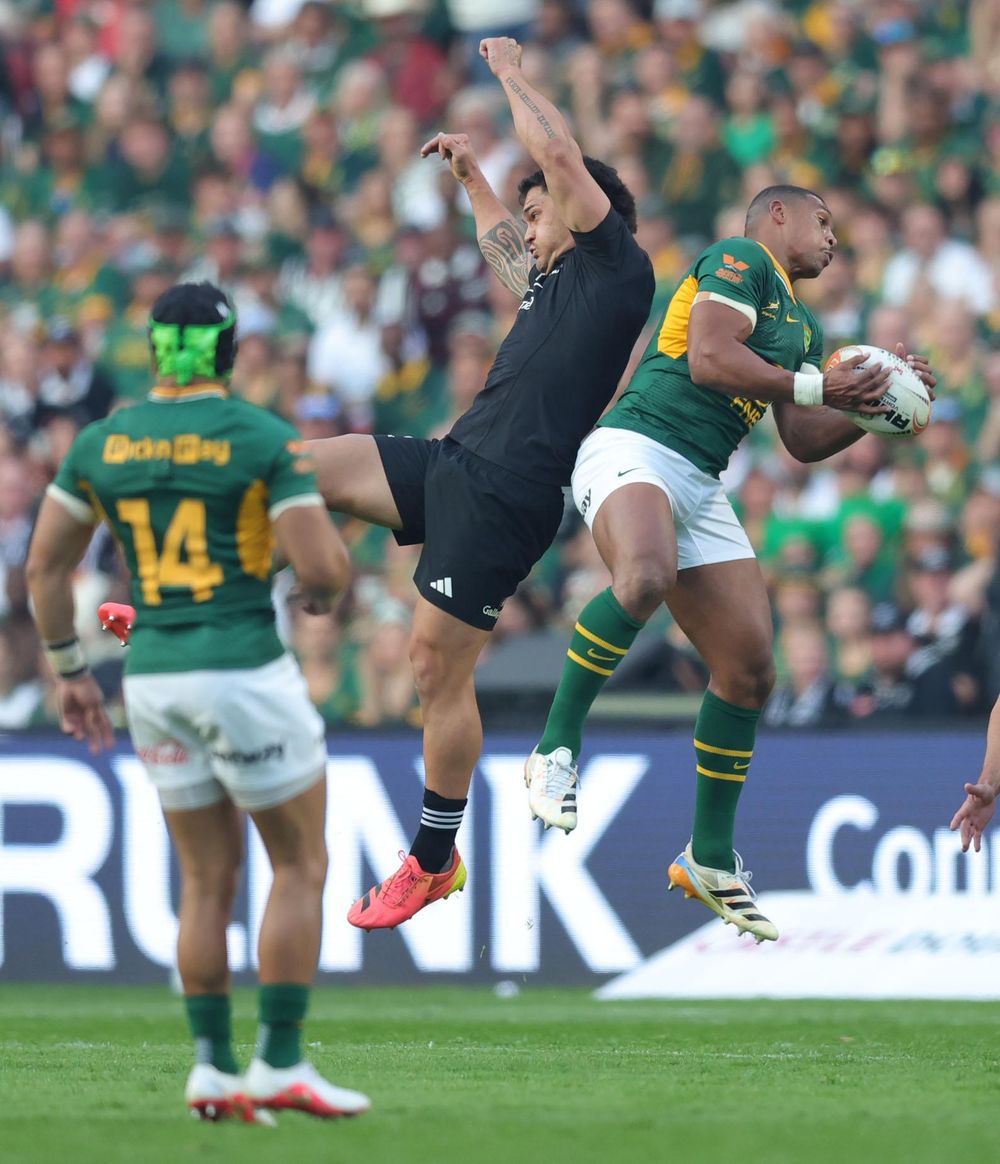
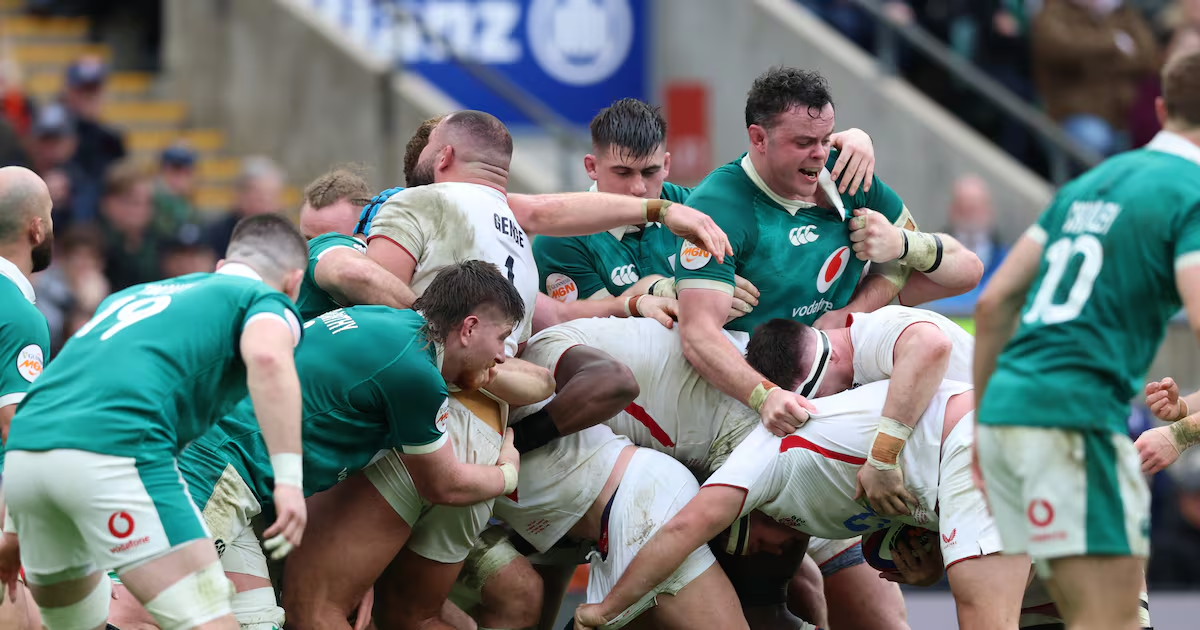
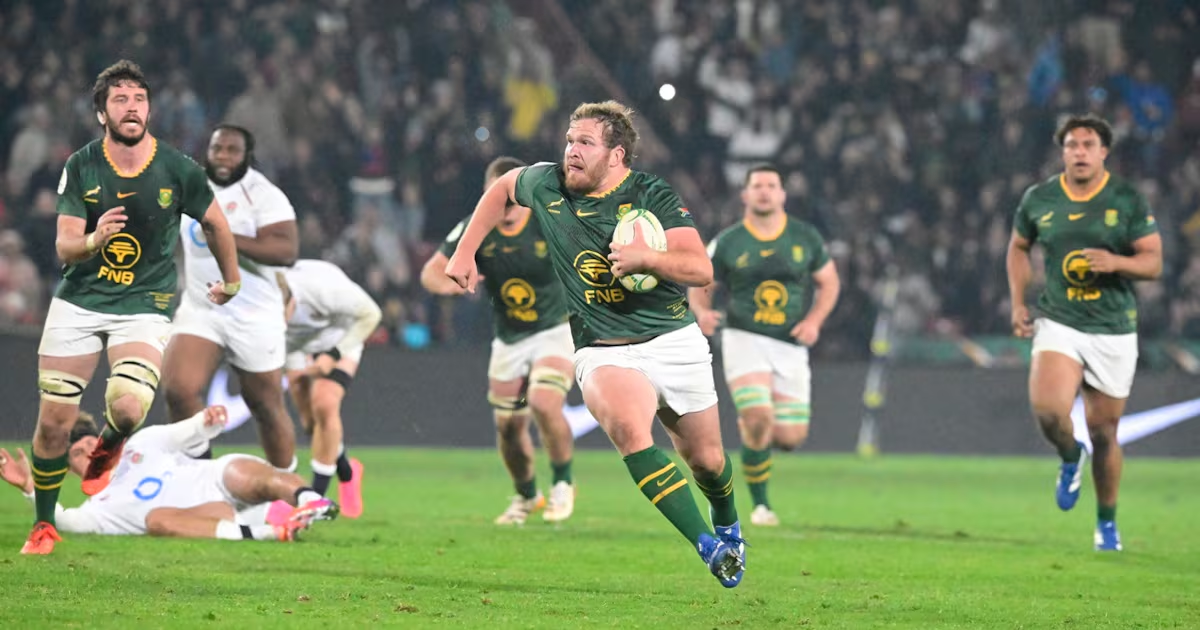
Springbok coach Rassie Erasmus has paid the highest compliment to the latest policing of the sport’s laws after watching last weekend’s Nations Championship matches, terming the result “beautiful rugby”.The opening round of six matches in the inaugural tournament produced 54 tries. “I think there were more maul tries scored in this opening round than altogether in the Six Nations, if my stats are correct,” Erasmus said. “I want to give World Rugby credit there. I thought all the games were excellent with opening up. There’s a contest with the guy in the air after a contestable kick. It’s a nice competition there. “I think what people thought is it’s going to just be all mauling, but because you can’t drag in a maul anymore, you have to put more numbers into a maul. “And then the guys who stop the maul now have to get out and defend after that, so there’s definitely more mauling, but then after the mauling there are more tries because guys are tired of stopping mauls. “You can’t just put four guys in and drag a maul to the side.”Springbok coach Rassie Erasmus. (Andrew Matthews) Erasmus also believed the effort to police the scrum feeds is working. “And loose forwards must stay bound to make sure their props don’t get scrummed back. So I think the product World Rugby is putting out by the law changes, adjustments or interpretations played a big role. “It was beautiful rugby in most of the games this weekend.”There was a time when rugby lost its sparkle, with centres reduced to battering rams during the height of crash-ball rugby, while players routinely went to ground with possession to end phases rather than risk so-called 50-50 passes.But law changes, and perhaps more importantly, the decision to police existing laws effectively seems to have opened the game up. And then there are the contestable kicks, which Erasmus believes can offer greater chances of possession. After the victory over England on Saturday the coach termed the aerial battle a new set piece, where teams have the opportunity to fight for the ball as they do in lineouts and scrums. “It’s another source of possession. A lineout, if the ball gets kicked out, it must be thrown down the middle. And then, though the other team kicked it out, both teams have a chance to contest for that. “A scrum — the ball gets thrown in, then the same with a kickoff, and the same with a goal-line drop out.“And I just feel with the way World Rugby has cleaned up now that you can actually go up for a pure contest [in the air]. “We kick the ball, it’s not [simply] your ball. If it’s a bad kick, it’s your ball, [but] if it’s a good kick, it’s a nice contest. I just think it’s nice and contestable. “And then there is this competition for the ball in the air, and if you don’t win the ball in the air because someone jumped higher or jumped earlier or whatever the case may be, then it’s scraps — everybody calls it ‘scraps’ now — and then those scraps become a competition. “And then from there, the team who can set the quickest on attack and who can set the quickest on defence? Some people might think it’s boring, but I thought the way the laws were now interpreted this past weekend, I thought all games were really contested in every single area.”