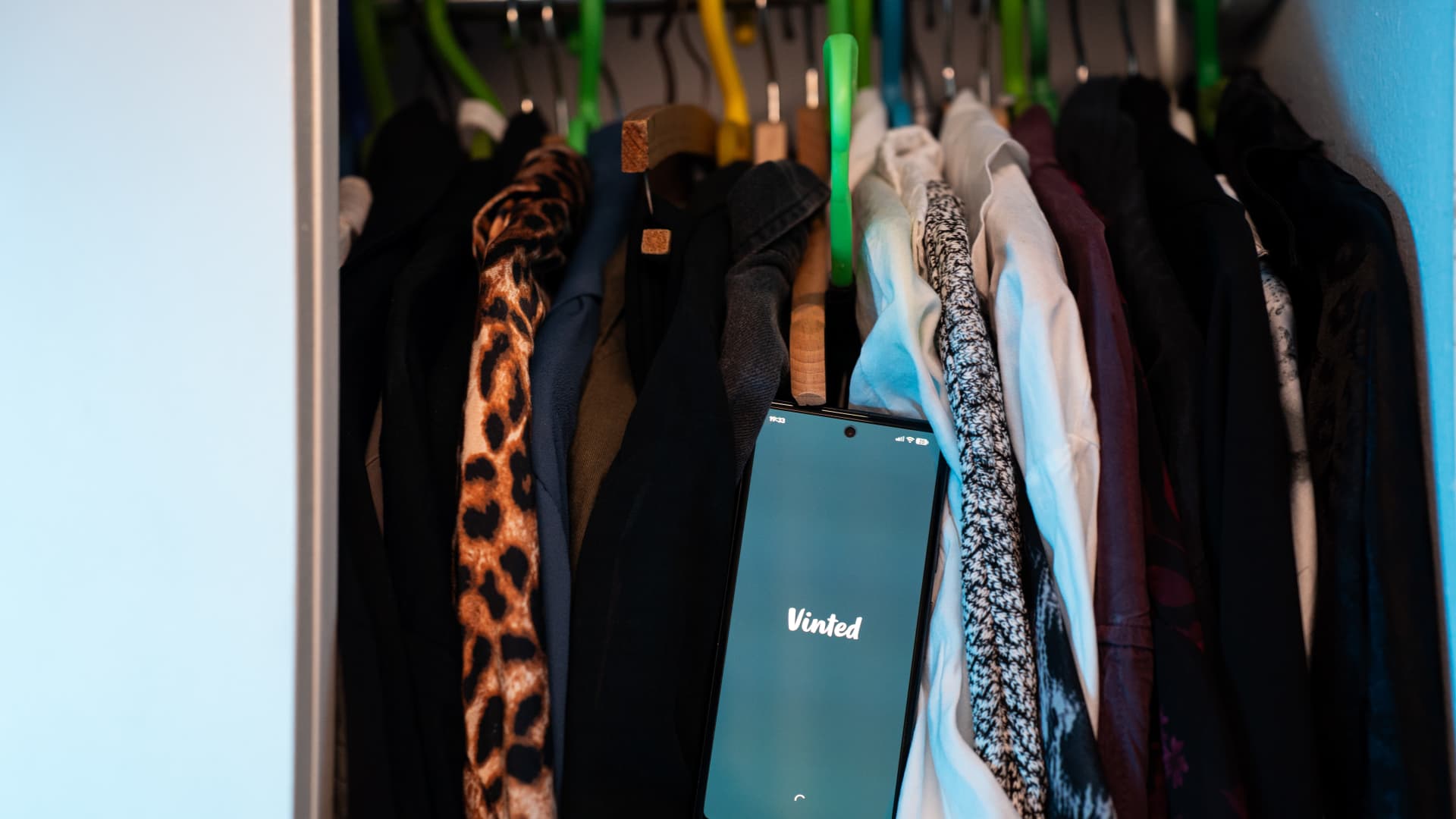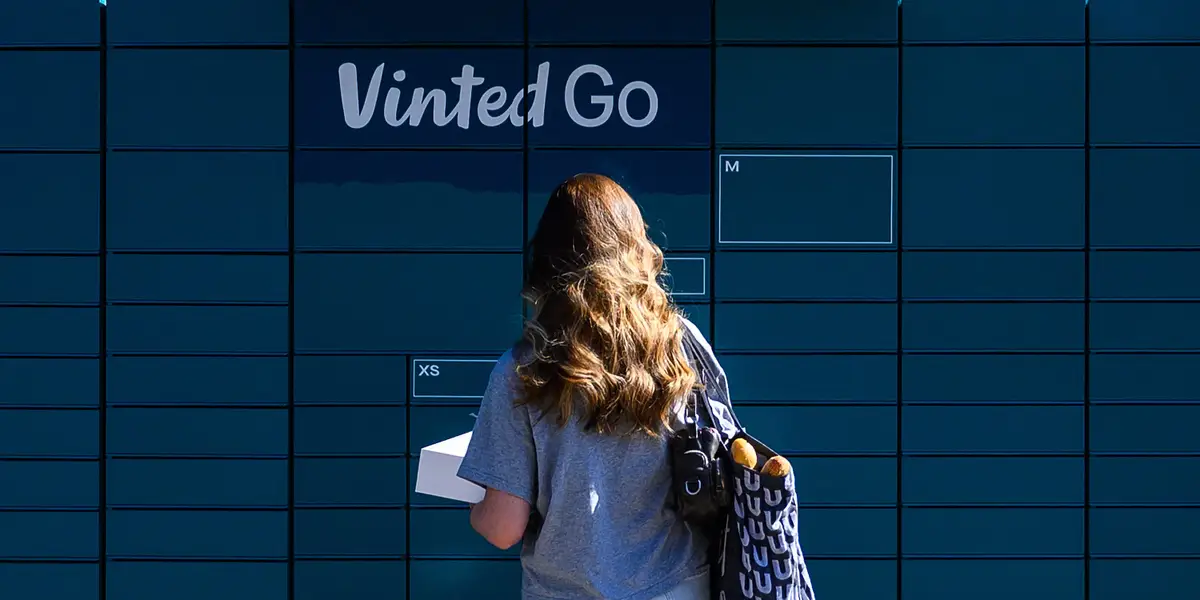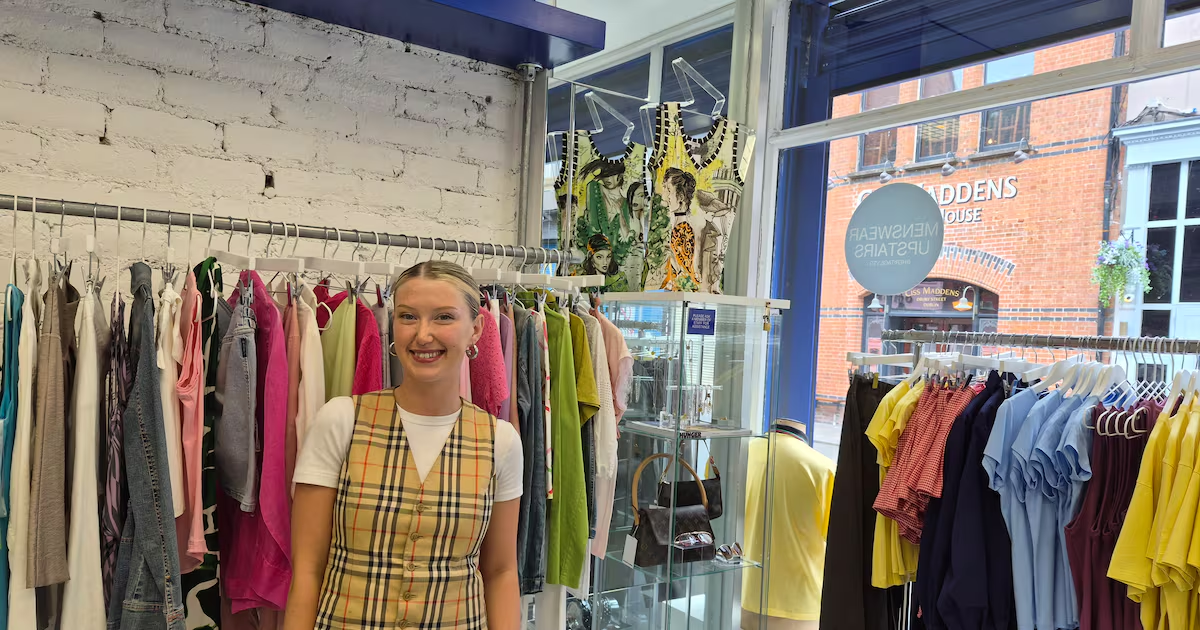
Some store owners say online retailer is ‘a novelty that came and disappeared’ and suggest sustainability credentials are overstatedAlex Morgan, general manager of Nine Crows, in 'big sister' store Loot: 'Vintage shops are going to be here until the end of time' Jack BradyTue Jun 30 2026 - 06:00 • 5 MIN READVintage clothing store Nine Crows in the heart of Dublin’s Temple Bar saw “a dip” in customers when online rival Vinted entered the Irish market 18 months ago, but business has since recovered, says general manager Alex Morgan. Online retail has been riding high in Ireland recently. Vinted reported growth in listings up to 197 per cent in the year to May, and annual sales growth of up to 499 per cent in Ireland.Figures published by Vinted in April show global revenue at the group was up 38 per cent to €1.1 billion last year, while profit was down 19 per cent to €62 million.Vinted, founded in 2008, is an online marketplace in which anyone can buy and sell all kinds of items, from trading cards to snow removal tools – but its main focus is fashion. The company, valued at €8 billion, mostly caters for peer-to-peer selling.Morgan says customers “weren’t shopping with us half as much” in the three months after the Lithuania-based online marketplace arrived.But once that “burst of Vinted novelty came and disappeared”, Morgan says the business was soon “back on track”.Initial fears Vinted might herald the end of vintage stores have since been dispelled amid fresh optimism they can work side by side. Sales at Nine Crows fell last year, but Morgan says they are now “matching pre-Vinted figures”.The first bricks and mortar Nine Crows Vintage store was established in 2013 before Morgan joined in 2020.While the business has toyed with ecommerce and had previous establishments in Co Galway and Co Cork, it is Dublin-focused now with a “big sister” designer vintage store, Loot, joining in 2022.[ Consumers spend less in clothes shops – but second-hand spending up 197%Opens in new window ]Morgan says the rise of Vinted has pushed the team further towards redeveloping the ecommerce part of the business. In the meantime, Morgan says the revenue lost when Vinted first arrived has surged back in recent months, claiming many customers complained of increased shipping prices between France and Ireland.Euan Steedman, spokesman for Vinted in Ireland, says prices have not changed for some time now, but the company has onboarded new carriers and independent companies that can set their prices at different rates, so people may be seeing higher priced delivery options. Despite the extra competition, Morgan says she bears no animosity towards Vinted, with Nine Crows even renting in-store rails to Vinted resellers in the past.But with the rise of Vinted in Ireland, is there still room for the old-fashioned stores or is Morgan just an optimist?“There is enough clothing on this planet today to dress the next 10 generations,” she says. “We do not need to worry. I think vintage shops are going to be here until the end of time. I think there’s going to be enough room for all of us.”Terri Murphy Jones, owner of Dublin Vintage Factory: 'I look at Vinted now almost like an eBay' Terri Murphy Jones, owner of Dublin Vintage Factory in Temple Bar, is undeterred by the popularity of the platform. He says there will “probably be 20 more Vinteds” into the future.“I look at Vinted now almost like an eBay,” he says. “It’s like the next generation of an eBay. It’s just a seller – it’s like an online market. I think it’s going to be a fad. I don’t think these things are built to last.”Jones also says those using Vinted are often not shopping as sustainably as they think they are. He says people often spend hundreds on clothes from Vinted that end up being thrown away. “It’s a wolf in sheep’s clothing,” he says.That being said, Steedman says Vinted’s in-house data shows 65 per cent of customers prefer to buy fewer, higher-quality and longer-lasting items rather than larger volumes of cheaper fashion, while 41 per cent say they consider an item’s resale value before buying something new.Jones first opened the business in 2014, moving from building to building in Dublin city centre from South William Street to Smithfield to Temple Bar as rents kept pushing his team into a nomadic life.For Jones, Vinted’s cheaper price tags initially presented a challenge to “scramble to give offers to people”. However, he doesn’t think Vinted can offer what stores like his do. “It’s a different way of shopping,” he says.The common “1990s kitsch” of many of Ireland’s vintage stores offers a unique physical experience that Jones thinks scrolling online cannot replicate.Keziah Platt, who operates 'KlozetKez' on Vinted, sees a future in the platform as 'everyone uses it' Keziah Platt, an independent seller known as KlozetKez on Vinted, uses the platform as “more of a side hustle”. Now working as a barista, the graphic design graduate previously sold clothes on Depop, getting into it just after Covid before moving to Vinted shortly after it entered the market here in January last year.Since its introduction, Platt says the market for second-hand clothes has become far bigger than she ever imagined. She says she made between €6,000 and €10,000 in profit last year and sees a future in the platform as “everyone uses Vinted”.“As a seller you don’t have to worry about buying your own shipping labels,” she says. “Vinted supplies them to you. So many people I know who are a lot older than me are using Vinted.”Platt says her business has “a little bit for everyone”, but her customer demographic is mostly women.[ The pleasures of Vinted have often little to do with money, although the cash is niceOpens in new window ]This fits with the pattern of Vinted’s core audience, which has historically been women aged 18-45, but Steedman says its member base has “broadened significantly” as second-hand shopping has become “more mainstream”.Platt says the recent anecdotal complaints of an increase in the price of shipping did reduce the number of sales she was getting from France, but insists it is “still way cheaper” in general. “Realistically, if someone’s going to go to a high street they’re still going to spend loads more money than they would if they were buying something on Vinted from France,” she says.Sinéad Coughlan, owner of Public Romance Vintage in Galway, says shoppers are 'looking for the human experience' Sinéad Coughlan, owner of Public Romance Vintage in Galway, says people are coming to her store “looking for the human experience” of vintage shopping. She says platforms like Vinted are “never going to replicate” what vintage stores are offering.Coughlan entered the market in 2009 with the promotion of independent labels alongside vintage items. That all changed when many of those labels went under in the fallout from the financial crash.After surviving the financial crash and Covid – which forced her to take greater initiative online – Coughlan knew Vinted was going to present another challenge.Her spirits remain high though, and financially it has been another “steady” year, with a mix of tourists and locals visiting the store. Coughlan, like Morgan and Jones, believes there is an ephemeral quality to platforms like Vinted.“A few years ago Depop came out and everybody was all about Depop, then all of a sudden it was flooded with stuff nobody wanted.”IN THIS SECTION
‘I think Vinted will be a fad’: Vintage stores confident of survival despite online competition
Some store owners dismiss online retailer as ‘a fad’ and suggest sustainability credentials are overstated
1,239 words~6 min read