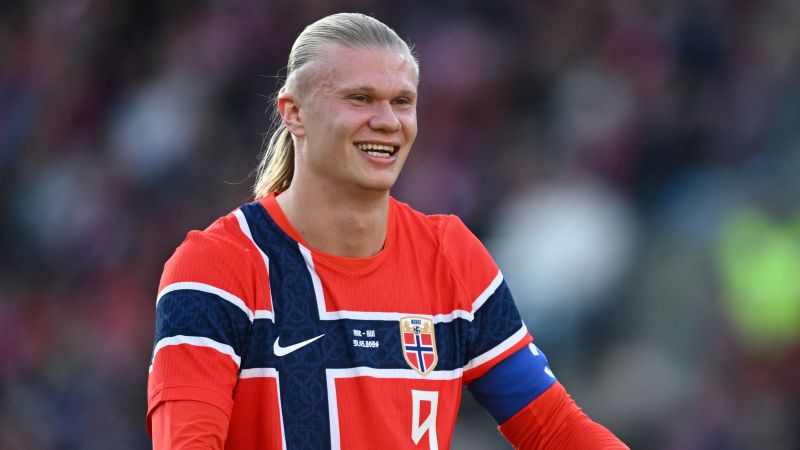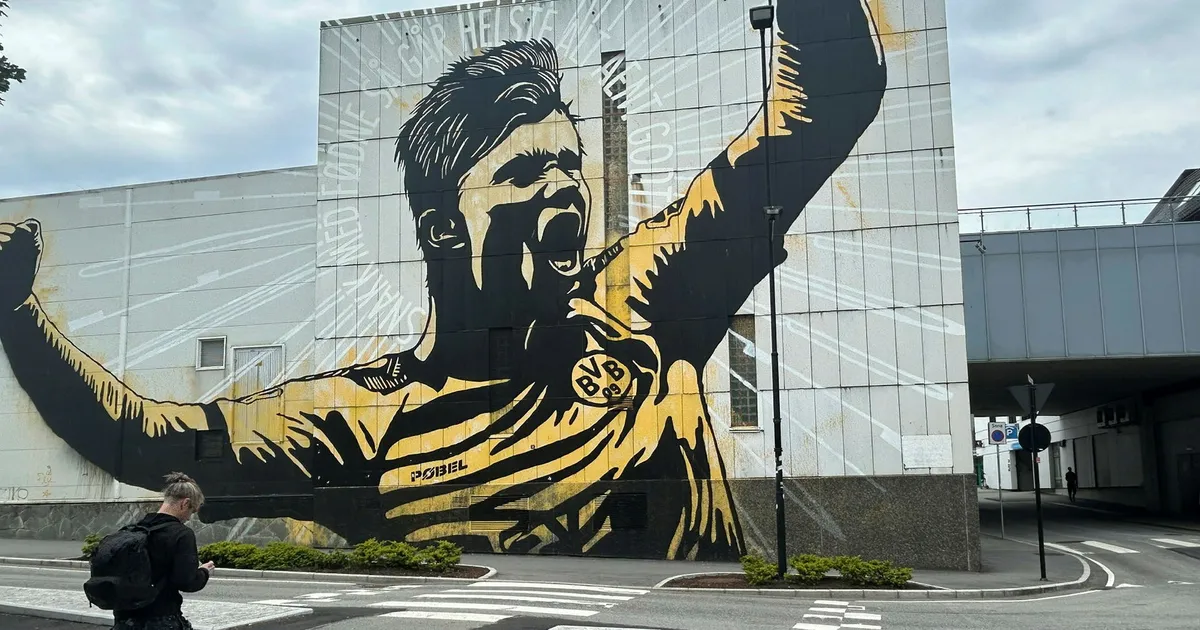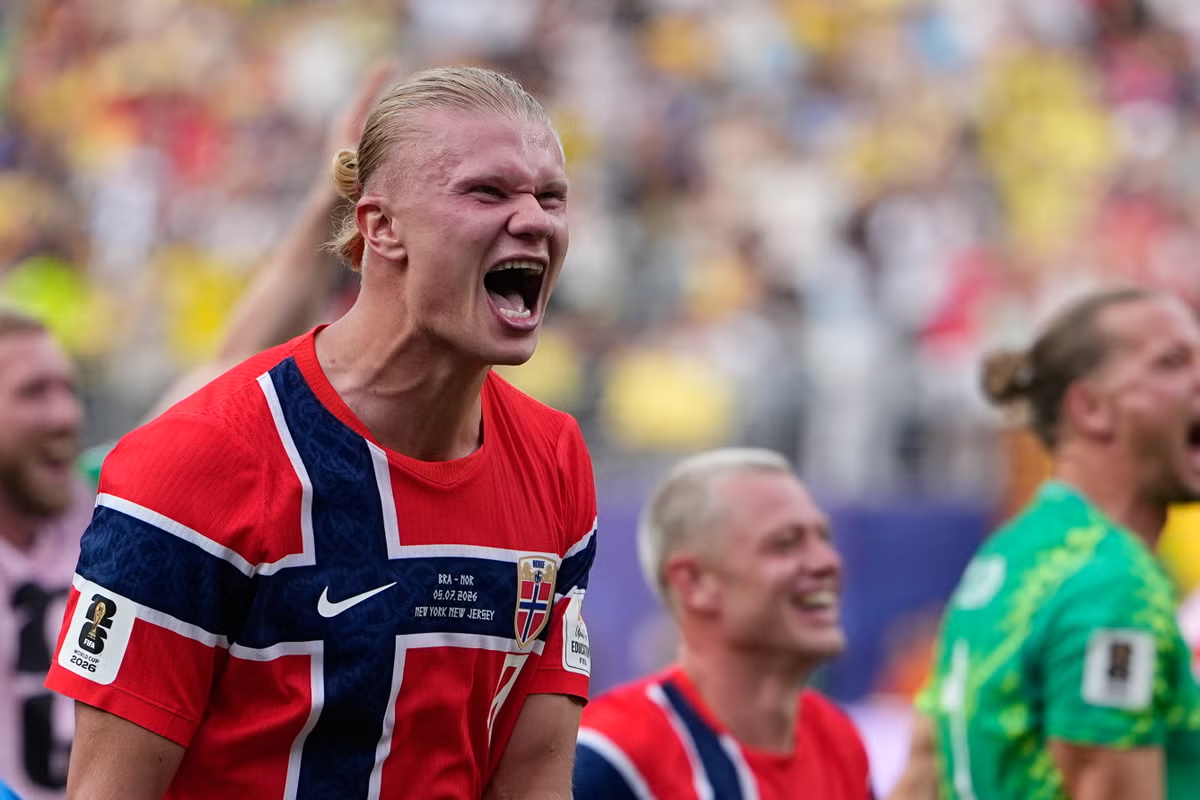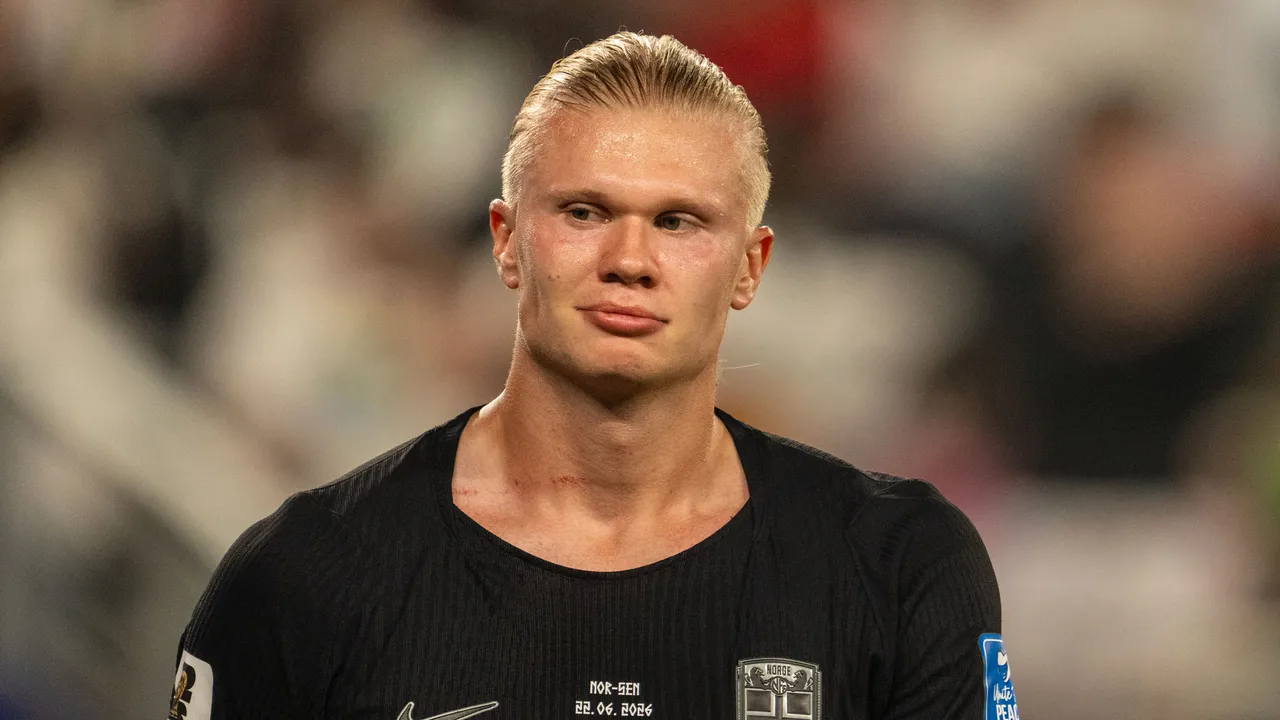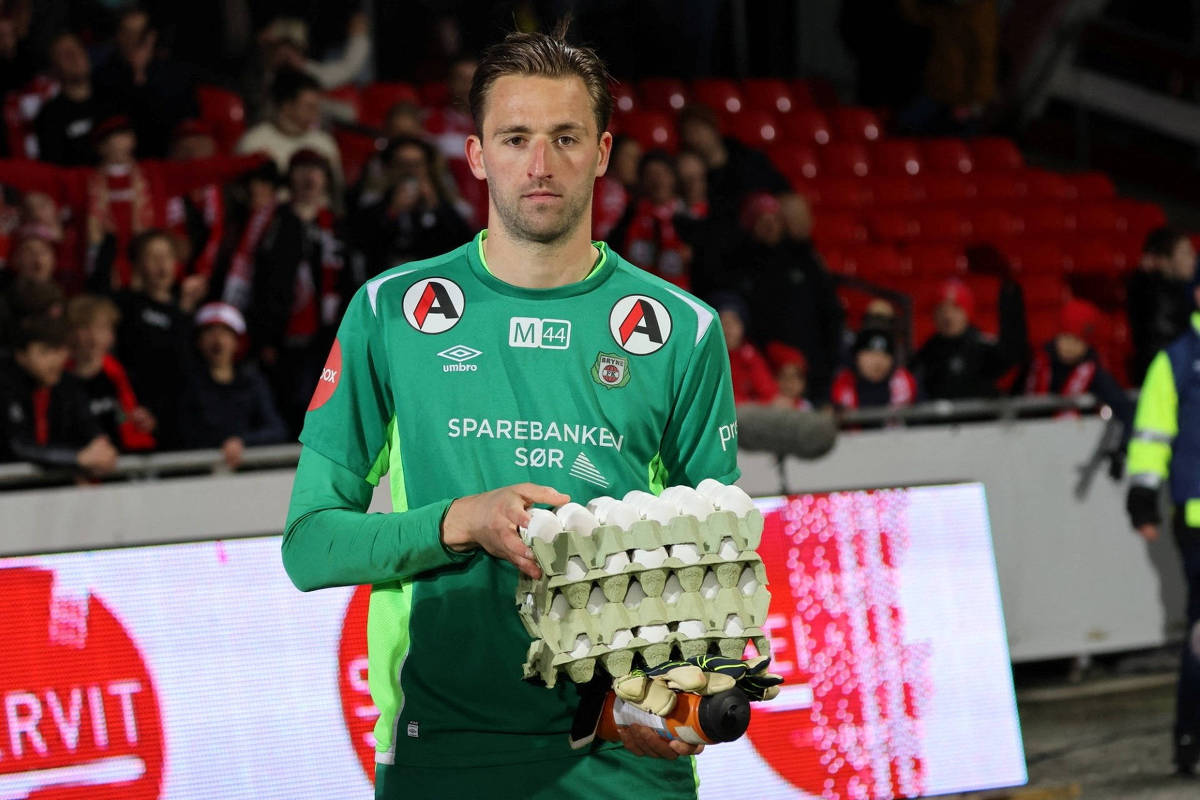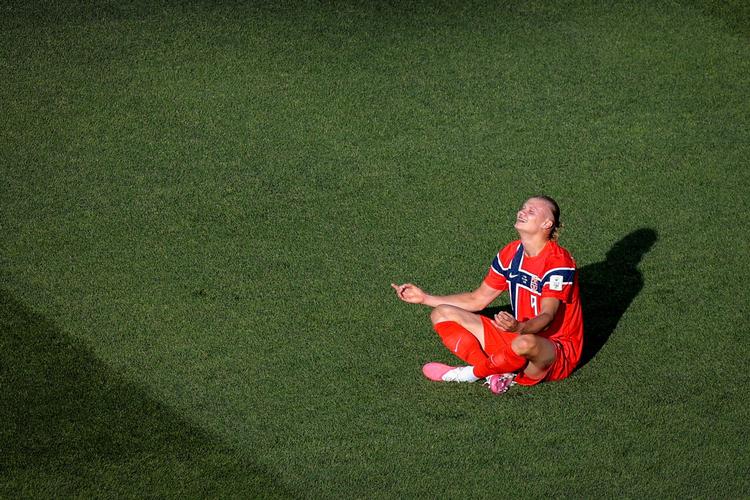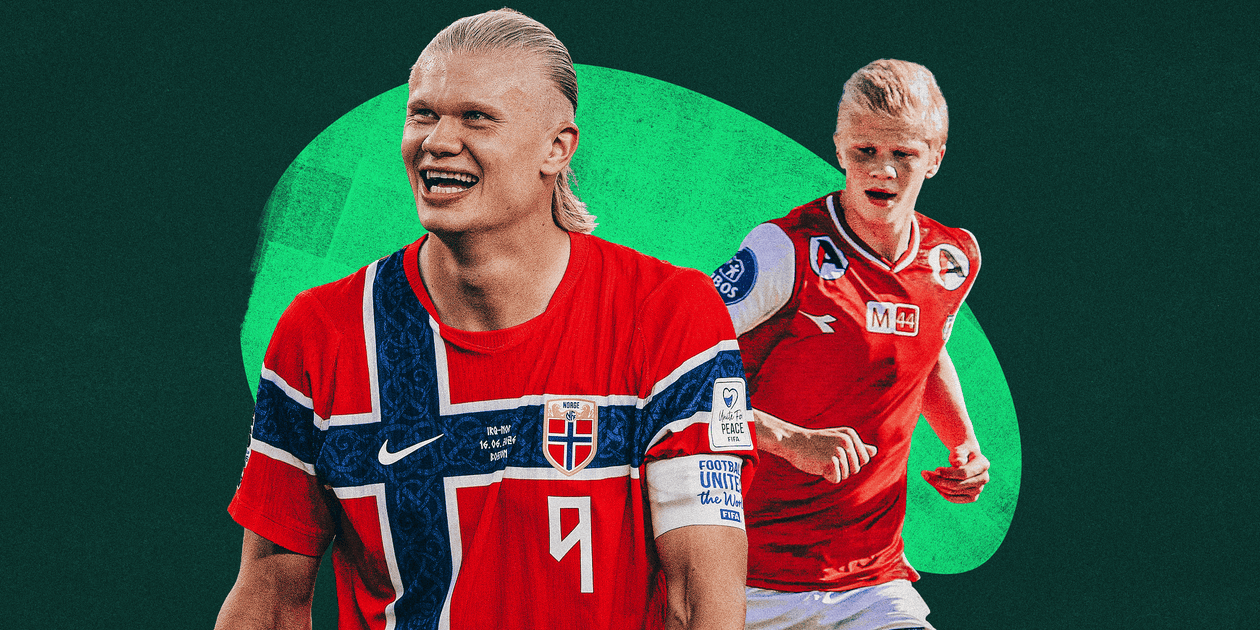
Michael Vigrestad was a goalkeeper who played in the academy of Bryne FK in the 2010s. He regularly rubbed shoulders with a young Erling Haaland, who was also at the club at the time…Growing up in Bryne, a small town of around 12,000 people in south-west Norway, national tournaments were not the norm. Life was hyperlocal. If you grew up here, there was only one team you played for. There was only one team you could play for: Bryne FK.The same went for my team-mate Erling Haaland, now our nation’s record scorer with 59 goals.Get free access to the most comprehensive World Cup coverage in The Athletic app.Our tournament debut in 2012 was looking ominous. I was the goalkeeper of our under-13 team and, heading into the final group game, we had to win by eight goals to progress to the knockouts. Luckily, we had a freak of nature in our team. He had been playing centre-back in the previous games, so he could bring the ball out and keep us competitive but our manager Alf Ingve Berntsen was known to chuck him up front in times of emergency. This was one of the times to break the glass.He scored whenever he wanted. He would pick up the ball and run by everyone, or we would play him in behind and he would breeze past the defenders. Physically, he was so dominant. A man against boys. On that day, needing eight goals, he scored nine. Erling, right? Wrong. Tord Johnsen Salte was the saviour.Tord Johnsen Salte in action for Norway’s under-17s in 2018 (Tim Goode/Getty Images)He was unreal. At that age, I’d suggest the quickest player in the country. He was the guy. I’m pretty sure even Erling recognised then that he was ahead of everyone. He went on to sign for Lyon just before his 16th birthday but his career did not kick on and he is back in the fifth division of Norway with Rosseland. From my first couple of encounters with Erling, I sensed he had something extra that none of us, including Tord, possessed. A quality not normal for a boy at that age: an insatiable will to win absolutely everything he participated in.Those impressions were formed at Jaerhallen, the big indoor hall that served as the weekend hub in Bryne. It was a big square astroturf pitch that was open to everyone and we would gravitate there early in the morning, every Saturday and Sunday.There was a big group of us from my year at school who would go there to hang out before watching the Premier League on TV in the afternoon — or until our parents called us to say it was time to go home. Despite being a year younger, Erling joined in with us after a short while as everyone knew each other from school. Each year only had between 60 and 70 students, so he fitted in straight away.Messi, Mbappe, Haaland; who is having the best World Cup?It was a free-for-all. We would play two-v-two and a thing called World Cup, where we would split randomly into teams and do rounds of games for hours until we had a winner. We’d call ourselves after Brazil, Argentina, Spain, or the best club sides at the time. I was a Spurs fan but Erling would wear his Leeds and Manchester City jerseys. Not his father’s ones, as he’d have needed a belt back then, he was so small. He had one with Robinho on the back. It is hard to believe when you see the giant he is nowadays but he was this really small guy. What really struck me, though, was that he wanted to play all the time. No breaks. He was so driven and always wanted to be better.I saw that even more intensely when he moved up to our age group at Bryne. It was clear he was very fast but it was more accelerations than over long distances, as he still had to grow. He could rely on a good shooting technique and his nose for goals and was one of a few, along with Tord, who tended to score a few every game. A 15-year-old Haaland playing for Bryne in 2016 (Andrew Halseid-Budd/Getty Images)He was extremely emotional. It was fascinating to see how agitated he became if he was losing. You could see things get to him very quickly and it affected him in a negative way. He was never happy with how the game went and I saw him cry a couple of times. If the team was suffering in games, his head would hang down.It affected him when he missed a chance. He became sad or angry but, unlike others, did not lose confidence. If anything, he became even more determined to score the next one. Determination was his most important skill. That nose and desire for goals.I played striker in the second team at our age but we all trained together a few times a week. I switched to become a goalkeeper at 12 when we moved to a full-size pitch. It exposed my weakness, which was running, and I definitely couldn’t compete with Erling. We would do a lot of shooting practice together after training. I think I was giving him confidence! He was one of the few I didn’t enjoy facing as he could already strike it so hard with his left foot. Goalkeepers got scared. One time, he actually struck me in the groin and I got a bit sick. He used power but he’s always had control in his finishing. It was not just hit and hope.The turning point came when we moved to 11-a-side. It’s much easier to see the player you are going to become but I don’t think anyone would have predicted Erling would morph into the star he is now.Coming from Bryne, it was virtually impossible to have any reference point of what elite looked like. We only played against teams from the surrounding towns like Viking and Sandnes Ulf, until we went 11-a-side at under-13.Our team was not configured by skill level, either. There was a wide range of ability levels and no hierarchy. At eight years old, when Erling was moved up an age group, it was not a case of the best XI played and everyone else was told to f*** off. We all got the same attention. We were brought up on the value that everyone should feel seen and treated equally.The prospect of any of us becoming a professional at the top level felt unrealistic. A boy, Kristoffer, in our team had a dad who played for Bryne’s first team but even Alf Inge, Erling’s dad, being a former Premier League player did not change that. It was cool that we would see him walking around but he was seen as a normal guy. His dad never put pressure on him. He didn’t try to coach him. He just stood on the sidelines like the other parents.Erling Haaland wanted to follow in his father’s footsteps (Michael Regan/Getty Images)Everything about Bryne was ordinary and we accepted that. Erling was different in that sense. He never wanted to be ordinary. Not for one second.He would always tell us that he wanted to become better than his dad. That was his motivation and the motto he lived by as a boy. He never gave any signs that he felt pressure to emulate his father. You could just see this burning desire to be a footballer that came from within. Bryne is not one of the bigger clubs, so we didn’t get invitations to the national tournaments, but Erling joined Fyllingsdalen as a guest player. They would collect some of the best players from smaller towns and showcase them against historic European clubs. They played in Bergen and I saw a couple of his games, including against Juventus. He did well and it saw him called up to Norway’s under-15 squad.His desire became even bigger after that. He had a reference to compare himself against and had shown he could compete. He wasn’t finished, though. He wanted more and was never going to stop. You could see his confidence grew even more after the national-team recognition but he was never the arrogant type; always in a good mood, even when we gave him a bit of stick for posting rap videos with his national-team friends.He was still the joker who liked to kid around and do pranks. He was crazy, but in a good way. After training, he would steal my goalkeeper gloves and wouldn’t tell me until the next training. He would see me wandering around looking for them but would just look at me, keep a straight face and never say anything. For how serious he was on the pitch, he was a very chilled and laid-back guy.Even a young Haaland was a joker (Trond Tandberg/Getty Images)The biggest change I saw in him was after he signed for Molde. He left as a boy and came back a man. He was still not that tall but, within six months, he had grown 10cm and put on 10kg. Ole Gunnar Solskjaer had told him he had to gain some muscles before he could play and he had certainly taken that seriously.“Who is this guy?” we would say to him but it was clear he had felt motivated to put in the work.Maybe that’s why he got tired of school. One day, he stood up in class and let the teacher know as much.“I’m quitting, I’m not doing this anymore,” he said.“You can’t do this. What are you going to do?” replied the teacher. “I’m going to be a professional footballer.”Then he walked out. He was 100 per cent convinced of his destiny.It has been just over five years since I last saw Erling, when around 20 guys from our old friends group celebrated new year together in Bryne. It was just as he was growing into a superstar at Borussia Dortmund.I am a full-time youth coach in Trondheim now, so to be able to say I grew up playing with Erling is pretty cool. I tell them I still recognise the kid version of Erling in his body language when he misses a chance.That just happens very rarely now.
Erling Haaland never wanted to be ordinary – it was fascinating how agitated he was when losing
Michael Vigrestad, a team-mate of a teenage Haaland in Bryne, witnessed the first signs of a superstar in the making
1,719 words~8 min read