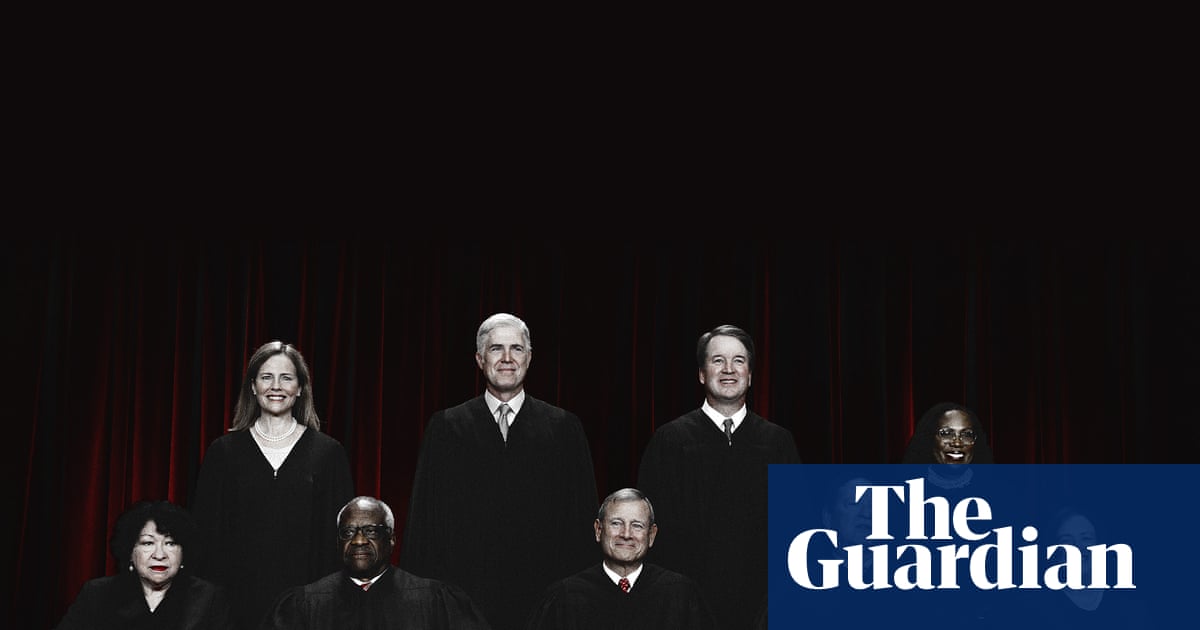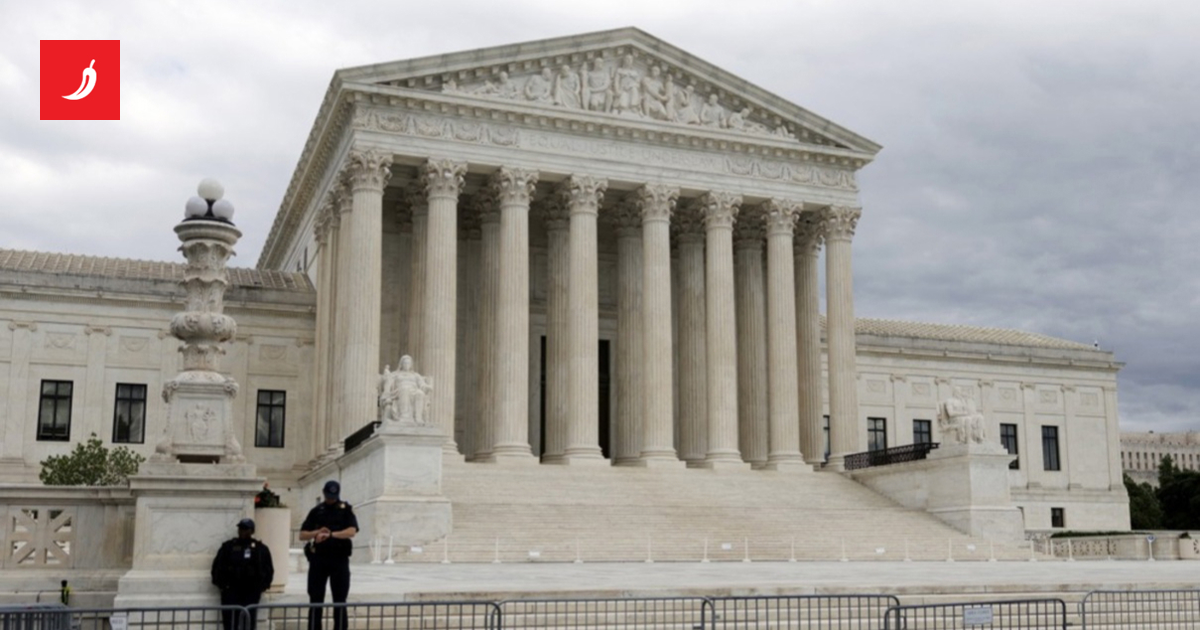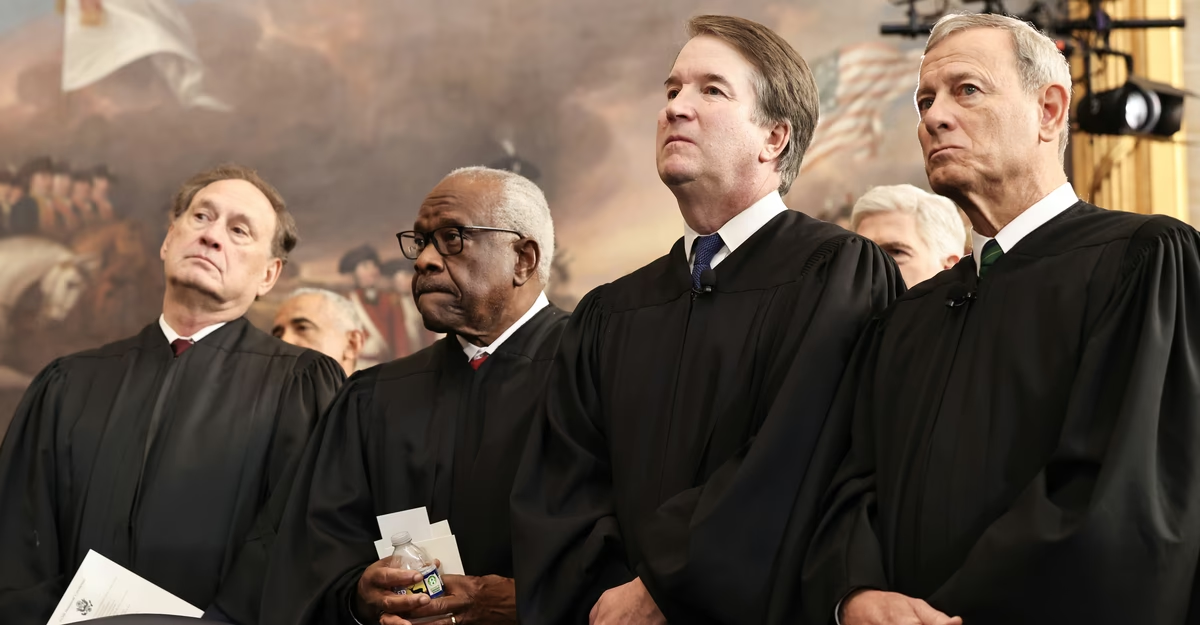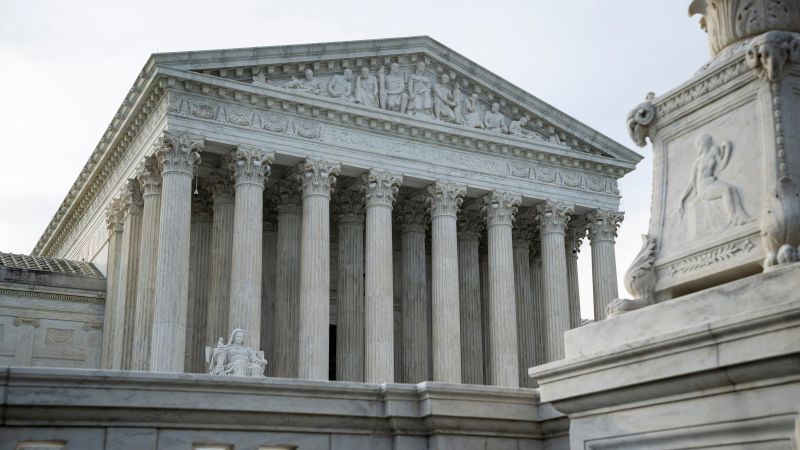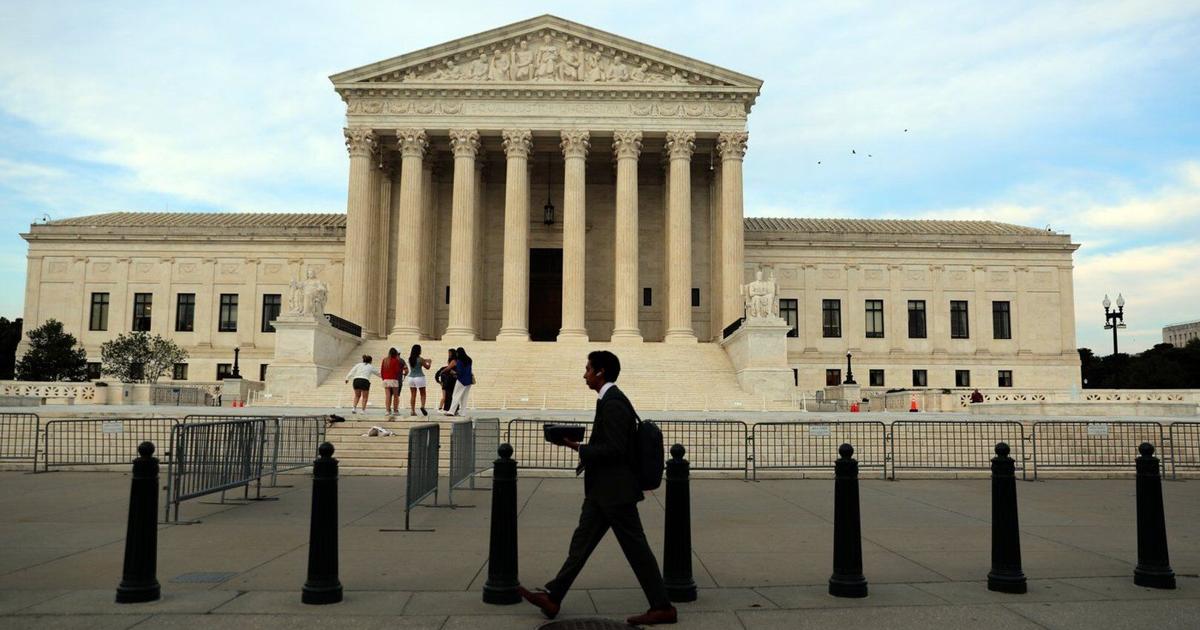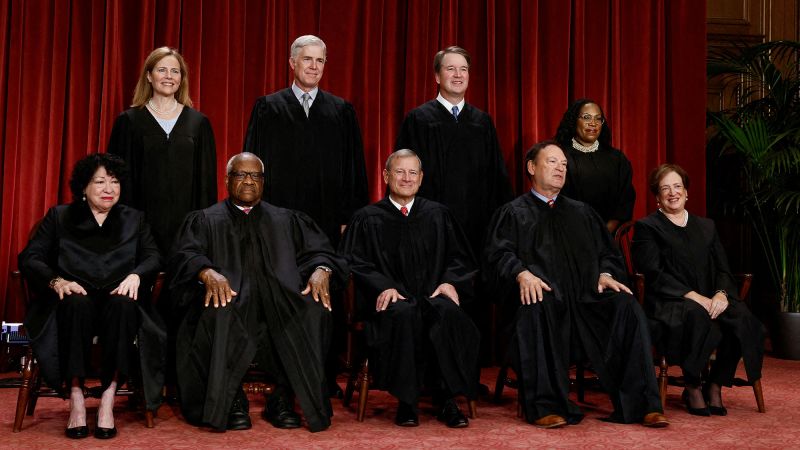
Sometimes, these days, it feels like the Supreme Court is running the country.
The nine justices are being repeatedly called upon to adjudicate the most charged disputes that spring from the fault lines of a nation split into ideological halves and that other malfunctioning institutions have failed to decisively solve.
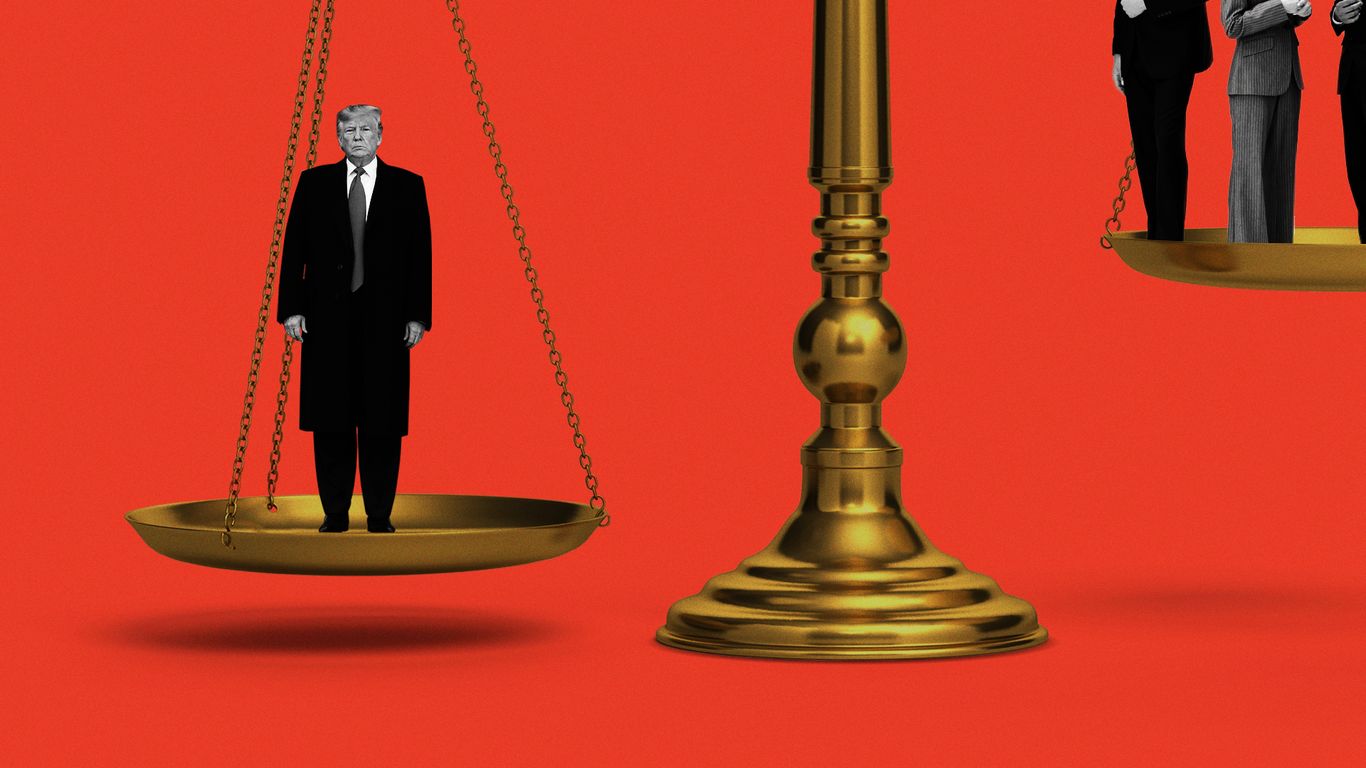
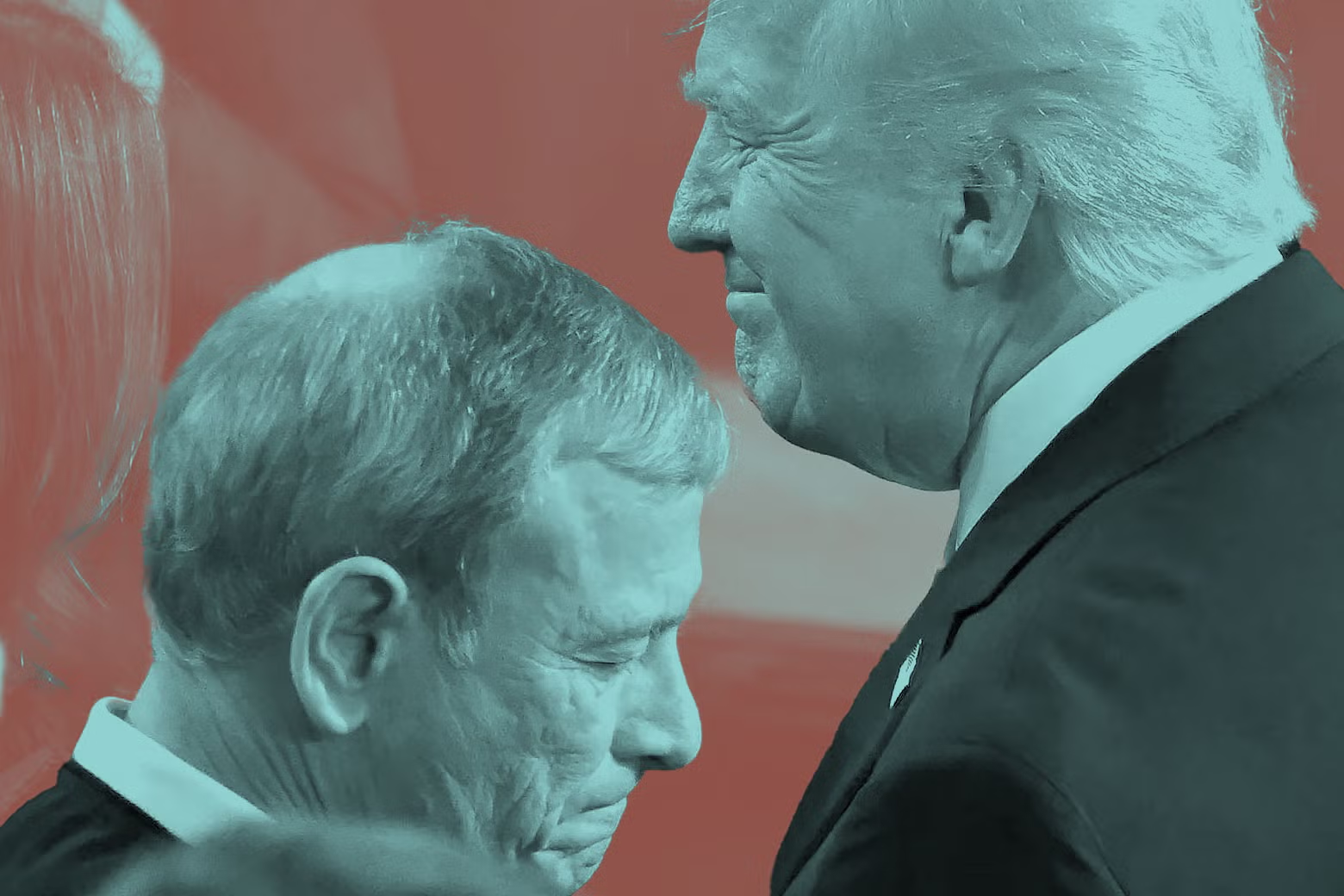
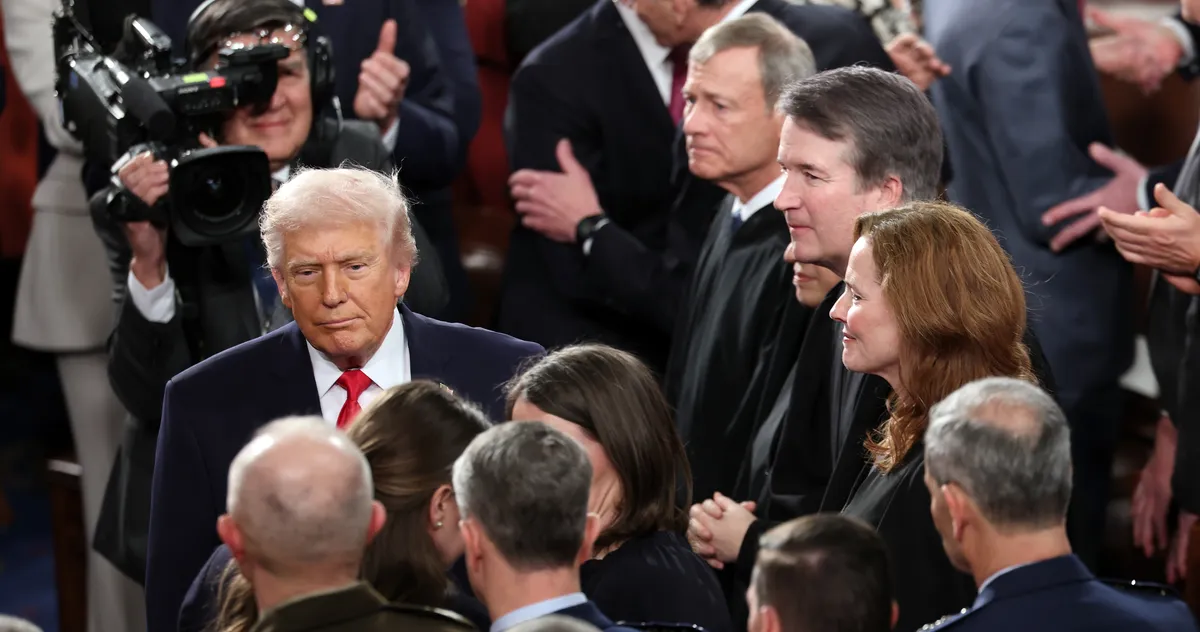
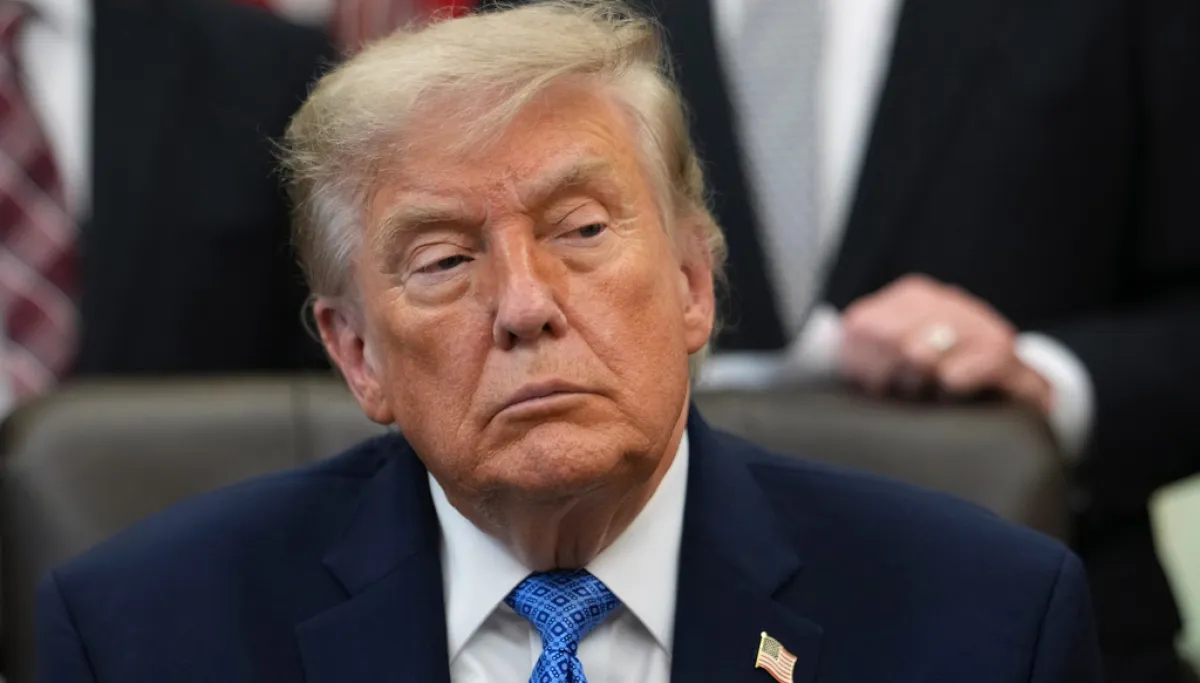
They are also incessantly dragged into the fray by Donald Trump, a president who has been as good as his promises to initiate massive constitutional disruption and who often even leverages cases he loses to sharpen his political ax.
Amid the Trump storm, the court is curating modern mores on social issues that may change the country’s character; remodeling aspects of the electoral system; and tackling culture-war controversies embedded in the president’s political project, such as transgender rights and who is entitled to be a citizen.
To a lay person, the court’s decisive voice on the country’s most intractable questions has often made it seem like a governing force itself, rather than the modest branch that Chief Justice John Roberts has said simply calls legal and constitutional balls and strikes. The contrast is stark between the dynamism of the court’s intellectual jousting and Congress, which has either forgotten how to legislate change or voluntarily ceded its power to the White House.