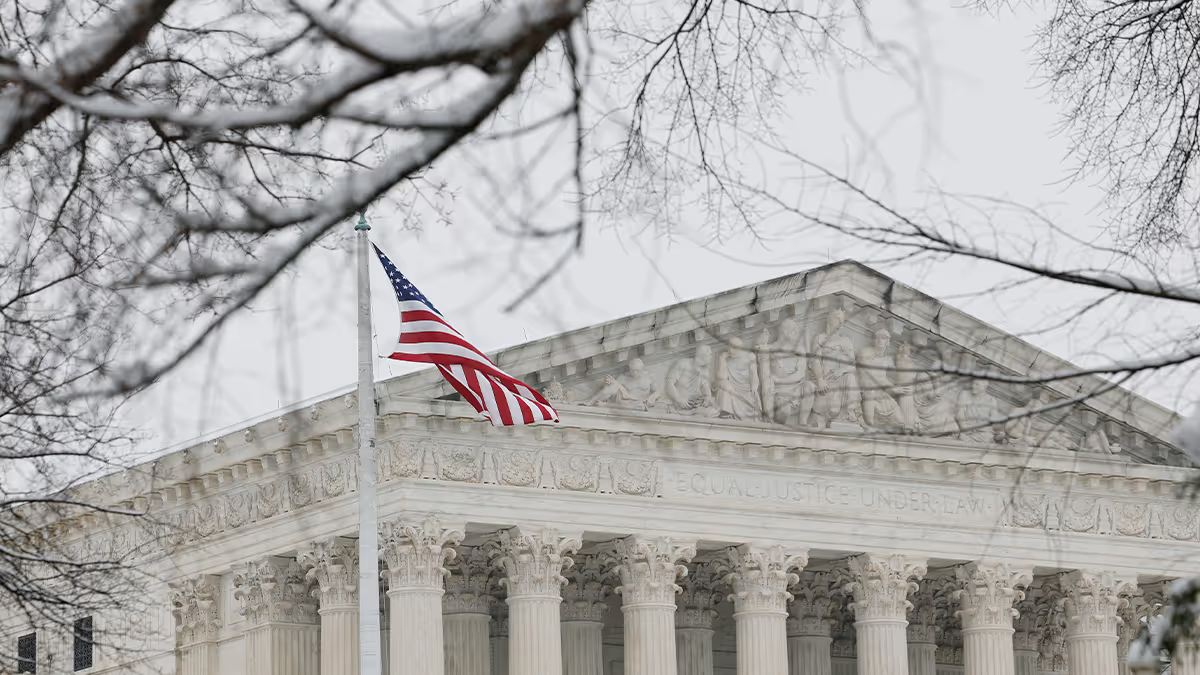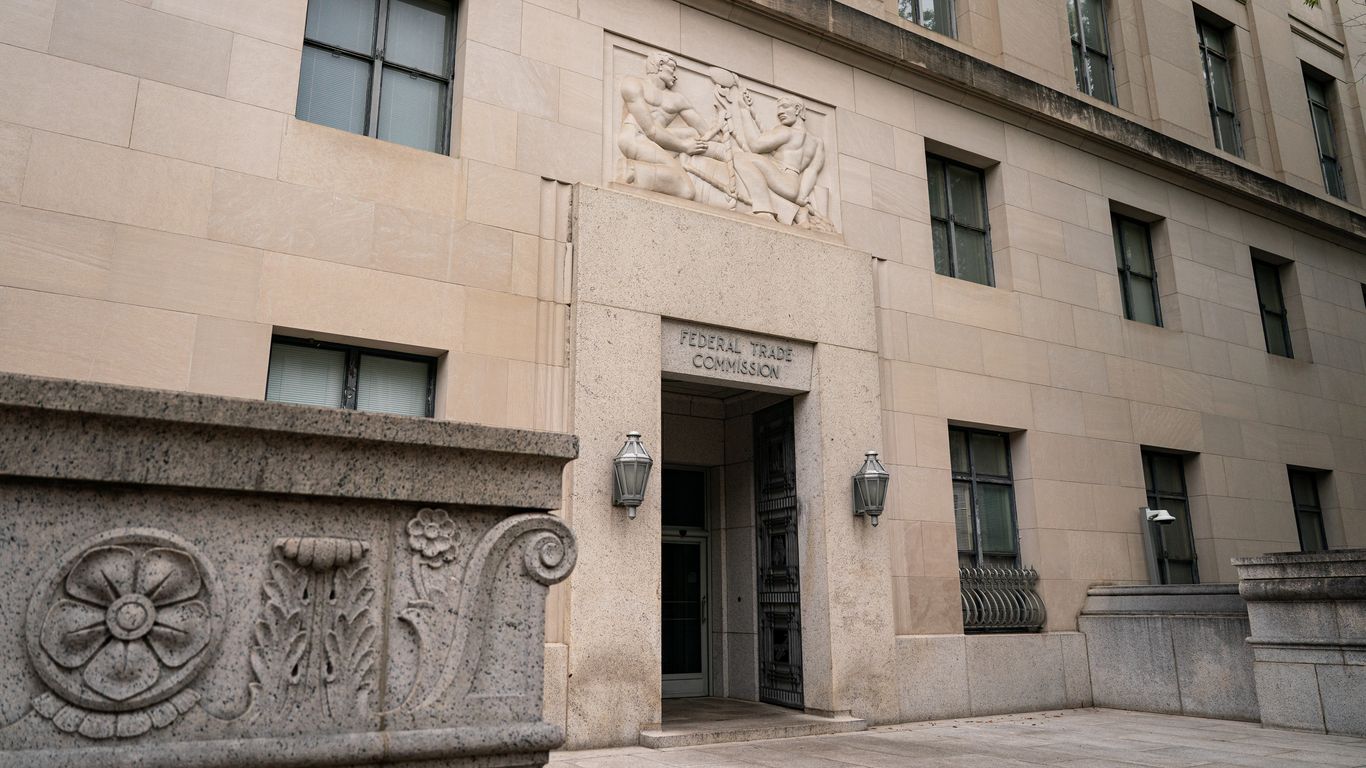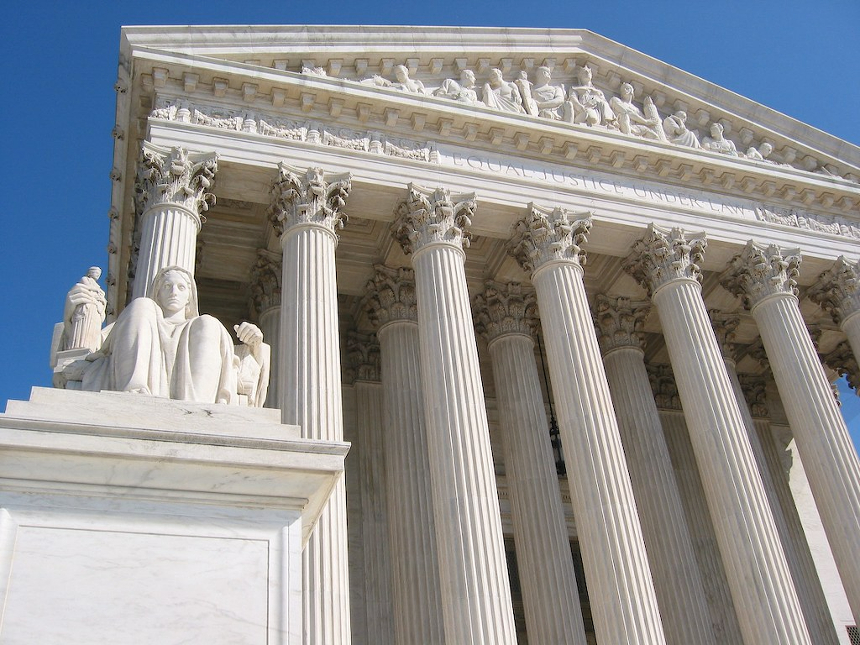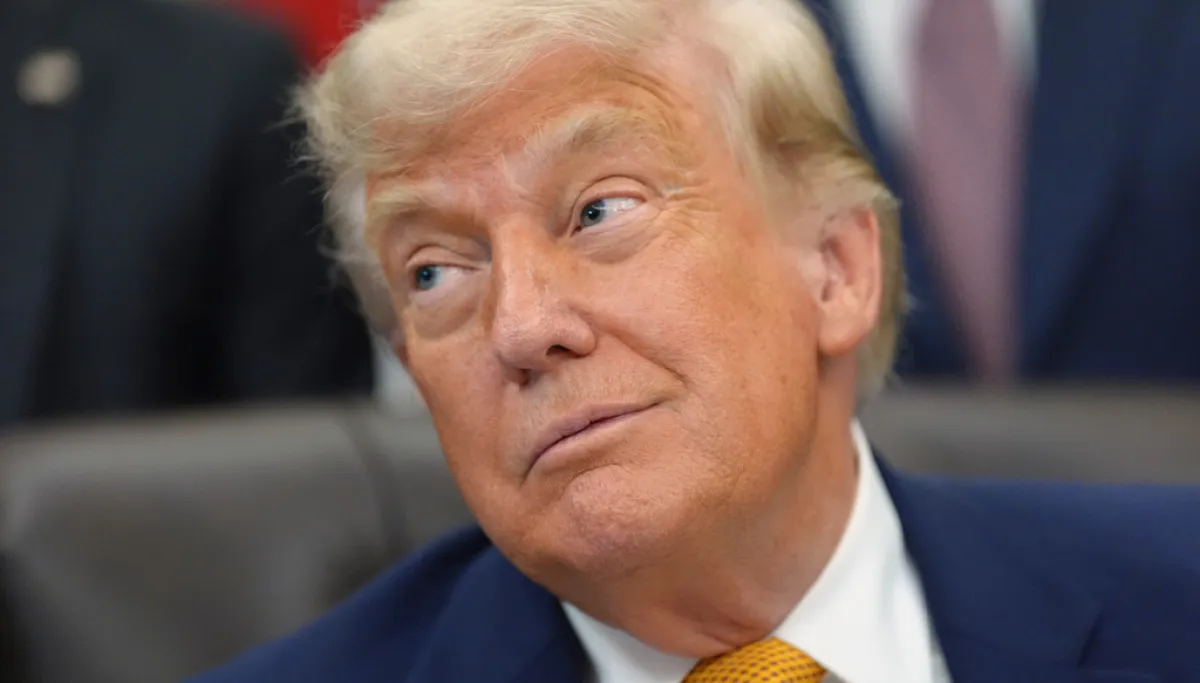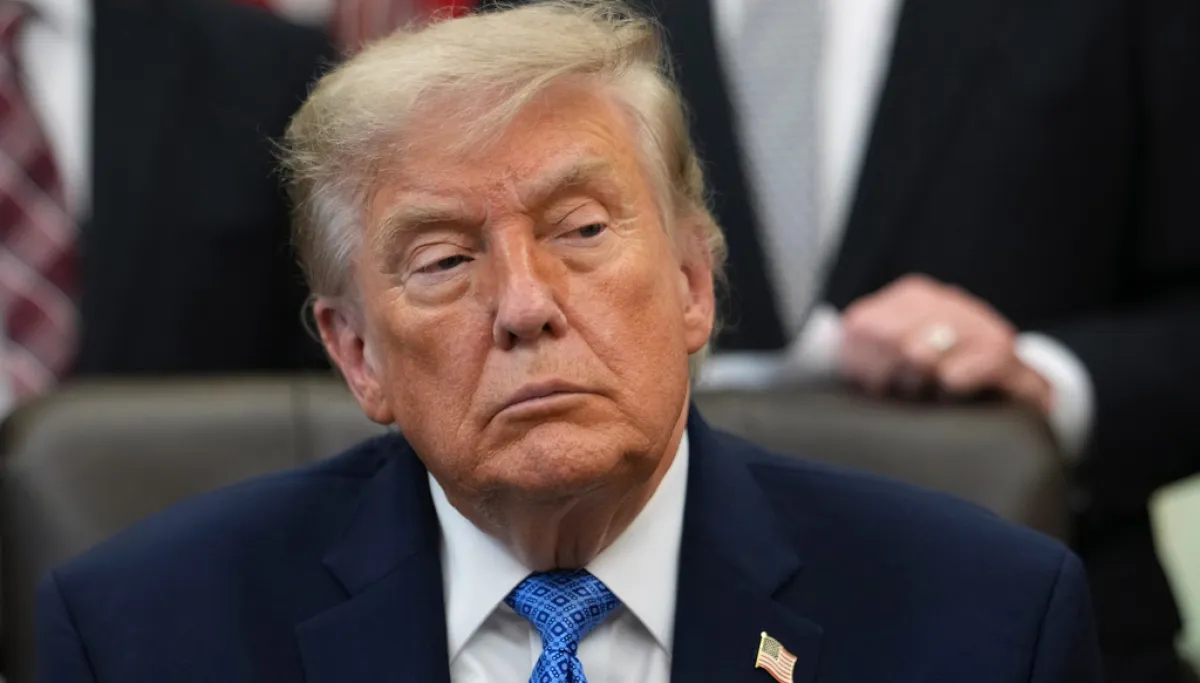
If the people running your business couldn’t be held accountable, how long do you think your company would survive? Probably not very long.Yet that’s the direction parts of our federal government have drifted for years. Unelected officials have gained enormous authority to write rules, enforce regulations, and reshape the way Americans do business. Often, with little meaningful accountability to the leaders voters actually elect.This week, the Supreme Court reminded Washington that isn’t how our Constitution works. Its decision in Trump v. Slaughter wasn’t simply about whether the president could remove a Federal Trade Commission commissioner. It was about something much bigger: Who is ultimately accountable for the power exercised by the executive branch?
COURT SLAUGHTERS MYTH OF ‘INDEPENDENT’ AGENCIES: TRUMP CAN FINALLY FIRE BUREAUCRATSThat question may sound like constitutional trivia. It isn’t.Every regulation affecting the business down the street, every workplace mandate, every compliance requirement that lands on an employer’s desk begins with someone exercising government power. Americans deserve to know those officials ultimately answer to leaders they elected. That principle should matter regardless of who occupies the White House.At the Christian Employers Alliance, we call this Operational Freedom — the ability for employers to operate under a system that is accountable, predictable, and rooted in the rule of law. Businesses don’t thrive when the rules change faster than they can adapt. They thrive when government is transparent, leadership is accountable, and employers know the standards they’re expected to meet tomorrow won’t be rewritten without consequence.That’s why this ruling reaches far beyond the FTC.Federal agencies such as the Equal Employment Opportunity Commission have increasingly issued mandates that place Christian employers in an impossible position, forcing them to choose between complying with evolving government directives and operating according to their deeply held religious convictions.No employer should have to choose between earning a living and living out deeply held convictions.Religious liberty isn’t confined to Sunday mornings. It protects the freedom to live consistently with one’s beliefs throughout every aspect of life, including running a business, serving customers, and caring for employees. When agencies expand their authority without meaningful accountability, those freedoms become easier to erode.The court’s decision doesn’t eliminate federal agencies, nor should it. Agencies perform essential work on behalf of the people every day. But those exercising executive power should ultimately remain accountable to the elected president, who is accountable to the people.That isn’t a partisan concept. It’s a constitutional one.For employers, accountability isn’t an abstract legal theory. It’s the difference between planning for growth and planning for uncertainty. It’s the confidence to hire another employee, expand into a new market, or invest in a new product without wondering whether an unelected agency will suddenly rewrite the rules.Small business owners understand accountability better than most. They answer to customers, employees, lenders, investors, and their communities every single day. If they make poor decisions, they live with the consequences. Government should be no different.The Supreme Court’s decision in Trump v. Slaughter won’t resolve every debate over the size and scope of the administrative state. Nor will it end ongoing disagreements over workplace regulations or religious liberty. But it does reaffirm something fundamental: Power must always answer to the people.Every American expects accountability from the businesses they patronize. We expect it from our schools, our nonprofit organizations, and our local leaders. We should expect no less from our federal government.TRUMP WELCOMES EXPANDED EXECUTIVE POWER TO PUSH OUT FEDERAL EMPLOYEESThe Supreme Court’s decision answers a question that has become increasingly important in modern America: those who exercise executive power should remain accountable to the people through the leaders they elect.That’s not a Republican principle. It’s not a Democratic principle. It’s an American principle.Margaret Iuculano is president of the Christian Employers Alliance, a national organization dedicated to protecting the rights of faith-driven employers and advancing religious liberty in the workplace. Christian Employers Alliance filed an amicus brief in Trump v. Slaughter, represented by Alliance Defending Freedom.