By dismantling the Deep State, Donald Trump may inadvertently have undermined his own claim to rule.
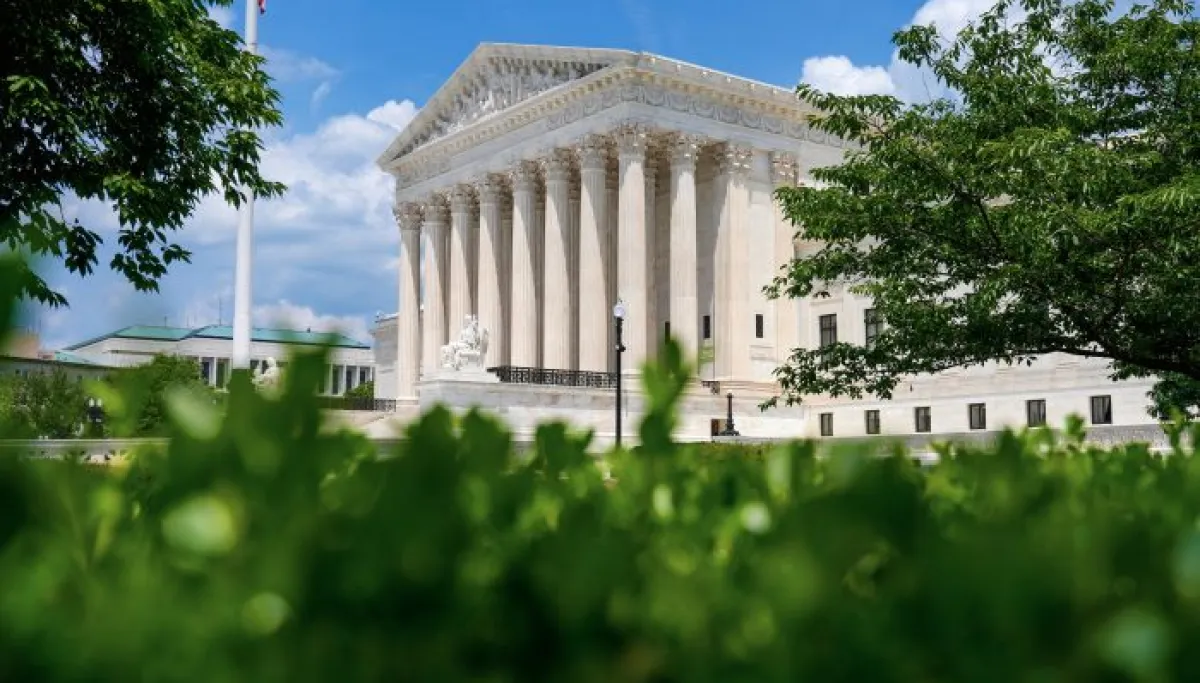
A chain of unintended consequences is visible in the Supreme Court case Trump vs Slaughter, due to be decided this month. It began with Trump’s firing of Federal Trade Commissioner Rebecca Slaughter in the early days of his second term. She sued, federal judges backed her and Trump sued back. He asserted the right to fire anyone he wants. Trump’s view is that the president is boss of the whole executive branch – there can no longer be bureaucrats and regulatory boards with special status and guarantees against firing. Americans get to vote for the people who rule them. In that sense, Trump has been trying to make the country more democratic. But the issues look very different today than they did when Ms. Slaughter first got fired.
Back then, the freshly elected President, emboldened by Elon Musk and credibly promising efficiencies, was backed by half of voters. Even nine months ago, when Trump filed his case, it looked strong. But by this spring, he had shown himself weak enough to get dragged into a war in Iran in which the United States had no national interest, and erratic enough to threaten blowing the Islamic republic to Kingdom Come. Inflation has been mounting along with interest rates. Giving the President more scope to act no longer looks like such a great idea.