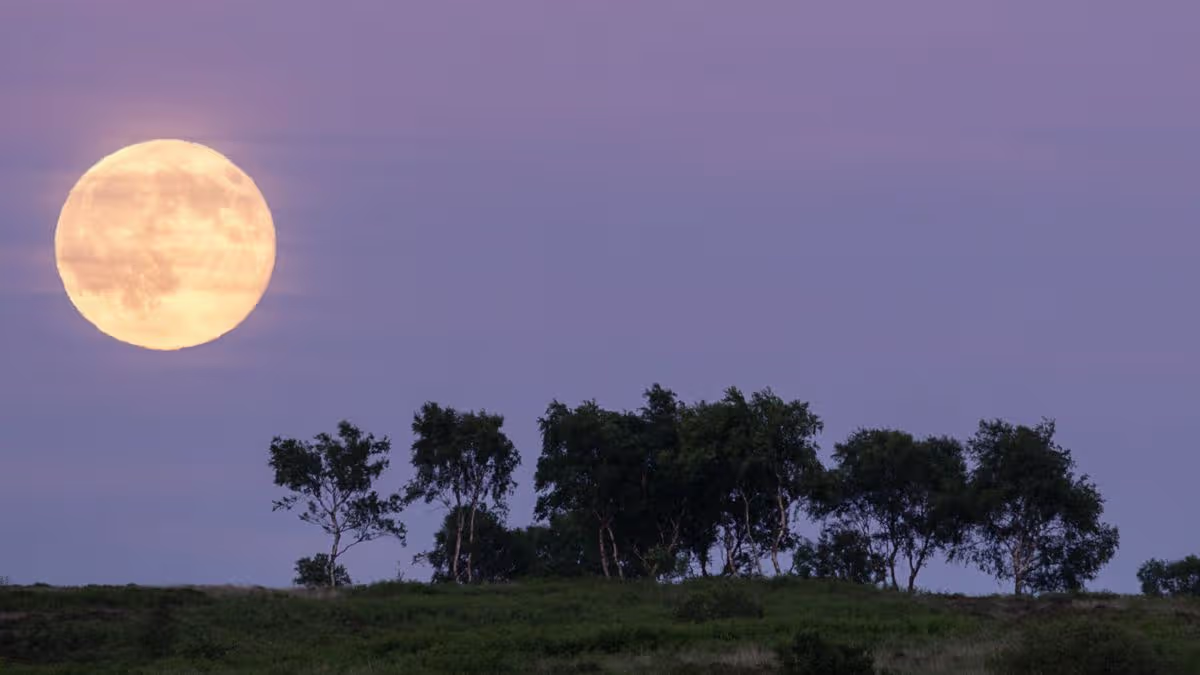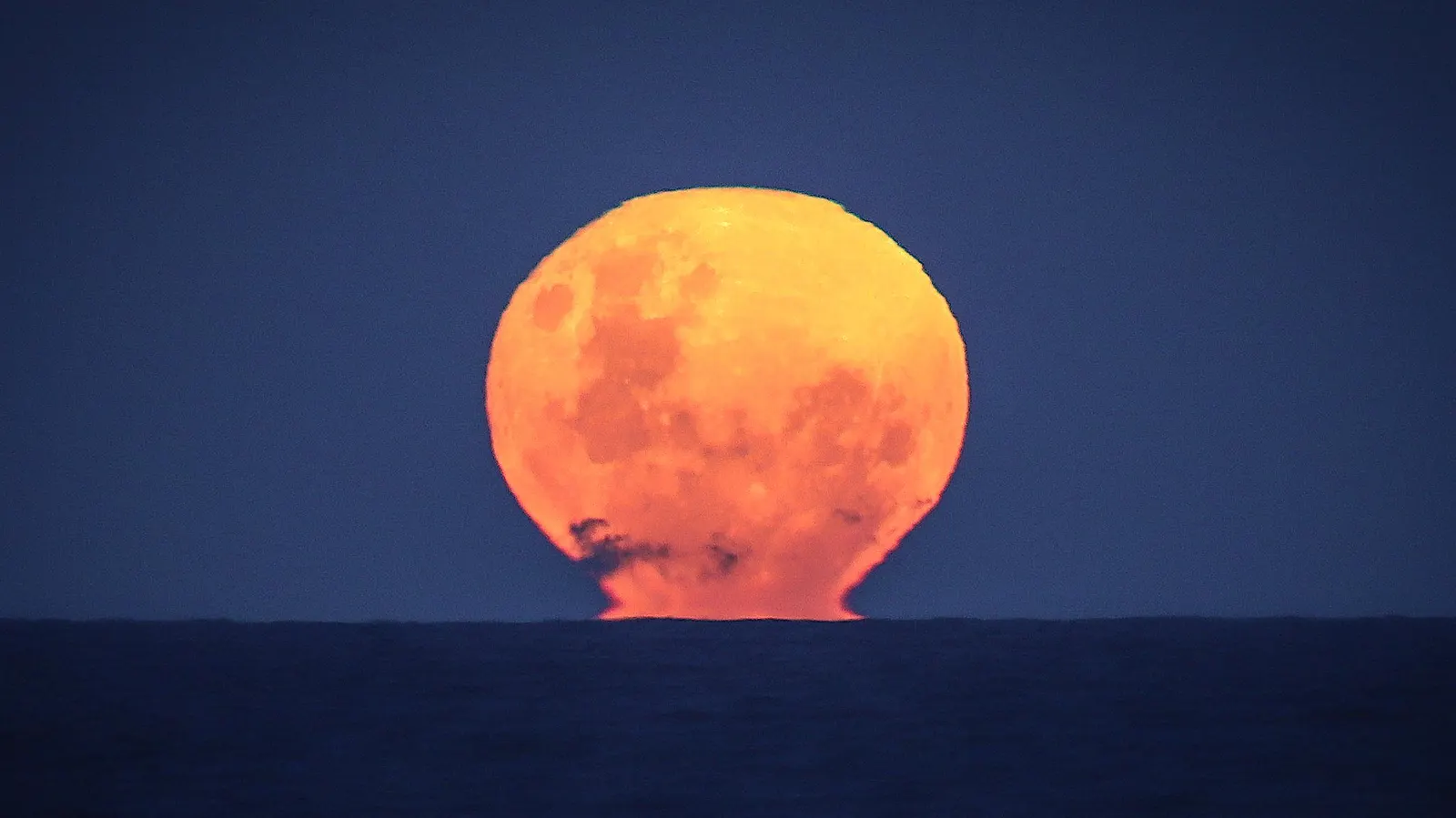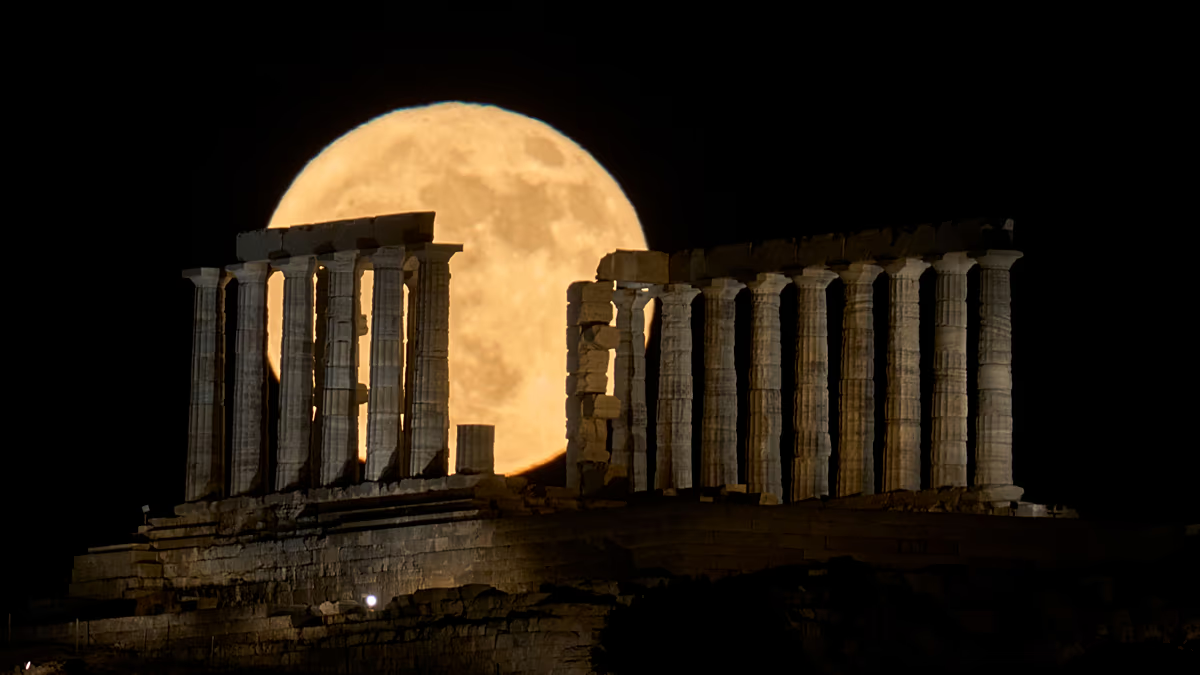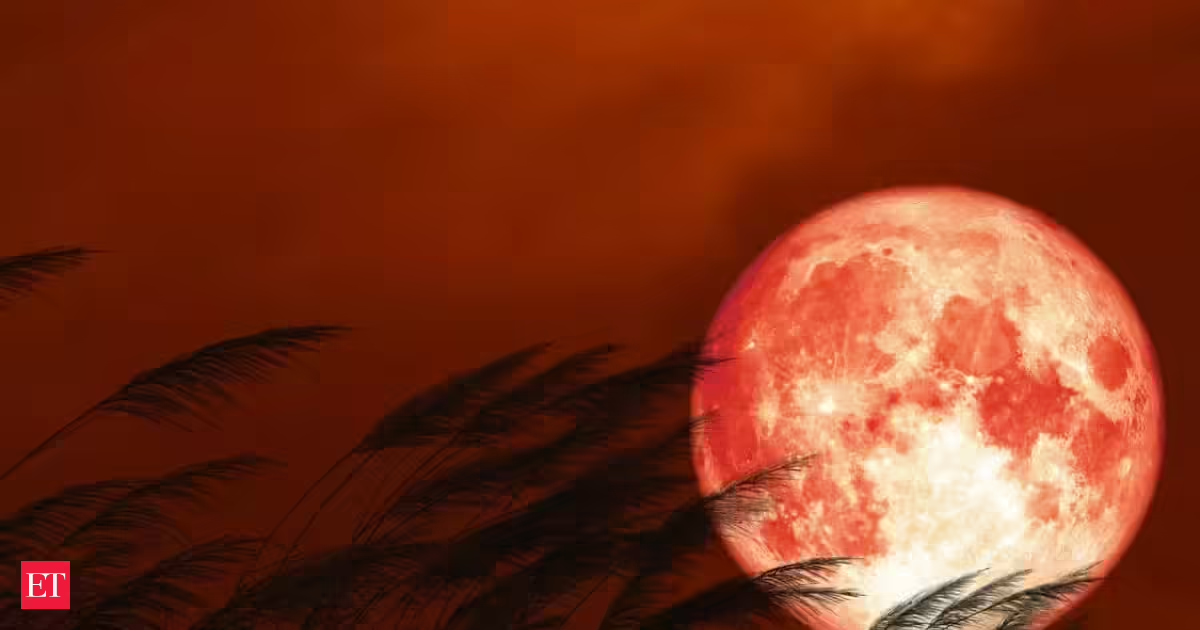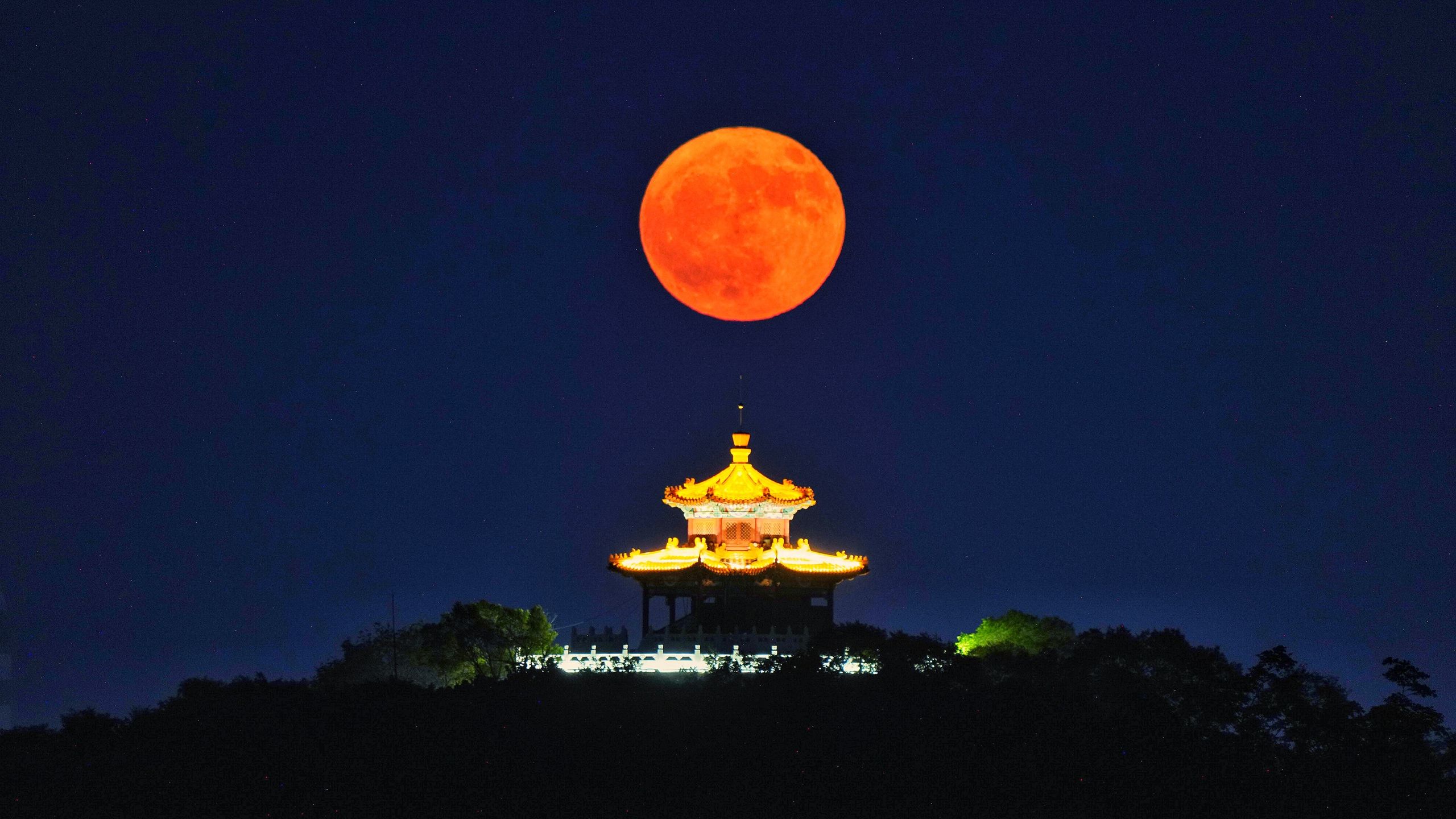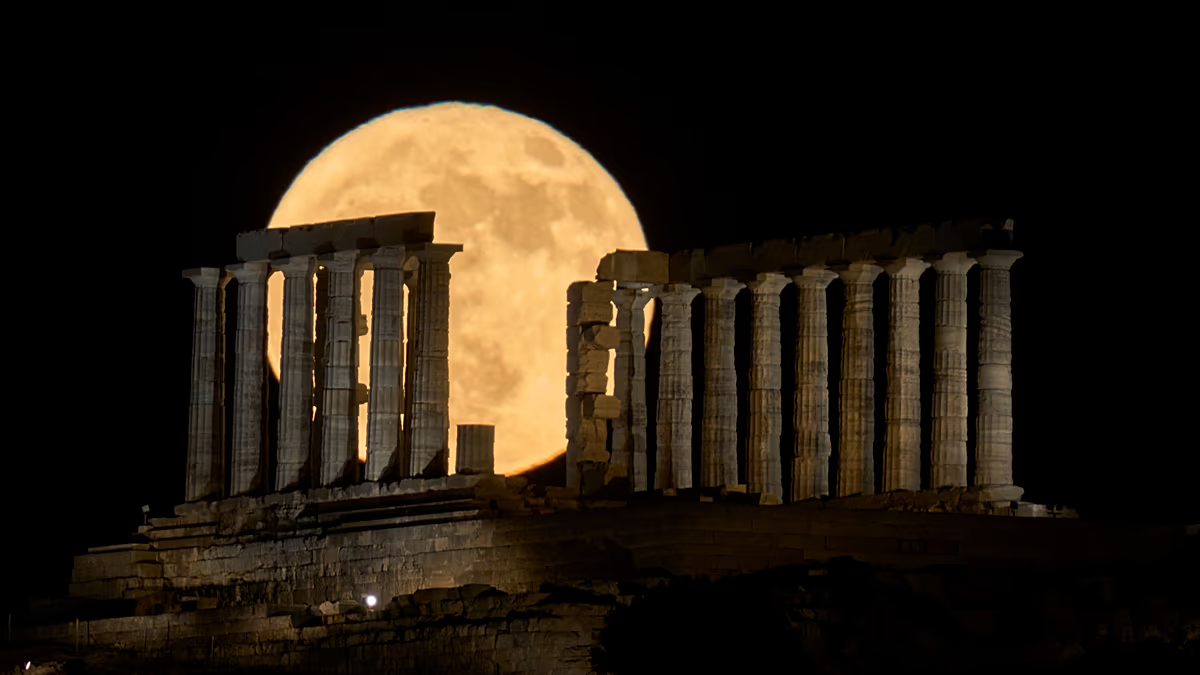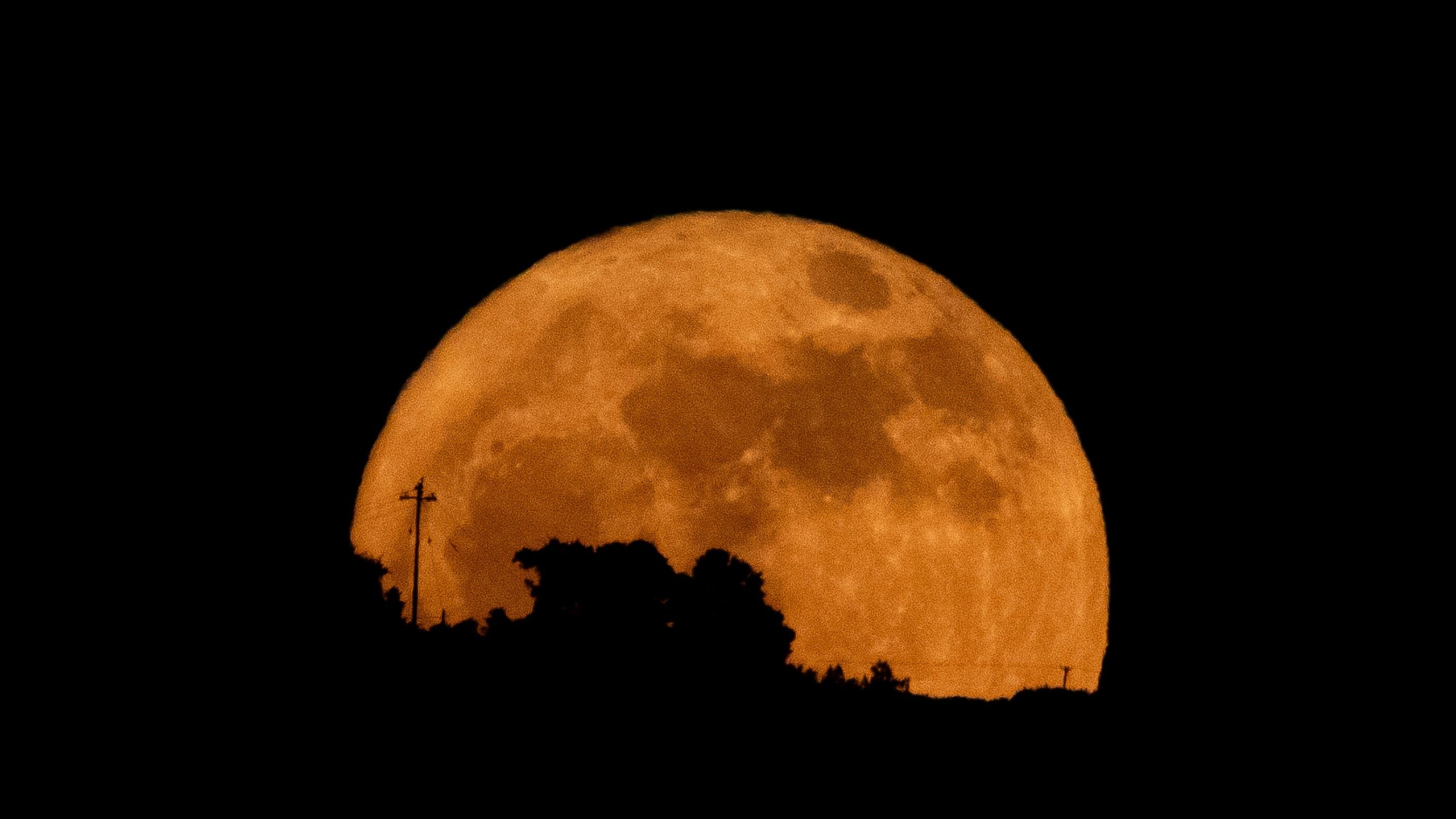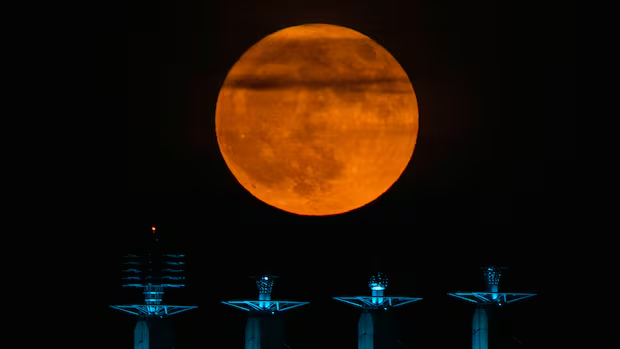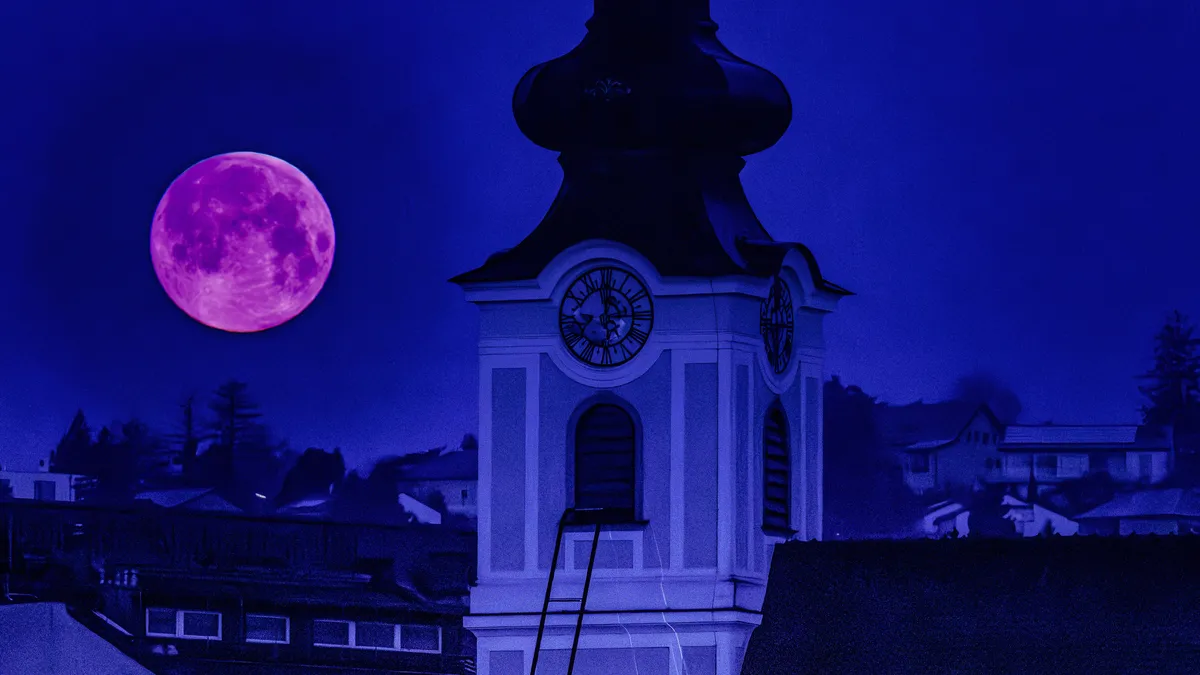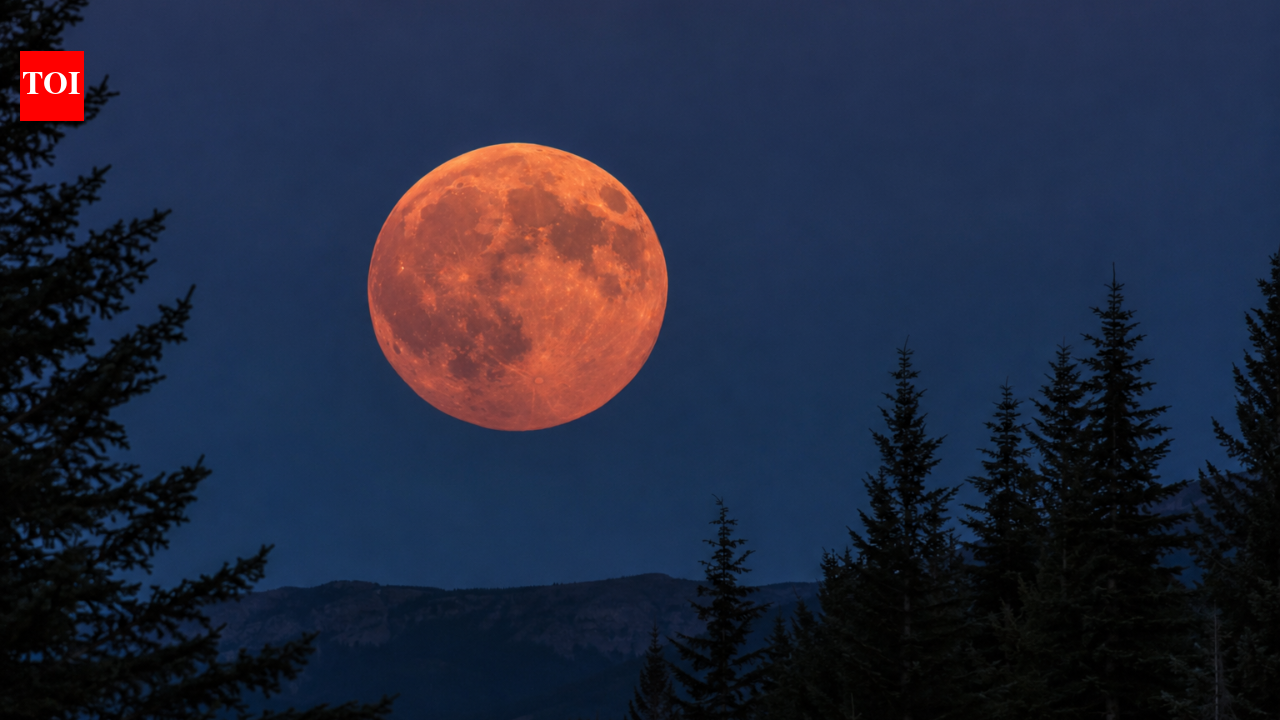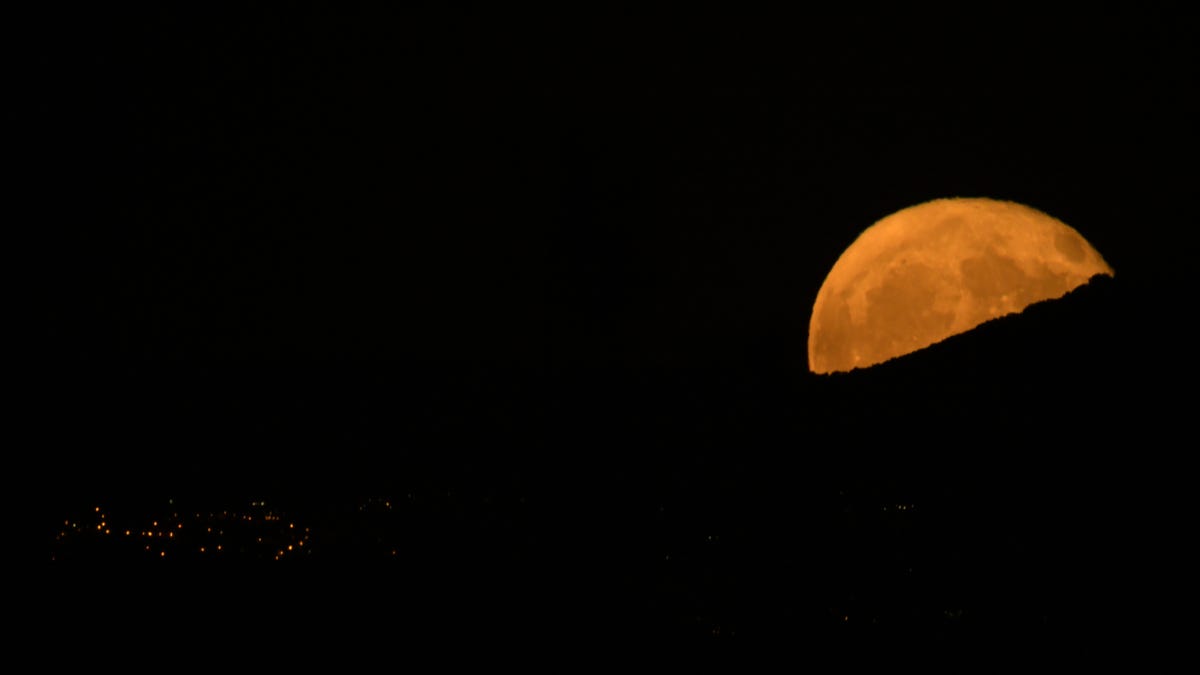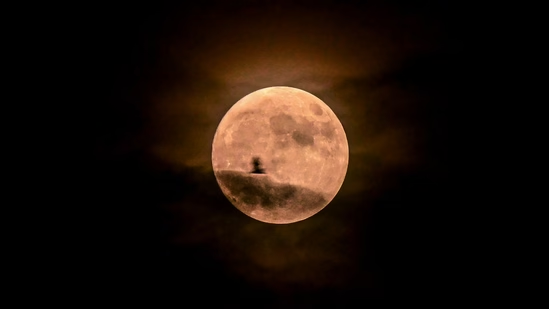
Skywatchers around the world got a chance to see June's full Strawberry Moon on Monday evening. The moon reached peak illumination at 7:56 pm ET and marked the first full moon of the astronomical summer.Despite social media posts referring to a "red moon," NASA says a normal Strawberry Moon does not naturally turn red. (PTI Photo)(PTI06_29_2026_000469B) (PTI)Although many people expected it to appear bright red or pink because of its name, astronomers say the Strawberry Moon is typically the same silvery-white color as any other full moon. If it appears reddish, the reason usually lies much closer to Earth than in space.This year's Strawberry Moon is also a micromoon, meaning it occurs when the Moon is near its farthest point from Earth in its orbit. As a result, it appears slightly smaller than an average full moon. However, the difference is difficult to notice to the naked eye.Read more: Why the June 2026 Strawberry Moon is considered the most powerful in 100 yearsWhy is the moon "red" today?Despite social media posts referring to a "red moon," NASA says a normal Strawberry Moon does not naturally turn red.A reddish or orange appearance usually occurs when the Moon is low on the horizon because Earth's atmosphere scatters shorter wavelengths of light.Smoke from wildfires, dust or pollution can also enhance the effect, making the Moon appear deeper orange or red for a short time after moonrise.Astronomers say June's full moon follows one of the lowest paths across the Northern Hemisphere sky. Because the full Moon always sits opposite the Sun, it mirrors the Sun's lowest winter path while the Sun itself follows its highest summer path.According to Space.com, this creates the familiar "low-hanging Moon" effect. The Moon rises well south of east, stays close to the horizon and appears unusually large because of the Moon illusion. This is an optical illusion caused by human perception rather than an actual change in size.Therefore, during the first 20 to 30 minutes of the moonrise, atmospheric scattering produced warm orange and golden tones before the Moon gradually turned its familiar white as it climbed higher into the sky.Read more: Strawberry Moon 2026: 5 important dos and don'ts you should followWhy is it called the Strawberry Moon?The name "Strawberry Moon" has nothing to do with the Moon's color. According to NASA and the Old Farmer's Almanac, it originated with the Algonquin tribes of northeastern North America to mark the short strawberry harvesting season during June.Other cultures have given the June full moon different names. Europeans traditionally called it the Rose Moon, while some Indigenous communities referred to it as the Hot Moon, reflecting the arrival of summer.The Strawberry Moon is a regular monthly full moon, unlike a Blood Moon, which only happens during a total lunar eclipse when Earth's shadow paints the Moon deep crimson. This year's event is not accompanied by a lunar eclipse.
What causes the Strawberry Moon? What color does it appear and why? Everything to know
Despite social media posts referring to a "red moon," NASA says a normal Strawberry Moon does not naturally turn red.
478 words~2 min read