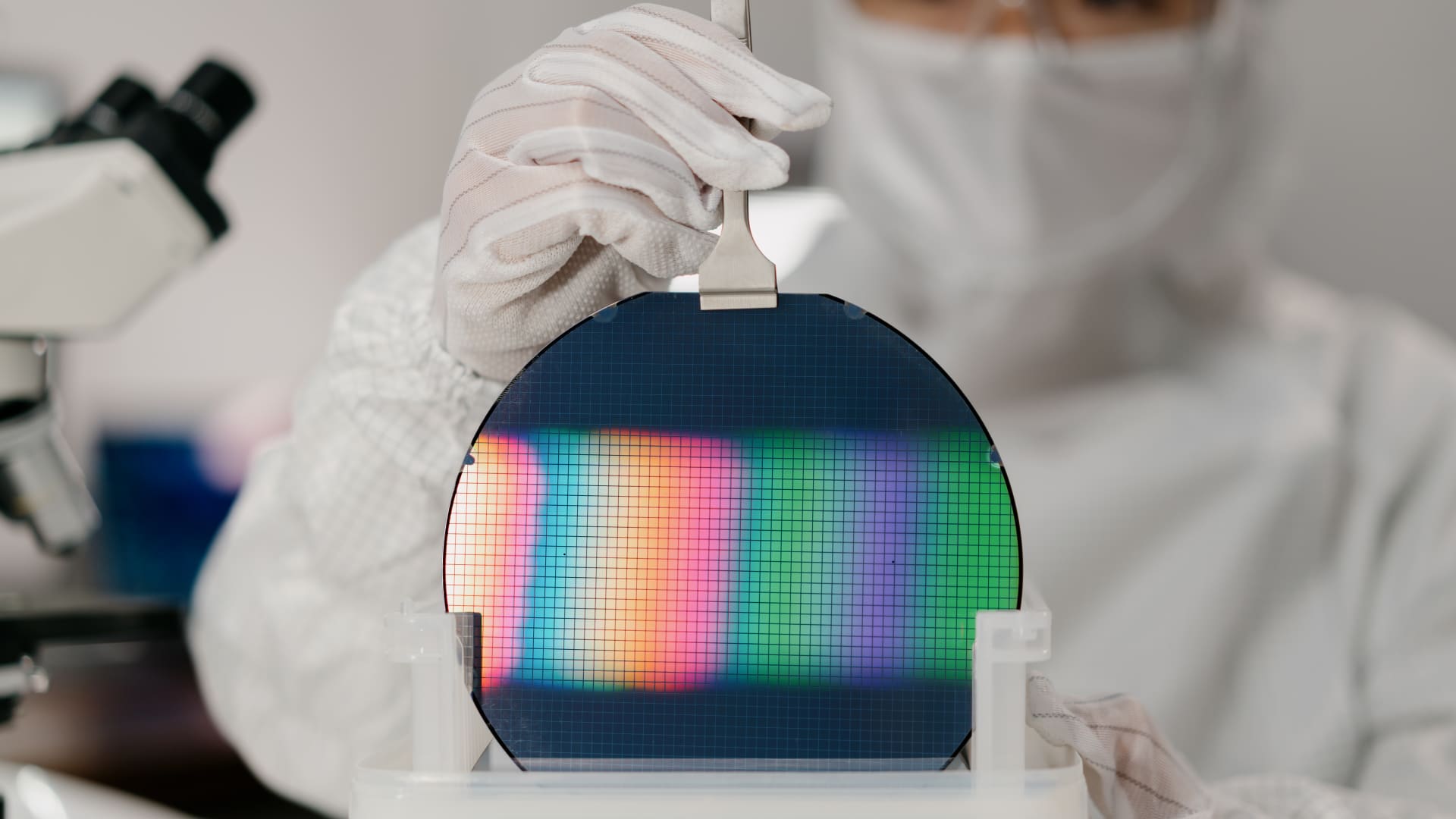
The logic behind US export controls on advanced chips was straightforward: cut off China’s access to the best hardware, slow down its AI development. Perplexity AI CEO Aravind Srinivas thinks that logic may be backfiring.
Speaking on the 20VC podcast on June 15, 2026, Srinivas laid out a counterintuitive argument: by forcing Chinese firms to innovate around hardware constraints, the US may have accidentally turbocharged the very competition it was trying to contain.
The unintended consequences of cutting off the supply chain
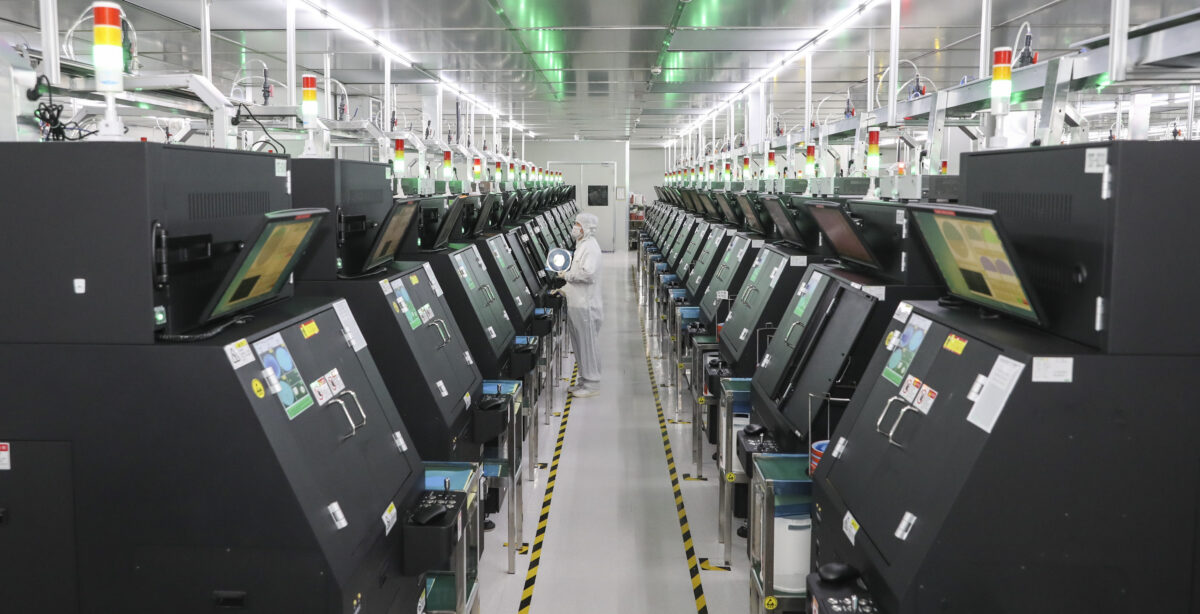
Srinivas pointed to DeepSeek as exhibit A. The Chinese AI lab has made significant advances in KV cache compression, attention mechanisms, and specialized training algorithms that allow its models to perform competitively without relying on the chips it can’t legally import. DeepSeek’s innovations also enable efficient hosting on SSDs, minimizing the need for high-bandwidth memory.
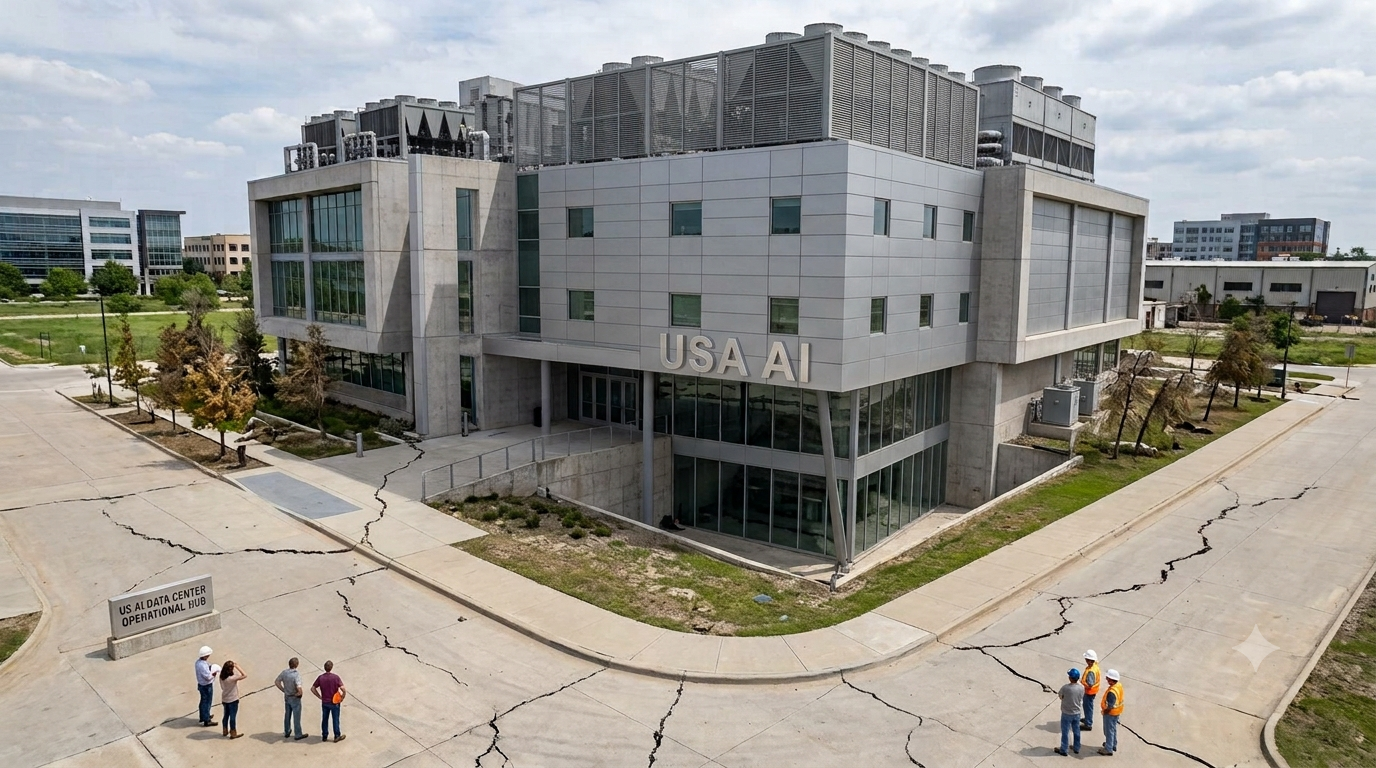
Srinivas noted that China can build data centers significantly faster than the US, largely because it faces fewer regulatory bottlenecks, power grid limitations, and labor shortages. The US, by contrast, is dealing with permitting delays and constrained electricity infrastructure that slow the pace of physical AI buildout considerably.