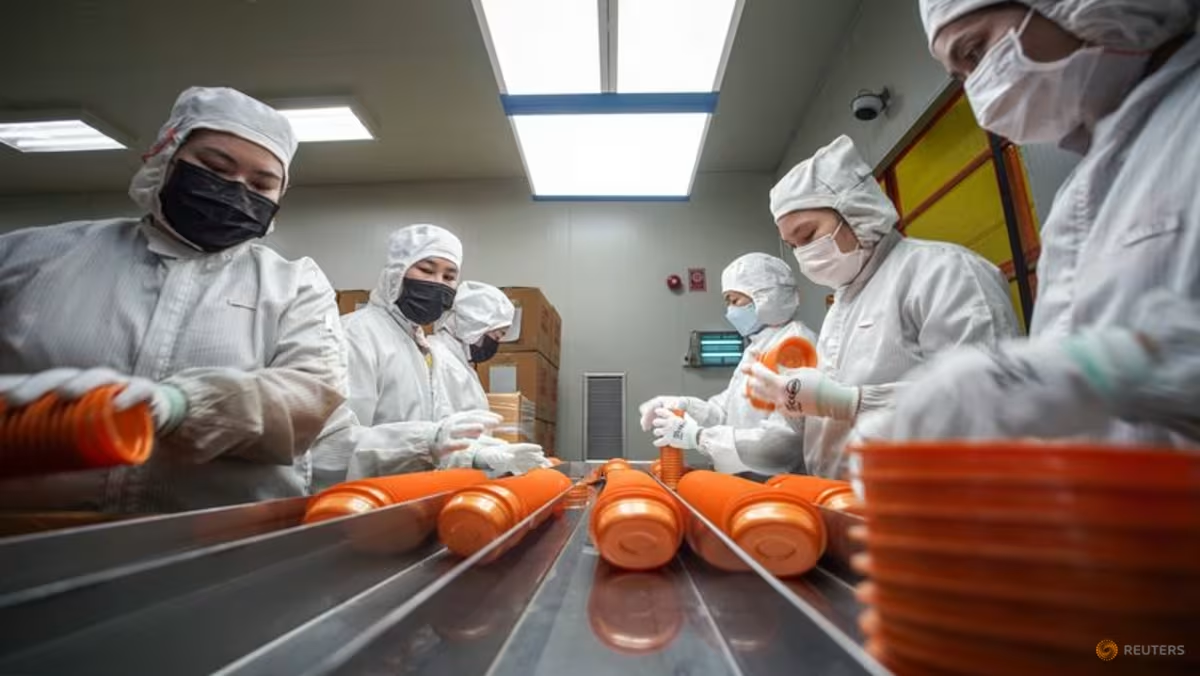
Geopolitical tensions have been disrupting global supply chains, increasing production costs and weighing on Thailand's economic growth, according to the Finance Ministry.Pisit Puapan, director of the Bureau of Macroeconomic Policy, a specialised division within the Fiscal Policy Office (FPO), said on Monday that the Thai Industries Sentiment Index (TISI) declined to 84.7 in May, down from 85.3 in the previous month, as business operators became increasingly concerned about the slowdown in the domestic economy and rising production costs.
Meanwhile, Thailand's Purchasing Managers' Index (PMI) stood at 52.6 in May, down slightly from 52.7 in April. Nevertheless, the PMI remained above the 50.0 threshold, indicating that the manufacturing sector continued to expand.
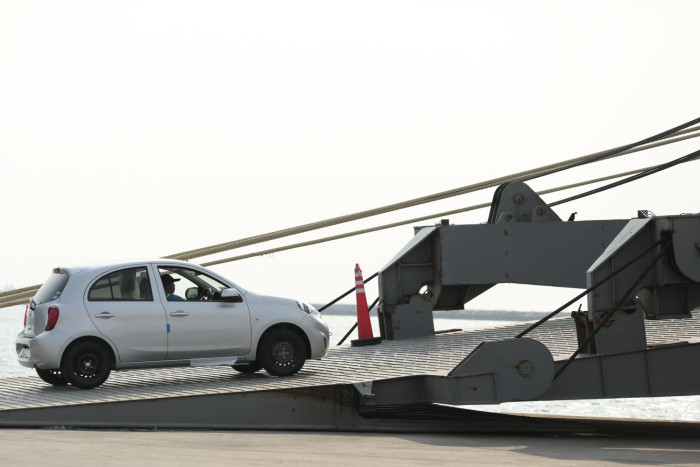
On Monday, the FPO released its May Economic Report, noting that indicators of private consumption, particularly in the durable goods category, remained positive. The number of newly registered passenger cars and motorcycles in May increased by 15.2% and 2.9%, respectively, compared with the same period last year.
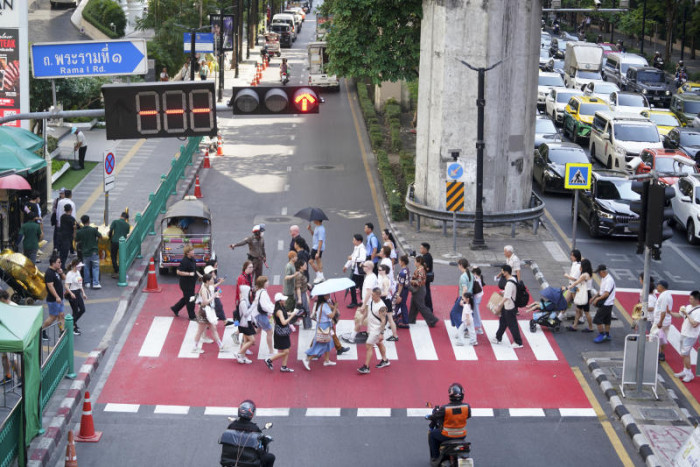
However, the Consumer Confidence Index declined to 49.5 in May, from 50.6 in the previous month, reflecting growing concerns over escalating geopolitical tensions, which have driven global oil prices higher in recent months.