Commentary
Iran is using its success in disrupting shipping through the Strait of Hormuz as leverage in negotiations. But leverage and long-term control are not the same thing, says a defence professor.
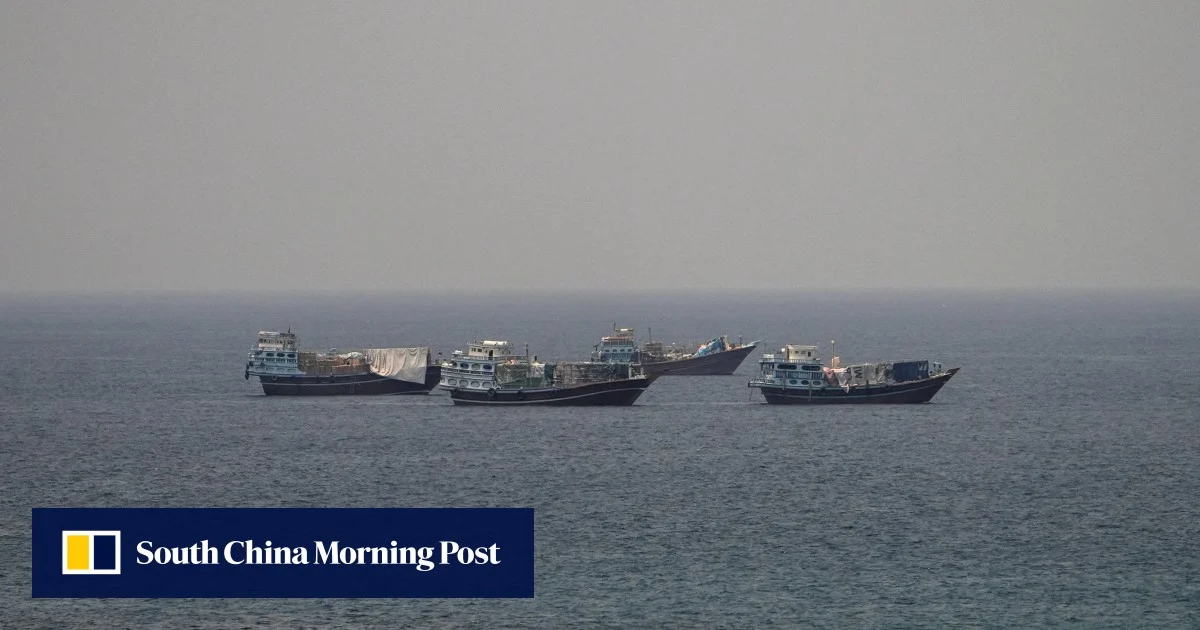
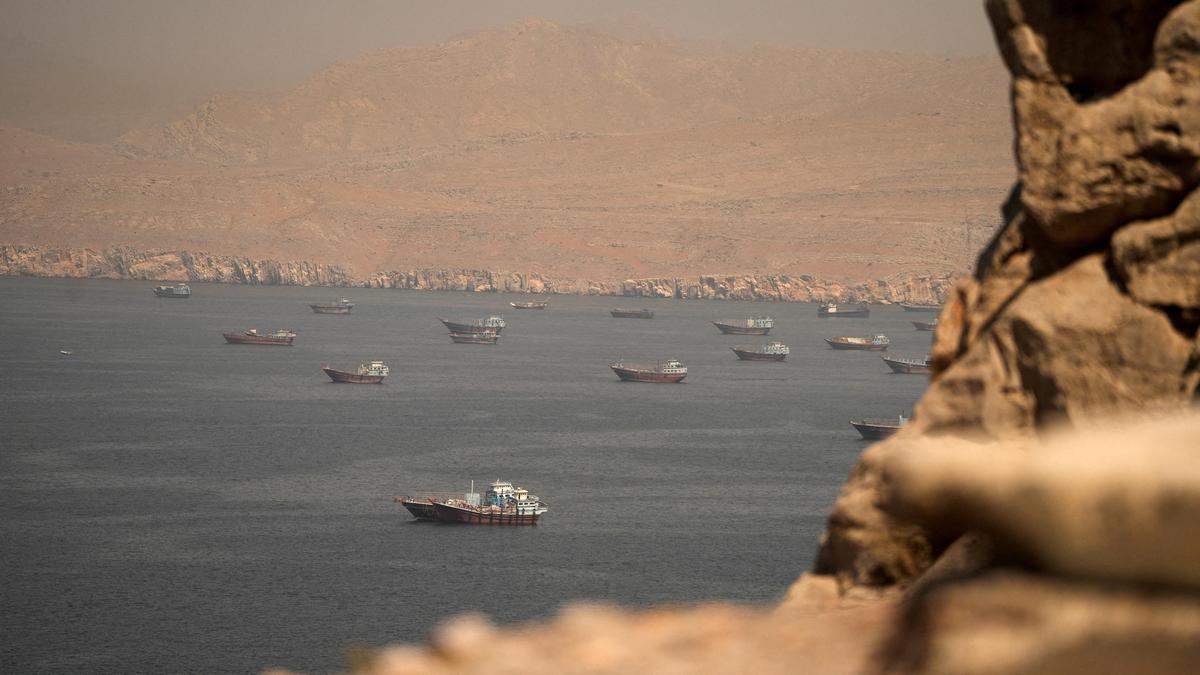
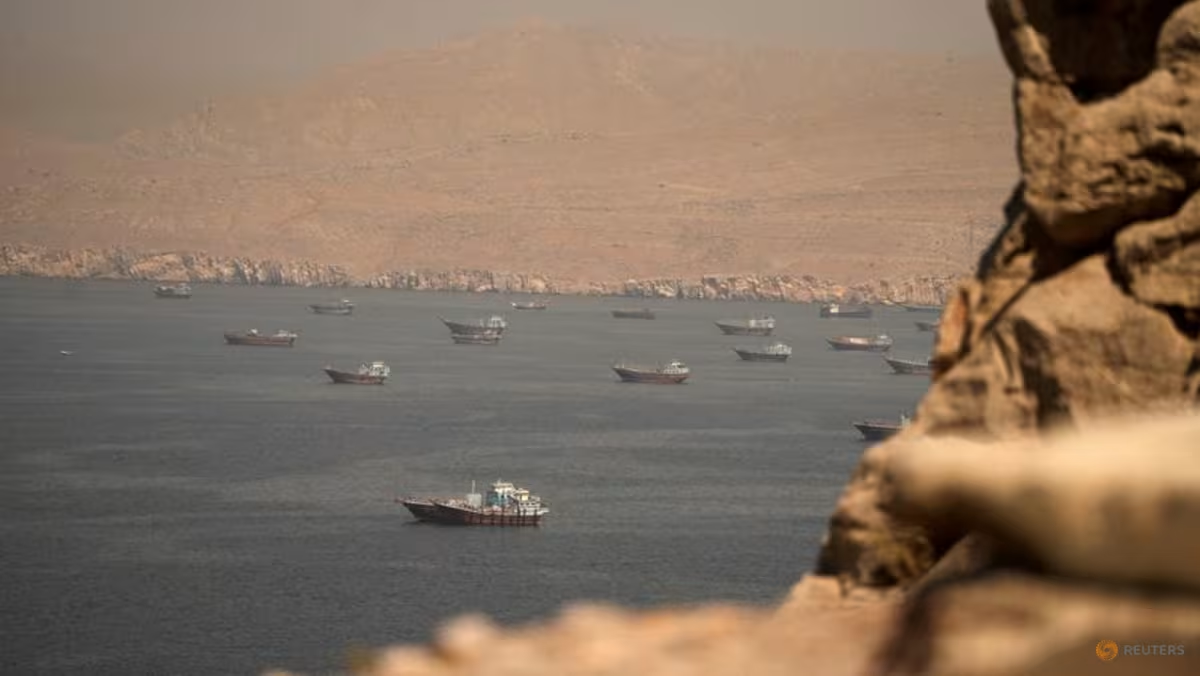
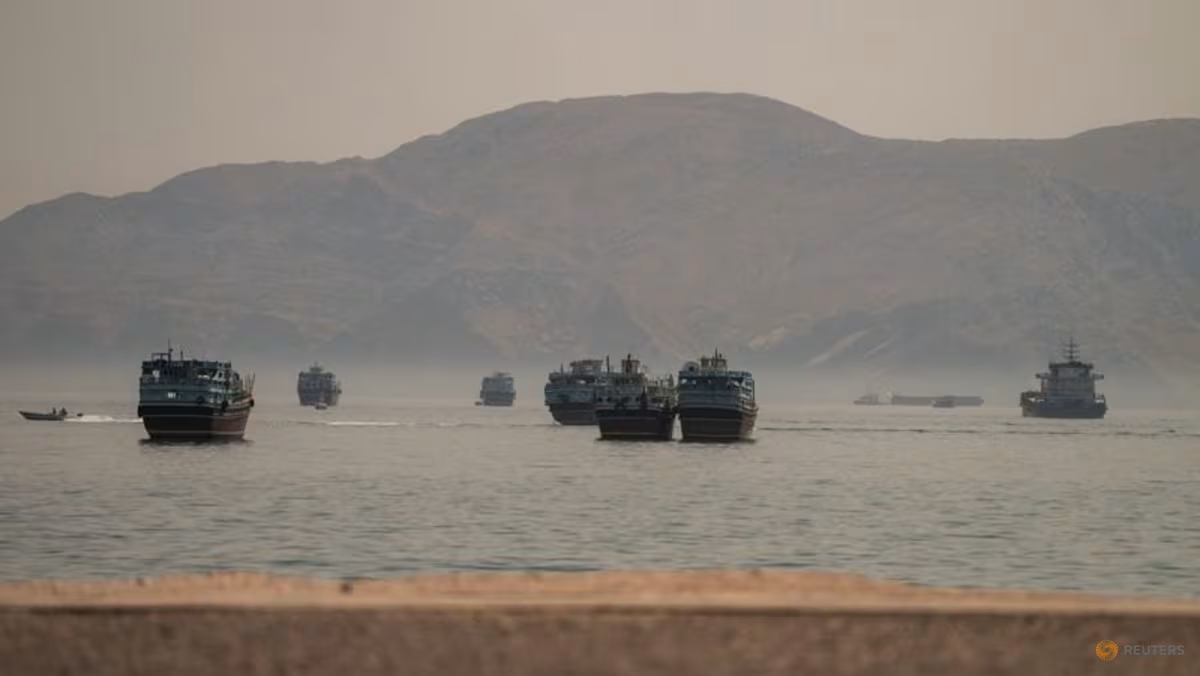
Vessels are anchored in the Strait of Hormuz, as seen from Musandam, Oman, June 19, 2026. REUTERS/Stringer
30 Jun 2026 05:59AM
CANBERRA: Tensions have again escalated in the Middle East, with the United States and Iran trading strikes around the Strait of Hormuz.It follows reports of an Iranian drone attack on a cargo ship trying to transit through the strait. Both the US and Iran have accused each other of breaking the agreed 60-day interim peace deal.Since Iran was attacked by the US and Israel, it has increasingly signalled its intent to make control of the Strait of Hormuz a permanent feature. This has raised fears that after the conflict, it could permanently impose tolls on the roughly 130 ships that transit the strait each day.While Iran may desire a guaranteed source of revenue, the region is unlikely to accept it tolling the strait. More importantly, it would not work. The Strait of Hormuz is not a canal.