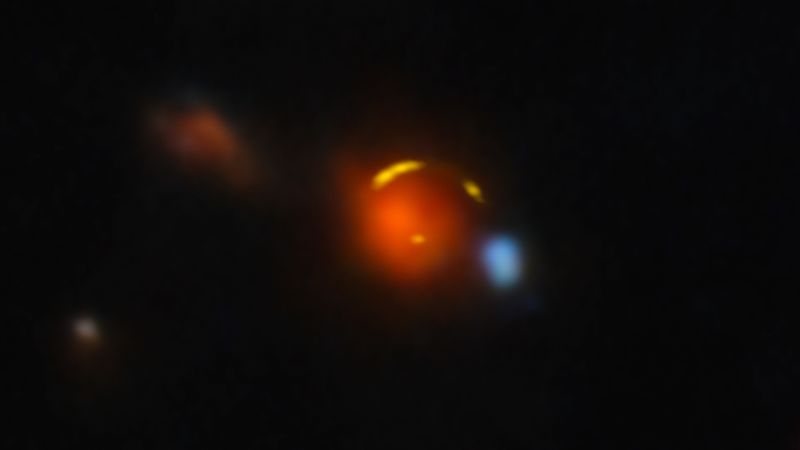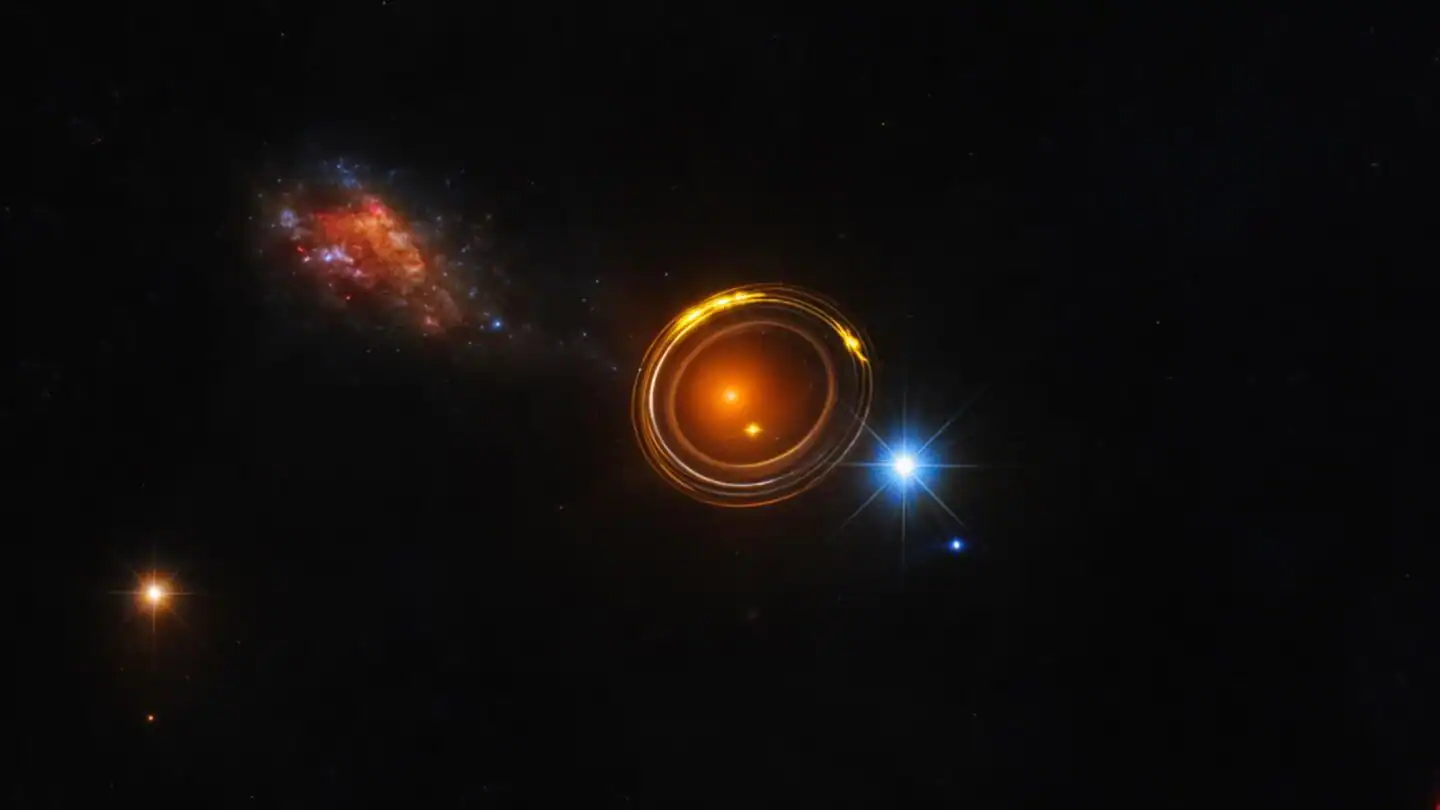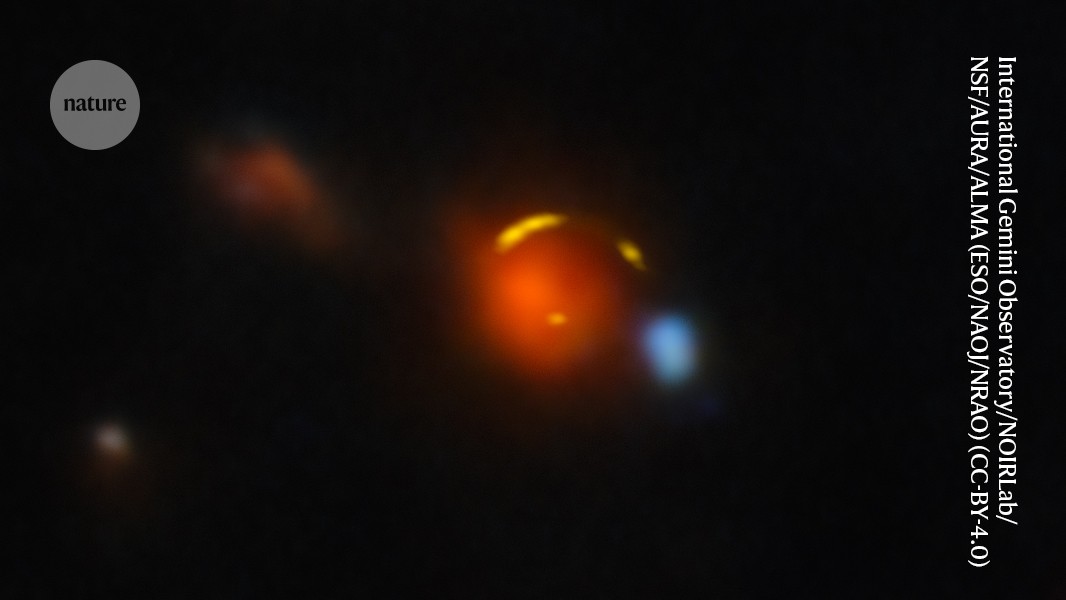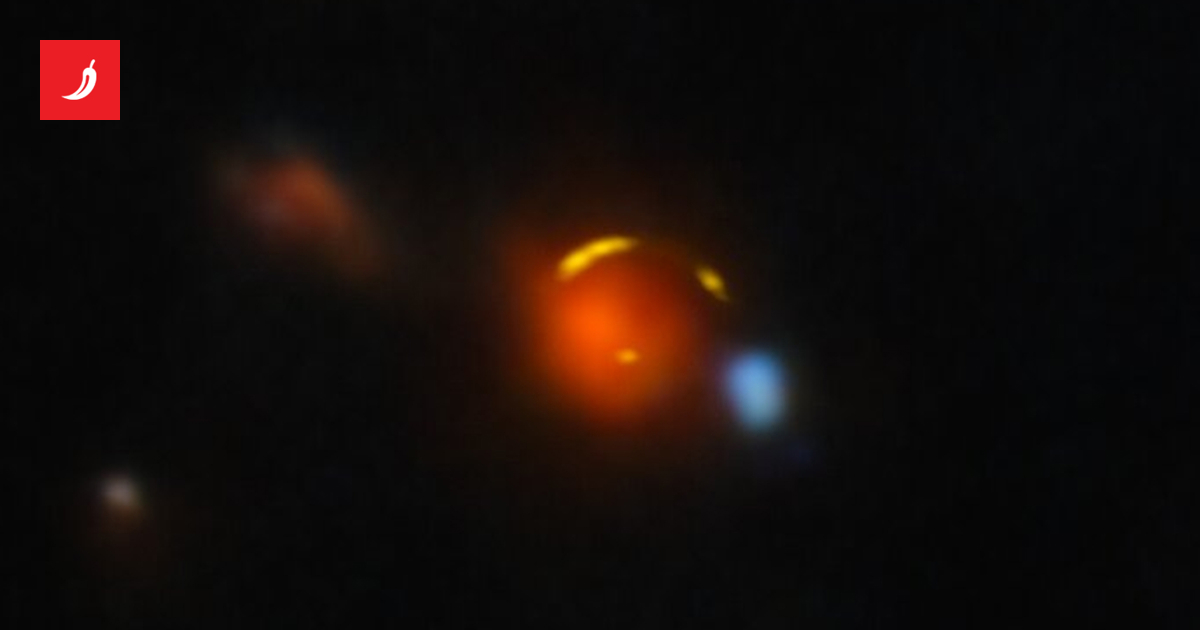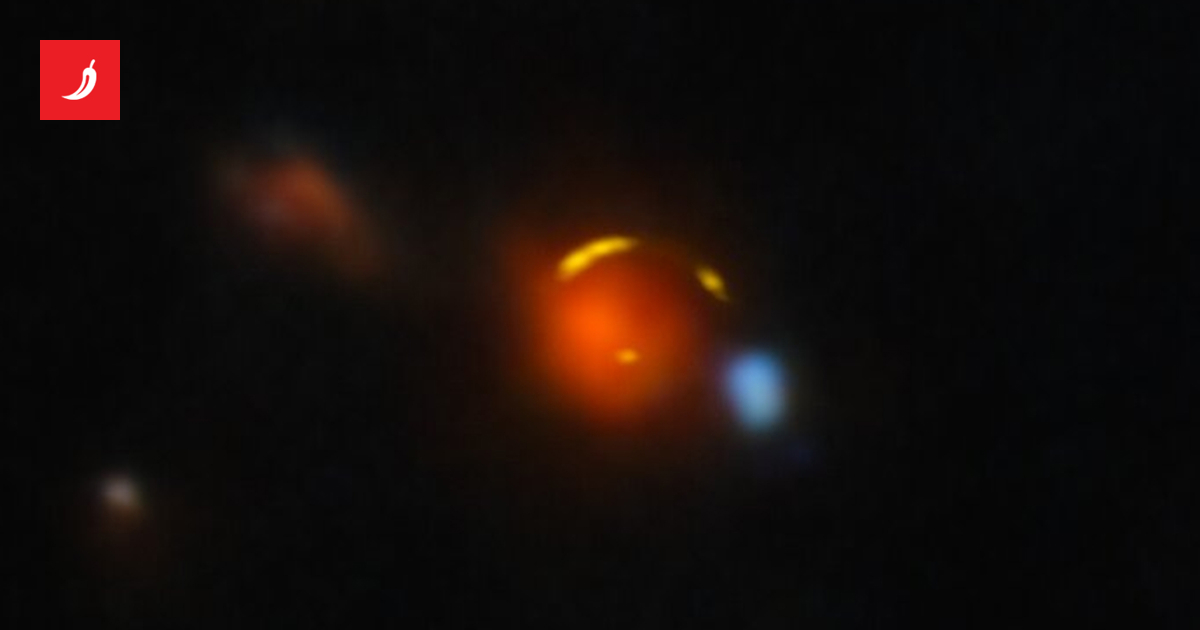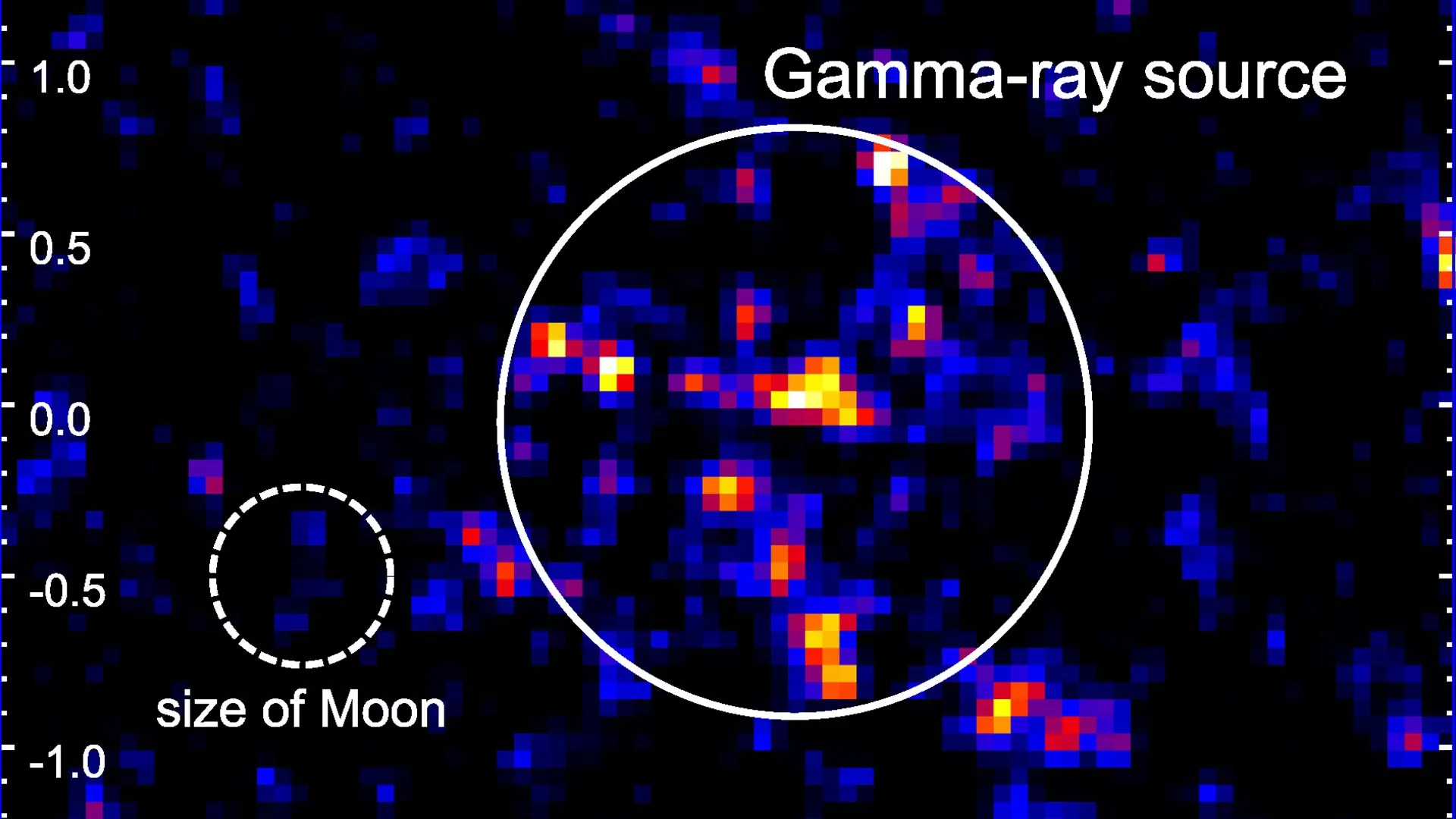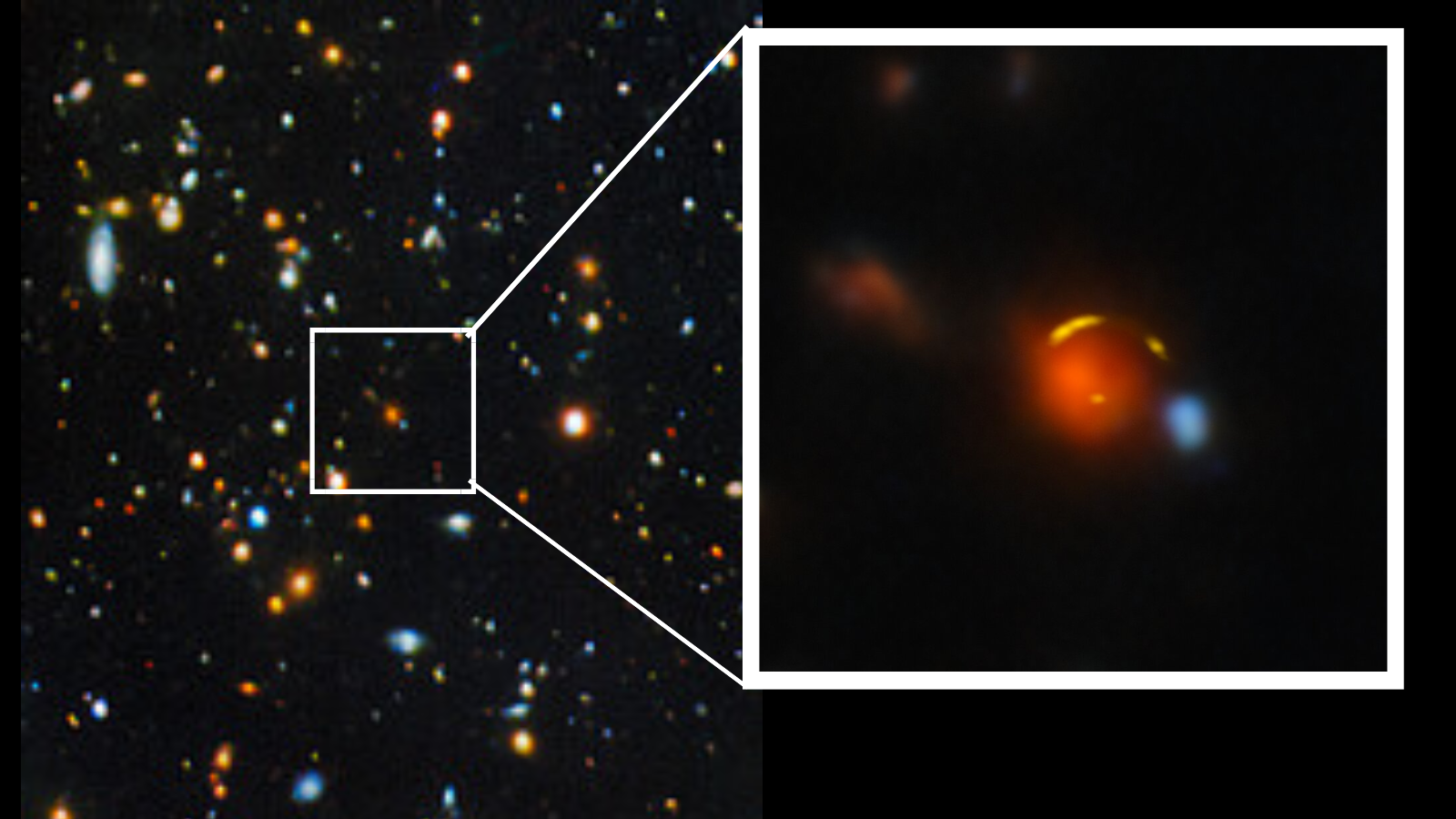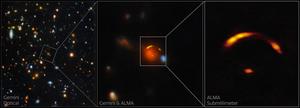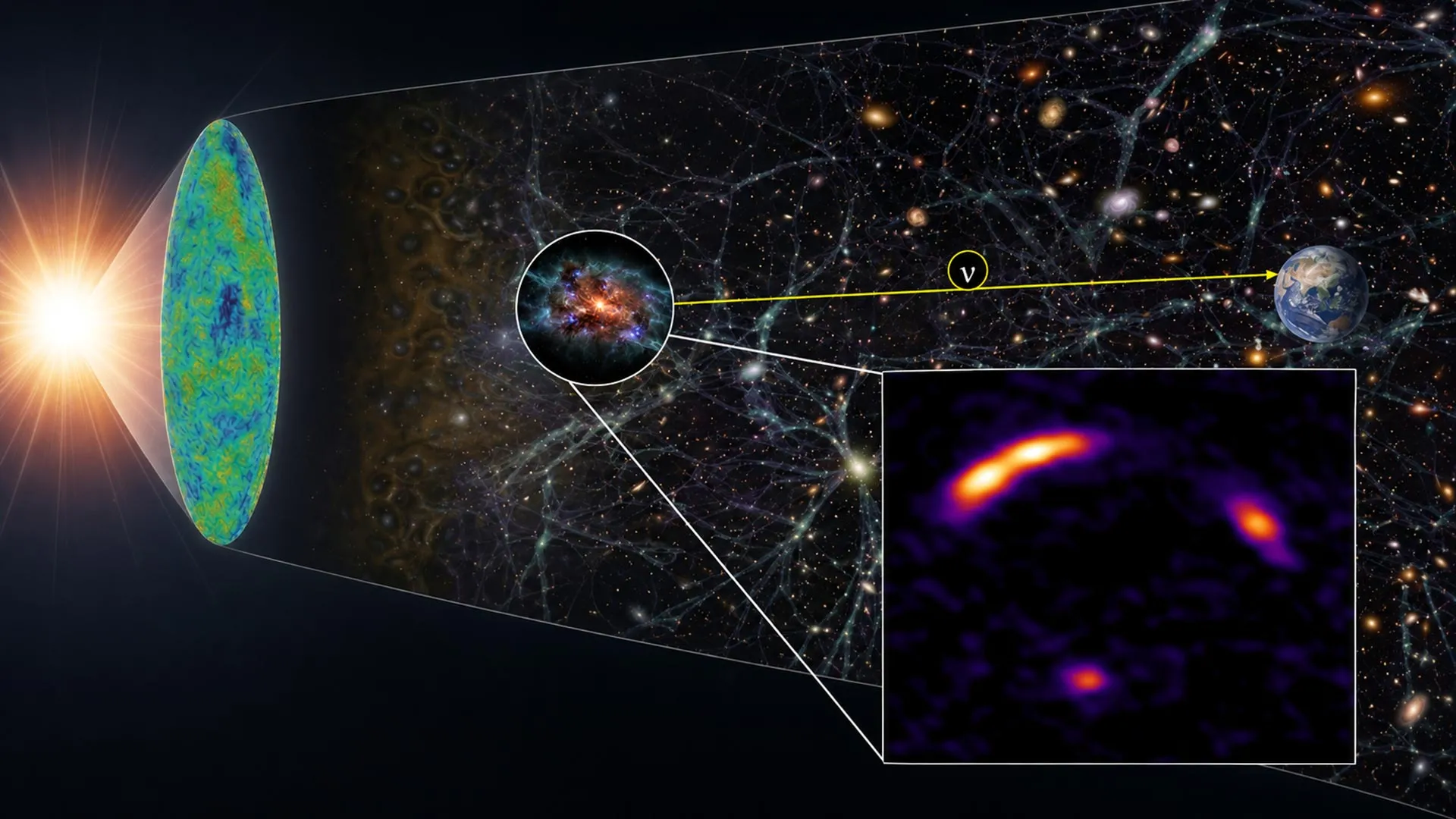
Hidden galaxy 11 billion light-years away: Scientists searching for the origin of one of the universe's most mysterious particles may have found an unexpected answer. A new study identifies a distant, dust-filled galaxy nicknamed "Shadow Blaster" as the strongest candidate for producing a high-energy neutrino detected beneath Antarctica in 2021, as per a report. If confirmed, the discovery could reshape scientists' understanding of where some of the universe's most energetic particles are born.A tiny particle led to a giant discoveryOn September 22, 2021, the IceCube Neutrino Observatory, buried deep beneath the Antarctic ice, detected a high-energy neutrino known as IC 210922A, as per an Eco News report.Neutrinos are often called "ghost particles" because they carry almost no mass, have no electric charge, and rarely interact with matter. Trillions pass through Earth and even through our bodies without leaving a trace. That makes them incredibly difficult to detect, but also valuable because they can travel across the universe almost undisturbed.After IceCube recorded the event, astronomers began searching the same region of the sky for the particle's possible source.A hidden galaxy emerged as the strongest candidateInitially, researchers found no obvious source such as a gamma-ray burst, supernova, or a black hole tearing apart a star.You Might Also Like:The breakthrough came when Yuji Urata of MITOS Science Co. LTD. in Taiwan and his team used the James Clerk Maxwell Telescope and the Submillimeter Array on Maunakea, Hawaii. Their observations identified a distant galaxy known as JCMT0402−0424, nicknamed "Shadow Blaster," as per the Eco News report.Located about 11 billion light-years away, the galaxy is heavily covered in dust, making it difficult to observe in visible light. However, it shines brightly in infrared and submillimeter wavelengths, allowing astronomers to study it using specialized telescopes.Nature provided a helping handScientists were also aided by gravitational lensing, a natural phenomenon in which a massive foreground galaxy bends and magnifies the light from a more distant one, as per the Eco News report.Follow-up observations with ALMA showed that Shadow Blaster was strongly lensed, creating multiple distorted images. Data from Gemini North helped researchers measure the foreground galaxy responsible for the magnification, allowing them to better understand the distant source.You Might Also Like:The observations revealed a compact central region packed with gas and dust where new stars are forming at an intense rate.Not the source scientists expectedHigh-energy neutrinos are often linked to active galaxies powered by supermassive black holes that launch powerful jets.Shadow Blaster appears to tell a different story. Researchers did not detect the bright X-ray or gamma-ray signals usually associated with an active black hole, as per the Eco News report. Instead, the galaxy seems to be driven largely by intense star formation inside dense clouds of gas and dust.Why rapid star formation mattersWhen stars form rapidly in a crowded environment, energetic events such as exploding stars can accelerate cosmic rays, high-speed particles that travel through space.You Might Also Like:If those cosmic rays repeatedly collide with dense gas, they can produce high-energy neutrinos.According to Yuji Urata, Shadow Blaster contains the type of gas-rich environment that models suggest can efficiently generate these particles, making it the strongest candidate source for IC 210922A, as per the Eco News report.Filling a gap in the cosmic puzzleIceCube has detected a steady background of high-energy neutrinos arriving from across the universe, but scientists have struggled to identify all of their origins.The new study suggests that compact, dusty star-forming galaxies like Shadow Blaster could account for up to roughly one-fifth of that background.While that does not explain every high-energy neutrino, it points researchers toward a new class of objects that may play a significant role.Combining different cosmic messengersResearchers say the discovery highlights the importance of "multi-messenger" astronomy, which combines information from particles like neutrinos with observations made using telescopes, as per the Eco News report.Light reveals one part of the universe, while particles reveal another. Together, they help scientists investigate distant objects that might otherwise remain hidden.More work still lies aheadThe researchers stress that Shadow Blaster remains the most plausible candidate, not definitive proof.A chance alignment cannot yet be ruled out, and additional neutrino detections will be needed to confirm whether galaxies like this commonly produce high-energy neutrinos.FAQsWhat is "Shadow Blaster"?Shadow Blaster is the nickname of the distant galaxy JCMT0402−0424.What is a neutrino?A neutrino is a tiny particle that rarely interacts with matter, which is why it is often called a "ghost particle."
A ghost particle hit Antarctica, and led scientists to a hidden galaxy 11 billion light-years away
Hidden galaxy 11 billion light-years away: Scientists identify a hidden galaxy known as "Shadow Blaster" as the possible source of a high-energy neutrino detected in Antarctica, offering new insights into the origins of the universe's most energetic particles.
729 words~3 min read