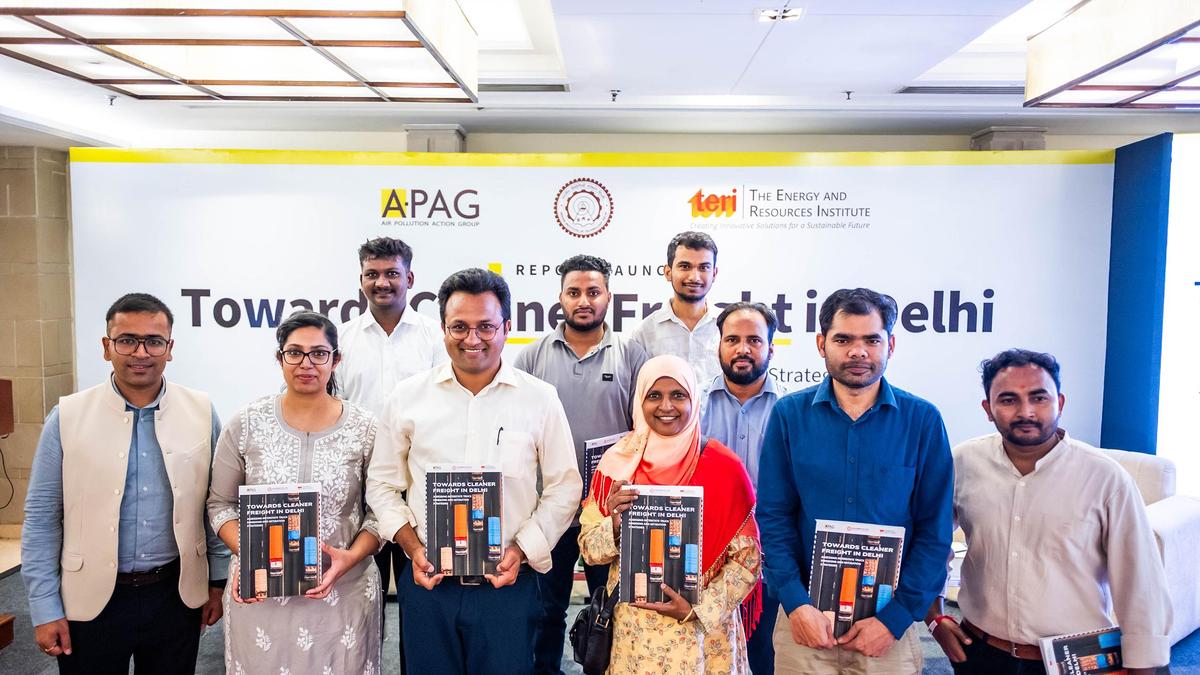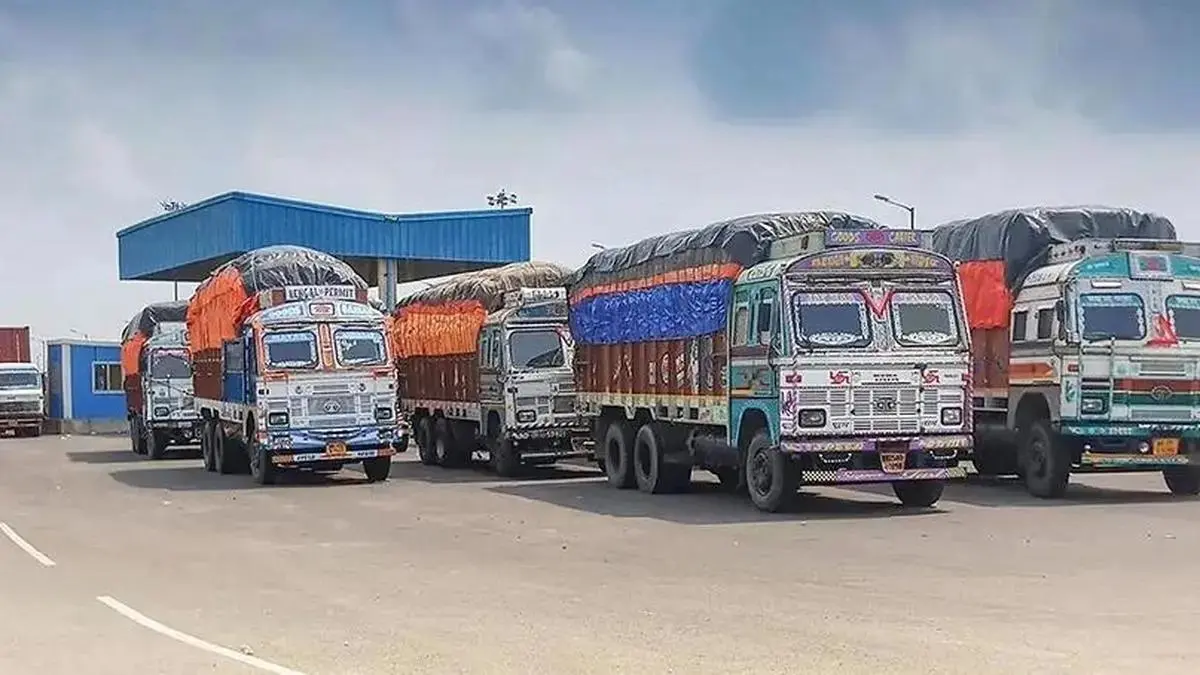
Heavy-duty trucks entering Delhi from other states are responsible for nearly a quarter of transport-related pollution in the Capital despite being allowed inside the city only during restricted hours each day, according to a new study by the Air Pollution Action Group (A-PAG), Indian Institute of Technology (IIT) Delhi and The Energy and Resources Institute (TERI).Trucks carrying goods for the city are only permitted between 11pm and 7am. (Photo for representation)The study found that around 17,000 interstate freight trucks enter Delhi every day and account for a disproportionately high share of emissions because of their diesel engines, older age profile and intensive operations.Under existing regulations, non-destined heavy goods vehicles are barred from entering Delhi, while trucks carrying goodsfor the city are only permitted between 11pm and 7am. Yet, researchers found these vehicles contribute around 23% of transport-related PM2.5 emissions in Delhi, underlining the outsized pollution burden created by a relatively small number of vehicles.The contribution becomes even more pronounced at the night, when freight movement is concentrated. Between 10pm and 7am, heavy-duty vehicles account for nearly 61% of transport-related PM2.5 emissions in Delhi, the report found.The report, titled Towards Cleaner Freight in Delhi: Assessing Interstate Truck Emissions and Mitigation Strategies, was described by researchers as the most comprehensive assessment yet of interstate truck movement and emissions in Delhi.Using toll data, traffic counts, driver surveys and real-world emissions testing, the study estimates that around 16,900 heavy-duty vehicles enter Delhi every day. This is nearly 20% higher than the approximately 13,400 daily entries captured through RFID records, suggesting that a large number of trucks using monthly passes are not being digitally recorded.Researchers said Delhi’s position as north India’s principal logistics and consumption hub has made freight traffic a major source of pollution.While the transport sector contributes an estimated 18-24% of Delhi’s PM2.5 concentrations, freight trucks account for a disproportionately high share. “The absence of reliable, granular data on interstate truck activity and real-world emissions continues to constrain effective, targeted interventions,” the report noted.According to the calculations of the research team, during the night and early morning hours, nearly 75% of vehicles on the roads are interstate heavy-duty trucks operating in Delhi, compared to only 18% of passenger vehicles.Consequently, while trucks contribute around 23% of daily transport PM2.5 emissions overall, their contribution rises to 60.5% during the night.Researchers also identified patterns in truck movement that could help authorities target enforcement measures more effectively.Nearly 76% of all truck entries recorded during a month are repeat visits by the same vehicles, with each truck entering Delhi around four times every month on average. This, researchers argued, suggests that reducing trip frequency through logistical optimisation may prove more effective than relying solely on fleet replacement programmes.The report found that around 80% of unique trucks entering Delhi are diesel-powered, although diesel and CNG vehicles account for nearly equal numbers of total trips because smaller CNG trucks make more frequent journeys.About 62% of trucks entering Delhi comply with BS-VI emission standards, while 28% are BS-IV vehicles and 10% belong to BS-III or older categories.However, older vehicles continue to dominate pollution levels. Pre-BS-VI trucks are responsible for nearly 62% of PM2.5 emissions from interstate freight traffic, while diesel trucks, which account for around 51% of trips, contribute 56% of particulate emissions.According to the report, interstate trucks emit around 52kg of PM2.5, nearly three tonnes of nitrogen oxides (NOx) and around 2.5 tonnes of carbon monoxide every day. This translates into nearly 19 tonnes of PM2.5 and more than 1,095 tonnes of NOx emissions annually.The findings also challenge the perception that Delhi’s truck pollution problem is driven primarily by long-distance transit traffic. Around 63% of trucks entering Delhi originate from NCR states, while 77% are registered in the region. Meanwhile, 92% of trucks entering Delhi report the city as their final destination, with only 8% merely passing through. Even among bypassing vehicles, most either originate from or are destined for NCR locations, indicating that regional freight movement rather than national transit traffic accounts for the bulk of emissions.The report also highlighted another inefficiency: around 51% of trucks leave Delhi without carrying any load, reflecting the Capital’s role as a “consumption hub” and creating opportunities to reduce emissions through better freight matching and return-load planning.Researchers identified the city’s busiest border points as key locations for intervention. According to the study, enforcement at the 20 busiest toll plazas could influence nearly 90% of truck entries into Delhi, while focused action at just four locations – Kundli, Rajokri, Badarpur and Tikri – could impact more than half of all incoming freight vehicles.Among seven mitigation strategies proposed in the report, banning pre-BS-VI trucks from entering Delhi by 2027 emerged as the single largest intervention, with the potential to reduce PM2.5 emissions from interstate trucks by 51%.Other recommendations include creating urban consolidation centres on the city’s periphery to shift freight to CNG and electric last-mile vehicles, reducing empty return trips through digital freight matching platforms, expanding automatic number plate recognition cameras and payload sensors for enforcement, and accelerating the transition to electric freight vehicles over the longer term.Calling for coordinated regional action, Dr Anju Goel, associate director at TERI, said, “Freight movement does not respect city boundaries. The majority of trucks entering Delhi originate from and return to NCR states, meaning Delhi alone cannot solve this problem. The strategies identified in this report, from LEZ implementation to EV fleet transition, require coordinated action across the NCR. Policymakers at both the central and state levels need to align on a common, data-backed roadmap.”
Outstation trucks behind 23% of transport emission in Delhi: Study
A study finds interstate trucks contribute 23% of Delhi's transport-related pollution, peaking at 61% during night hours, urging coordinated action for reduction.
917 words~4 min read