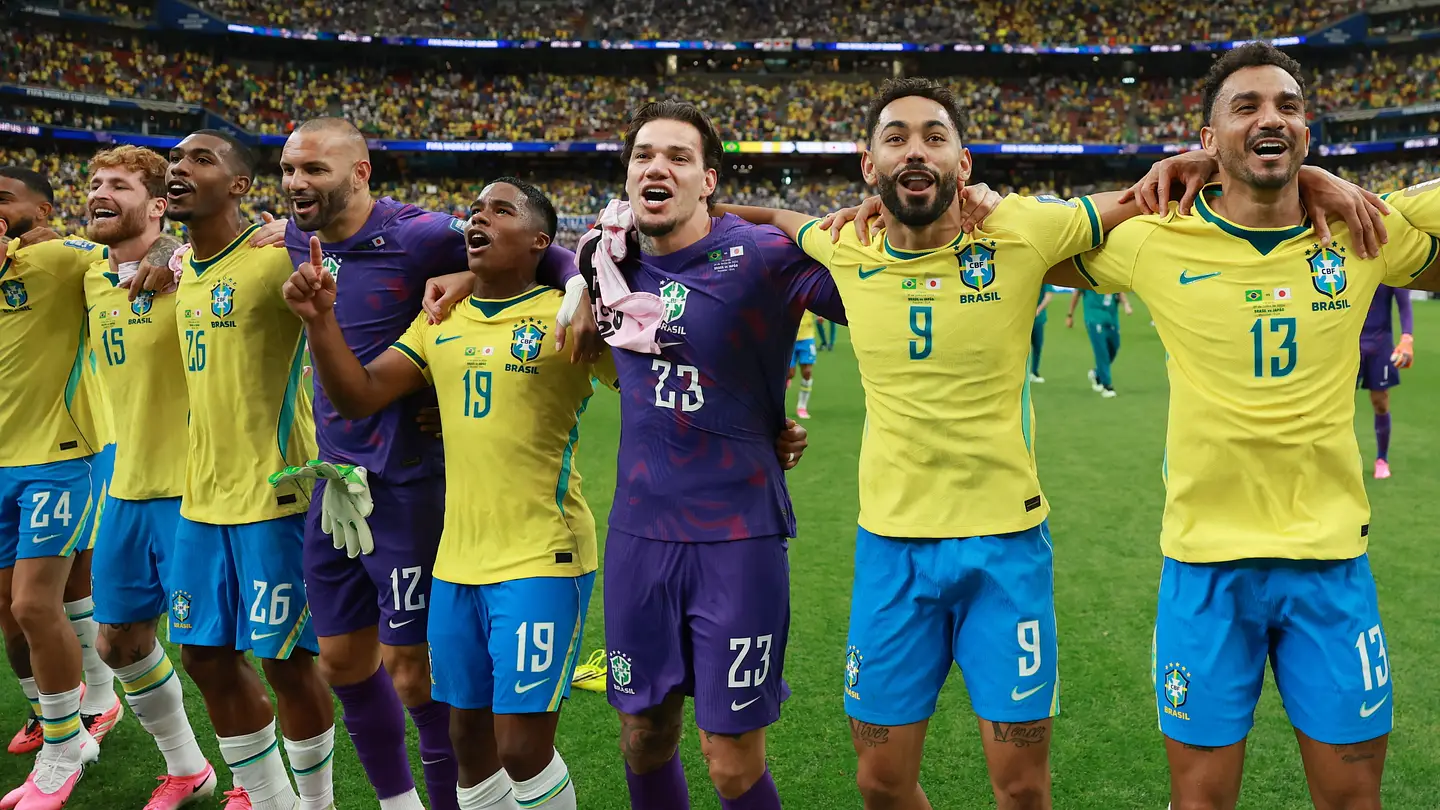
Spain demolished Saudi Arabia 4-0. Japan demolished Tunisia 4-0. Germany beat Ivory Coast 2-1. But here's what should terrify tournament organizers: in a 16-group, 3-team format, the second-place team in your group might have an easier path to the quarterfinals than the group winner in another. I analyzed the first week of WC2026 results, and the data reveals something that will fundamentally shape how teams should play group stage football — and most are getting it completely wrong.
The Finding (Plain English)
In the 48-team, 16-group-of-3 format, goal differential is mathematically catastrophic. Unlike 4-team groups where 2nd place is almost guaranteed a knockout spot, here, the third-place team with 4 points can advance, while a second-place finisher with 3 points might not. Teams are facing an asymmetric incentive structure: win by 1 goal or 5 goals and you get the same 3 points, but one protects you from a tiebreaker nightmare. This changes optimal strategy entirely. The data from the first 7 matches shows teams that "should" dominate (Spain, Japan) doing so, but teams that can't (Algeria, Croatia) are already in must-win territory despite being undefeated or strong. This matters because it means underdog nations need to play for qualification probability, not group position — a distinction that will cost several favorites their tournament.