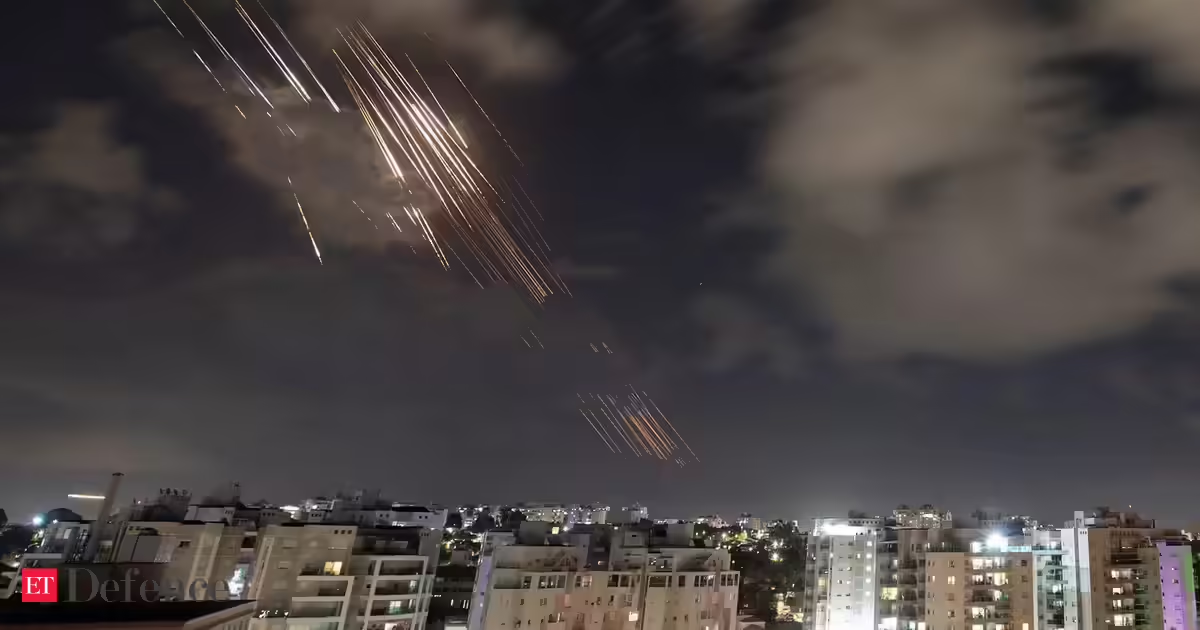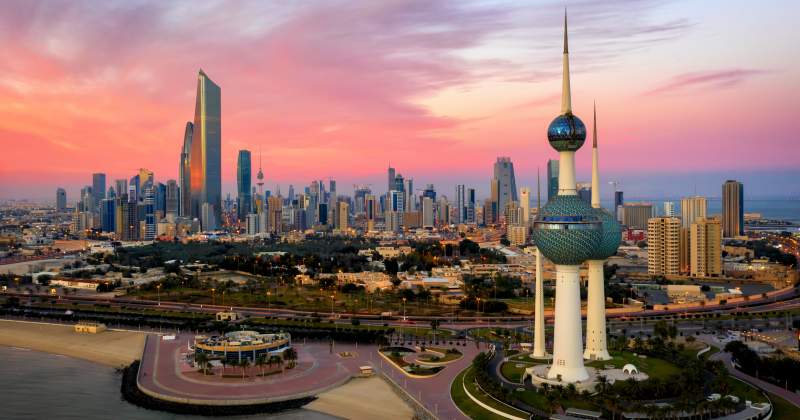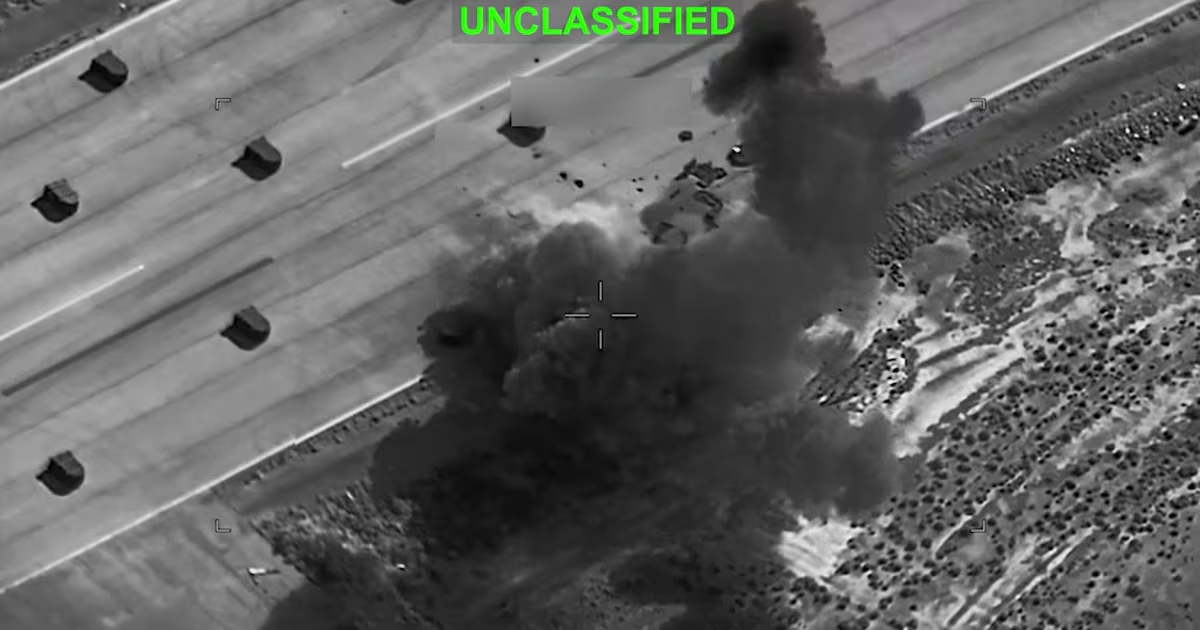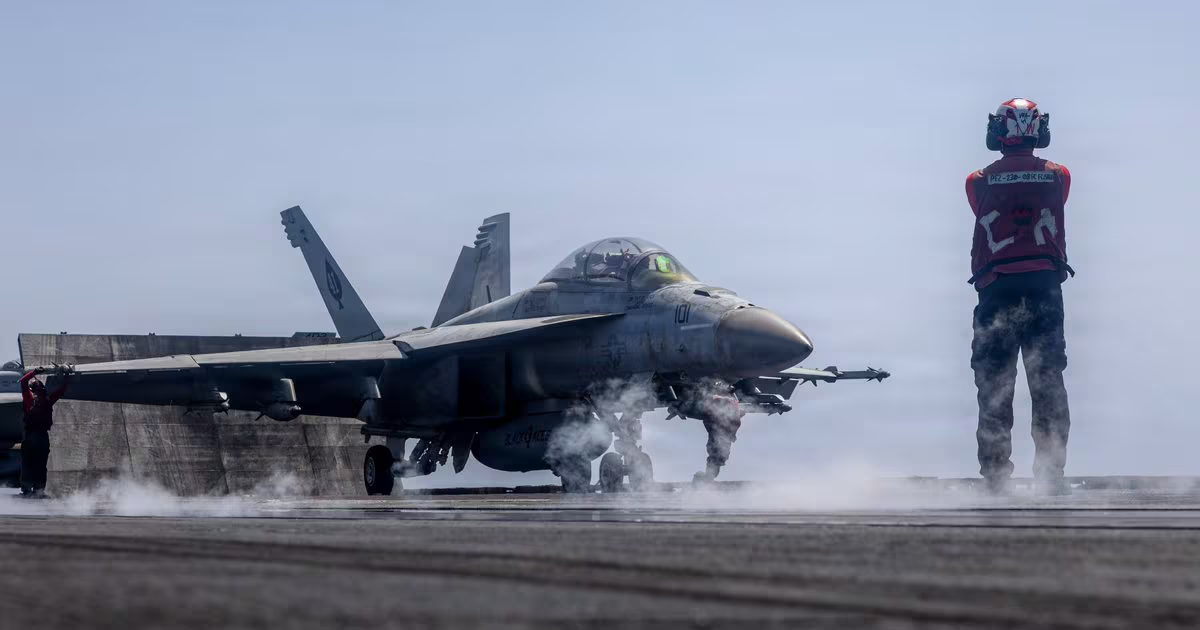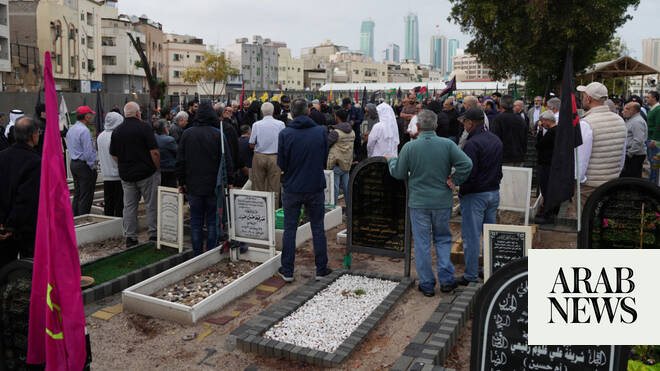
ATLANTA: People living in Bahrain and Kuwait awoke to the sound of sirens on June 28, despite there being a ceasefire between the US and Iran. Two Iranian ballistic missiles were intercepted over Kuwait, and an Iranian drone struck a residential building in Bahrain.
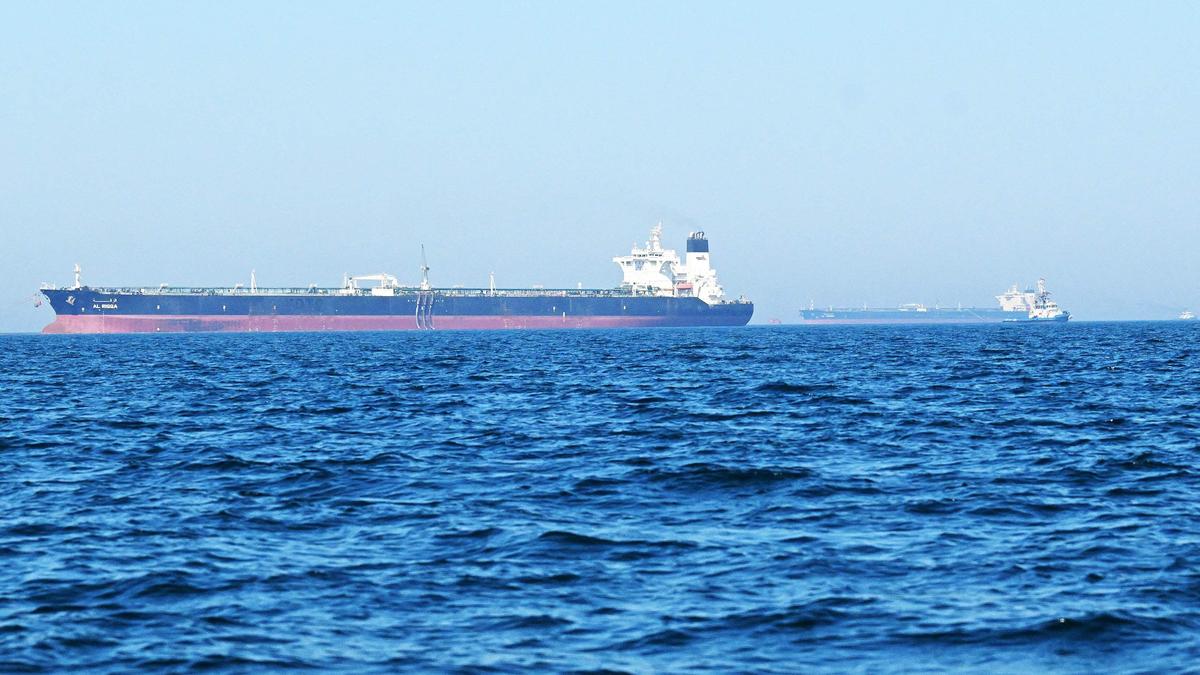
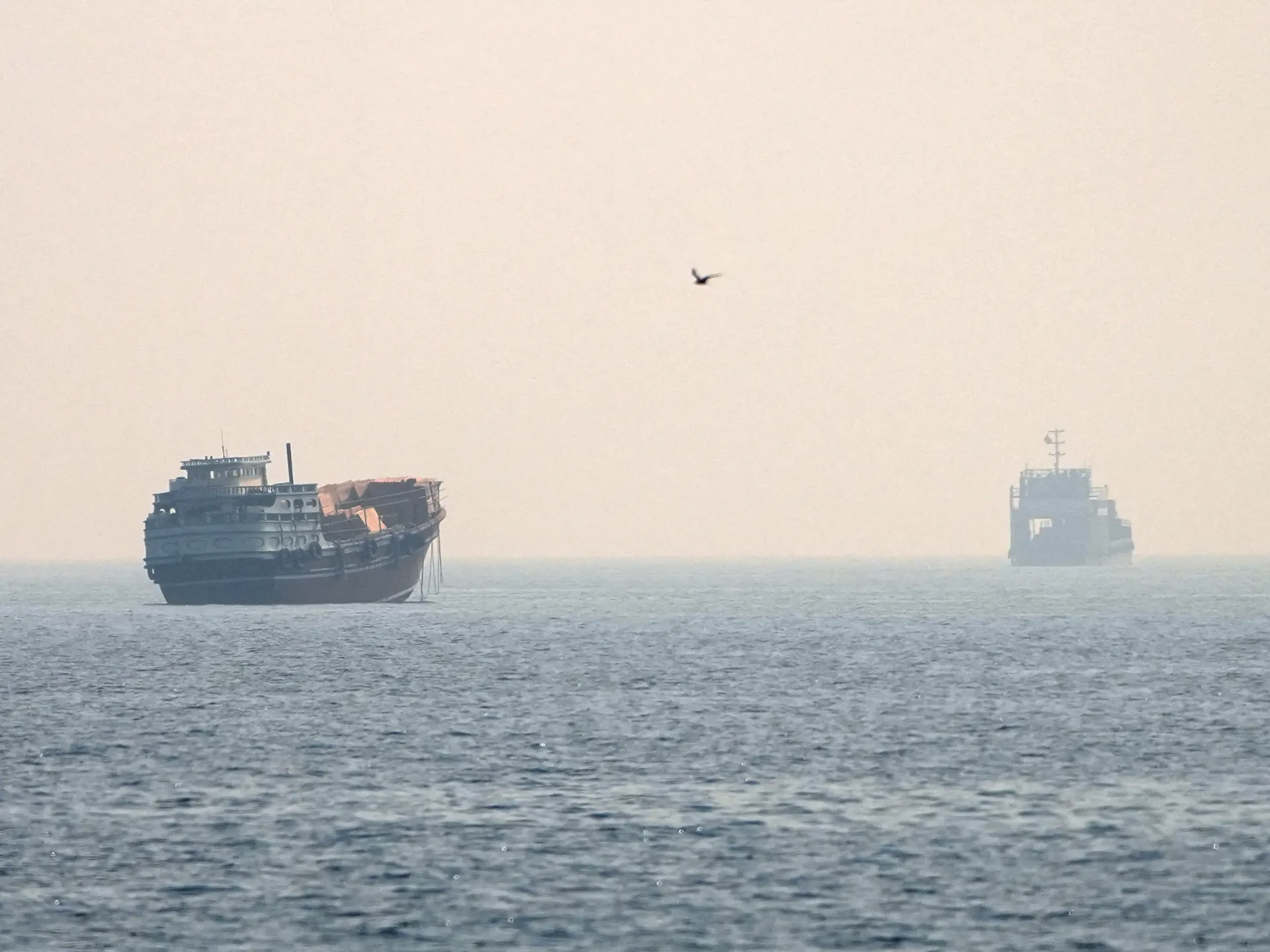
Although no casualties were reported, the attacks showed that Gulf residents and critical infrastructure remained exposed to a conflict whose international coverage has focused largely on oil prices, shipping disruptions and the Strait of Hormuz.
“Economic effects such as oil prices or shipping disruptions get the most attention because they are easy to see quickly and affect everyone outside the conflict zone,” John Calabrese, a senior fellow at the Middle East Institute in Washington, D.C., told Arab News.
“If oil prices rise, it shows up immediately in global markets, fuel costs and inflation. That makes the conflict feel ‘real’ to people far away.”
Civilian suffering can sometimes be more difficult to document, particularly amid internet blackouts and restricted access for journalists.