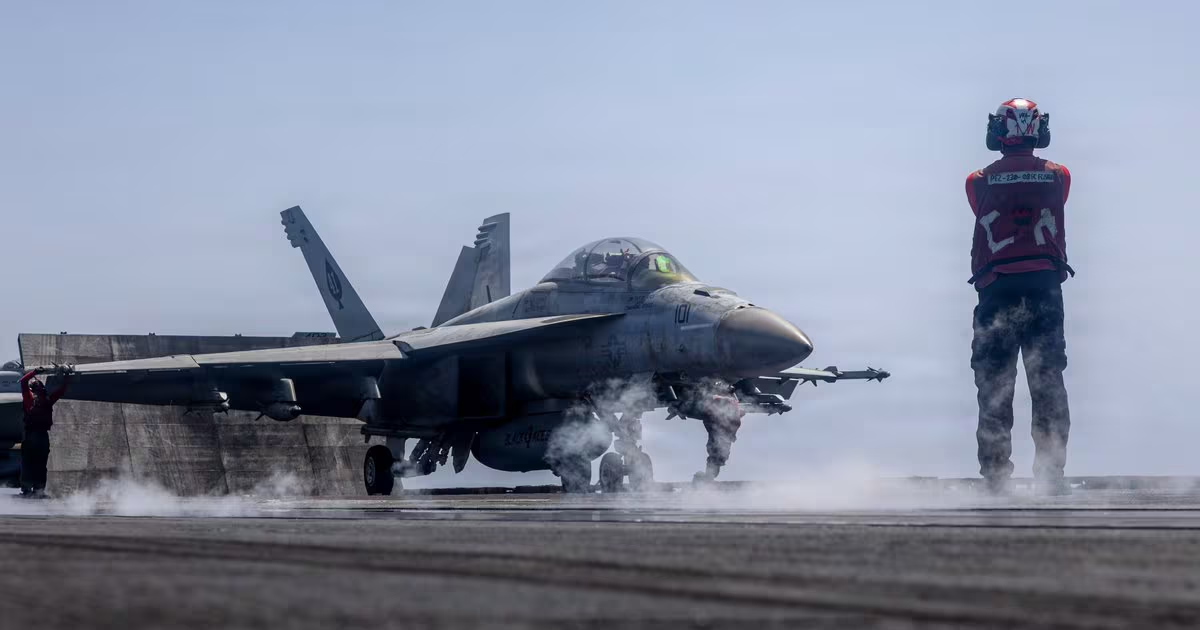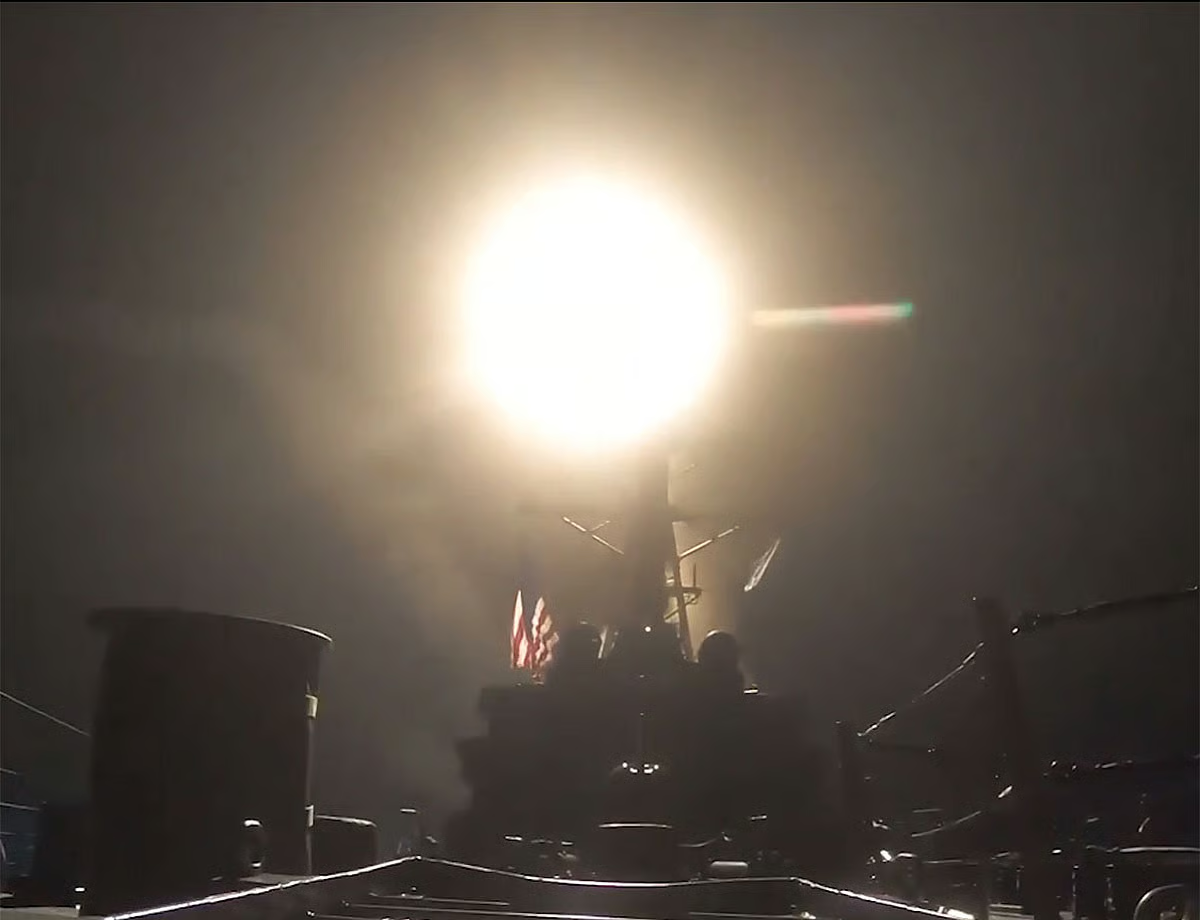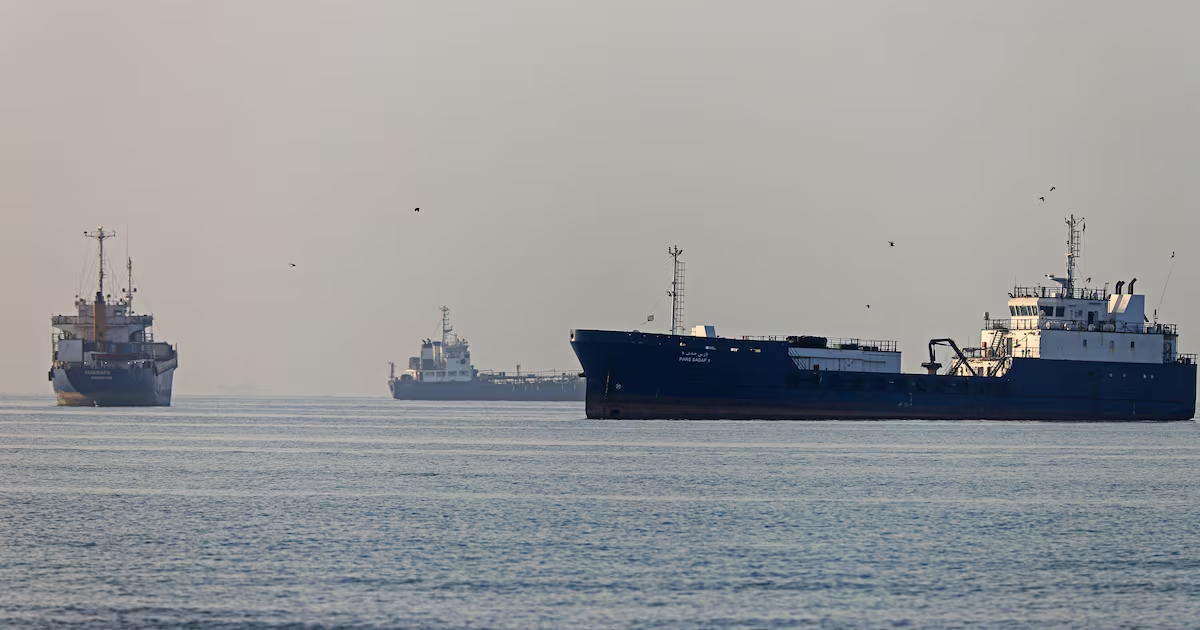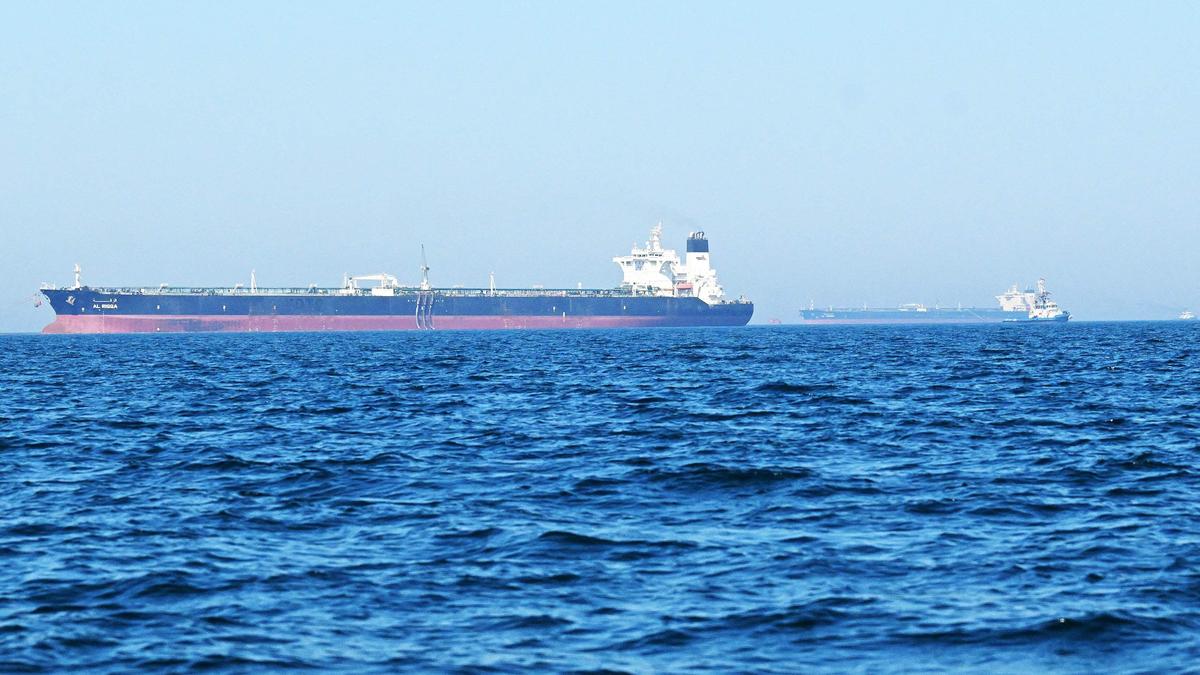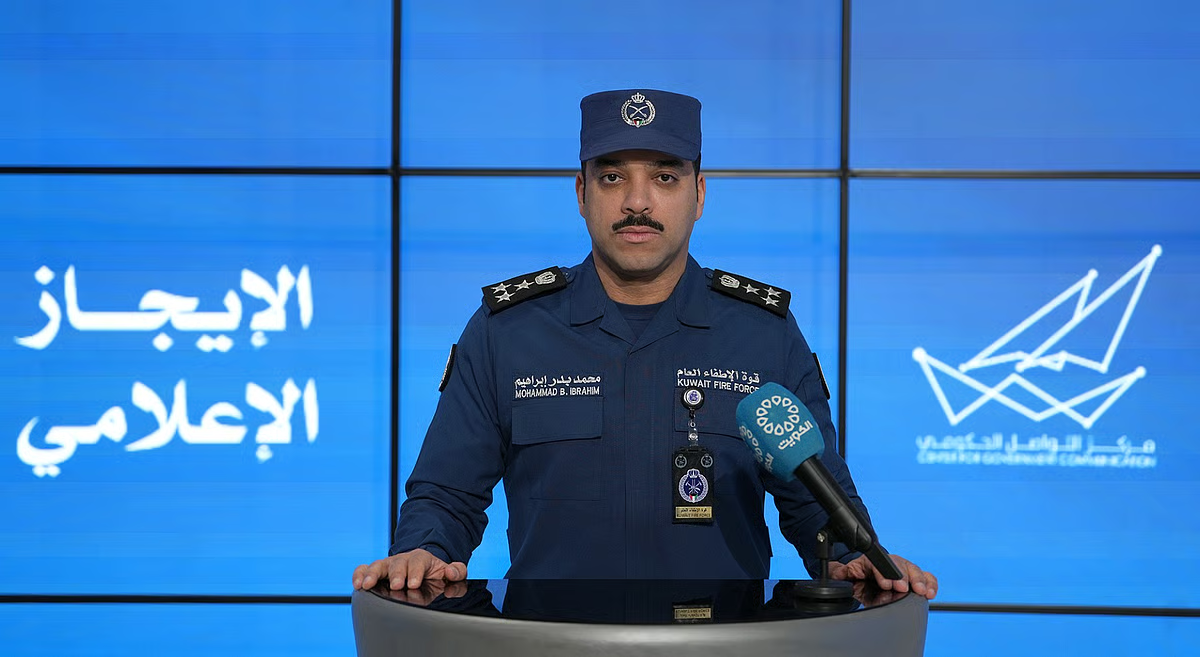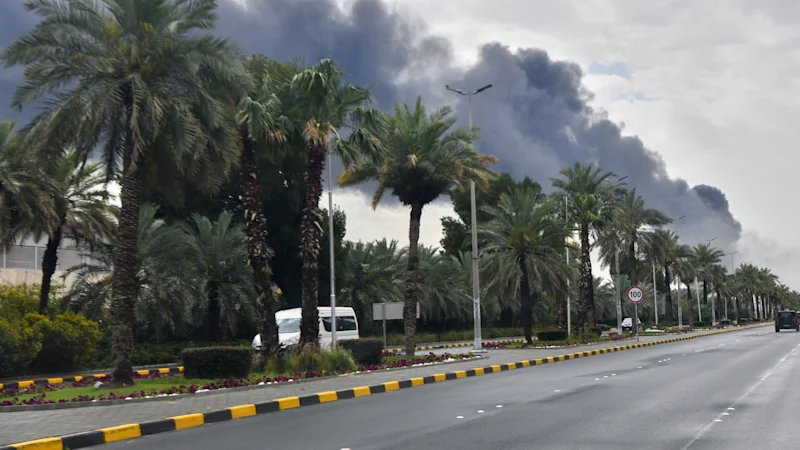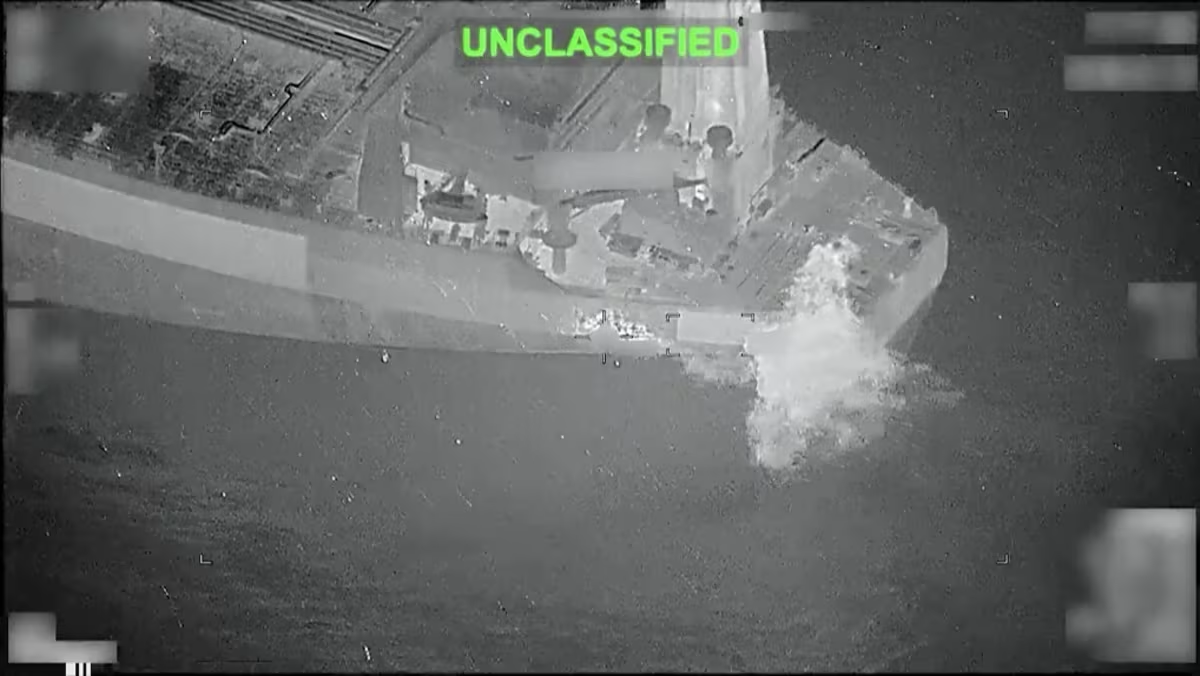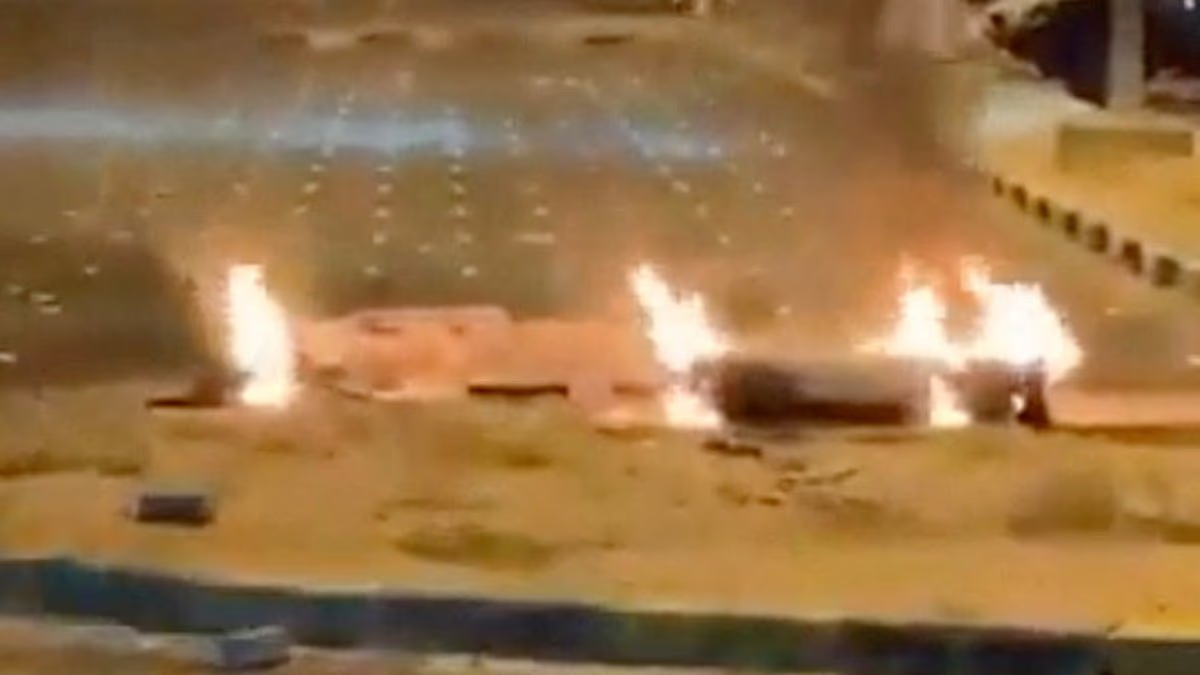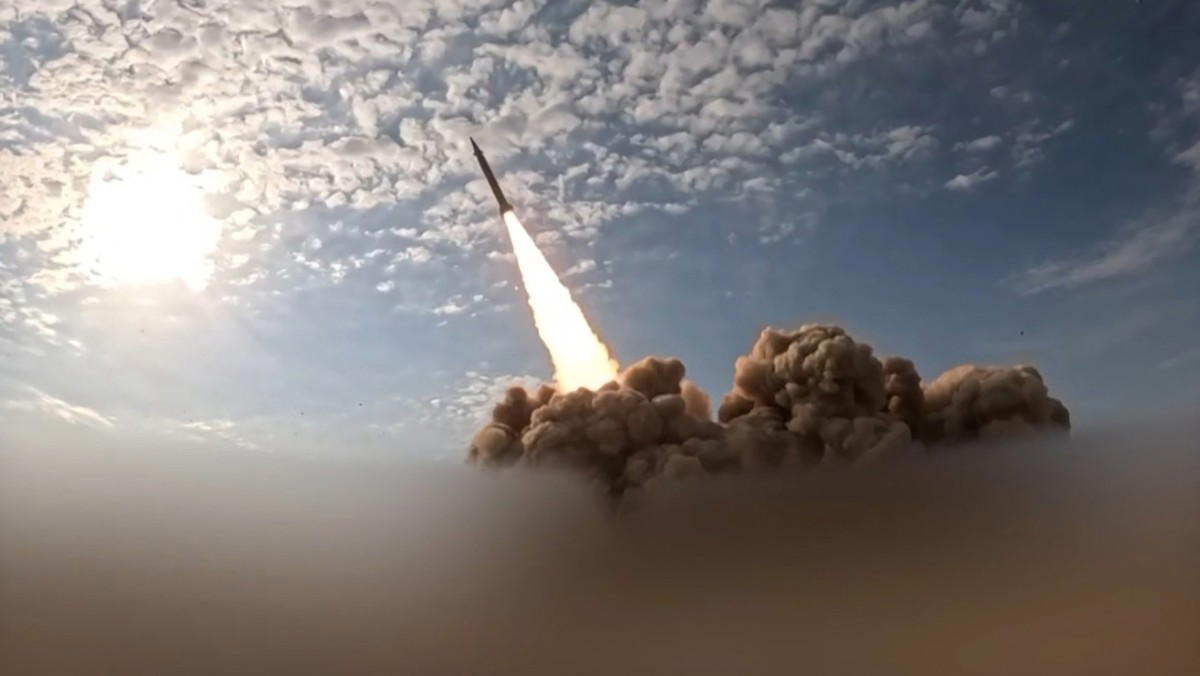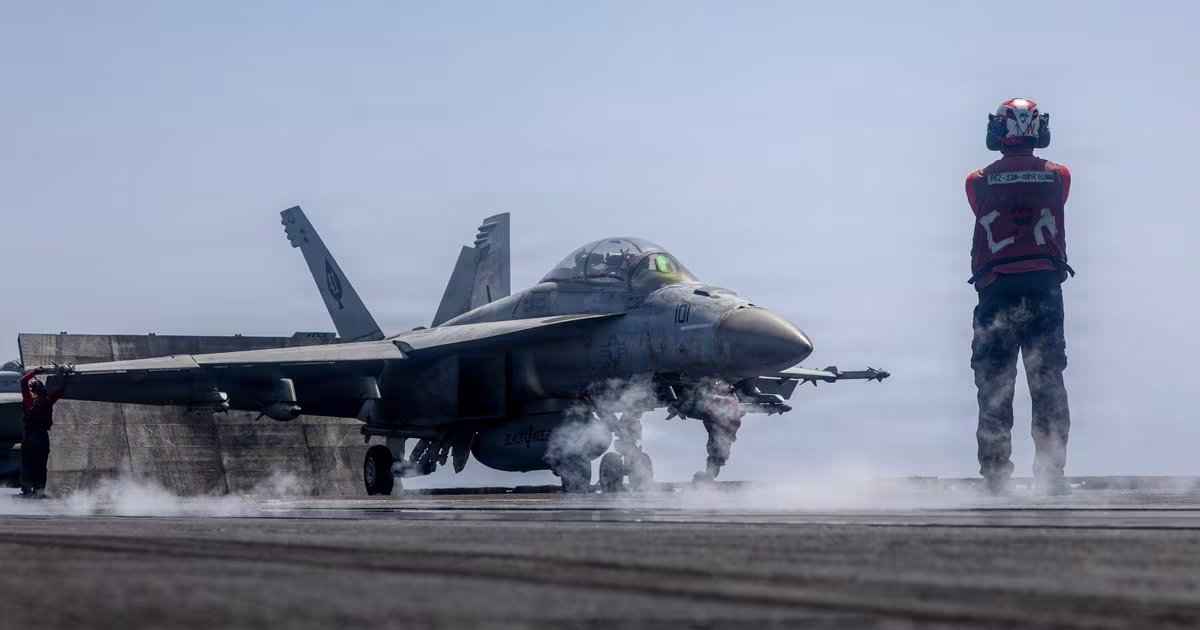
Iran launched a wave of attacks on Bahrain, Kuwait and civilian shipping in the Gulf in the early hours of Wednesday, US military officials said.In an alert posted on X, the General Staff of the Kuwaiti Armed Forces said Kuwait's air defences were confronting "hostile missile and drone attacks". It added that any explosions heard by residents were the result of interception operations.In neighbouring Bahrain, authorities activated air raid sirens. Bahrain's Interior Ministry instructed people to remain calm, move to the nearest safe location and follow updates through official channels.The attacks mark the latest threat to a fragile ceasefire that has been in place since April 8. The war that began on February 28 with Israeli and US strikes across Iran evolved into a wider regional conflict, with Iran launching missile and drone attacks on Gulf Arab states and the Iran-backed Hezbollah drawing Lebanon into the fighting through cross-border strikes on Israel and Israeli retaliation in Lebanon.One of Tehran's targets was claimed to be the US Fifth Fleet base in Bahrain, but US Central Command said Iran failed to hit any targets."Iran launched several ballistic missiles towards regional neighbours; however, all failed to hit their intended targets," Centcom said on Wednesday morning."Two Iranian missiles fired at Kuwait fell short or broke apart en route, and three missiles launched at Bahrain were immediately intercepted by US and Bahrain air defence forces."Just before the Iranian attack, US forces shot down three one-way attack drones "launched by Iran towards civilian mariners that were rightfully transiting regional waters". American forces also conducted "self-defence strikes" on an Iranian military ground control station on Qeshm Island, Iran's main oil hub.Flight impact"An additional wave of Iranian drones attempting to attack US forces in Kuwait failed to impact intended targets tonight," Centcom said about 5.30am on Wednesday.It said US forces have now redirected 122 commercial vessels to enforce sanctions-related measures in the Strait of Hormuz.FlightRadar24 showed commercial aircraft in a holding pattern over the Gulf, before resuming normal operations a short time later.At Dubai airport, the world's busiest, several flights from Kuwait, Bahrain and Amman were cancelled, the live tracker showed. Most other services were running as normal.Iran's conflicting accountIran's Islamic Revolutionary Guard Corps issued a different account of the events.In a statement on its Sepahnews Telegram channel, it said the confrontation began late Tuesday night when an Iranian oil tanker near the Strait of Hormuz was struck by a US aerial projectile, causing damage to its engine room.The IRGC said it responded by targeting what it described as an "American-Zionist" vessel named Panaya with missiles.It said US forces subsequently struck an IRGC communications tower in southern Qeshm Island. In response, the IRGC said it launched missile and drone attacks against a US air and helicopter base located in a regional country, as well as the headquarters of the US Fifth Fleet.Talks drag onThe exchange of fire is testing strained talks aimed at securing a permanent ceasefire between the US and Iran, which have dragged on for weeks.On Tuesday, Tehran said the talks were off, but US Secretary of State Marco Rubio said Iran would have to commit to negotiations on its highly enriched uranium stockpile and accept "severe and long-term" restrictions on its nuclear programme as part of any lasting agreement. He said detailed technical talks could take months and insisted any sanctions relief would be tied to Tehran giving up its pursuit of a nuclear weapon.
Early morning Iran strikes on Bahrain and Kuwait test failing talks | The National
US Central Command says missiles and drones used to attack American bases and civilian shipping
570 words~3 min read