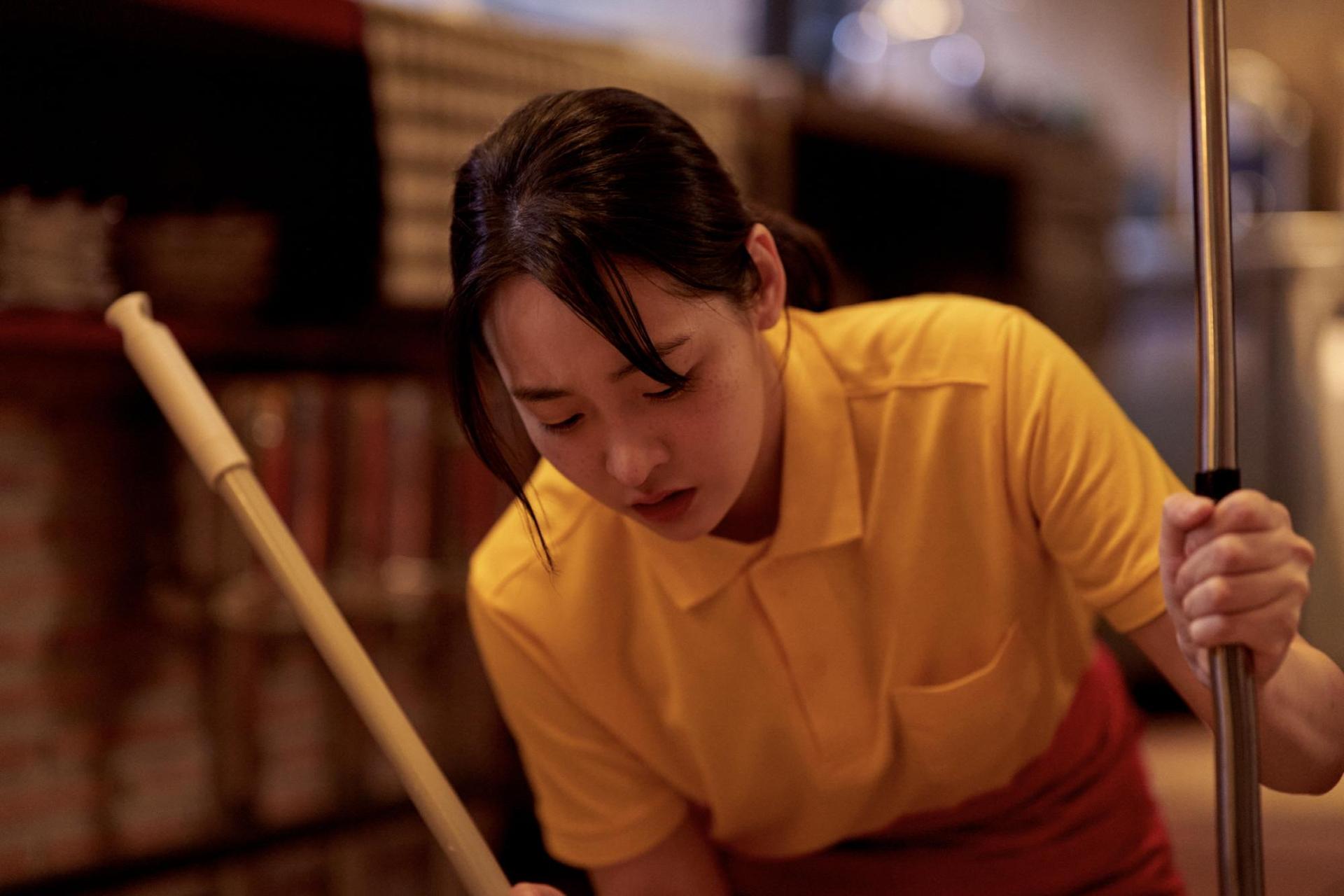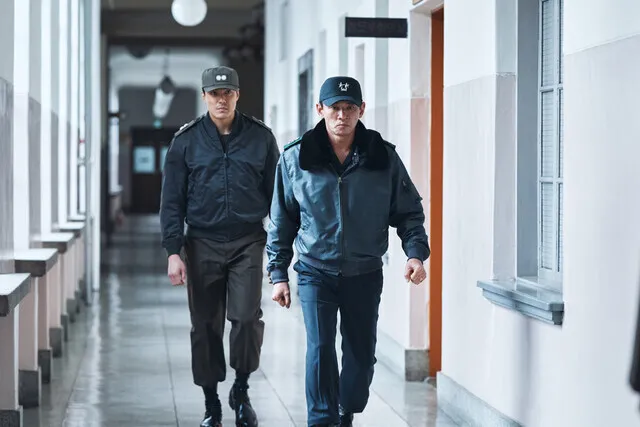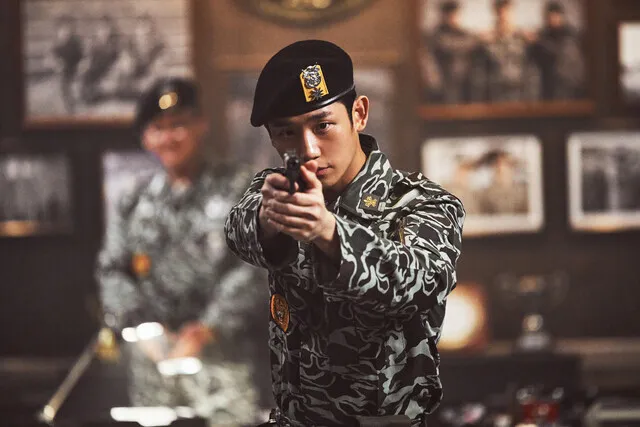
Still from the film “12.12: The Day.” (courtesy of Naver Movies)
As of Saturday, “12.12: The Day” had attracted over 1.89 million viewers to Korean box offices a mere five days after its release. The film focuses on the nine-hour military coup that occurred on Dec. 12, 1979, that brought Chun Doo-hwan to power. Since the film is based on true events that were creatively embellished for dramatic purposes, many viewers have become curious about the historical facts. The film depicts firefights where both the insurgents and the military spill blood on the streets of Seoul. Did that really happen? Let’s separate fact from fiction. ※ This article contains spoilers for the film “12.12: The Day.”
Still from the film “12.12: The Day.” (courtesy of Naver Movies)
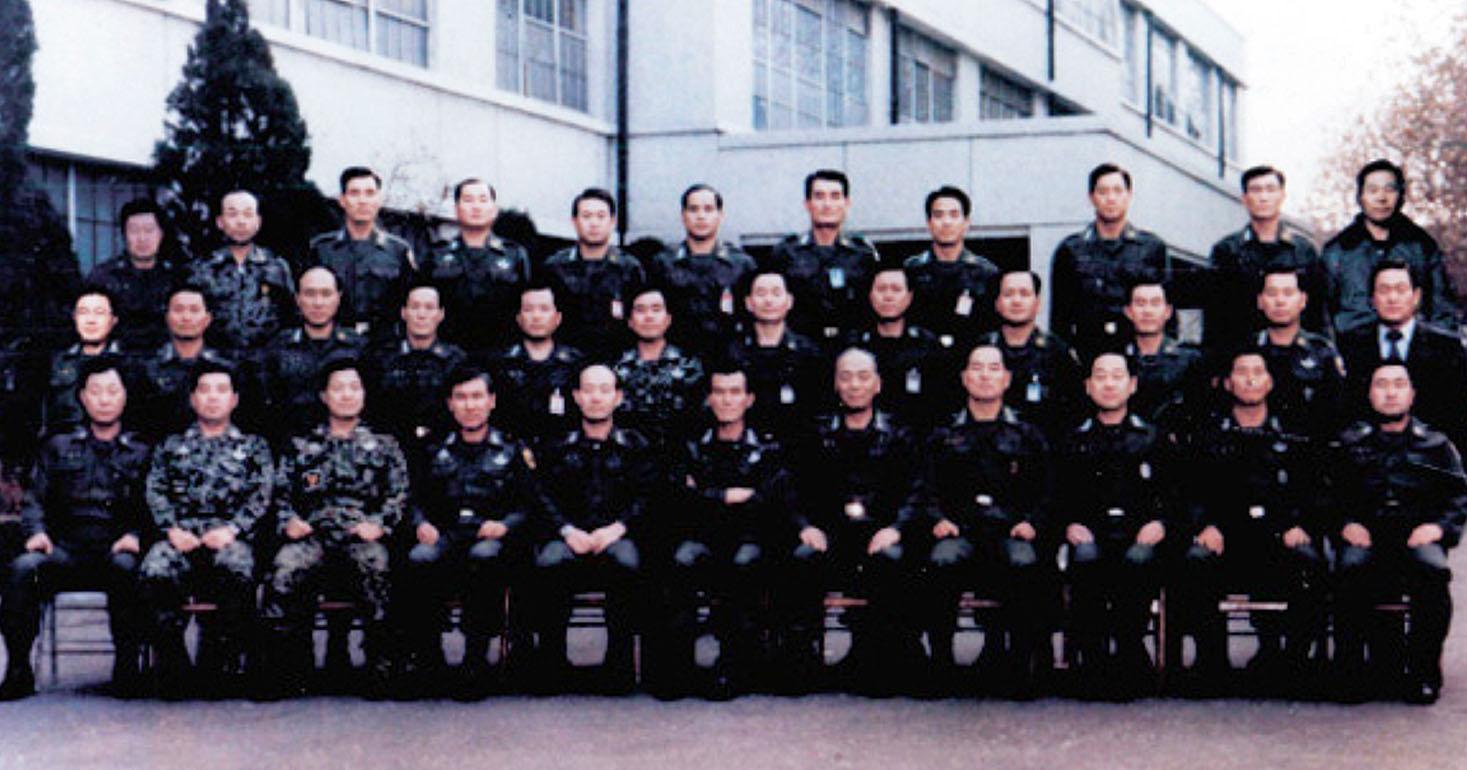
Real-life soldier who opposed coup tortured; family torn apart by tragedyThe film shows Chun Doo-gwang (played by Hwang Jung-min), a character based on former military dictator Chun Doo-hwan, leading a military insurrection. Opposing Chun’s insurrection are Capital Garrison Commander Lee Tae-shin (Jung Woo-sung), Maj. Gen. Gong Soo-hyuk (Jung Man-sik), and Brig. Gen. Kim Jun-yeob (Kim Sung-kyun). These characters are based on real-life officers: Capital Garrison Commander Jang Tae-wan, Maj. Gen. Jeong Byeong-ju, and Brig. Gen. Kim Jin-ki. The film primarily focuses on the conflict between Chun Doo-kwang and Lee Tae-shin. One of Lee’s most memorable lines is when he tells the rebels, “Wait for me, and don’t you move a muscle. I’m going to drive this tank over there and crush your skulls.” Online news site Sisa Journal published journal entries of the real-life Jang Tae-wan in 2006. The entries recall a phone conversation with the insurrectionists, in which Jang yells, “I’m going to drive my tank over there and crush all of your skulls.” Lee Tae-shin can be seen as a fairly true-to-life depiction of the character and behavior of the real-life Jang Tae-wan. After the coup succeeded and the insurrectionists took over, the lives of Jang and his family spiraled downward into a continuous tragedy. Jang was sent to the infamous interrogation facility known as the “Seobinggo Hotel,” where he was tortured and forcibly transferred to an obscure position. He was also subjected to six months of house arrest. Jang’s father was so enraged by the events that he quit eating and drank himself to death in 1980. Jang’s son, a former student at Seoul National University, was found dead in front of his grandfather’s grave two years later. The cause of his death remains a mystery. Jang’s family was torn to pieces in the wake of the coup. Later, when Chun Doo-hwan and Roh Tae-woo finally faced their day of judgment in court, Jang recovered his status as a “proper soldier.” He was elected as a National Assembly lawmaker in 2000, and lived the rest of his life as a politician. He died on July 26, 2010, at 79 years old. But the tragedy doesn’t end there. Two years later, Jang’s wife took her own life after leaving a note.