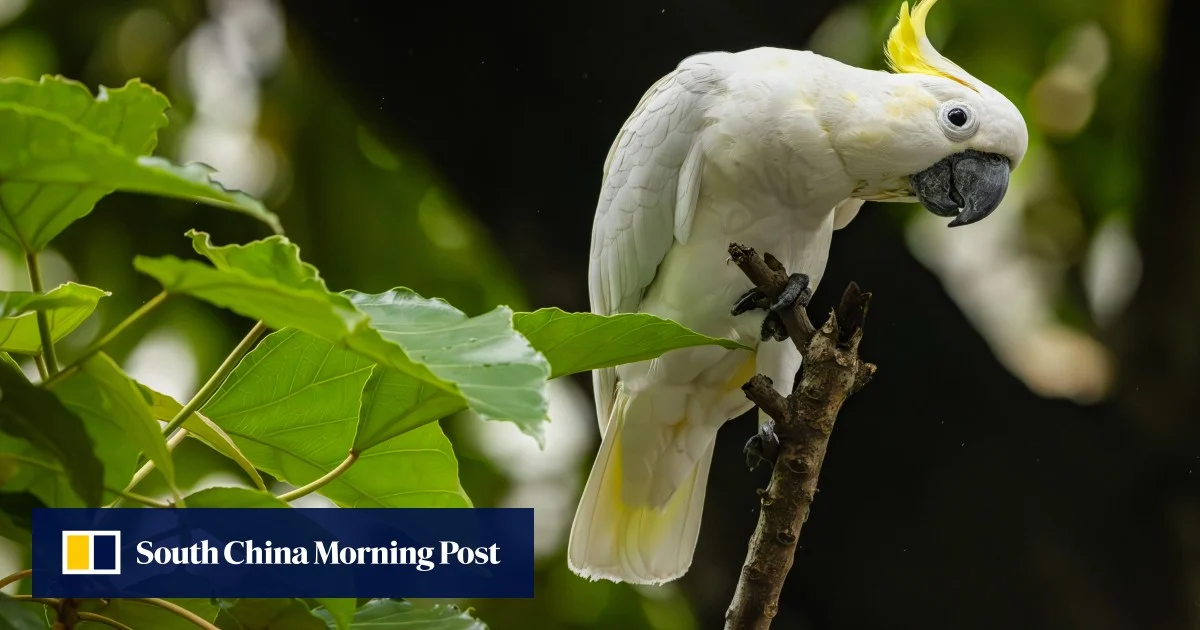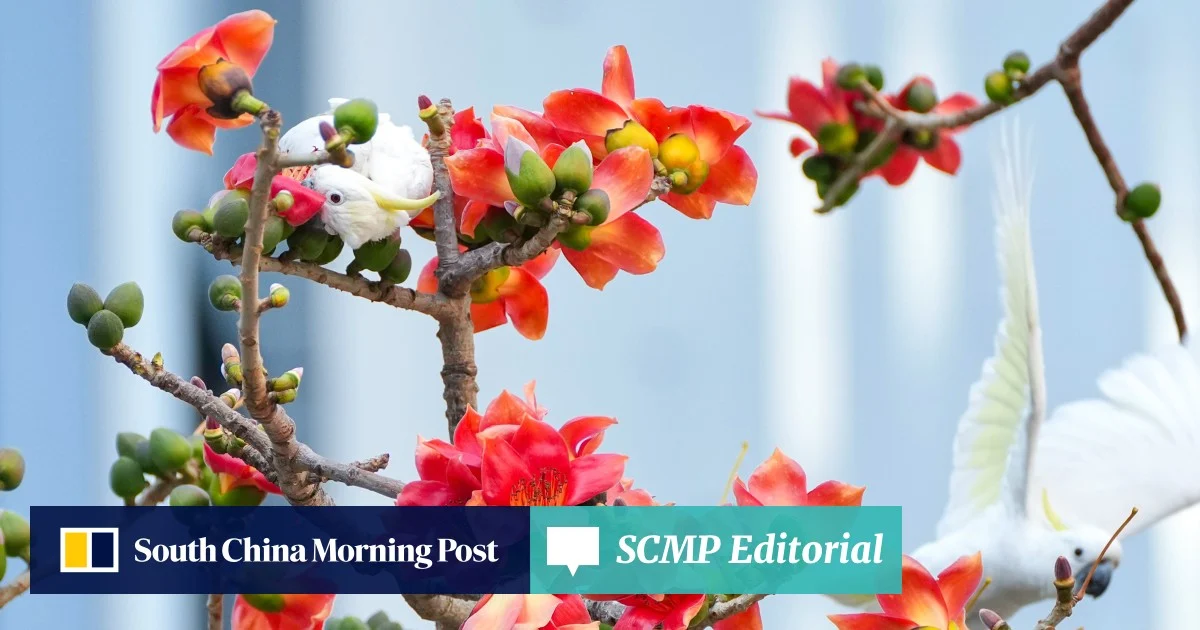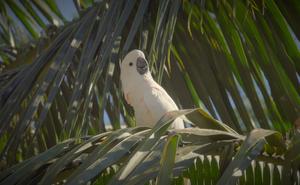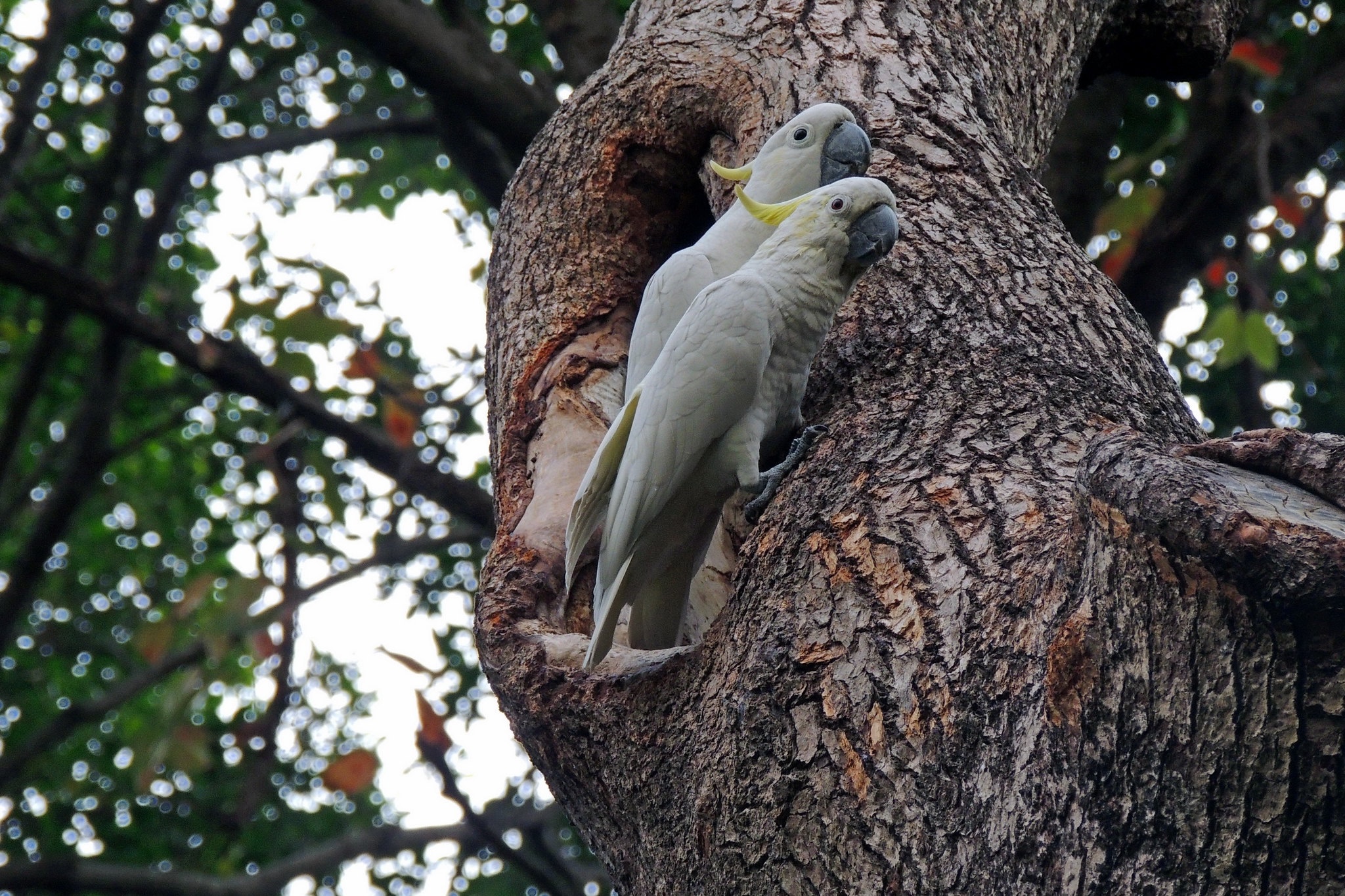
A noisy population of feral yellow-crested cockatoos living in the dense, urban landscape of Hong Kong may hold the genetic key to saving the species from extinction in Indonesia, according to a new study.
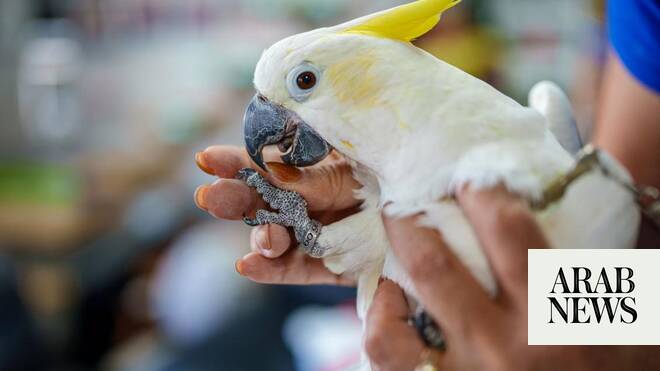
The yellow-crested cockatoo (Cacatua sulphurea) is critically endangered in its native range in Indonesia and Timor-Leste, with fewer than 2,000 individuals remaining in the wild due to habitat loss and the pet trade. However, Hong Kong is home to roughly 200 of these parrots, or about 10% of the global population, which are descendants of escaped pets.
For the study, researchers conducted a genomic analysis of the city’s yellow-crested cockatoo population. They found that despite their small number and isolated urban environment, the feral cockatoos have unexpectedly high genetic diversity, comparable to other wild parrot populations.
“Instead of dismissing urban, introduced populations as ecologically redundant, we should view them as potential ‘Biodiversity Ark’ that can actively help prevent extinction,” study lead author Astrid Andersson of Hong Kong University said in a press release.
The researchers also compared the DNA of Hong Kong’s yellow-crested cockatoo population with museum specimens representing the species’ four recognized subspecies. They found the feral population is a genetic melting pot, carrying signatures from all subspecies. In particular, more than half of the sampled birds belong to a lineage linked to Lombok, an island in eastern Indonesia, where the species is now thought to be locally extinct. This makes the urban population a vital reservoir for genetic lineages that have vanished from their native range, the authors wrote.