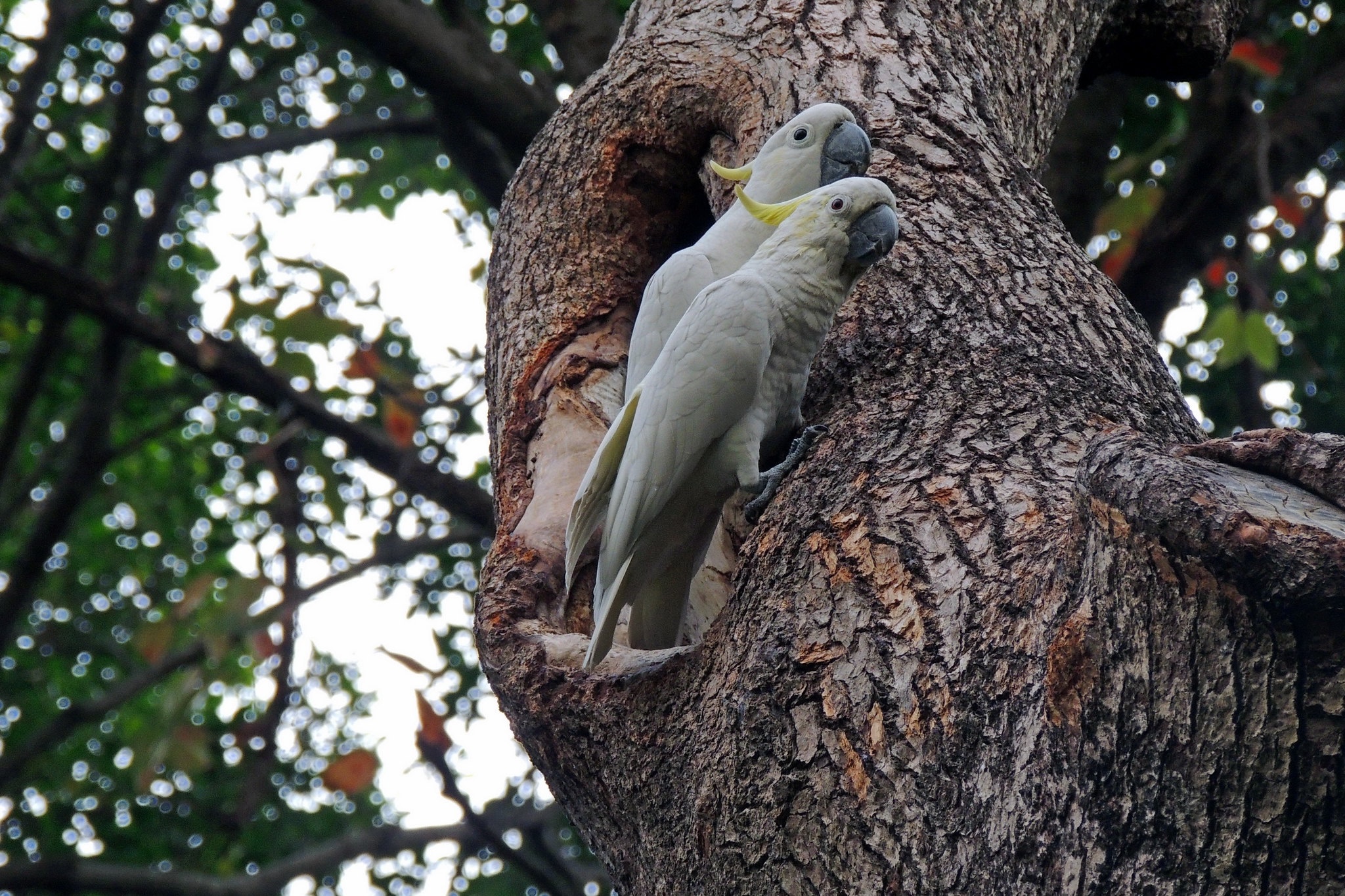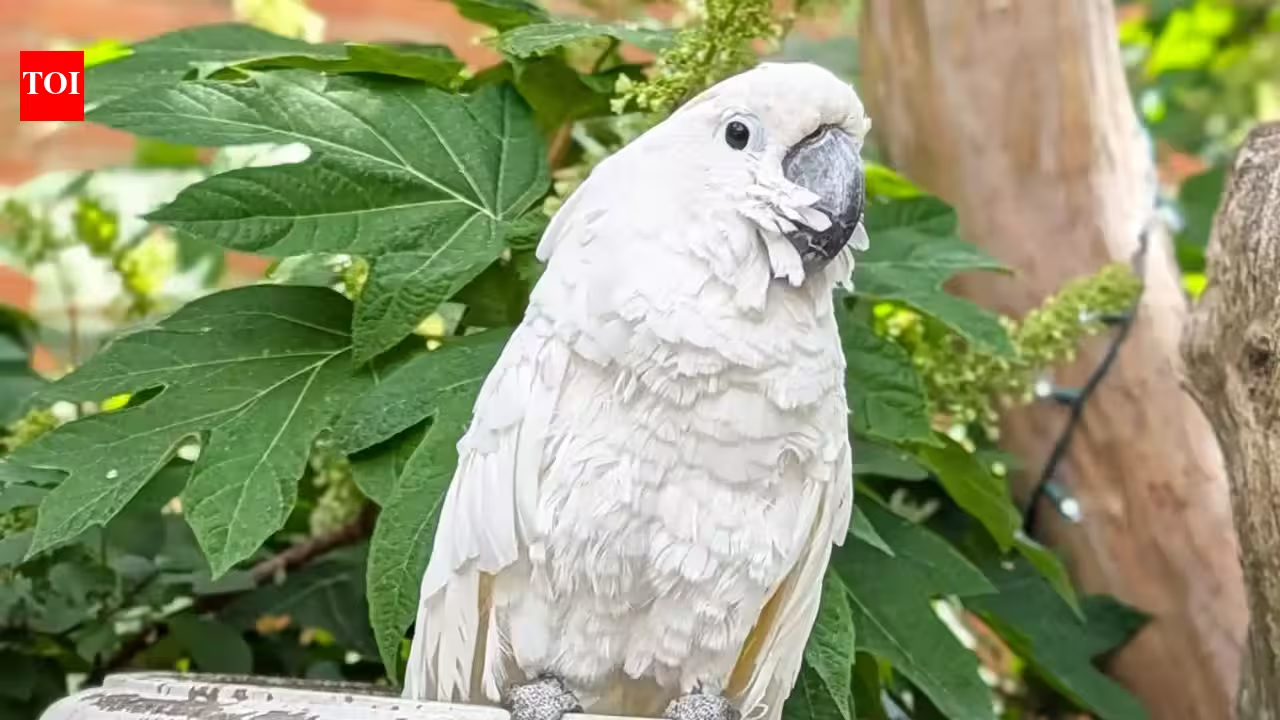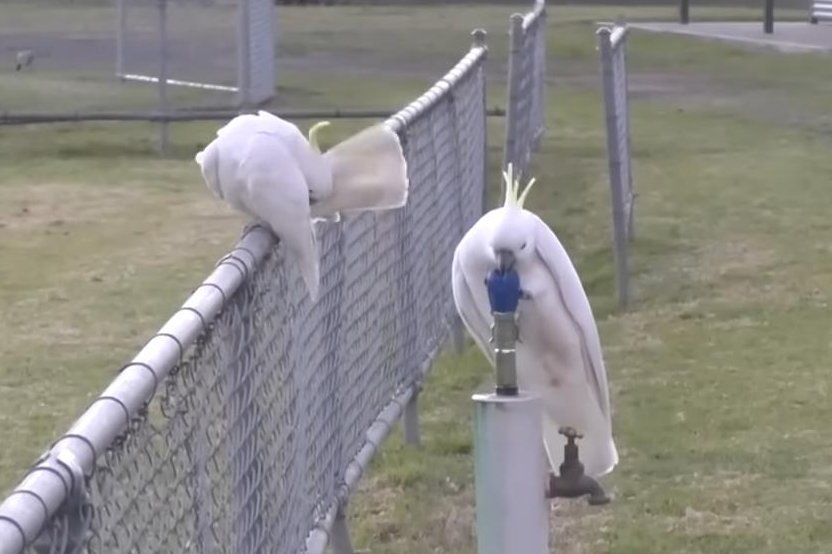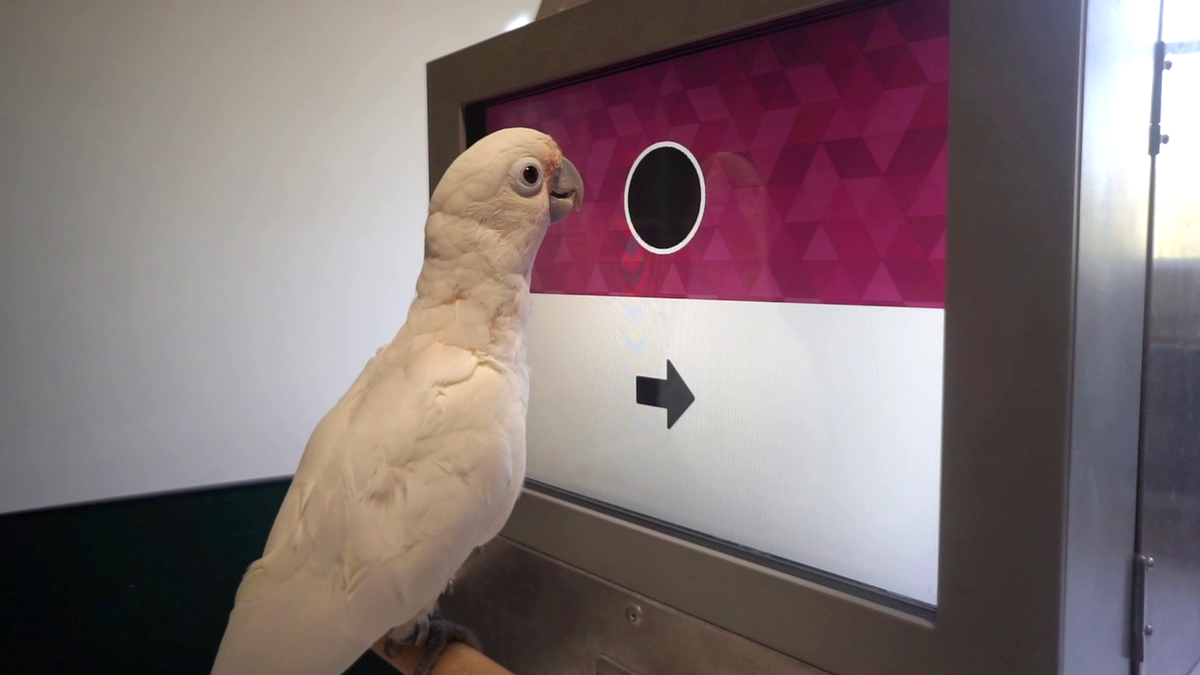
One day in 2025, Jane perched facing a computer screen. The screen’s top half displayed a black circle on a magenta background. The bottom half had a black arrow on white. After what appeared to be a moment of deliberation, Jane extended her neck and touched the circle. Small pellets of food appeared in the tray before her. Then, the magenta was replaced by green. When she touched the circle this time, the screen flashed a bright red before reverting to green. This time, no food appeared. Jane looked at the screen, checked the tray, and looked at the screen again. Then, she touched the arrow. A new background appeared, and with that came the renewed possibility of obtaining more food.Jane is a Goffin’s cockatoo housed at the Messerli Research Institute, University of Veterinary Medicine (UVM), Vienna. With 14 of her peers, she has helped researchers demonstrate that the parrots can recognise and adapt to permanent non-functionality — the notion of something that previously worked ceasing to be functional in a specific context.This might be the first step in testing experimentally whether an animal has the cognitive requirements to understand death, according to the researchers who conducted the study, published in Scientific Reports earlier this month.But before that, people have to redefine what it means to understand death.‘Minimal death’For many philosophers and anthropologists, the ability to understand death has been a defining feature of humanity. For example, the German philosopher Martin Heidegger declared in a 1939 seminar that “mortals are they who can experience death as death. Animals cannot do this.” “Only man dies. The animal perishes,” he added in his 1971 book Poetry, Language, Thought. By that, he meant that only human beings possessed the ability to understand death’s significance.Philosopher Susana Monsó, associate professor at the National University of Distance Education, Madrid, disagreed. In a 2020 paper with UVM cognitive scientist Antonio J. Osuna-Mascaró, she argued that two forms of anthropocentrism — the belief that human beings are superior to all others — undergird humans’ reluctance to acknowledge animals’ ability to understand death.
Do animals understand death? Scientists are asking cockatoos for answers
Scientists study Goffin’s cockatoos to explore their potential understanding of death and cognitive recognition of permanent non-functionality.
1,173 words~5 min read