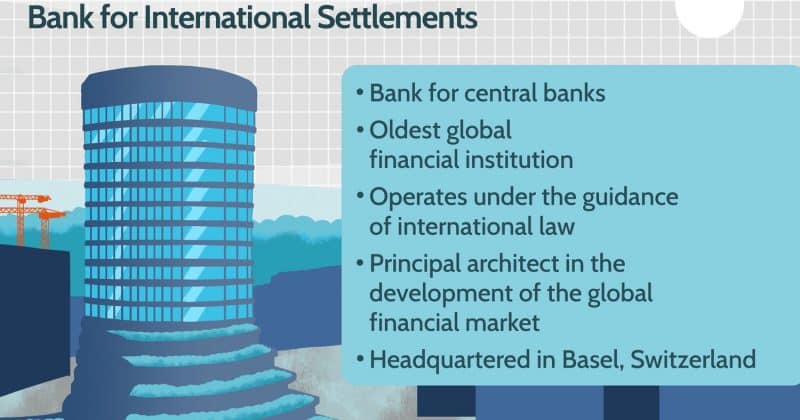
Skip to Content News Archives Economy Energy Oil & Gas Renewables Electric Vehicles Mining Commodities Agriculture Real Estate Mortgages Mortgage Rates Finance Banking Insurance Fintech Cryptocurrency Work Wealth Smart Money Wealth Management Investor Personal Finance Family Finance Retirement Taxes High Net Worth FP Comment Executive Women Puzzmo Newsletters Financial Times Business Essentials More Innovation Information Technology FP500 Podcasts Small Business Lives Told Tails Told Shopping Financial Post Store Obituaries Place a Notice Advertising Advertising With Us Advertising Solutions Postmedia Ad Manager Sponsorship Requests Classifieds Place a Classifieds ad Working Profile Settings My Subscriptions Saved Articles My Offers Newsletters Customer Service FAQ News Economy Energy Mining Real Estate Finance Work Wealth Investor FP Comment Executive Women Puzzmo Newsletters Financial Times Business Essentials HomeFinanceBankingAI frenzy adds to risks facing already vulnerable global economy, warns BISOver-investment could trigger 'sharp reversal if AI payoffs disappoint' You can save this article by registering for free here. Or sign-in if you have an account.The Basel, Switzerland headquarters of the Bank for International Settlements, which warned this week about the risks of the AI spending frenzy. Photo by Gianluca Colla/BloombergThe optimism surrounding artificial intelligence may not last, increasing the risks for a global economy already vulnerable due to energy supply shocks and strained public finances, the Bank for International Settlements said.Subscribe now to read the latest news in your city and across Canada.Exclusive articles from Barbara Shecter, Joe O'Connor, Gabriel Friedman, and others.Daily content from Financial Times, the world's leading global business publication.Unlimited online access to read articles from Financial Post, National Post and 15 news sites across Canada with one account.National Post ePaper, an electronic replica of the print edition to view on any device, share and comment on.Daily puzzles, including the New York Times Crossword.Subscribe now to read the latest news in your city and across Canada.Exclusive articles from Barbara Shecter, Joe O'Connor, Gabriel Friedman and others.Daily content from Financial Times, the world's leading global business publication.Unlimited online access to read articles from Financial Post, National Post and 15 news sites across Canada with one account.National Post ePaper, an electronic replica of the print edition to view on any device, share and comment on.Daily puzzles, including the New York Times Crossword.Create an account or sign in to continue with your reading experience.Access articles from across Canada with one account.Share your thoughts and join the conversation in the comments.Enjoy additional articles per month.Get email updates from your favourite authors.Create an account or sign in to continue with your reading experience.Access articles from across Canada with one accountShare your thoughts and join the conversation in the commentsEnjoy additional articles per monthGet email updates from your favourite authorsSign In or Create an AccountorUp until early 2026, the global economy remained resilient due to AI-related investments and “surprisingly strong global trade,” but the closure of the Strait of Hormuz triggered an energy supply crisis that has posed a renewed threat to the global outlook, said the international organization that works with central banks to promote financial stability.“Despite signs of easing geopolitical tensions and a significant drop in oil prices, the disruption’s impact may linger, the Bank of International Settlements said in its annual economy report released on Sunday. “A key risk is that higher inflation could become ingrained if inflation expectations de-anchor.”Breaking business news, incisive views, must-reads and market signals. Weekdays by 9 a.m.By signing up you consent to receive the above newsletter from Postmedia Network Inc.A welcome email is on its way. If you don't see it, please check your junk folder.The next issue of Posthaste will soon be in your inbox.We encountered an issue signing you up. Please try againBIS general manager Pablo Hernández de Cos said at a press conference ahead of the report’s release that repairing the damaged facilities impacted by the Middle East conflict and normalizing shipping traffic will take time, which could complicate and delay the ramp-up of oil output.“Meanwhile, the need to rebuild depleted oil reserves could keep demand and price pressures elevated, he said.Global headline inflation picked up shortly after the Middle East conflict and prices of plastics and fertilizers, which are key materials, rose by 30 and 50 per cent respectively, the report said. Whether these price increases will broaden and persist, just like the period right after the pandemic, is a “central question,” it said.“Post-pandemic inflation surges are still fresh,” the report said. “Given that it will take several quarters to purge the imbalances in oil physical markets, further volatility in energy prices could arise. In turn, inflation expectations could de-anchor more quickly than in the past.”In addition, the intense competition for market leadership in the field of AI may fuel over-investment, as seen in previous innovation waves, which increases the risk of a “sharp reversal if AI payoffs disappoint,” the report said. “The current surge in capital expenditure could prove unsustainable if supply bottlenecks restrain production.”Hernández de Cos said that while AI represents the most transformative technological breakthrough of our generation, it also raises fundamental questions about the future of work and income distribution.“Its impact on inflation is uncertain,” he said. “Today, AI has provided an impetus to growth through both real and financial channels. The question is whether this can be sustained.”The report further said easy financial conditions could tighten and become a potent amplifier in adverse scenarios where interest rates rise and AI payoffs disappoint.It also noted that the expanding role of non-banks, such as hedge funds, can amplify and accelerate the transmission of market stress in some major advanced economies. “This creates mounting challenges for central banks,” it said.As such, policymakers must prioritize price stability, strengthen financial stability, ensuring sound monetary and fiscal foundations and undertaking reforms to ensure sustainable growth, the BIS said.“Policymakers must act now,” said Hernández de Cos. “Delay will only make the necessary adjustments more costly and increase the chance of difficult trade-offs in the future. By addressing these challenges today, we can help to safeguard the stability of the global economy in the years to come.” Join the Conversation This website uses cookies to personalize your content (including ads), and allows us to analyze our traffic. Read more about cookies here. By continuing to use our site, you agree to our Terms of Use and Privacy Policy.
AI frenzy adds to risks facing already vulnerable global economy, warns BIS
Optimism surrounding AI may not last, increasing the risks for a global economy already hit by energy shocks, BIS said. Read on
1,037 words~5 min read