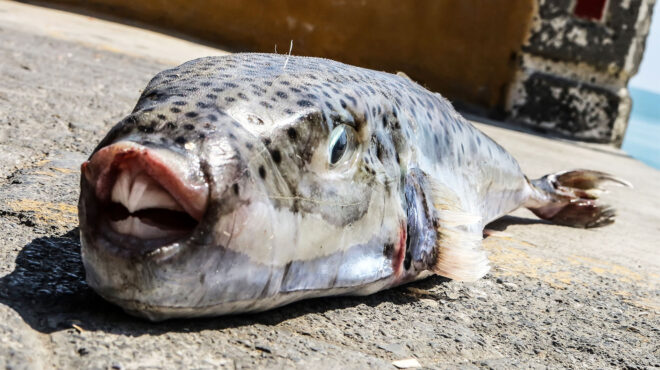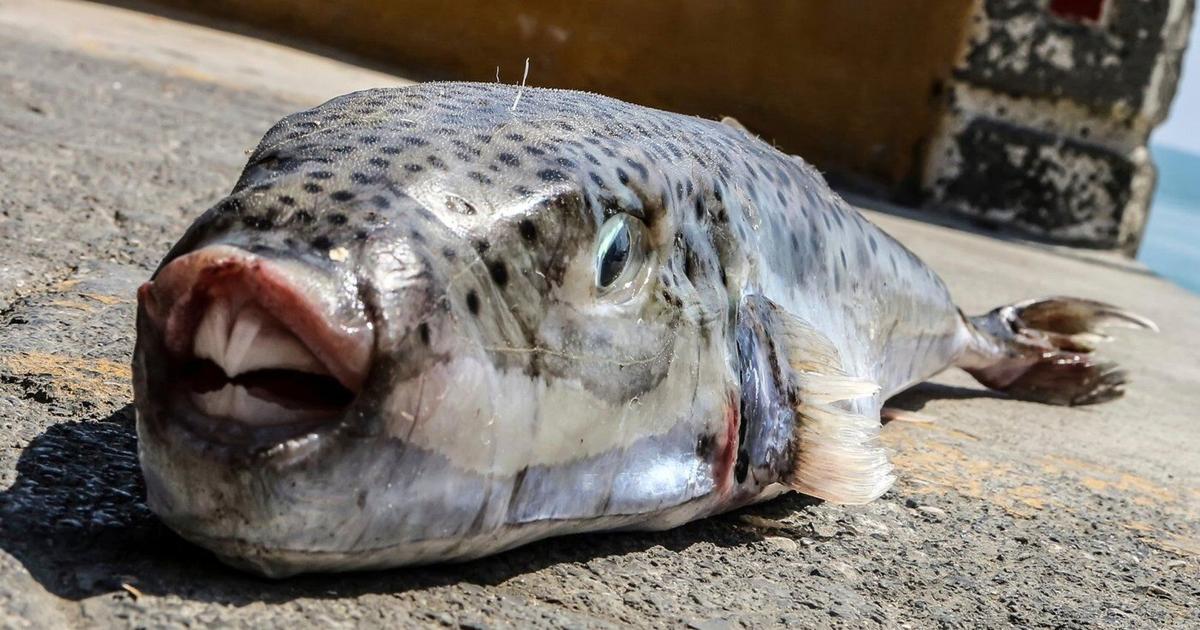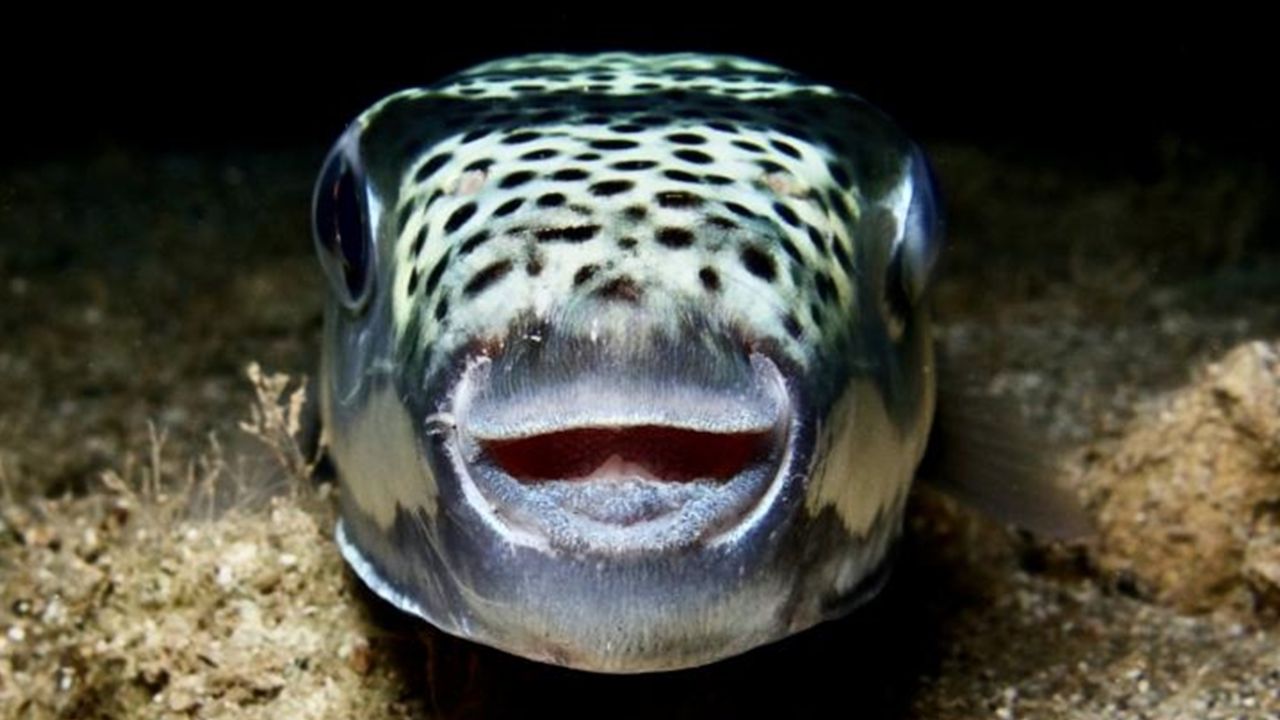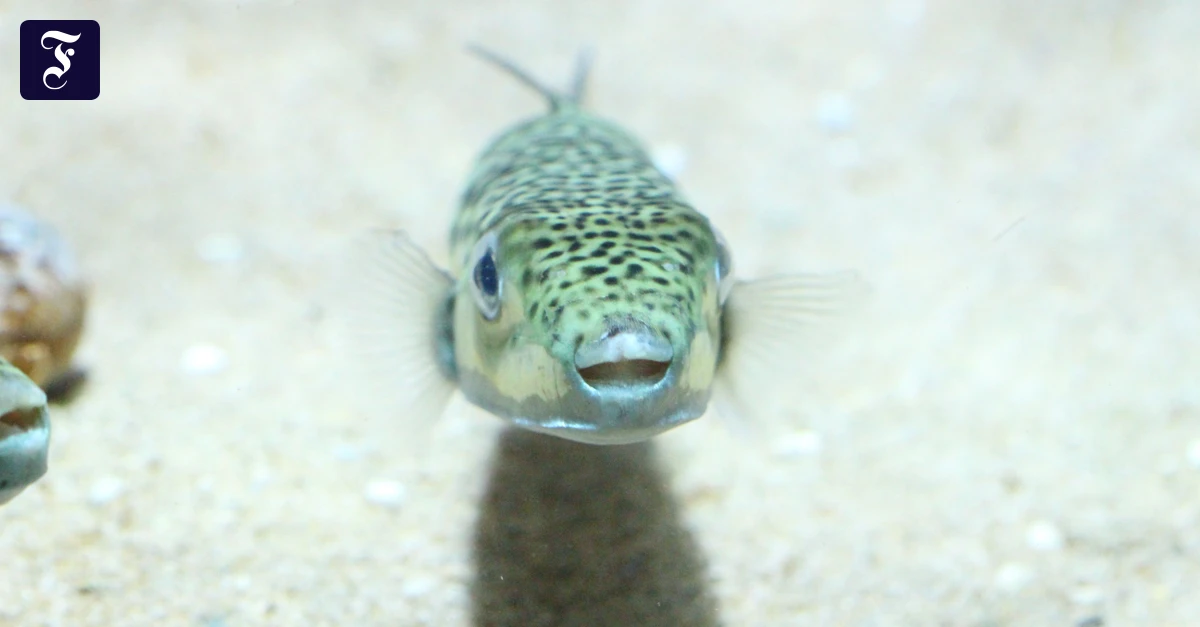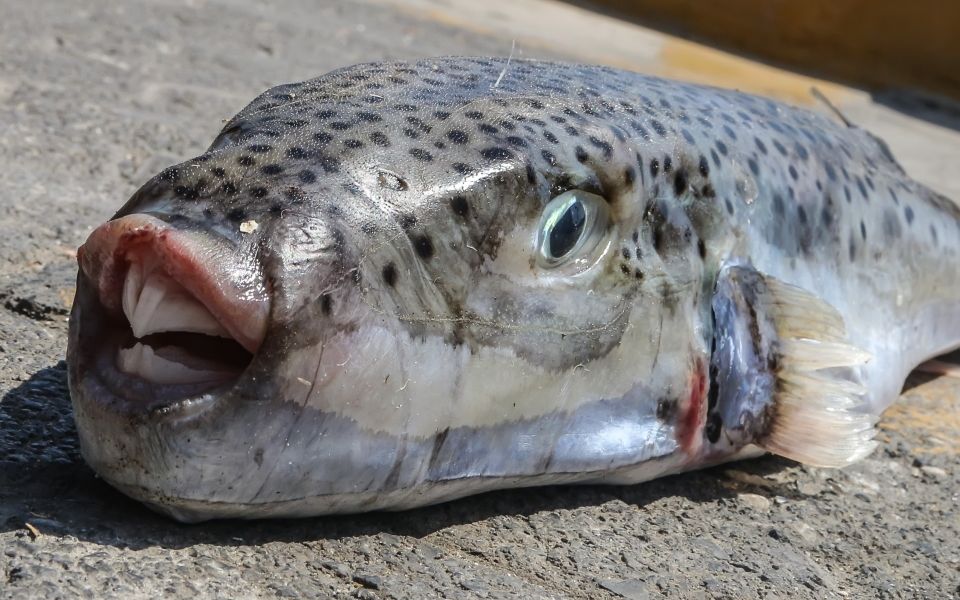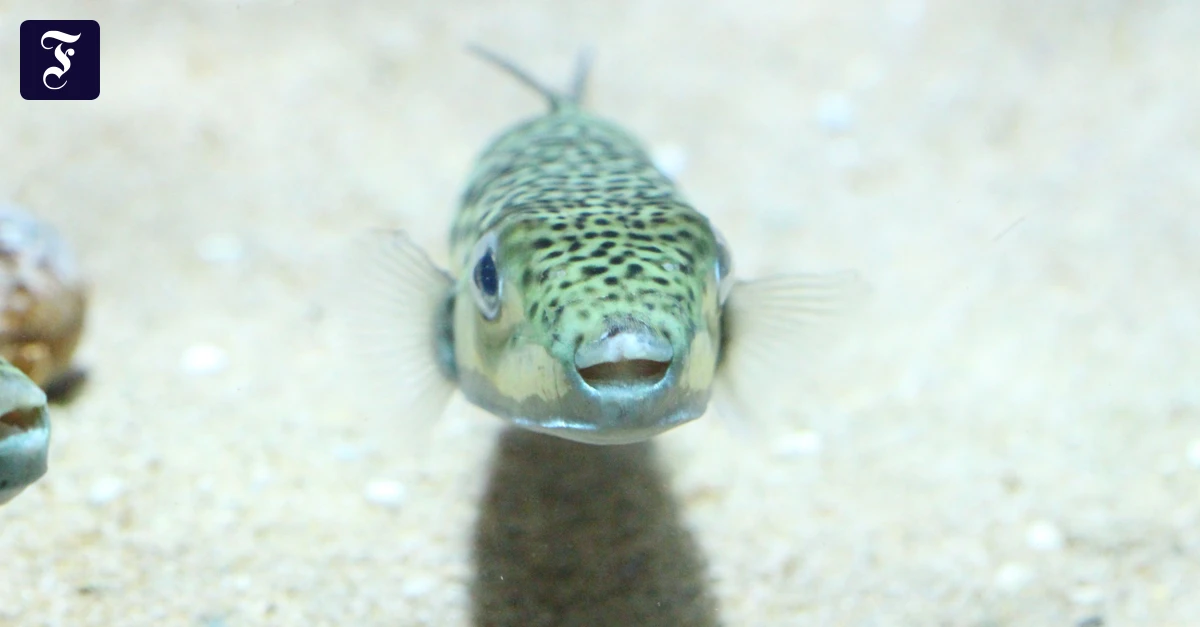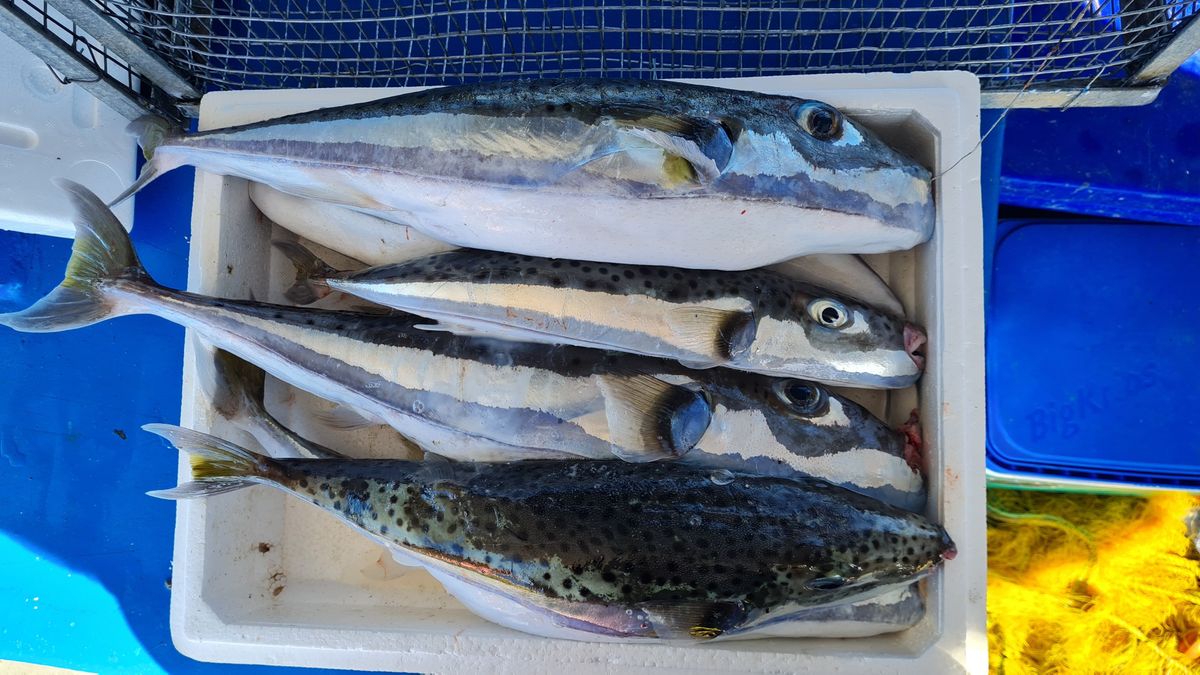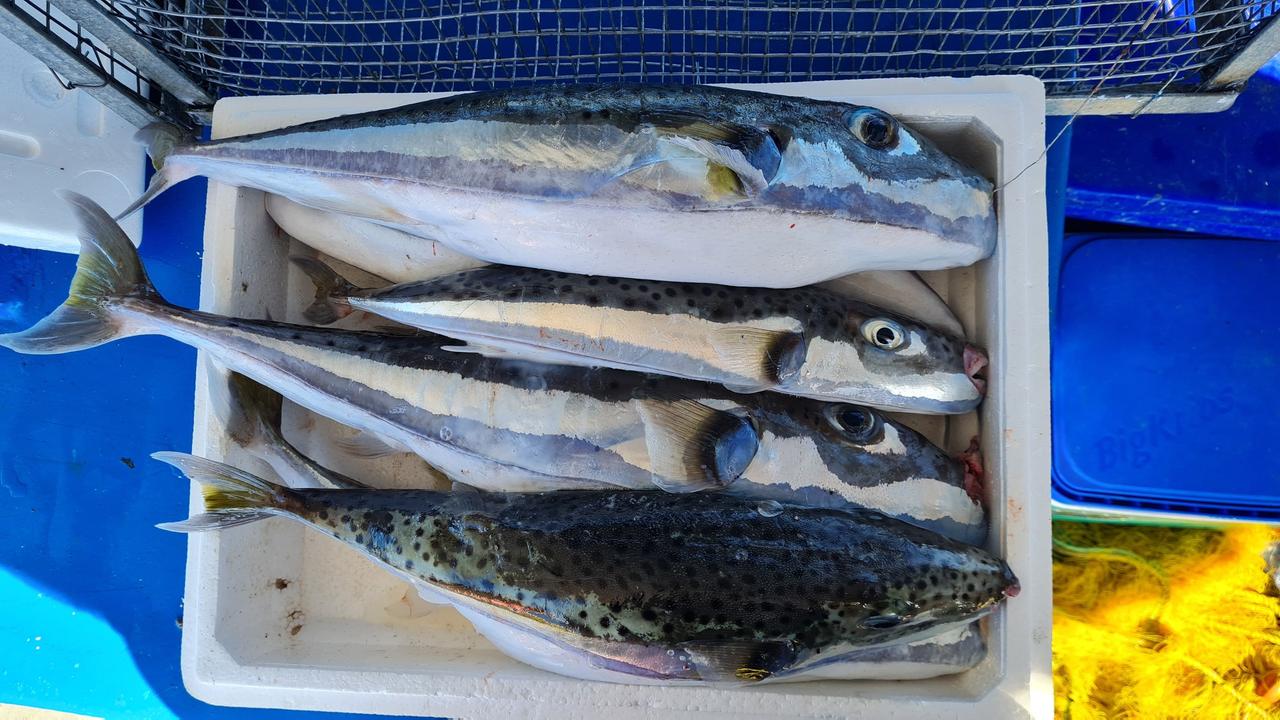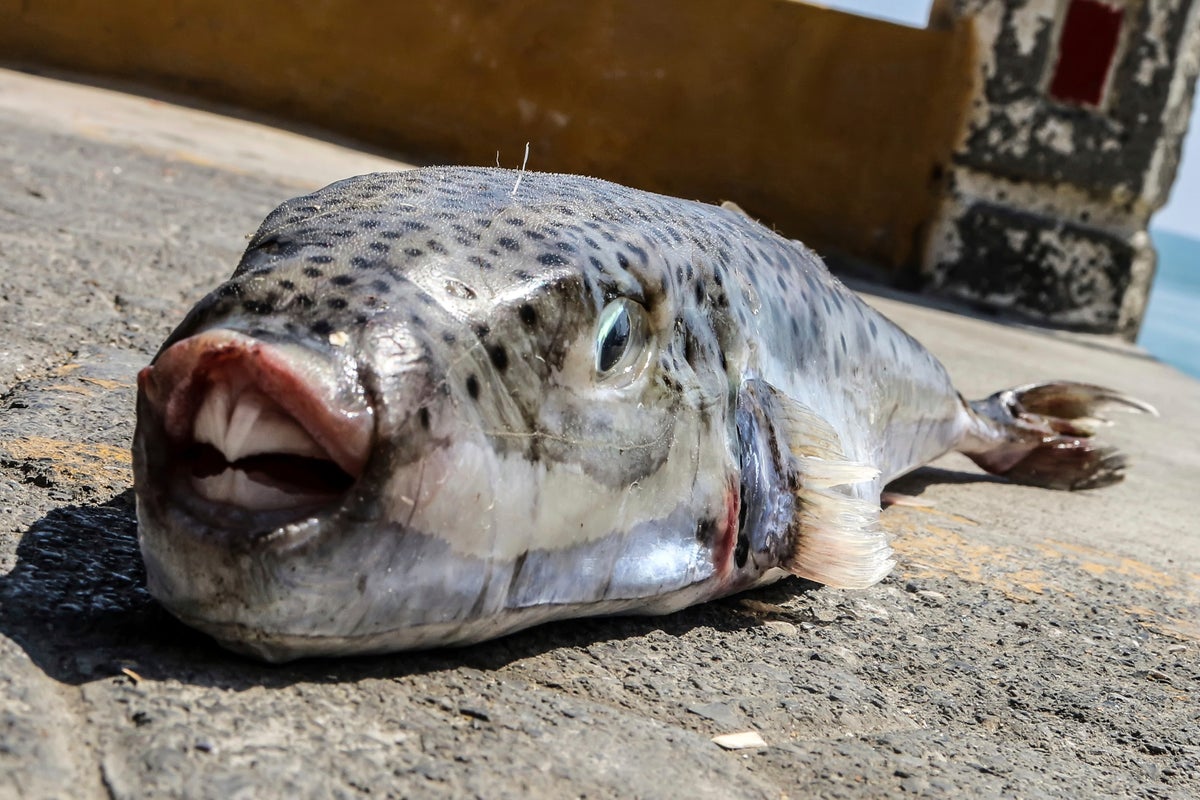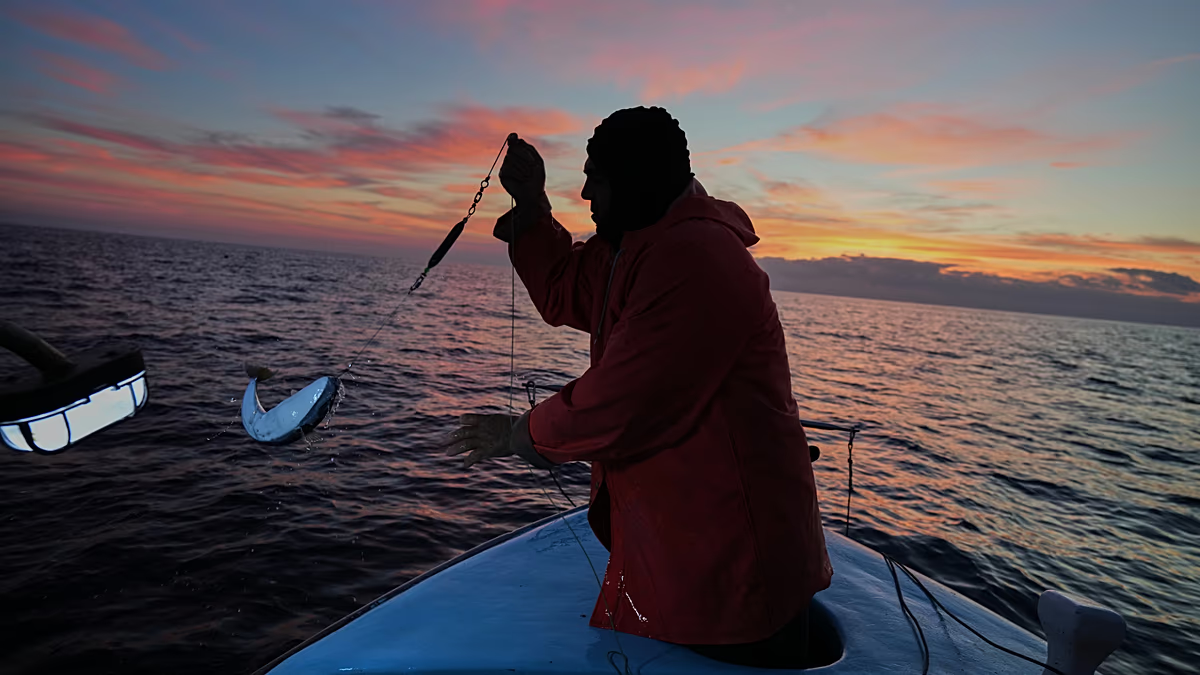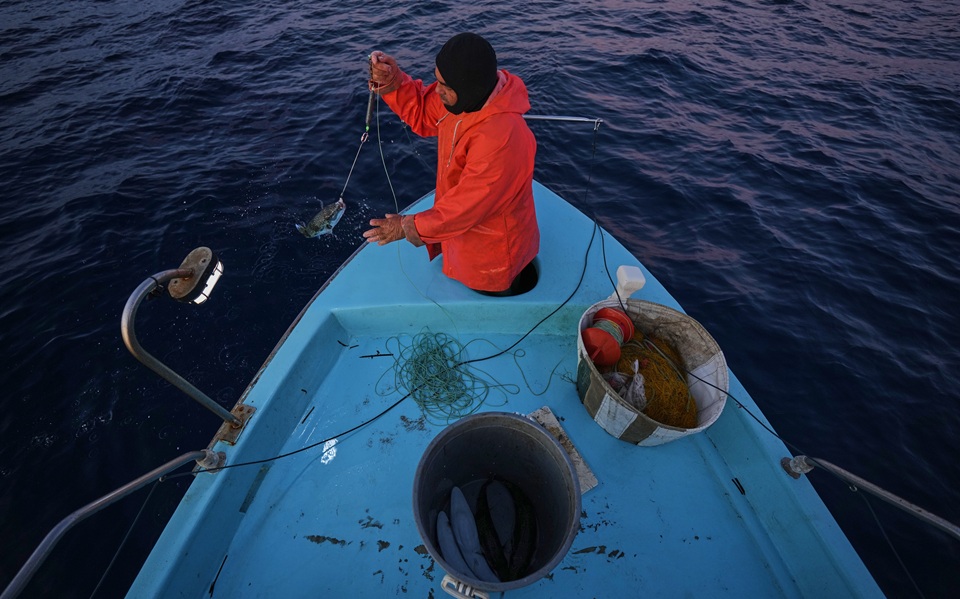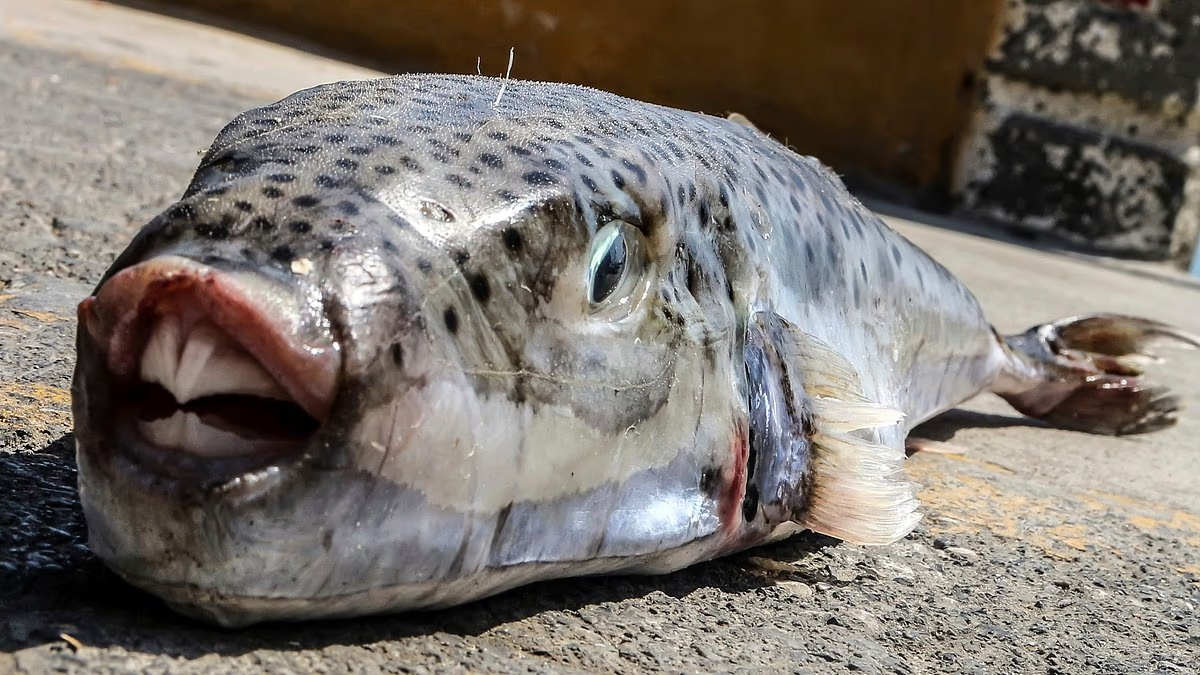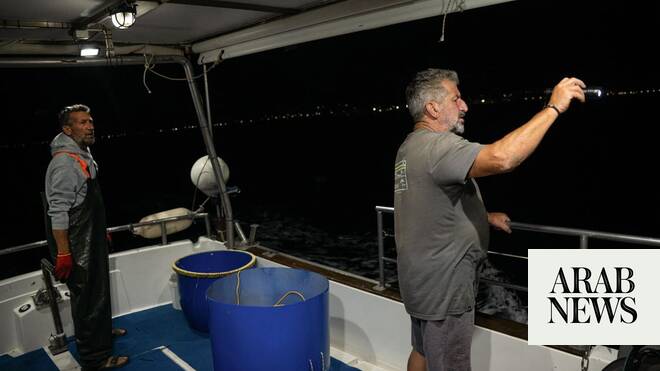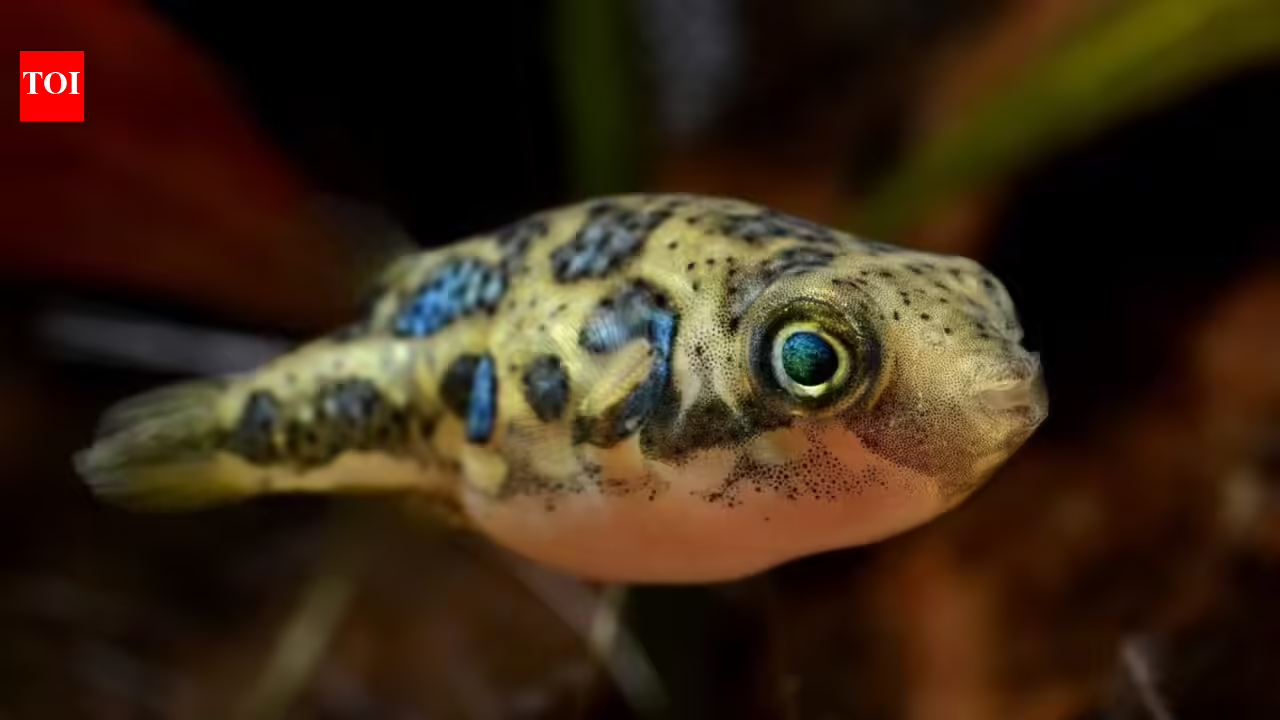
Greece is battling an invasive pufferfish species wreaking havoc on its coastlines. These aggressive fish, with their powerful, human-like teeth, are destroying fishing gear and threatening local catches. Image Credits: WikipediaBeneath the surface of the Mediterranean, Greece is trying to curb an invasive pufferfish species. The fish is damaging fishing gear and threatening local catches across several coastal regions.This serious ecological challenge was recently highlighted in a report by the Greek Reporter. The report quotes marine expert Stefanos Kalogirou, an Associate Professor at the Agricultural University of Athens, who says the invasive silver-cheeked pufferfish has spread across several coastal regions. The analysis reveals that this predator is rapidly multiplying, creating significant structural damage to local fisheries and posing a safety concern for public health officials.The pufferfish's unusual teeth and feeding habitsTo understand why this specific fish is causing concern, it helps to look at its unusual physical characteristics and aggressive behaviour. The silver-cheeked pufferfish is a torpedo-shaped creature known for possessing an incredibly strong set of prominent, human-like teeth. According to the IUCN Mediterranean Marine Invasive Species network, its strong teeth let it bite through hard shells and other prey. Online videos posted by fishing crews and broadcast by Greek media show the aggressive fish sinking its teeth into metal beverage cans and solid pieces of wood.The Greek Reporter says the invasive species grows quickly and reaches a large size. As they grow larger, they need more food and hunt across the seabed. Their diet includes fish, crustaceans, molluscs, and cephalopods. This feeding habit can put pressure on species important to local fisheries.The fish also poses a serious internal toxicity risk. The liver and reproductive organs of this species contain an incredibly potent neurotoxin called tetrodotoxin, which remains stable even after cooking, as noted by the Greek Reporter. Public health officials warn that eating the fish can cause paralysis and can be fatal. Because of its toxicity, the fish cannot be sold for food in the EU.Their potent neurotoxin makes them inedible and a public health risk. To combat this, authorities are offering fishermen a bounty for every kilogram caught, aiming to control the population and protect livelihoods. Image Credit: WikipediaTurning fishermen into active environmental huntersRegional authorities have introduced measures to control the spread before the tourist season peaks. This intervention was covered in a report by The Independent. The report describes a new government incentive program for local fishermen.According to the official details shared in the report by The Independent, the government is offering a direct bounty of €5.33 per kilogram for catches of this specific pufferfish. The agriculture minister announced the launch of the program to manage the population. Under the program, all collected fish will be frozen and incinerated at local government facilities so they do not enter the food chain.This is slightly repetitive and could be tighter. Crews frequently find their longlines destroyed and their nets badly damaged by the fish's teeth. Giorgos Kyriakakis of a Cretan fishermen's association told public broadcaster ERT that workers spend days repairing gear, so the payout may help offset losses.Regional authorities and local tourism boards are urging the public to remain calm. A statement issued by 16 medical and tourism associations on Crete emphasises that these predators live primarily in deeper offshore waters and do not pose an imminent danger to ordinary beachgoers. Officials say the program is intended to reduce the fish population and ease public concern.
Greece has placed a bounty on the head of the world's most toxic pufferfish, paying fishermen €5.33 per kilo to hunt the invasive predator
Beneath the surface of the Mediterranean, Greece is trying to curb an invasive pufferfish species. The fish is damaging fishing gear and threatening local catches across several coastal regions.
568 words~3 min read