This is the latest in a series of semi-regular columns by Robbin Laird, where he will tackle current defense issues through the lens of more than 45 years of defense expertise in both the US and abroad. The goal of these columns: to look back at how questions and perspectives of the past should inform decisions being made today.
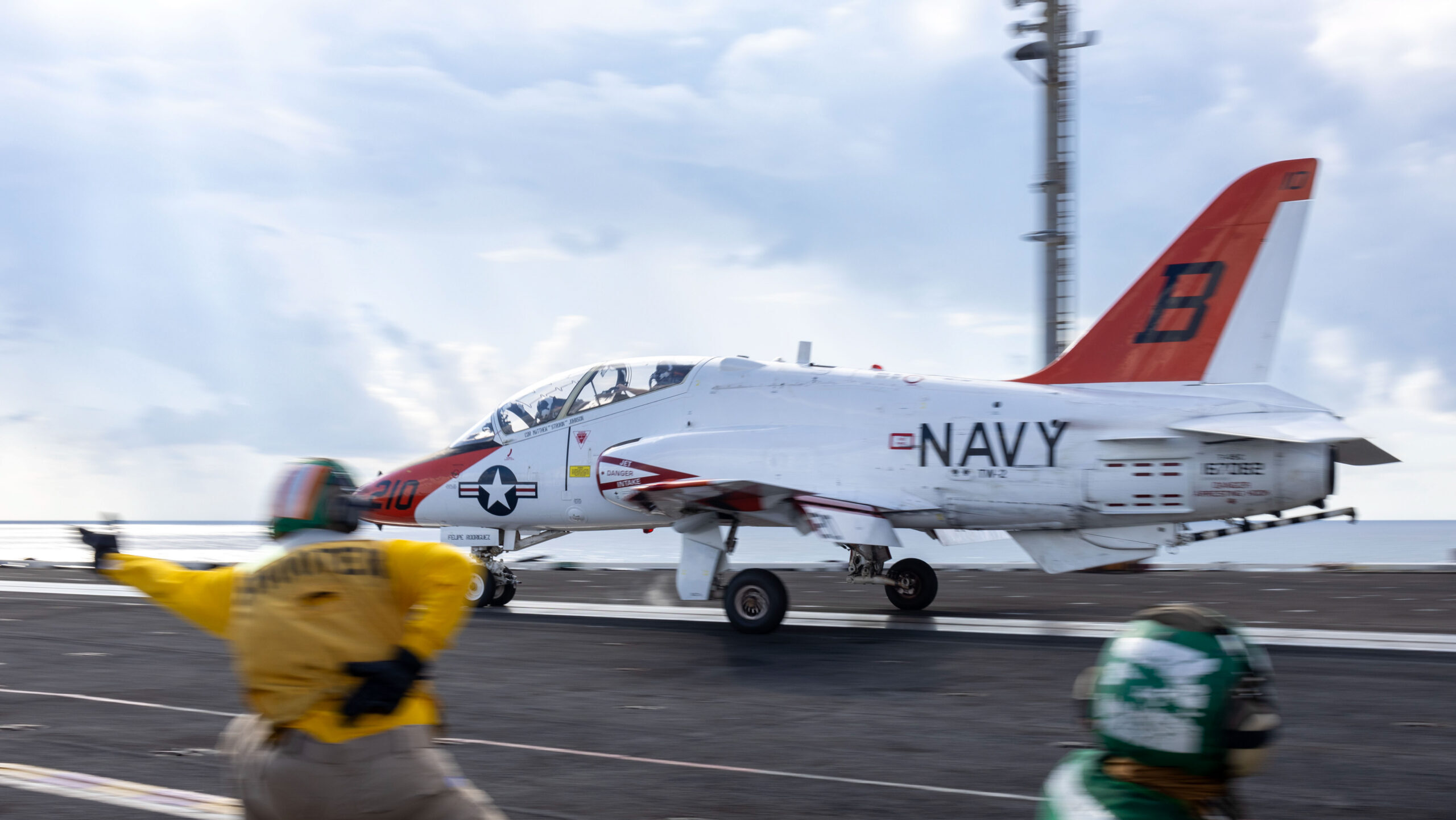
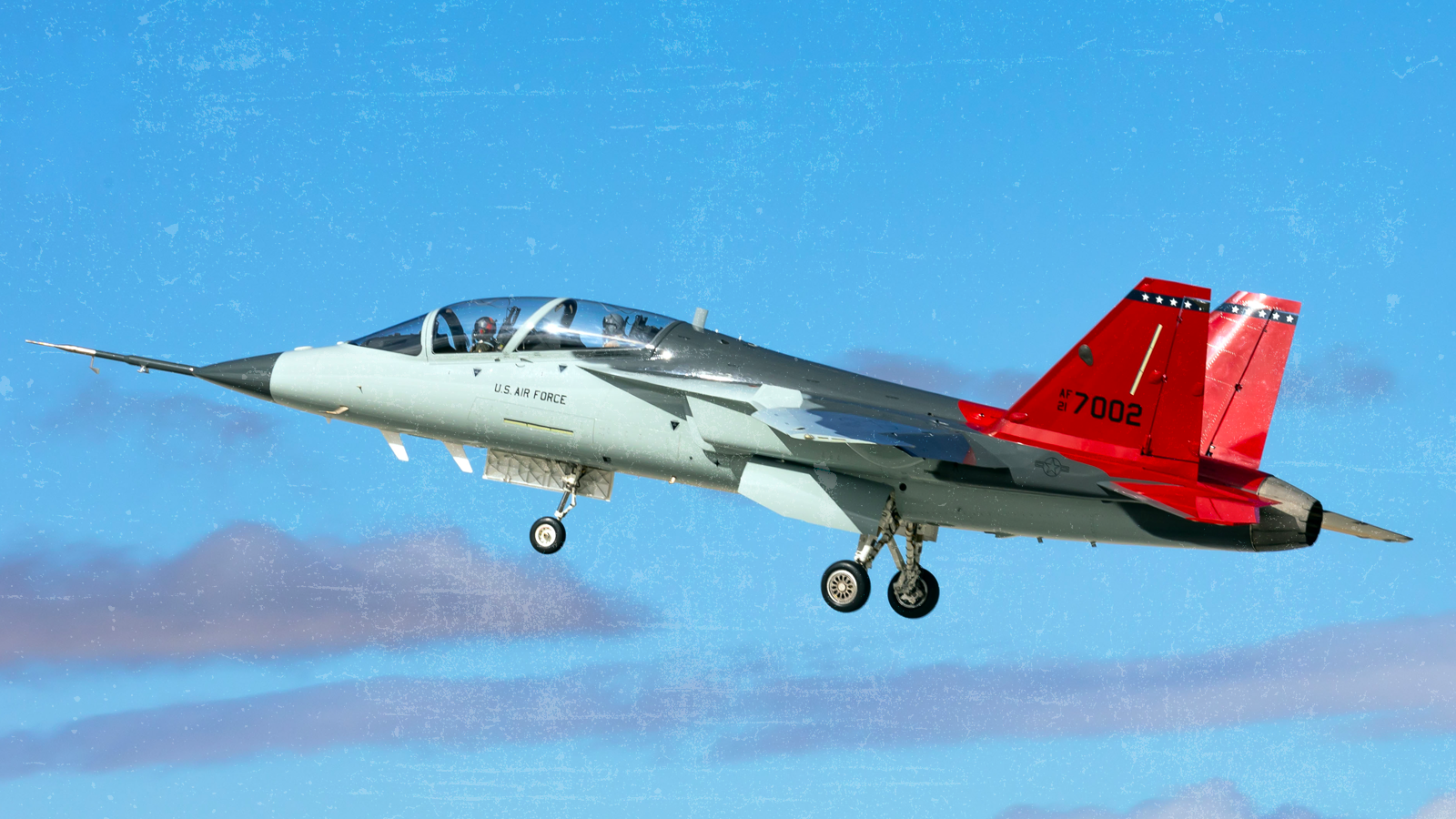
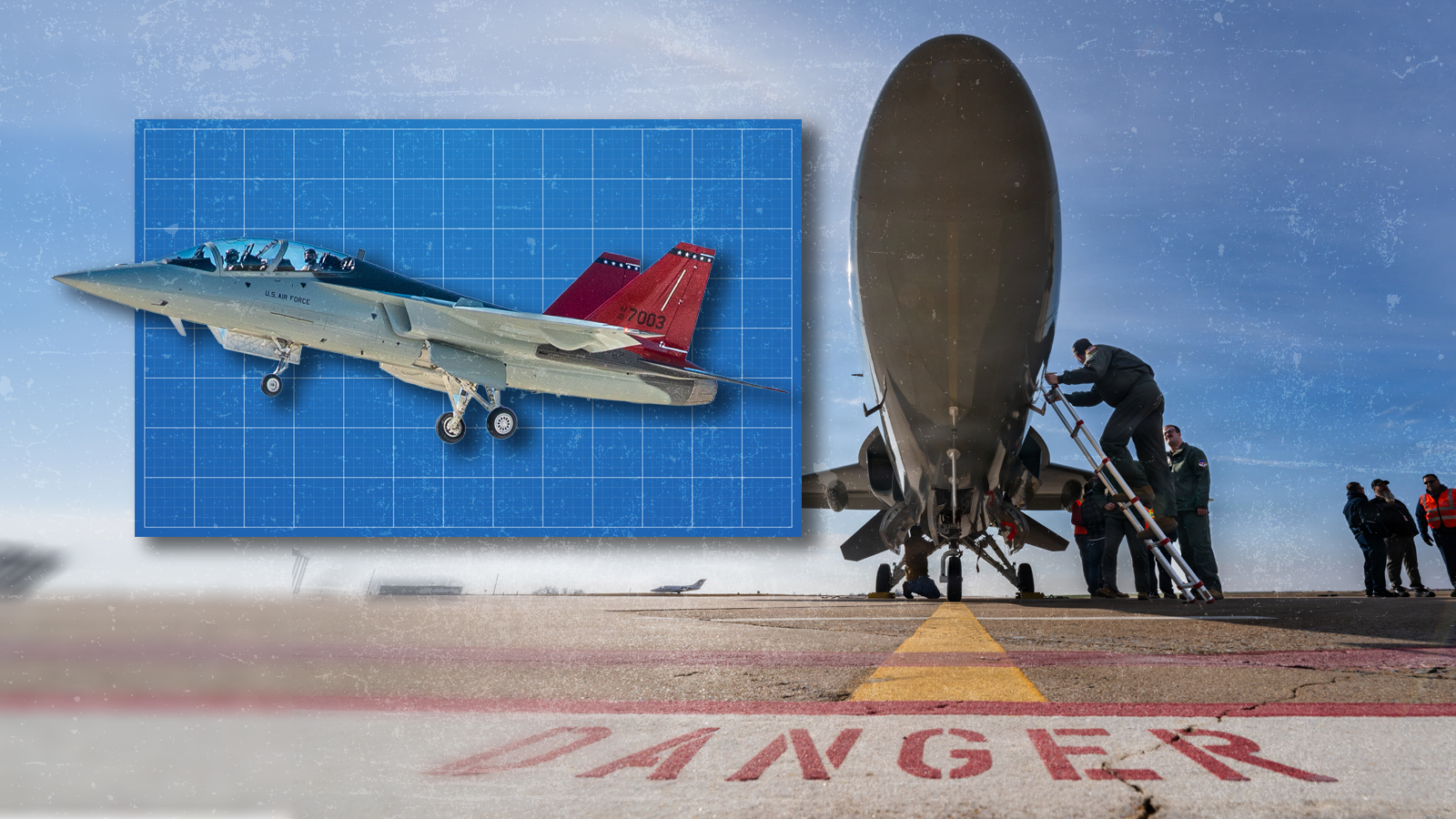
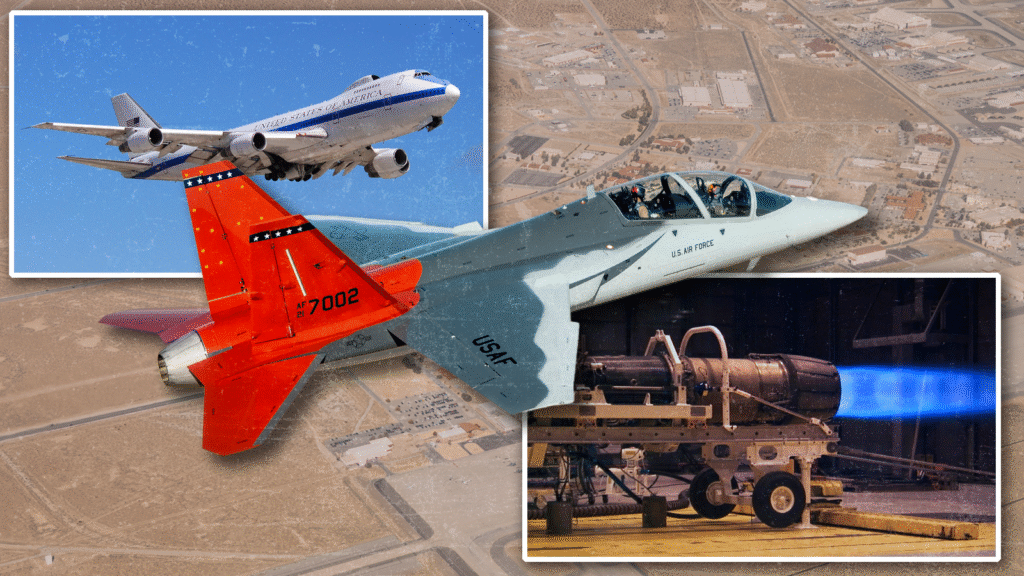
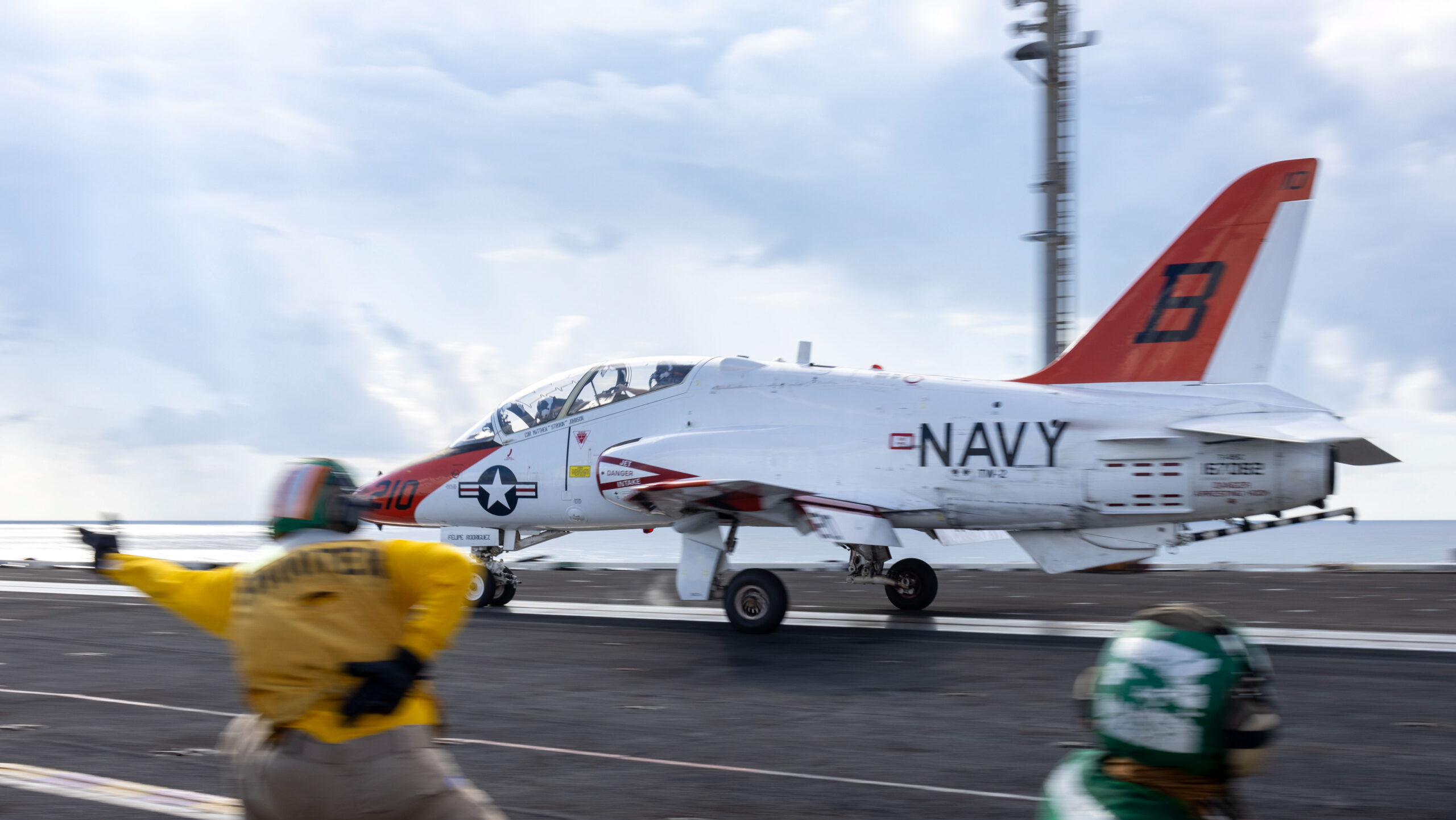
Boeing’s decision this month to withdraw the T-7A Red Hawk from the US Navy’s Undergraduate Jet Training System (UJTS) competition could open up the question of whether the service should slow down or reboot its search for a T-45 Goshawk replacement.
The company became the second major competitor to drop out, after Lockheed Martin exited the field. That has left two teams: Textron/Leonardo with a navalized M-346 variant, and Sierra Nevada Corporation leading a consortium “white sheet” Freedom Trainer bid. And in the past, Pentagon officials have delayed or restarted competitions when competitors drop out, under the thinking that fewer bidders leads to a weaker outcome and operational risk.
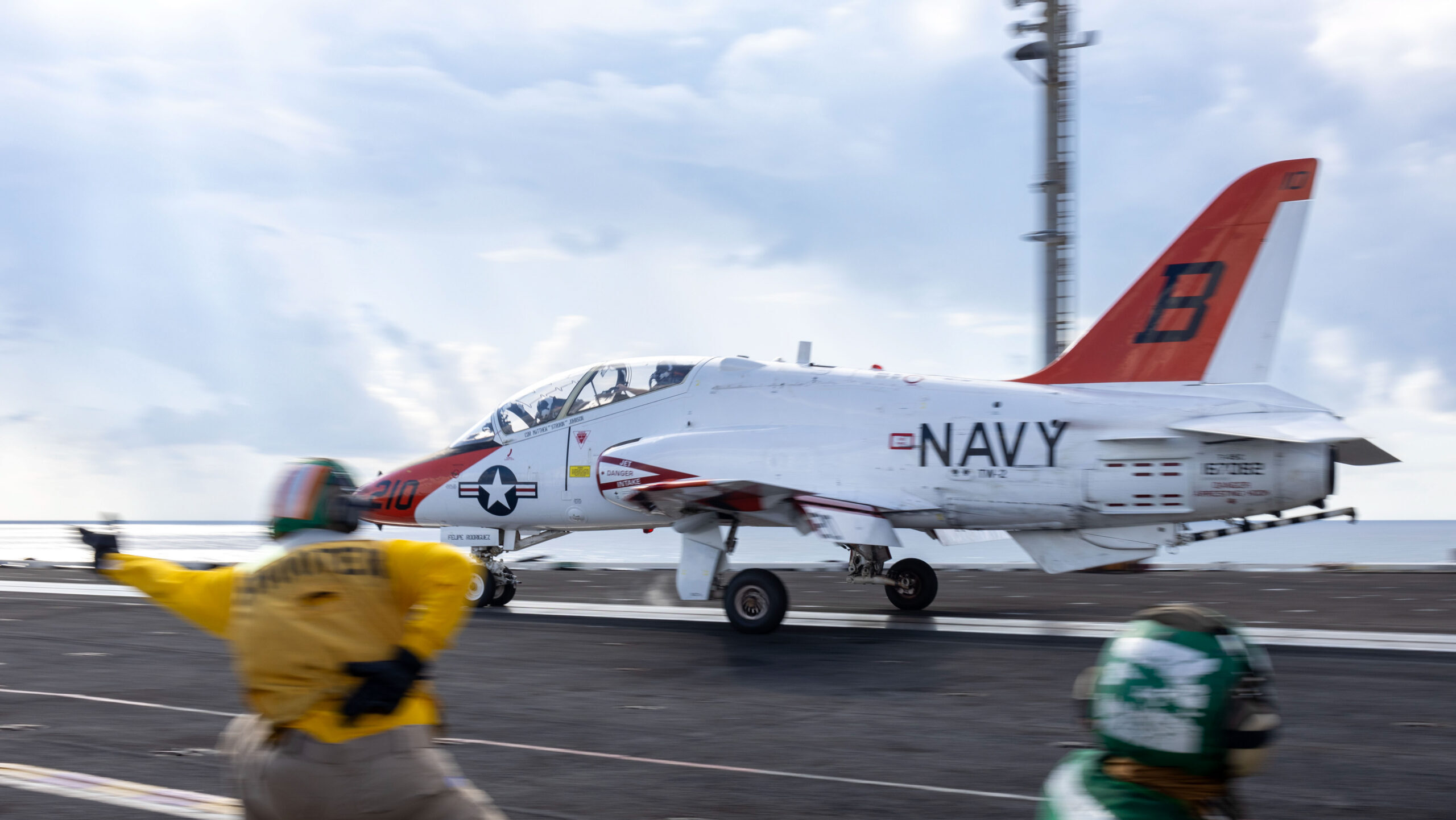
But delaying UJTS in search of a “better” competition would lock in a more immediate operational risk: keeping naval jet pilot production dependent on an aging, failure-prone T-45 fleet, and pushing even more of the basic training burden onto already-stressed F/A-18 and F-35C squadrons.