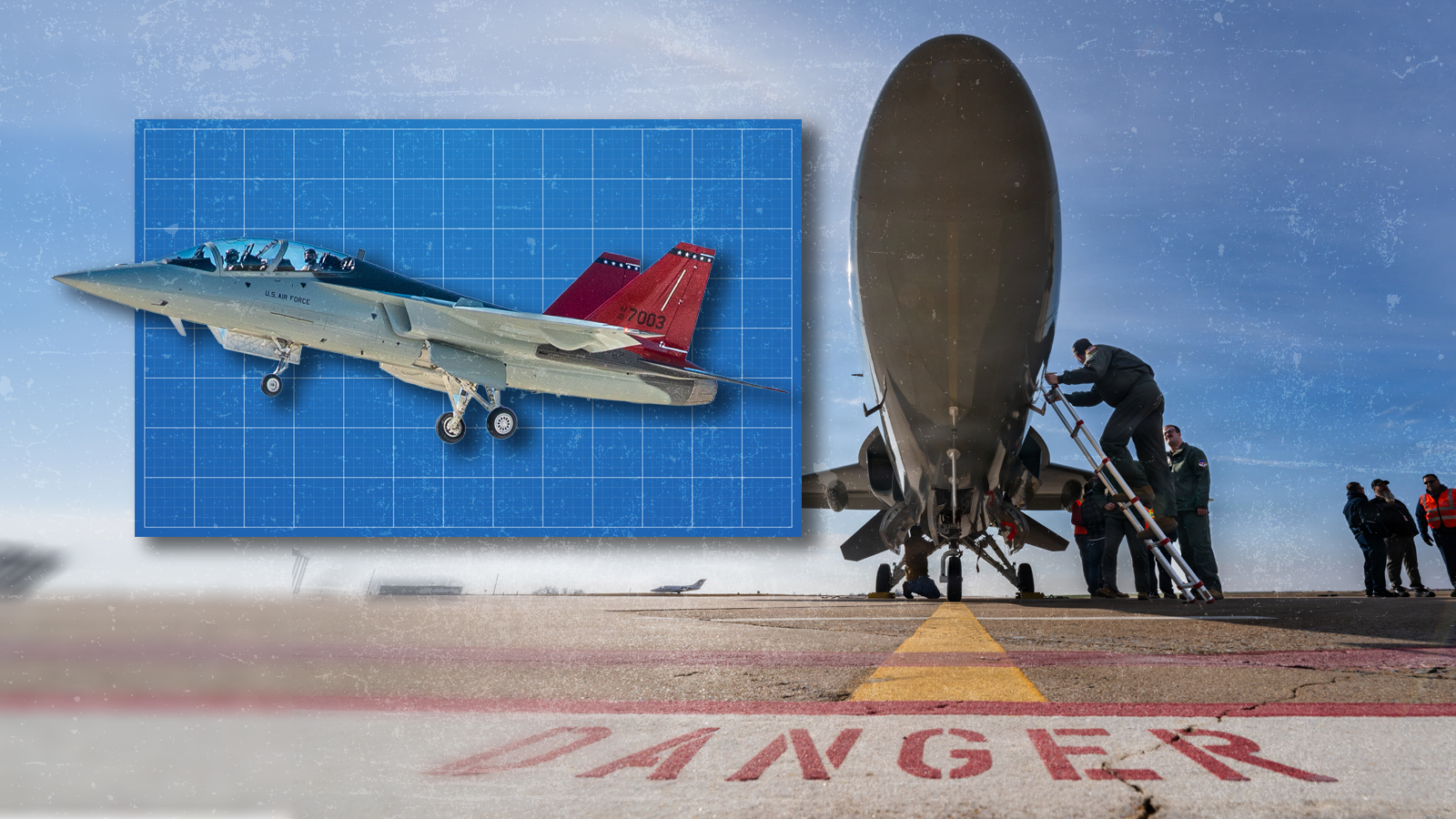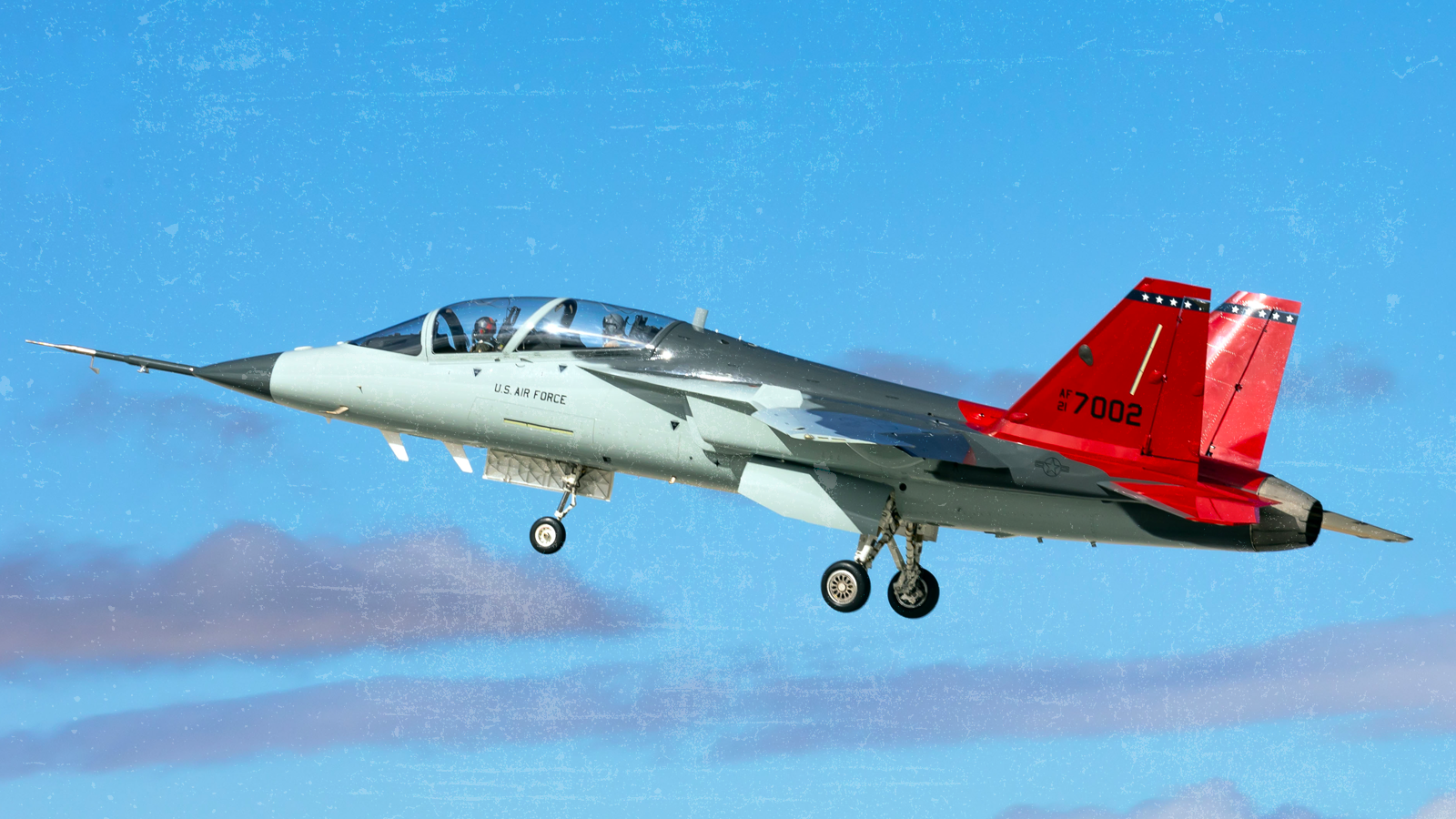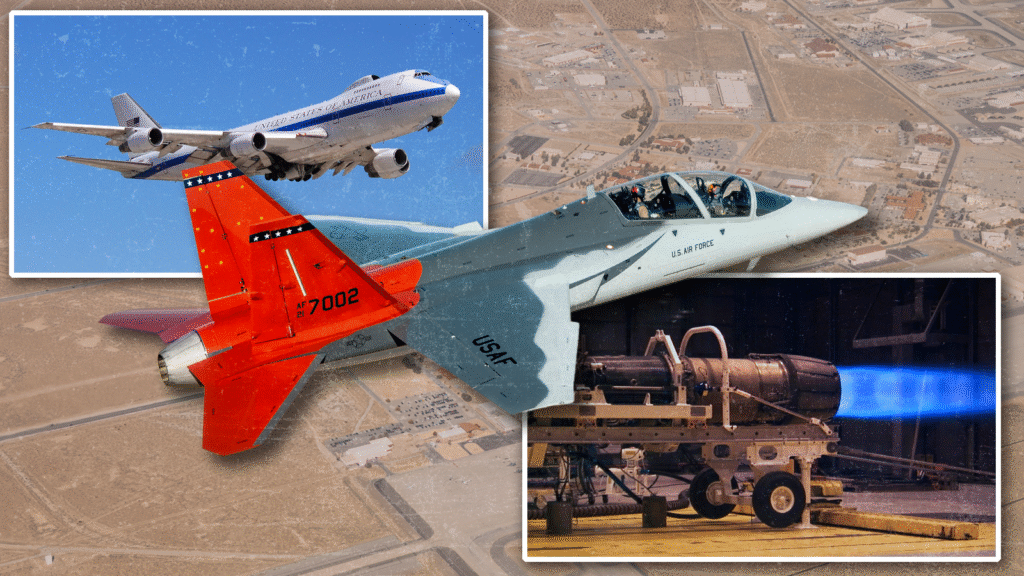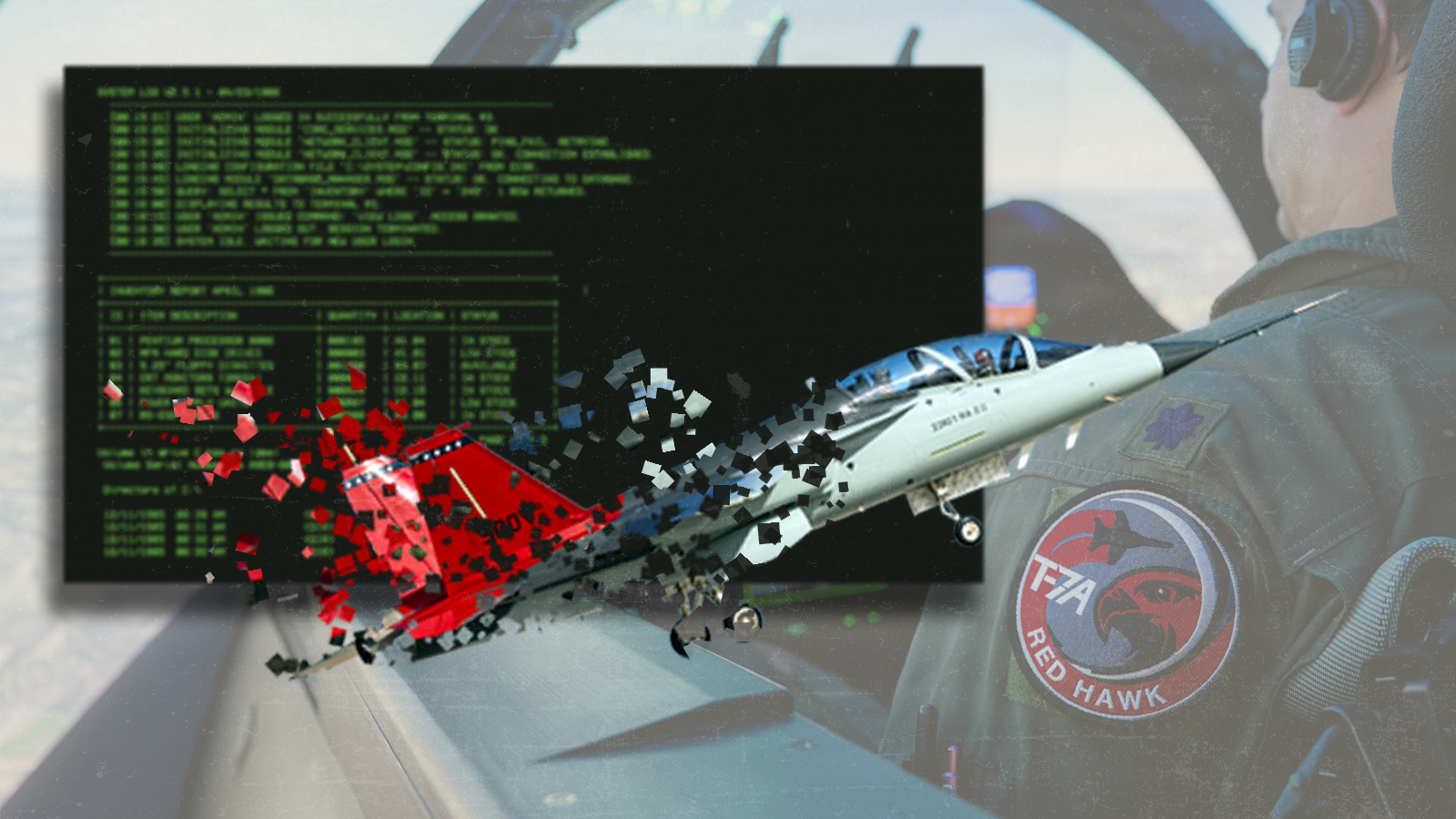
WASHINGTON — On the verge of approving the T-7 Red Hawk for production, the Air Force quietly assessed a key problem facing its new training jet: The service may have difficulty adequately sustaining it, according to an Air Force document reviewed by Breaking Defense.
The Air Force document, part of a March 2026 internal presentation for the T-7’s production decision, rates sustainment of the aircraft as “high risk.” Sustainment essentially refers to a platform’s underlying logistics support, and in the case of the T-7, the Air Force is missing technical data it needs to maintain it — a source of tension with Boeing on the Red Hawk’s contract. And the problem is further complicated by parts shortages.
In other words, as one source with direct knowledge of the program told Breaking Defense, the Air Force is “going to struggle mightily to sustain this aircraft.” And to get the necessary data, an Air Force official acknowledged, may well cost taxpayers additional funds on top of Boeing’s already existing $9.2 billion contract to deliver the Red Hawk.
The issue at its core stems from a dispute between the Air Force and Boeing over what the T-7’s contract requires of the company. In a bid to reset relations, the Air Force implemented a new “active management” strategy, which service officials described as fostering greater cooperation to resolve various issues.