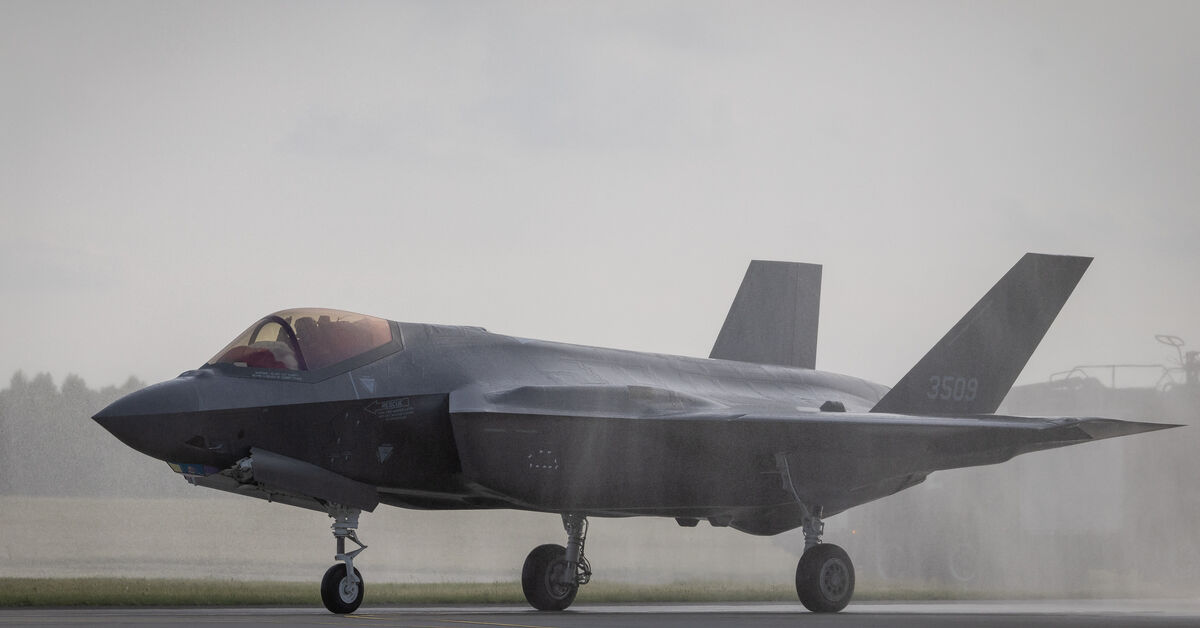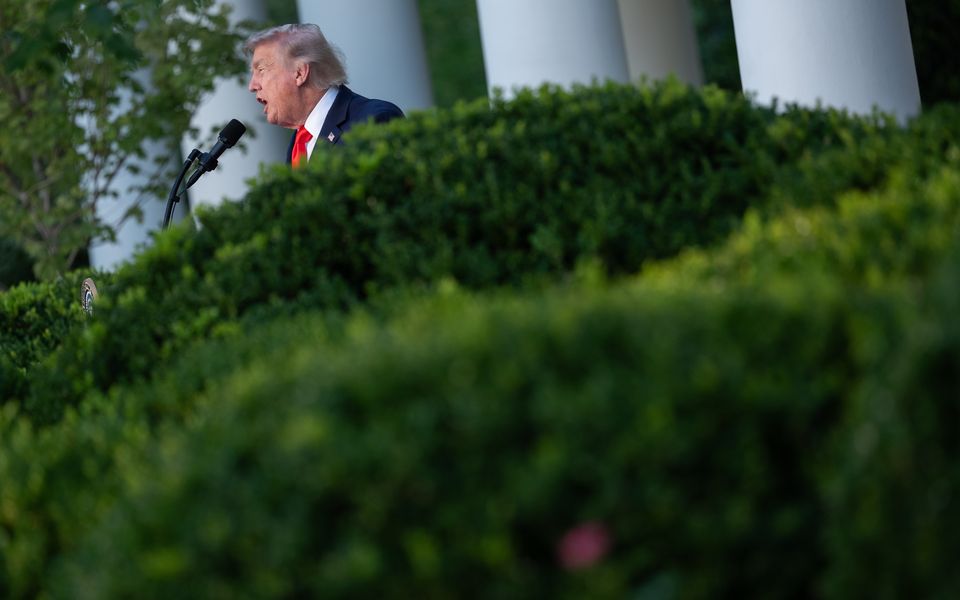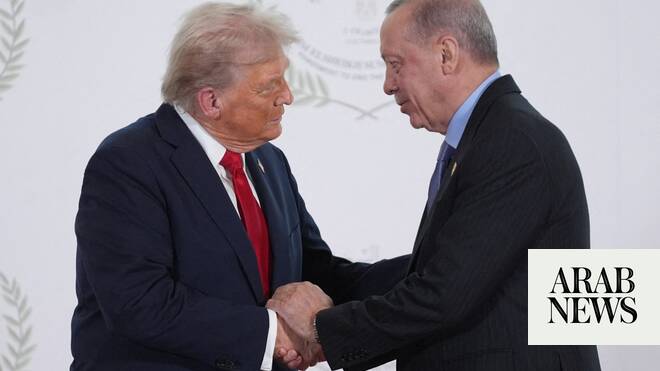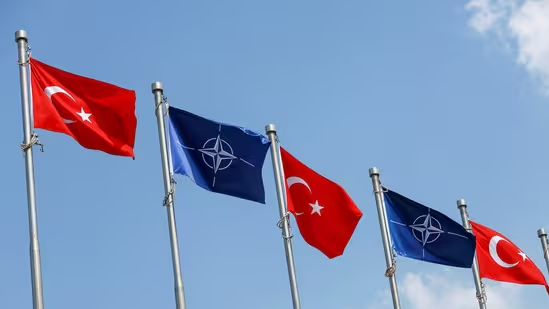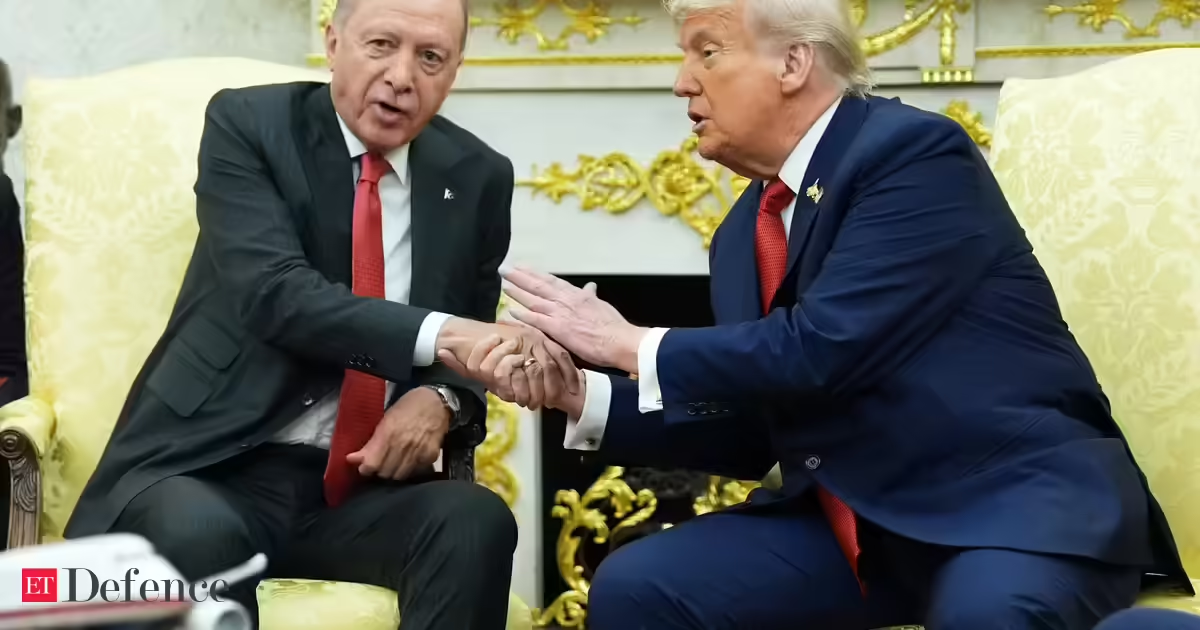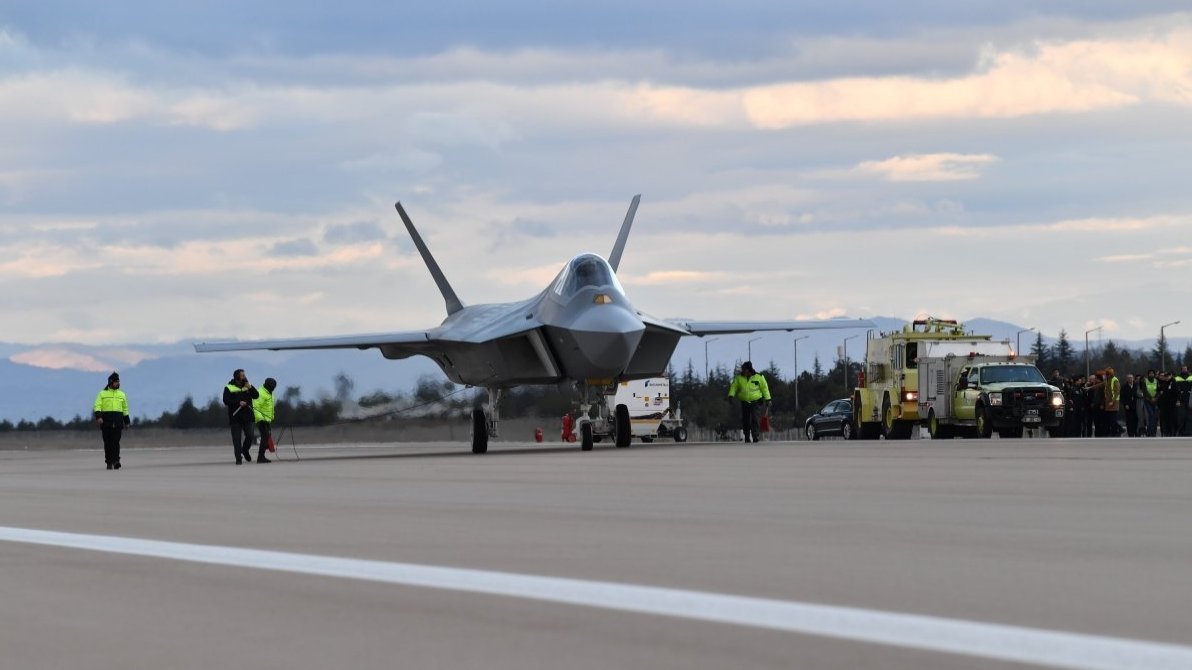
US President Donald Trump has personally intervened to clear the way for the sale of US-made F110 engines to Turkey, while simultaneously ordering a legal review of whether the statutory conditions exist for a future transfer of F-35 fighter jets to Ankara. Despite often being discussed together, the two cases are fundamentally different in both legal and political terms.
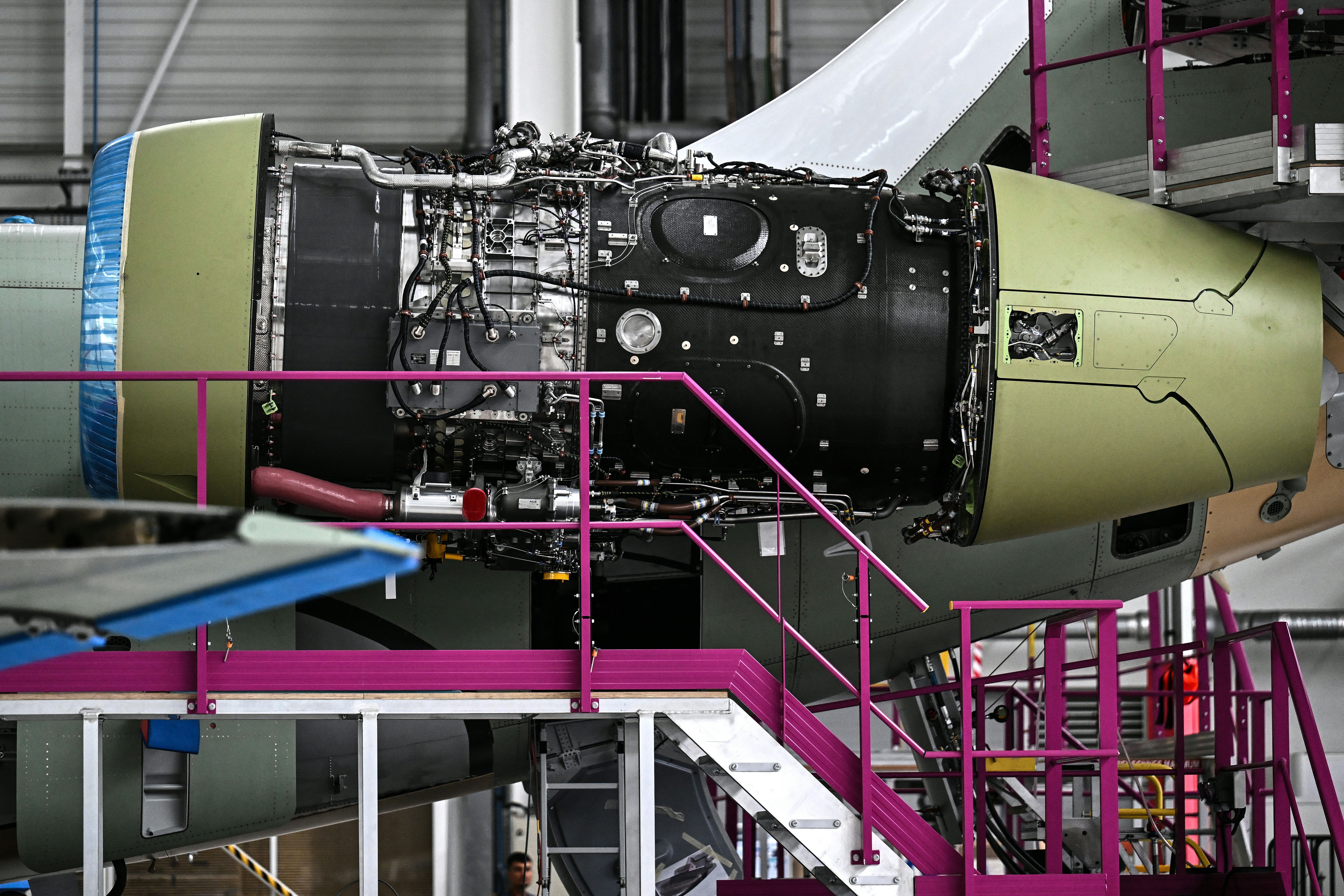
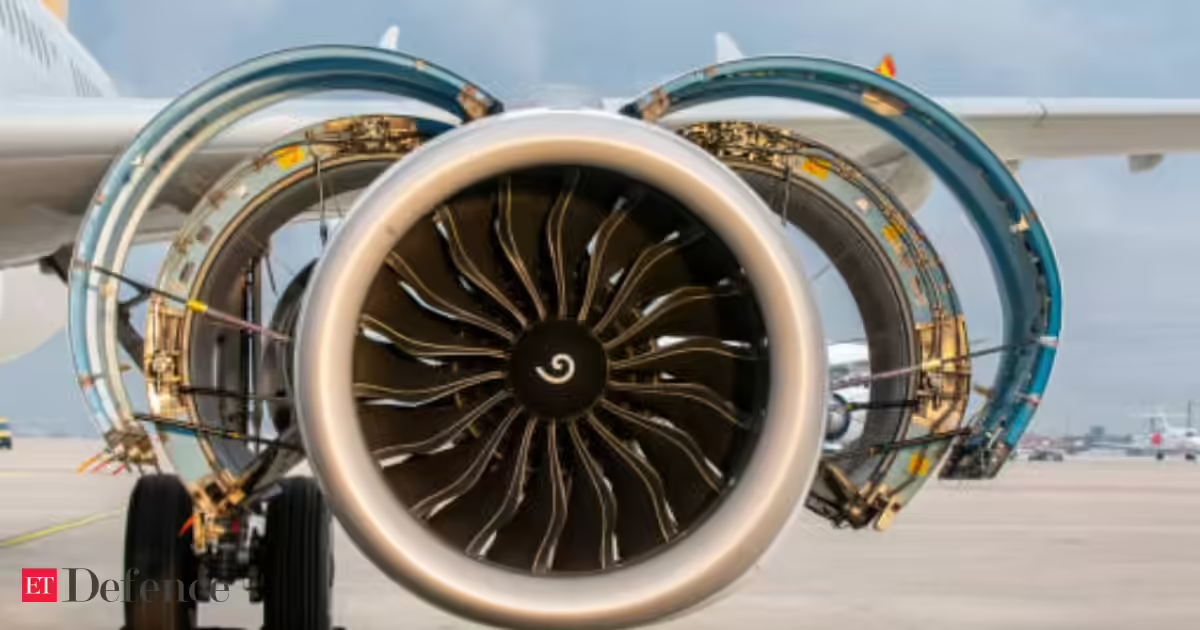
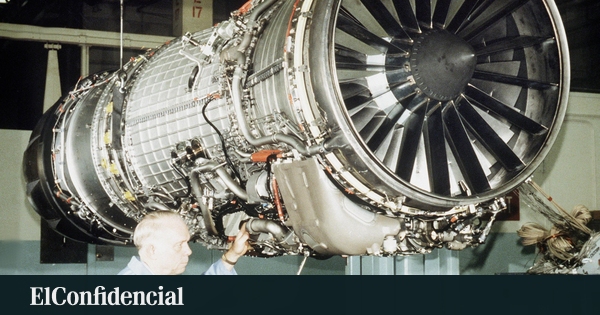
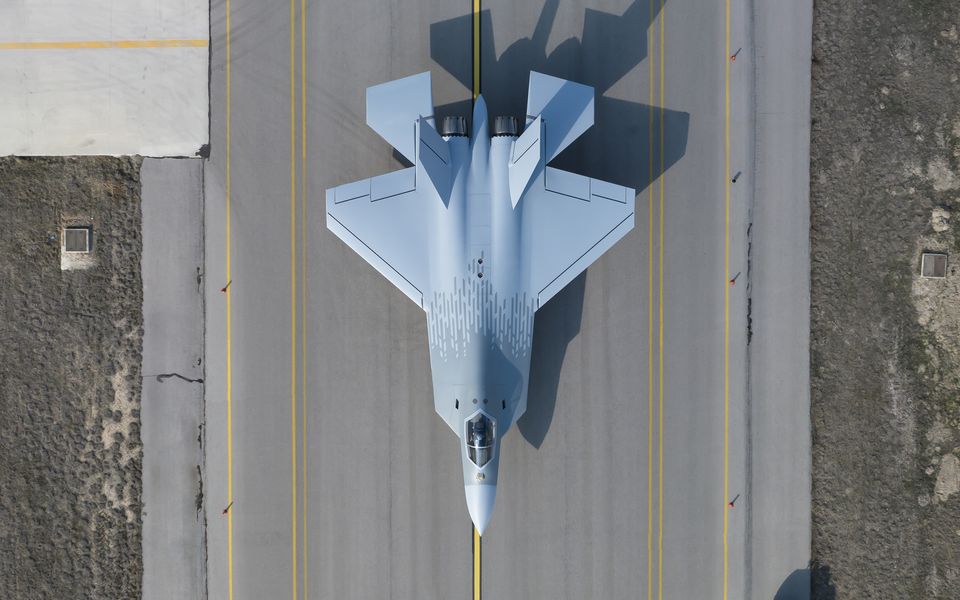
The supply of F110 engines for Turkey’s fifth-generation KAAN fighter does not face the same statutory restrictions that apply to the F-35 program, nor did it encounter significant resistance on Capitol Hill. For Washington, the engine sale therefore represented a relatively straightforward political and legal concession.
Since February, when the State Department first sent the proposed engine sale to Congress for informal consultation, the case remained effectively frozen despite the absence of broad congressional opposition. According to Kathimerini’s information, this prolonged stalemate – which Turkish Foreign Minister Hakan Fidan repeatedly raised with Secretary of State Marco Rubio – was attributable to two factors: first, the reservations expressed by Representative Gregory Meeks, the ranking Democrat on the House Foreign Affairs Committee; and second, the absence of any meaningful push from within the State Department itself to advance the case.