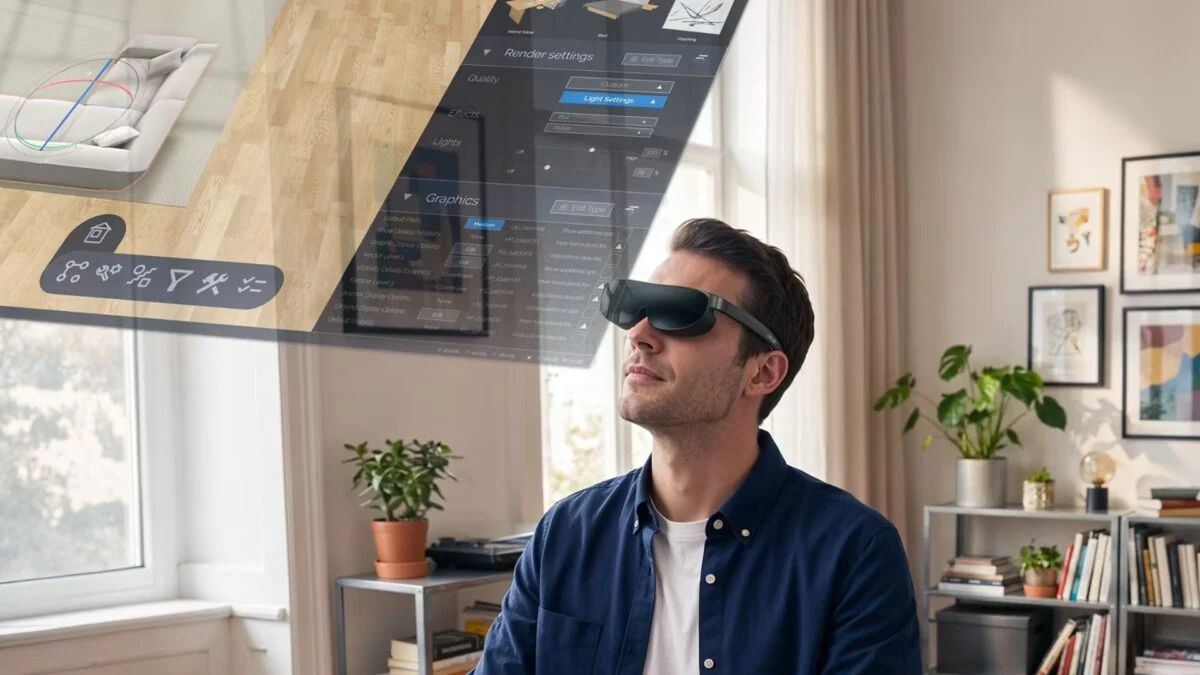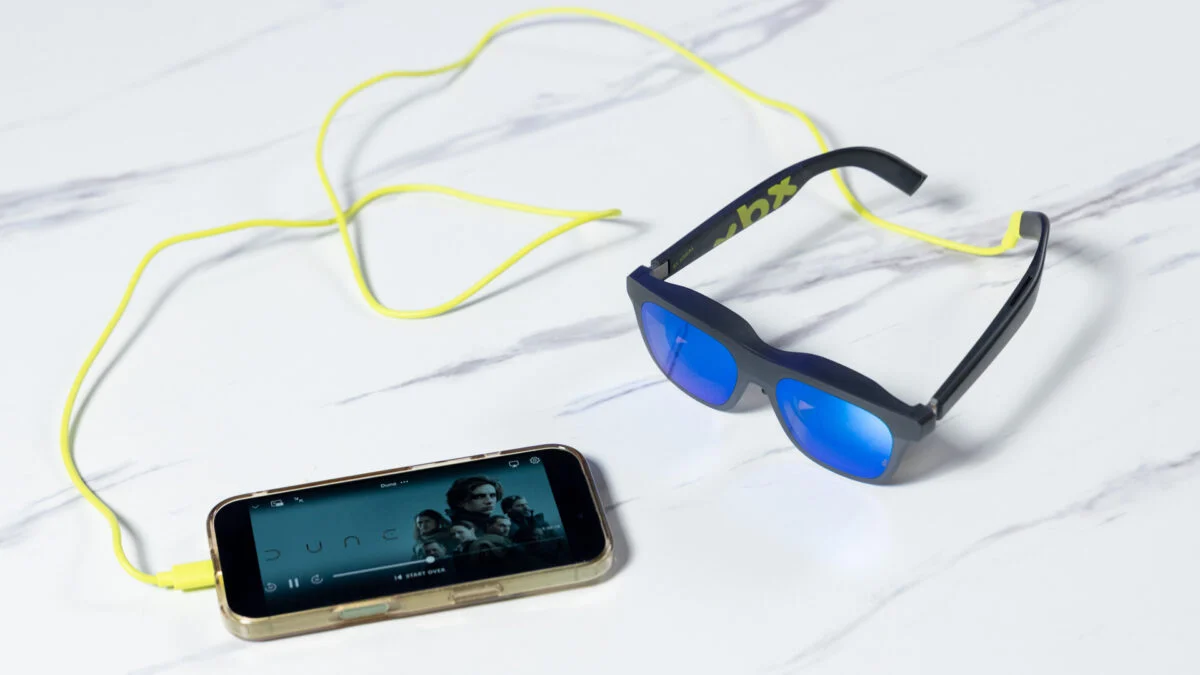
Smart glasses might be hogging most of the spotlight, but they’re not the only up-and-coming face-worn wearable on the big stage right now. AR glasses—the bigger, more sophisticated brother of smart glasses—are increasingly a thing, and competition feels tighter than ever.
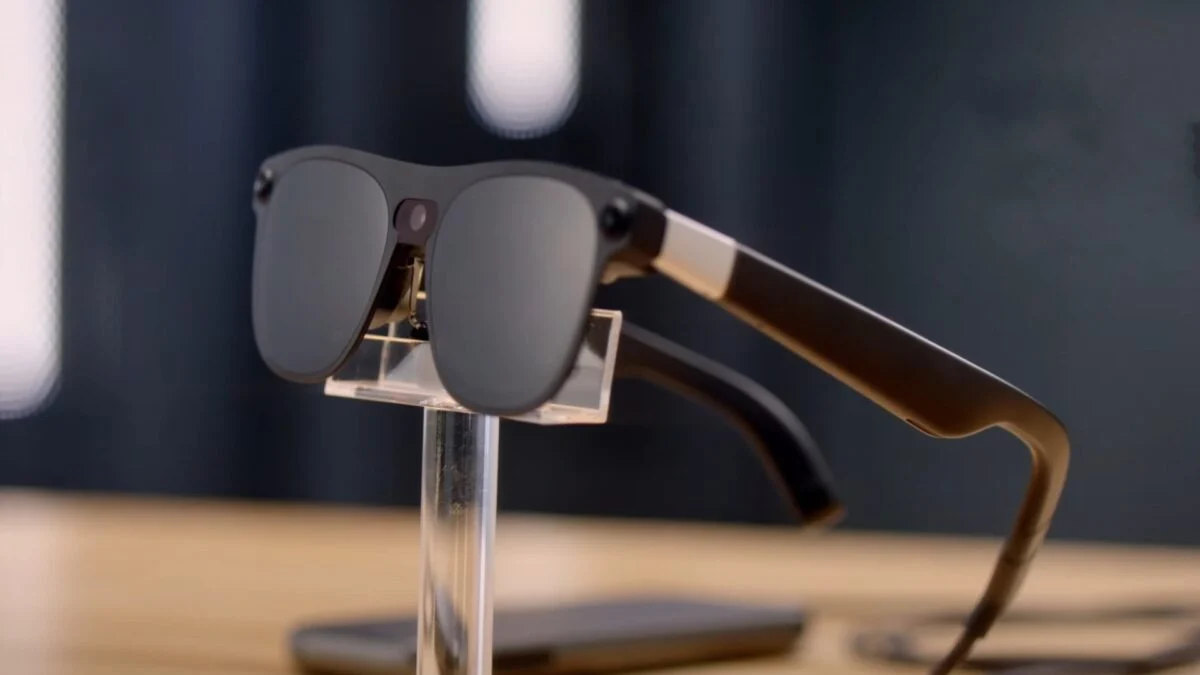
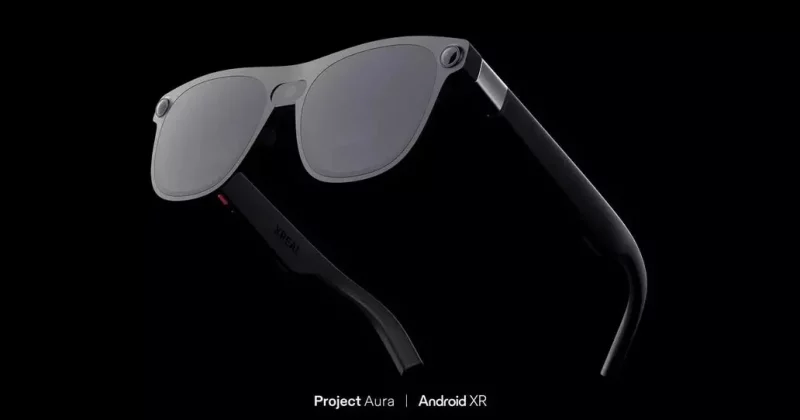
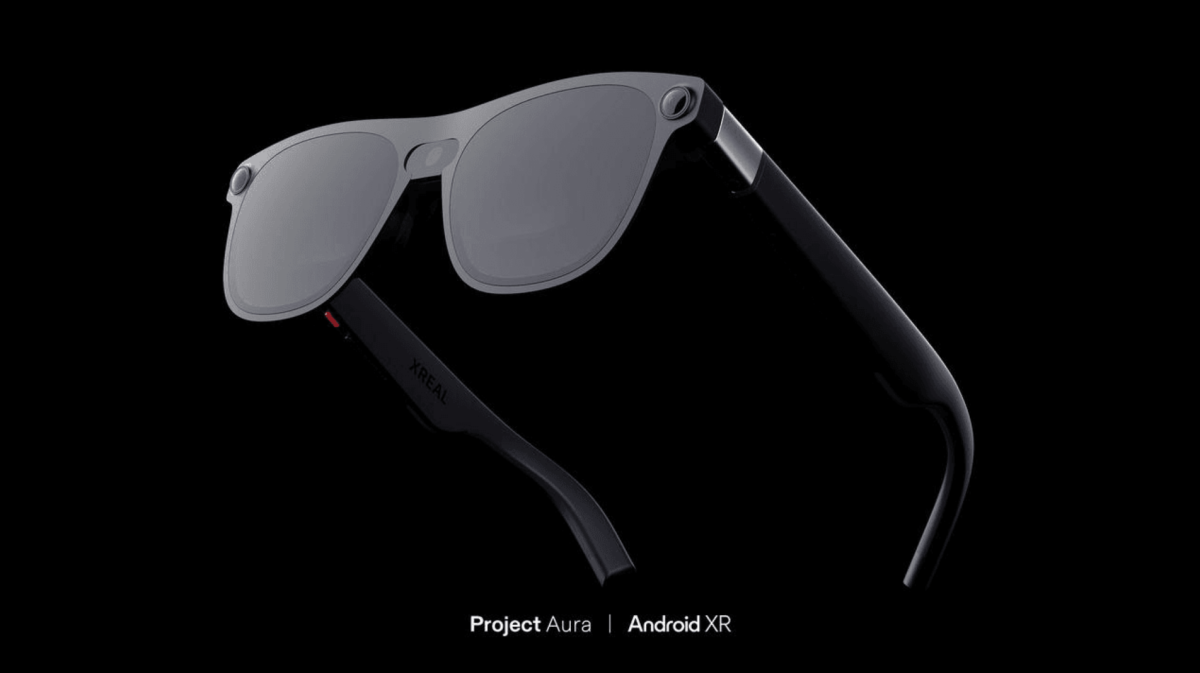
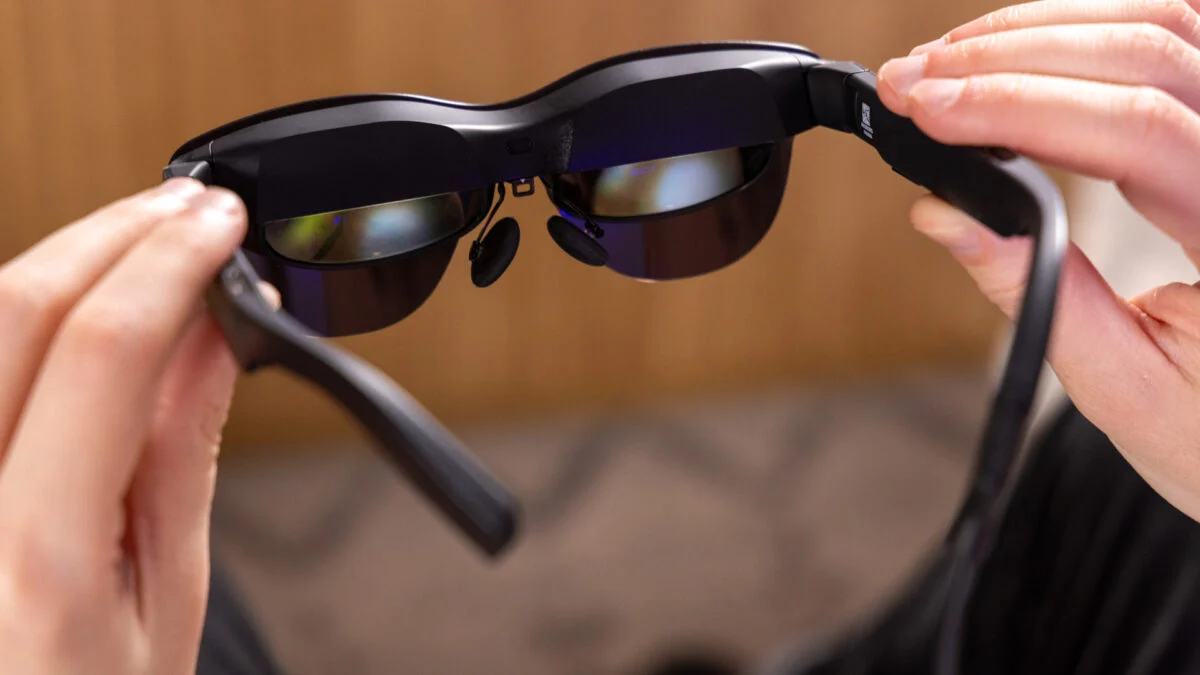
Take Rokid, for example, which just announced its newest pair of wired AR glasses, the Rokid AR. They aren’t leaps and bounds different from other AR glasses on the market, but they’re taking some steps. For one, according to an early glimpse on Reddit, they have a tri-camera system for tracking and AI. Those cameras include two sensors in the temples for spatial tracking and a full-color RGB camera for environment recognition. With all of those sensors working together, they have what’s known as six degrees of freedom, or 6DoF, meaning objects pinned in 3D space have six different axes of movement. It’s hard to say if those cameras move the needle on a spatial computing experience in a pair of AR glasses without using them myself, but more sensors often means more fluid tracking. The Vision Pro, for example, has a total of six world-facing cameras, four eye-tracking cameras, and specialized sensors for depth and movement, and it’s easily the most complex and fluid spatial computing experience out there. Google’s and Xreal’s Aura glasses are probably the biggest name in the space right now. © Raymond Wong / Gizmodo To be clear, Rokid’s entrant isn’t the only AR glasses with a tri-camera system—Viture’s $599 Luma Ultra also have a similar setup—but Rokid is just one stone in the path toward more sophisticated models, and it’s far from alone in its endeavor.