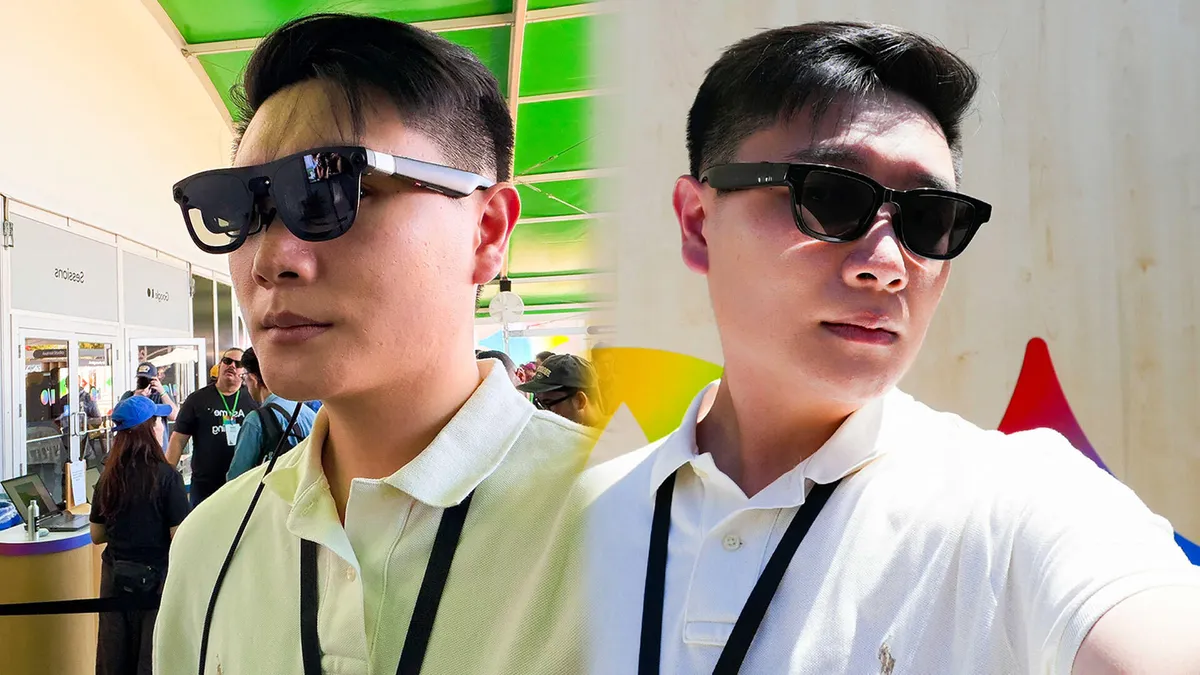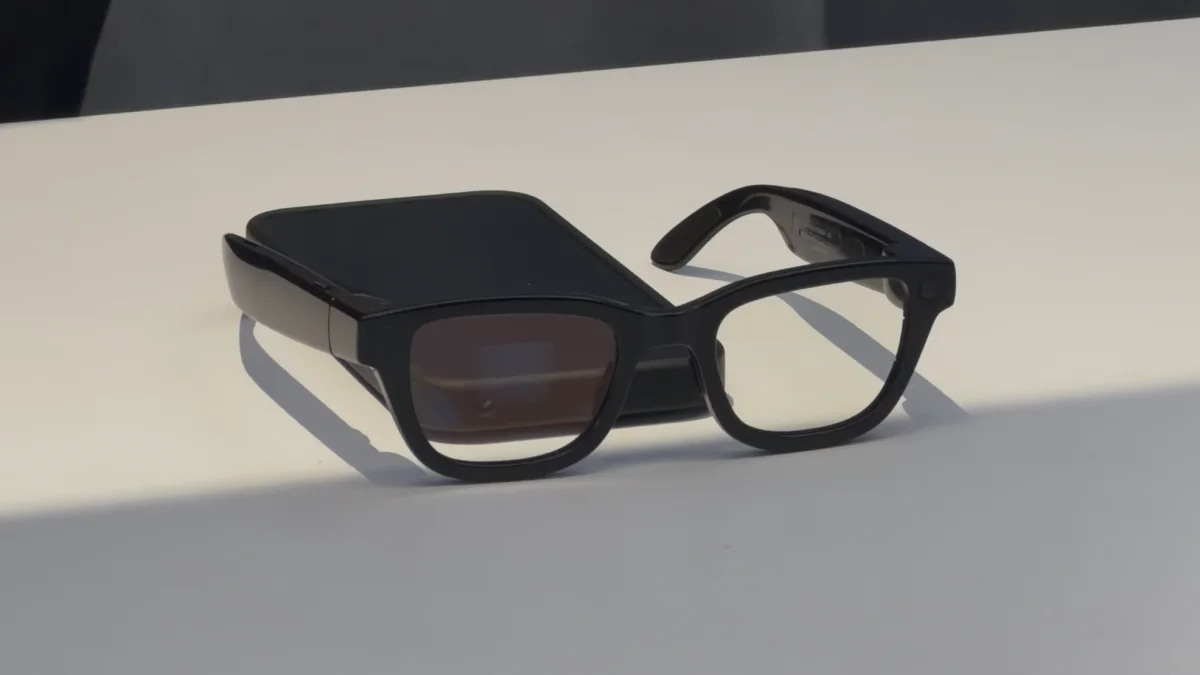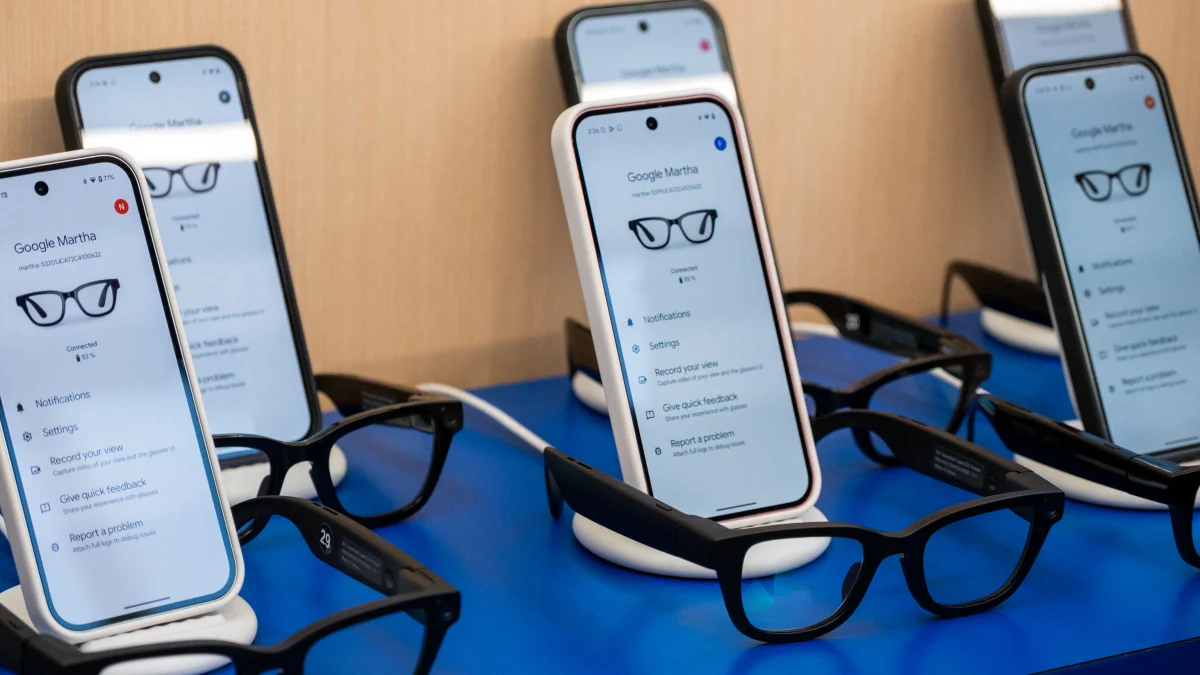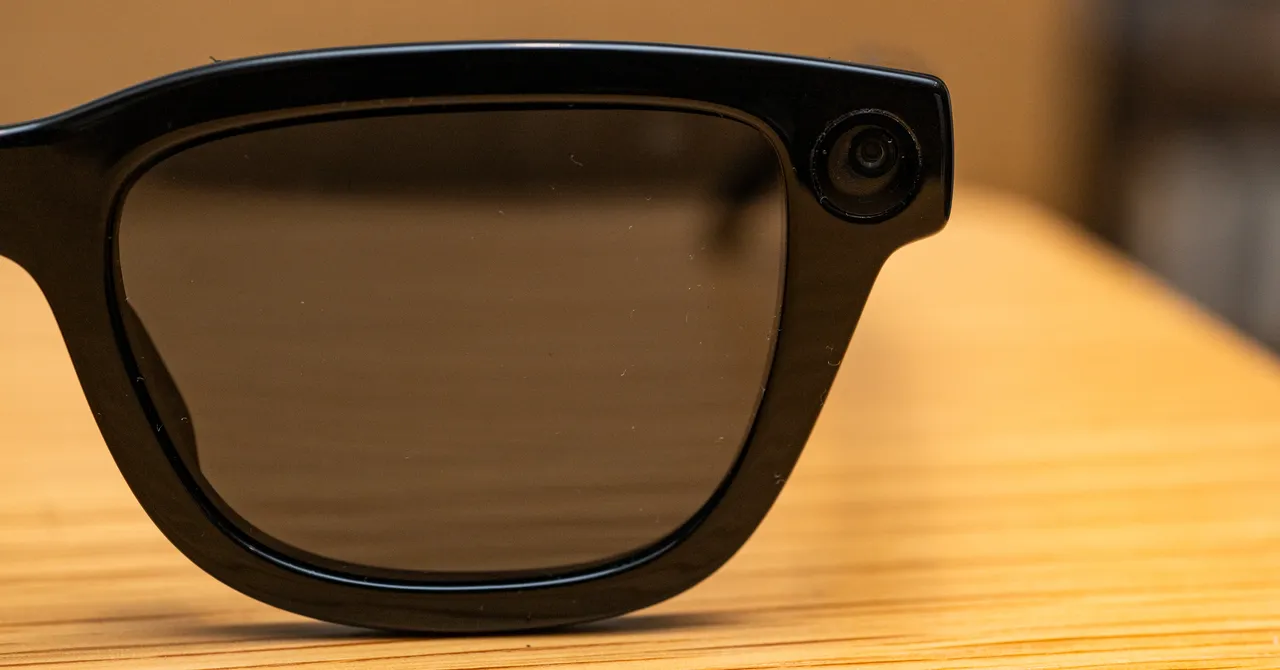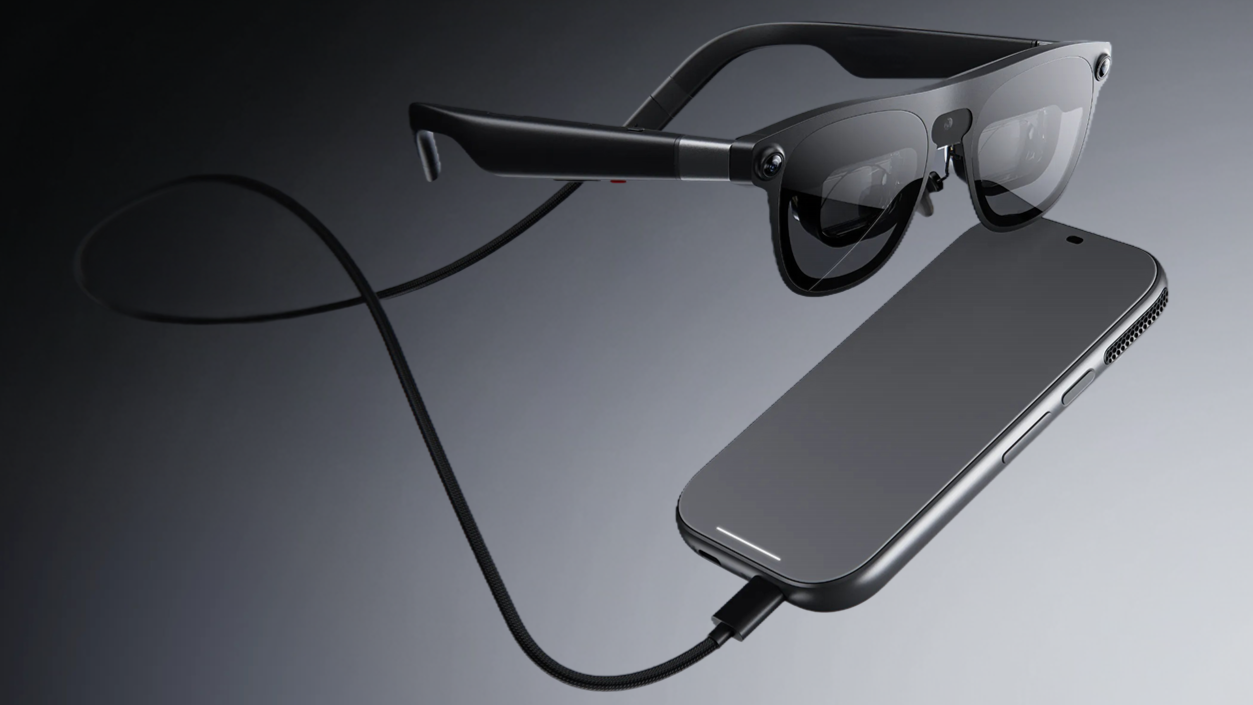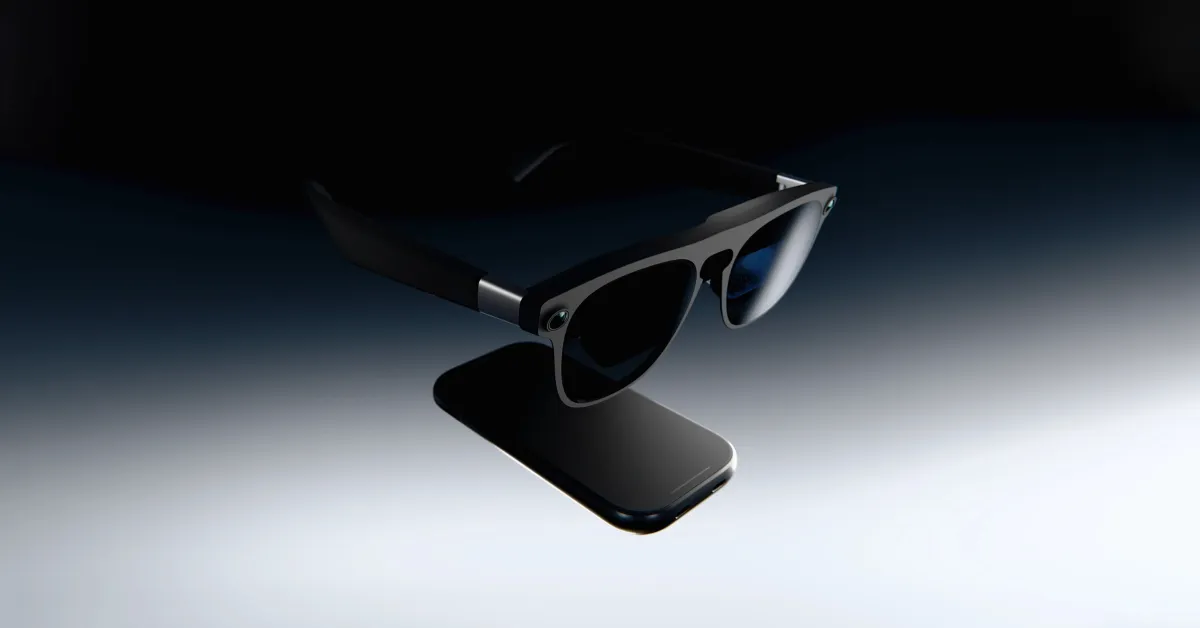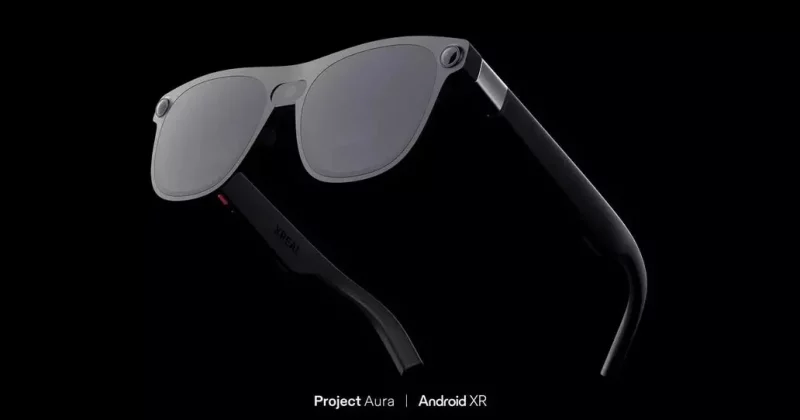
Google just pulled the curtain back on Project Aura, a pair of smart glasses built with XREAL that represent the company’s most concrete bet yet on wearable spatial computing. The glasses run Android XR, the same operating system powering Samsung’s Galaxy XR headset, which means they inherit an entire app ecosystem from day one.
What Project Aura actually is
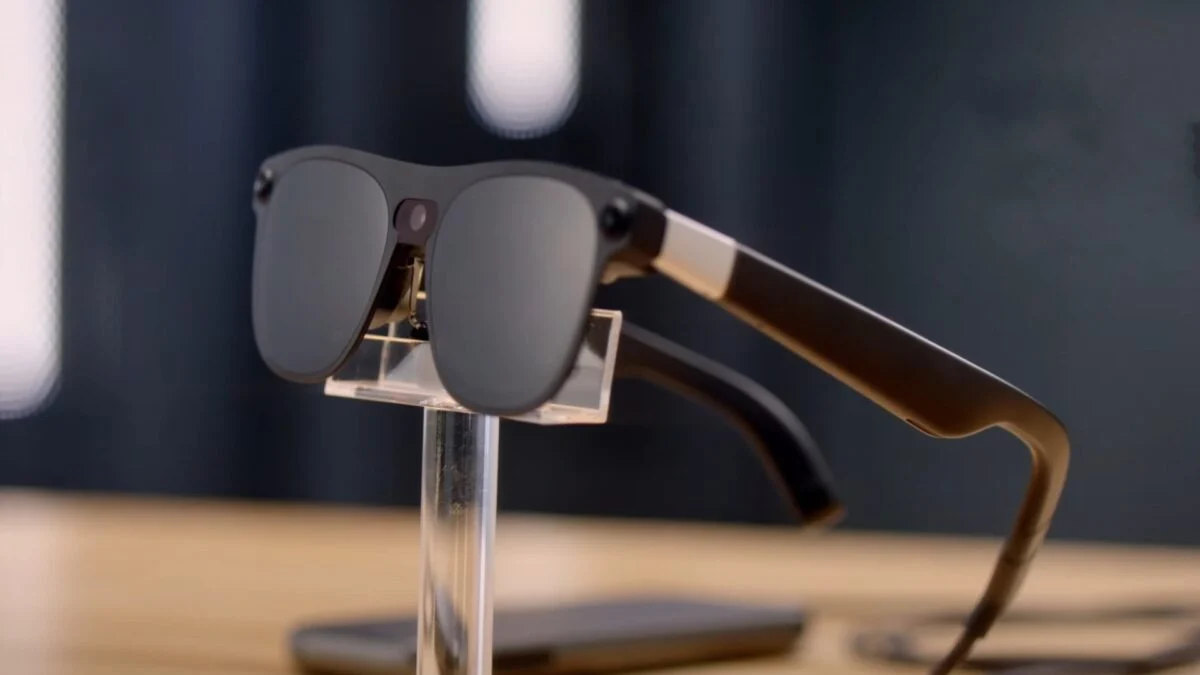
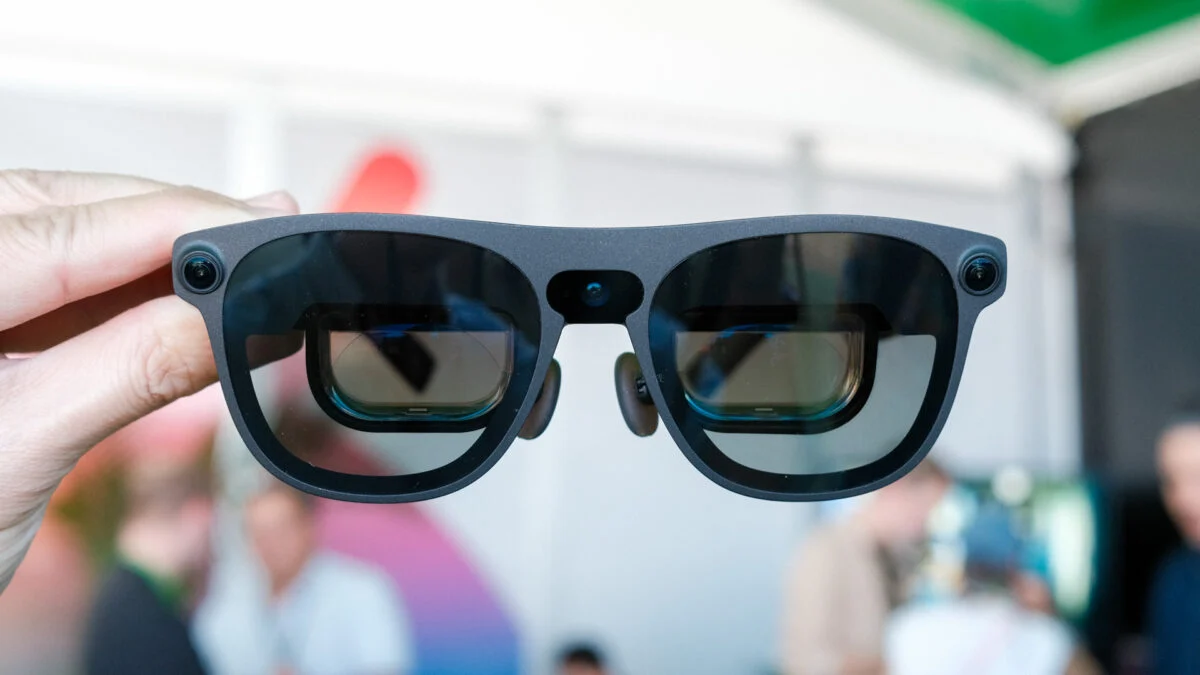
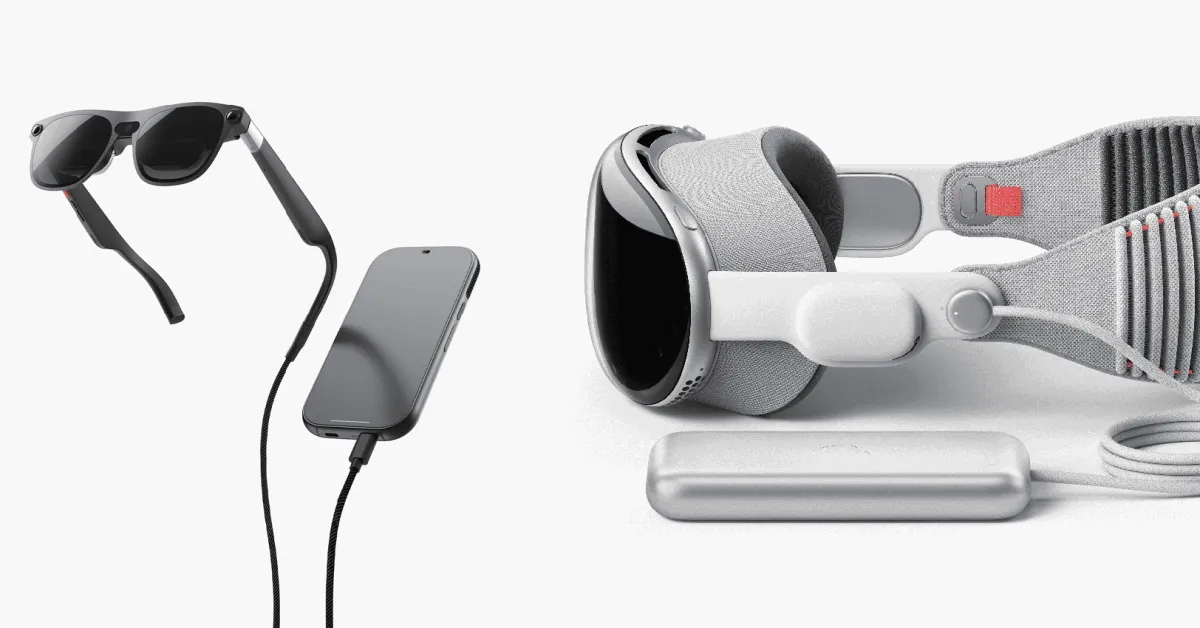
Aura features optical see-through displays with a 70-degree field of view, packed into a frame that weighs roughly 90 grams. To keep that weight down, Google and XREAL moved the heavy lifting off your head entirely. A pocket-sized compute puck, wired to the glasses, handles processing and battery duties. Inside that puck sits Qualcomm’s Snapdragon XR2+ Gen 2 chip.
On the software side, Aura runs a full immersive version of Android XR. It can run the same spatial applications being developed for Samsung’s Galaxy XR headset, and supports Windows desktop streaming. AI features are baked in, including real-time translation, navigation overlays, and contextual information surfacing.
The broader XR ecosystem play