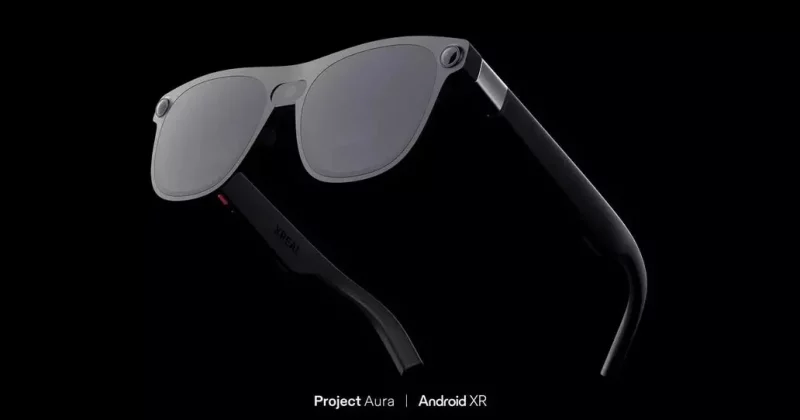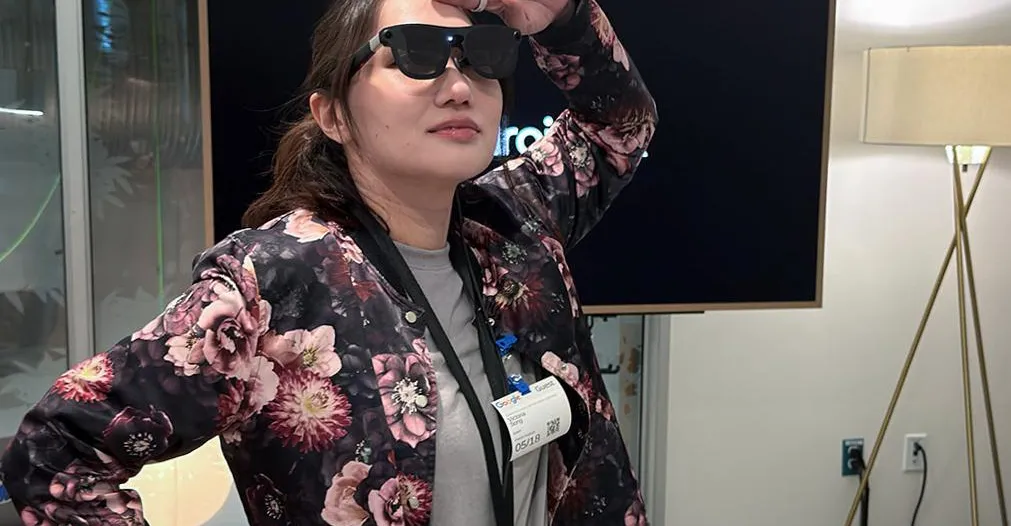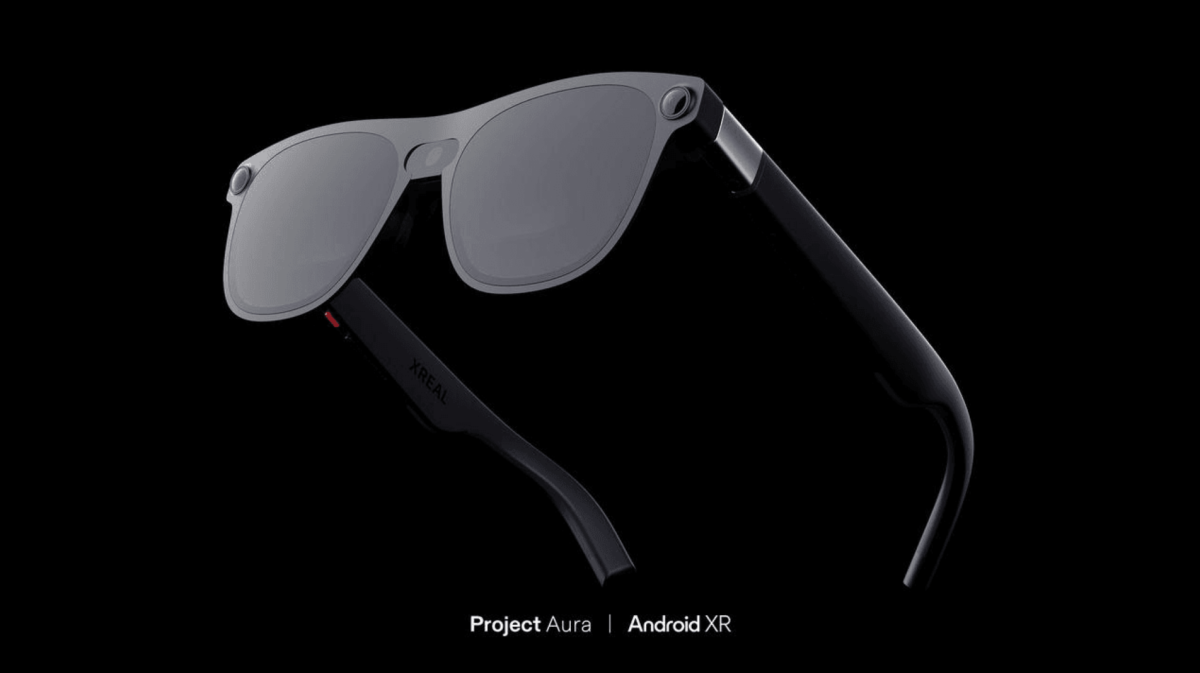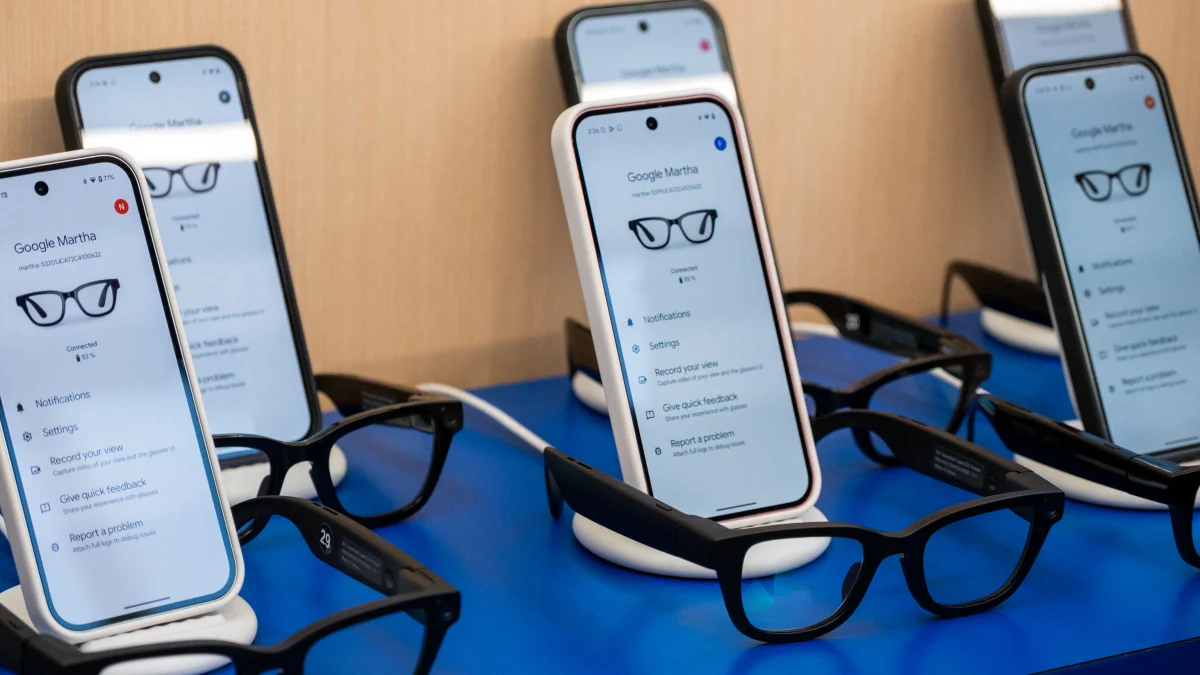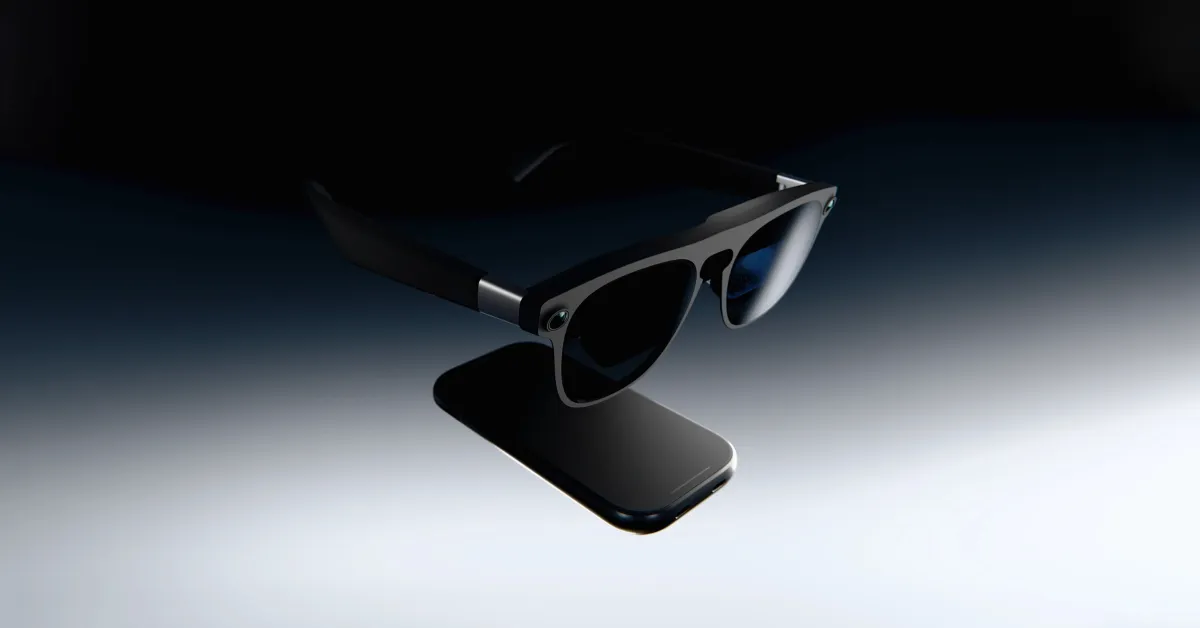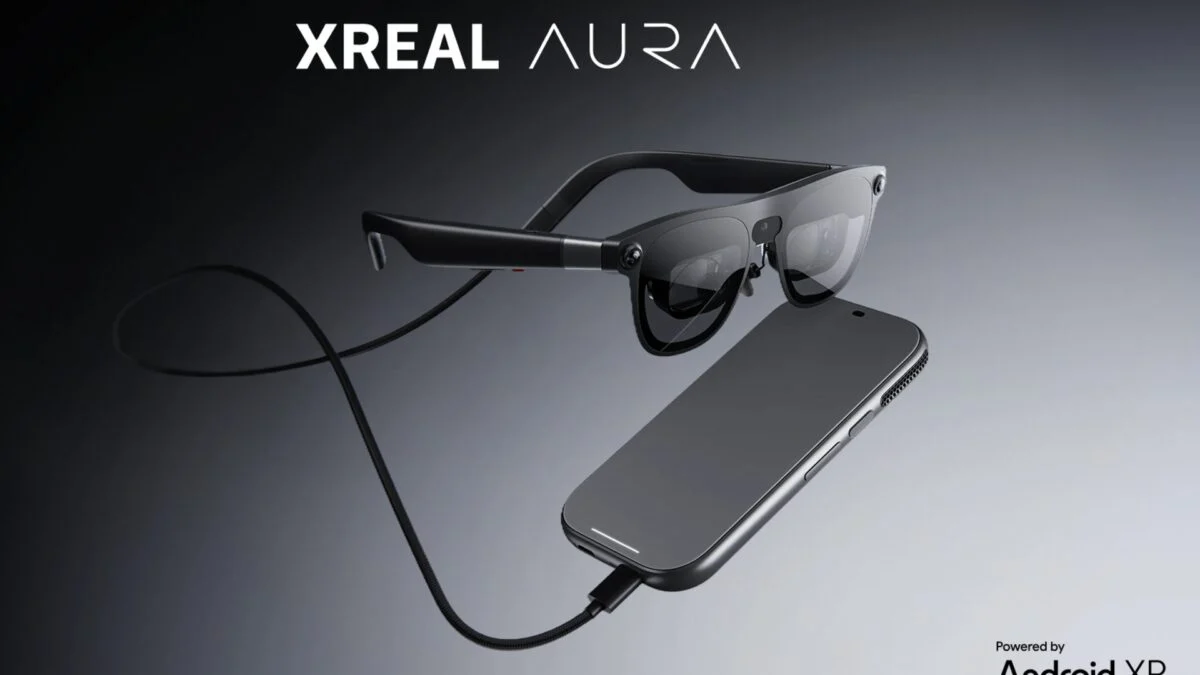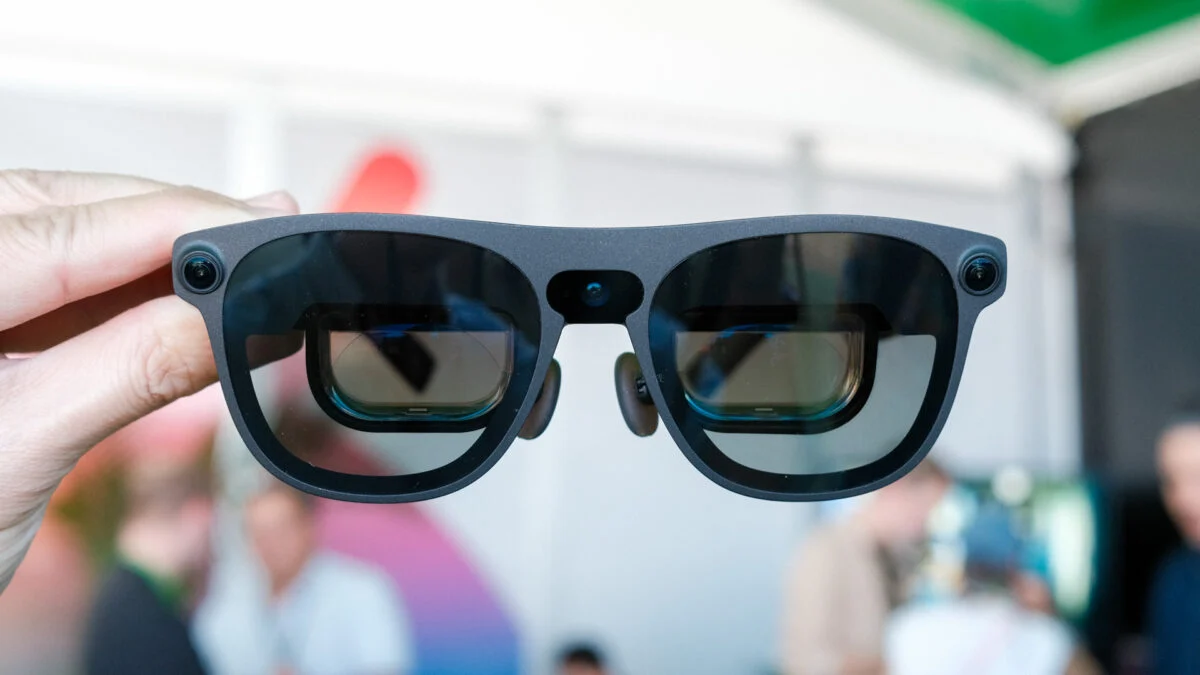
I came to Google I/O 2026 to try out Google and Xreal’s “Project Aura” XR smart glasses and I’m happy to report that I got more than 90 seconds with them. Launching globally this year, Project Aura is a pair of XR smart glasses that run on Google’s Android XR spatial platform. While neither company shared details on pricing or a specific release date yet, media like myself did get to demo them to get a taste of what to expect. They’re exactly as I expected them to be: a halfway point between the displayless smart glasses like Ray-Ban Meta AI glasses (and Google’s and Samsung’s new “audio glasses”) and a more immersive headset like the Vision Pro or Galaxy XR. You get “spatial computing” experience in a pair of compact frames.
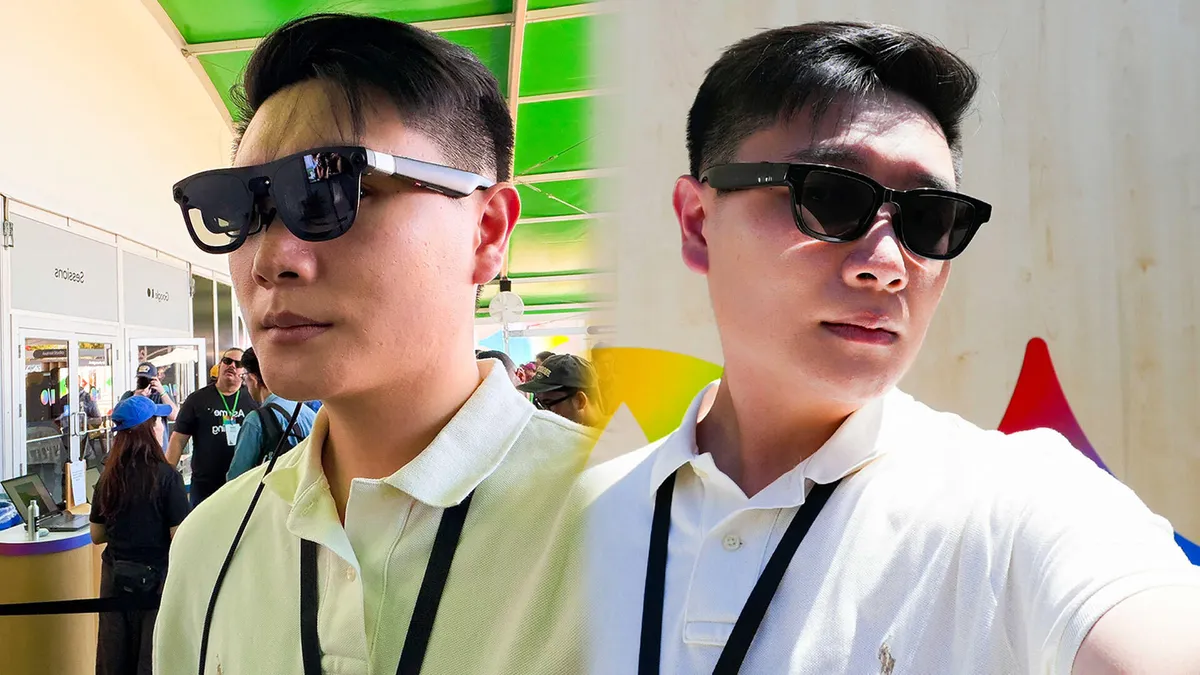
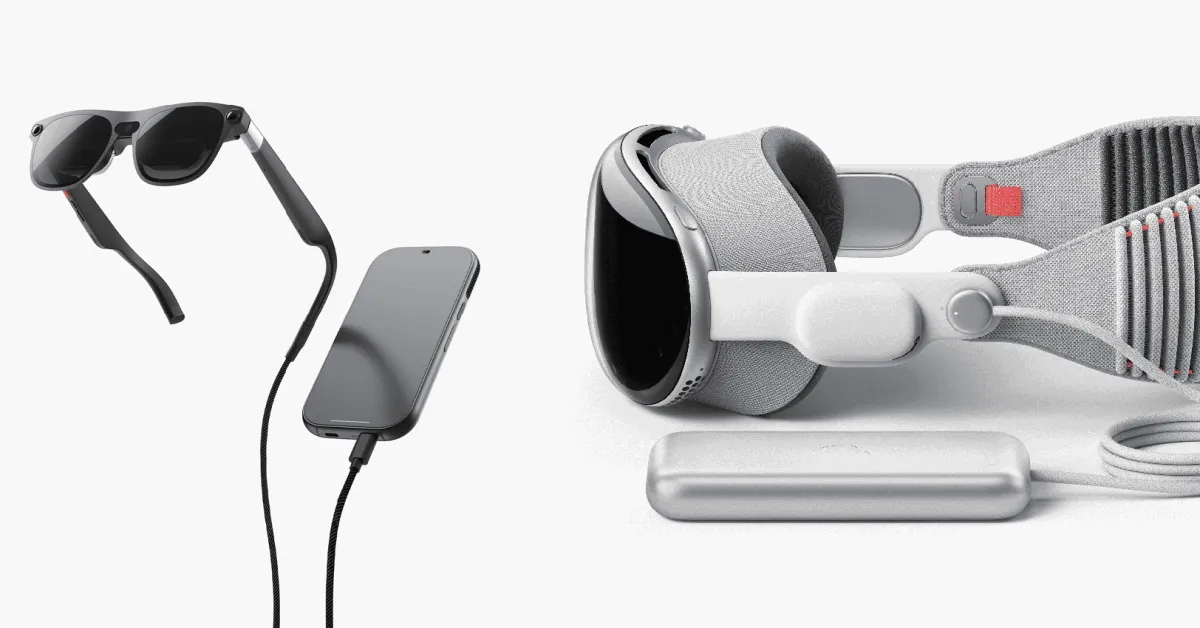
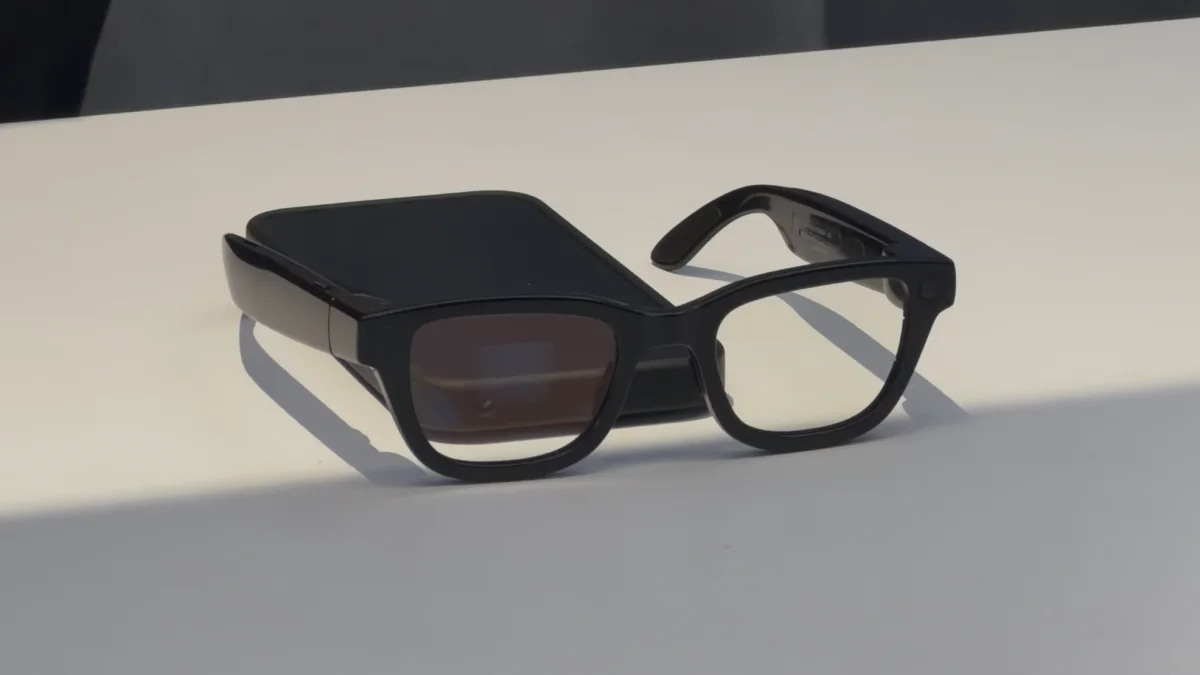
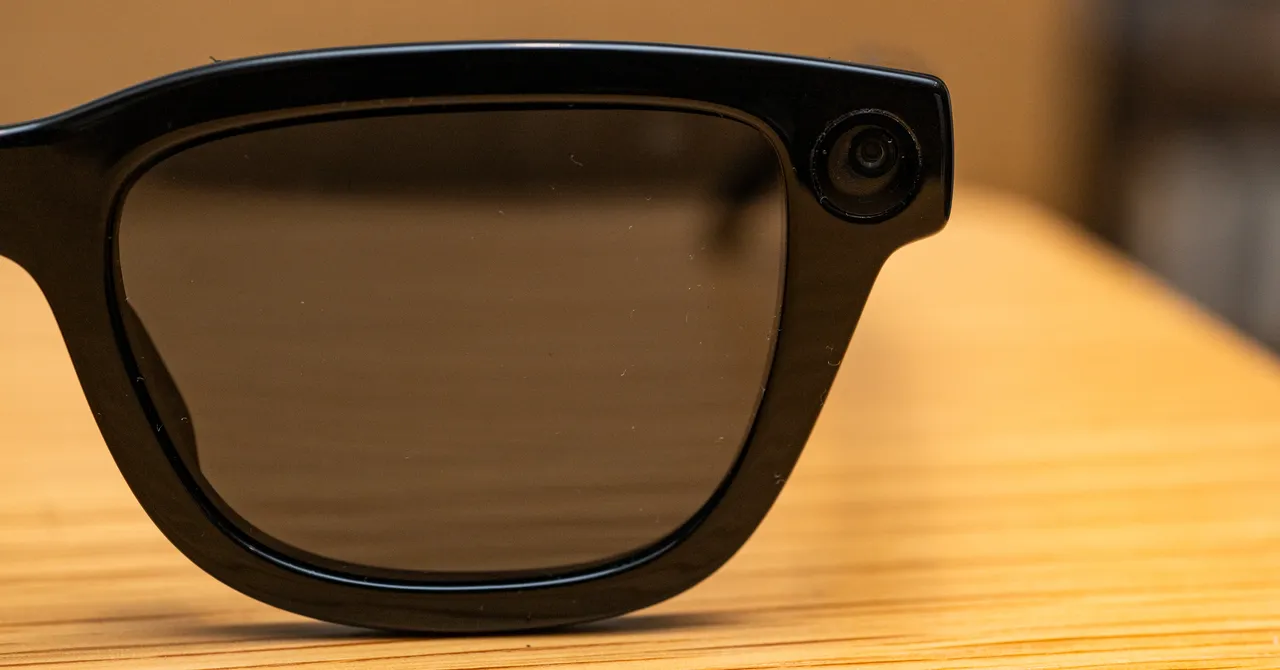
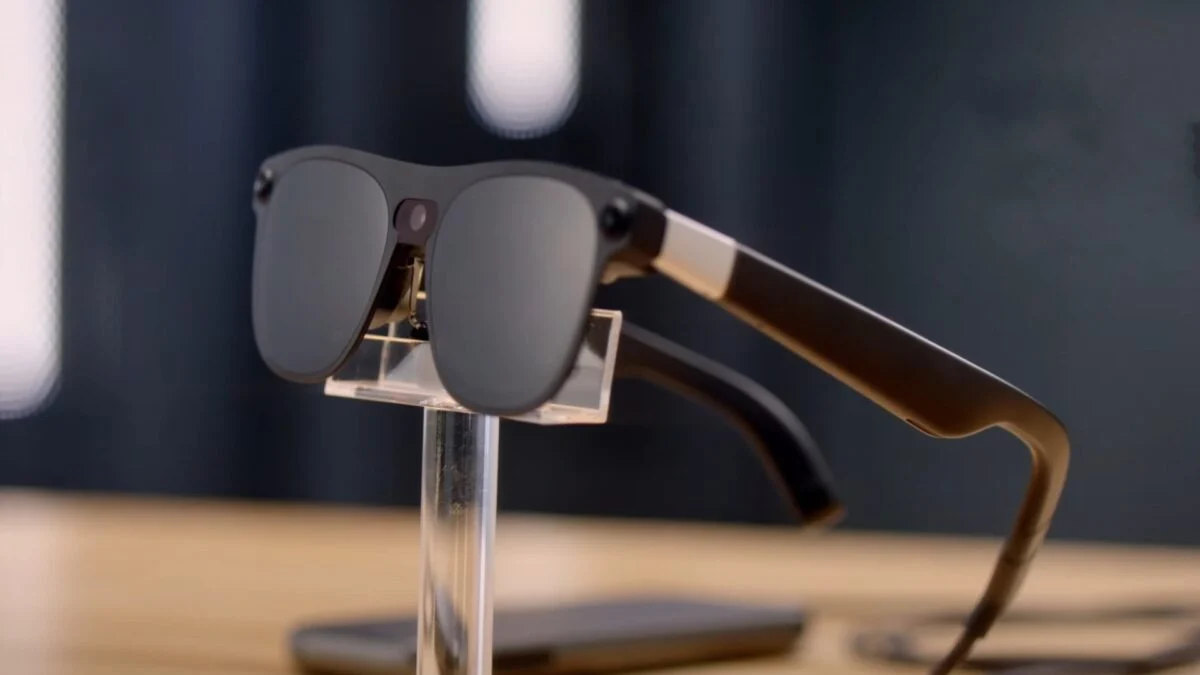
© Raymond Wong / Gizmodo Slipping them onto my face, Project Aura felt no different than Xreal’s One Pro AR glasses. Other than the three cameras (the one in the nose bridge is for photos and videos, and the ones on the sides are used for hand tracking), they looked and felt pretty much the same—super light and not at all uncomfortable. That’s what we want, cause few people are gonna strap a bulky headset to their face. There’s a cable that connects to the left arm that plugs into a “compute puck” that you can then wear around your neck with an attached lanyard. The puck itself resembled the battery pack for the Vision Pro. There’s also a trackpad on the surface of the puck, but I wasn’t able to try that out. © Raymond Wong / Gizmodo © Raymond Wong / Gizmodo © Raymond Wong / Gizmodo Once set up, I did a short demo to learn how to use the hand tracking. It’s fairly straightforward: just reach out and pinch objects to select them and pinch and hold to drag them around. The one thing that Project Aura doesn’t have is eye tracking, which means you will have to turn your whole head and then reach out to select things within your “spatial” view. That spatial view is the widest that I’ve seen on a pair of smart glasses, and it makes a huge difference when you anchor a screen or multiple apps in front of your vision. At 70 degrees, the FOV is wide enough to comfortably see three app windows open next to each other. I’m told that up to five app windows can be open at once. At one point, I had three apps open and then a game above them. Just don’t expect the kind of enclosed immersion that you get from XR headsets.