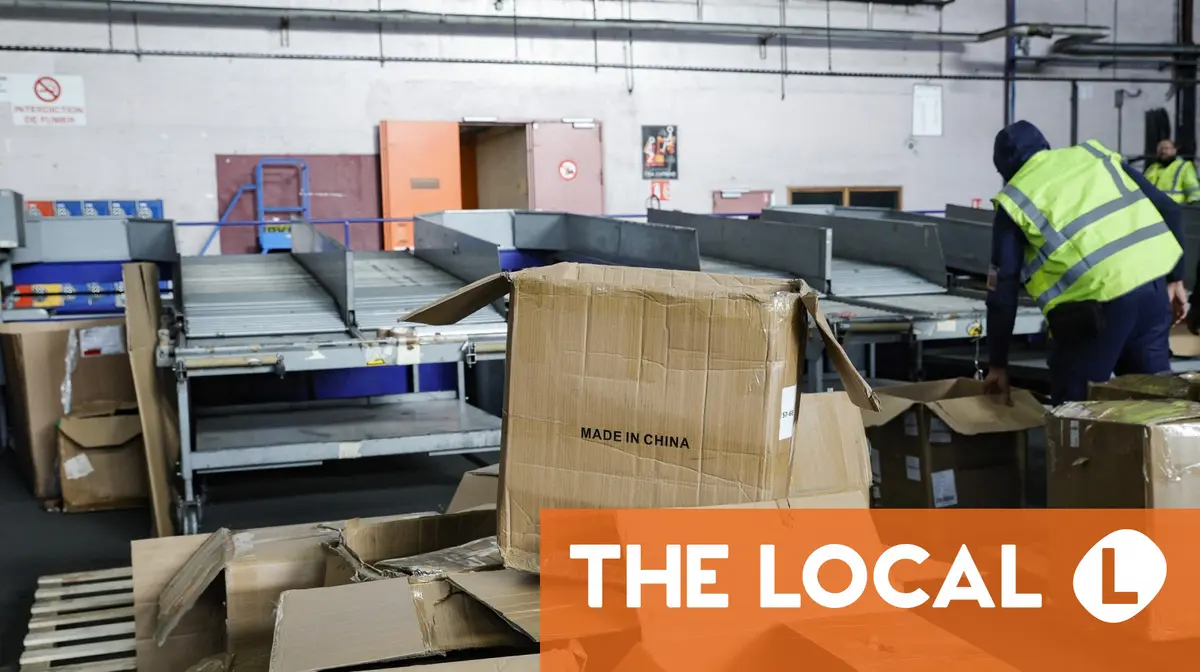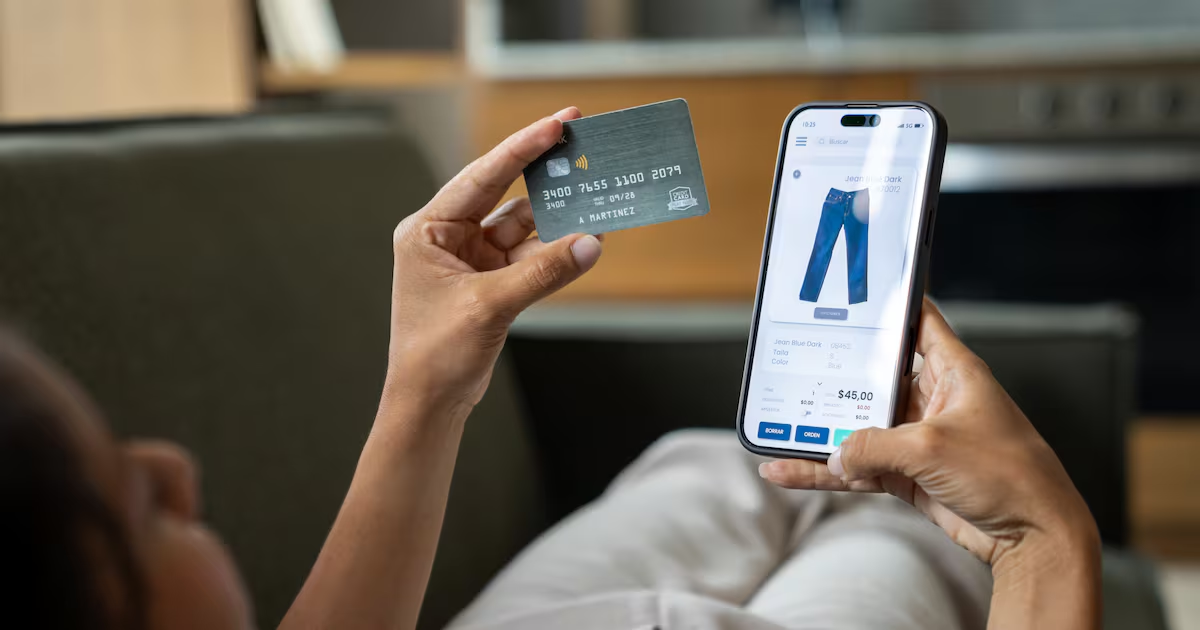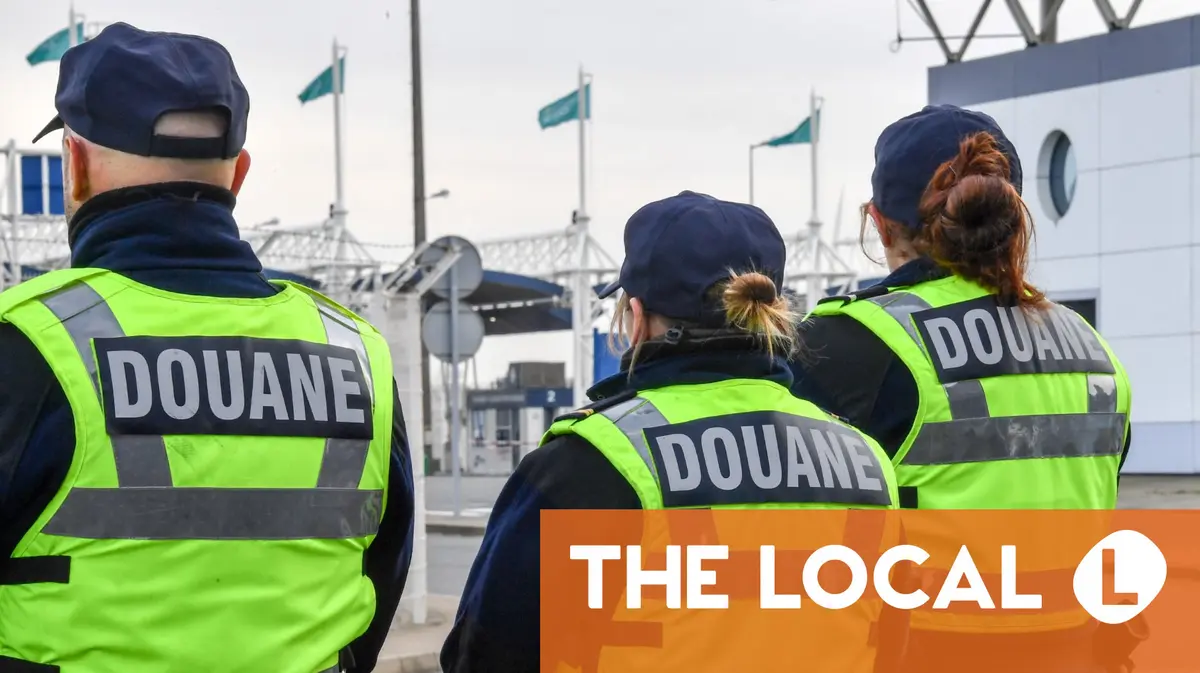
Bank of Ireland has become the latest organisation to warn customers to be extra vigilant of scam messages seeking payment of customs charges ahead of a major change in online shopping from Wednesday. The warning – which echoes a similar ones from AIB and the Competition and Consumer Protection Commission – comes ahead of changes to the tax system across the EU which will see duty applied to all purchases valued at less than €150 entering Ireland from outside the EU, with each unique item in a package subject to a €3 charge plus VAT.While most large online retailers will be able to apply the charge at the point of sale smaller retailers may not impose the new rules leaving Irish shoppers to face bills on delivery. An Post estimates that 95 per cent of online sellers will deduct all charges necessary at their checkout but in the region of five million packages a year will still be exposed to the chargesThis change is likely to result in a surge of fraud attempts, as criminals seek to exploit customers who may be expecting to pay custom charges and Bank of Ireland is advising people to treat any messages about customs charges with extreme caution. “Fraudsters are always on the lookout for emerging opportunities, and the introduction of new custom charges enables them to exploit the situation,” said the bank’s head of fraud protection Nicola Sadlier. She said the “most effective defence is a ‘zero trust’ approach”. She urged all customers to “pause and question any unexpected contact, even if it appears to come from a delivery company or another trusted organisation. Never rely on phone numbers or links provided in messages. Instead, contact the seller or organisation directly using details from the official website. Stop, think and check before you click.”An Post will never send a payment link in a text message and any customs-related text claiming to be from An Post that includes a clickable link should be treated as a scam. Similarly, Revenue will never contact customers seeking payment of customs charges by text. She said that Bank of Ireland is advocating for the introduction of an SMS Scam Filter as a key intervention that would give the most comprehensive and future-proofed protection against scam SMS messages. She warned that Ireland is at risk of becoming more out of step from other EU and English-speaking countries in not having an SMS scam filter. This will make Irish consumers increasingly exposed to fraud attempts by SMS. Legislation should be prioritised to facilitate its introduction as soon as possible.
Online shoppers warned to be extra vigilant of scam messages ahead of major tax changes this week
Purchases worth less than €150 from outside EU will be subject to €3 plus VAT from Wednesday
429 words~2 min read