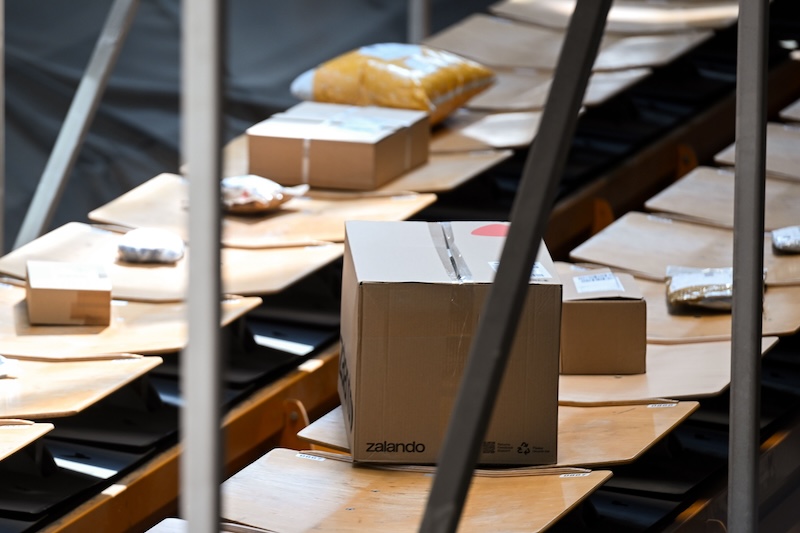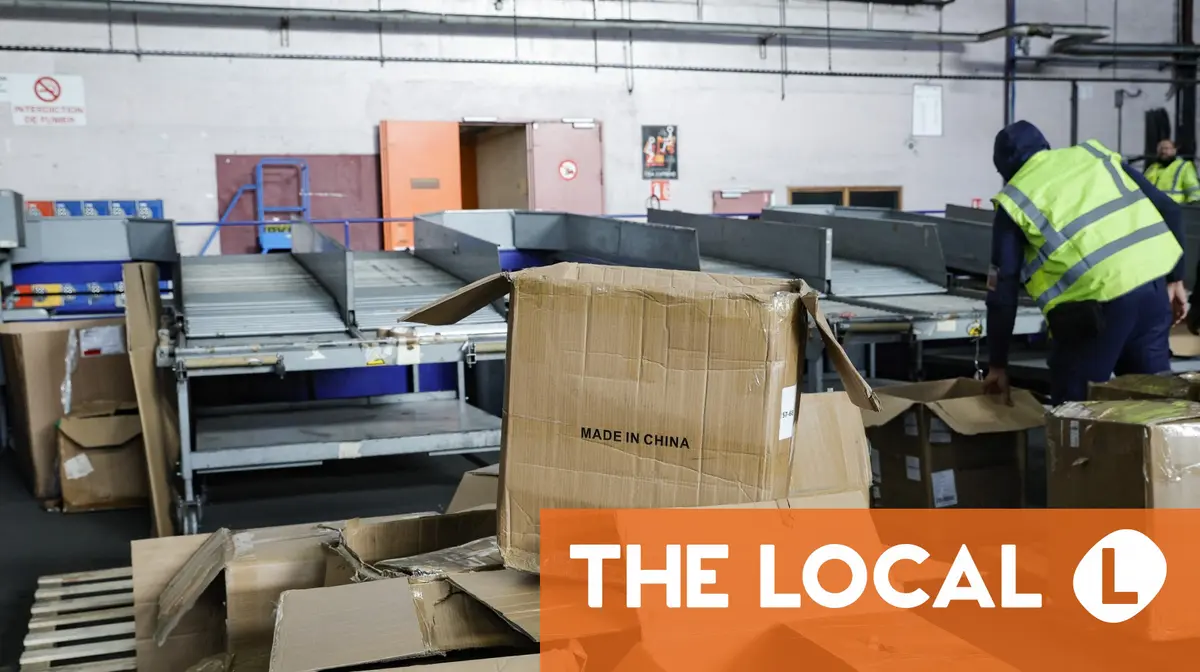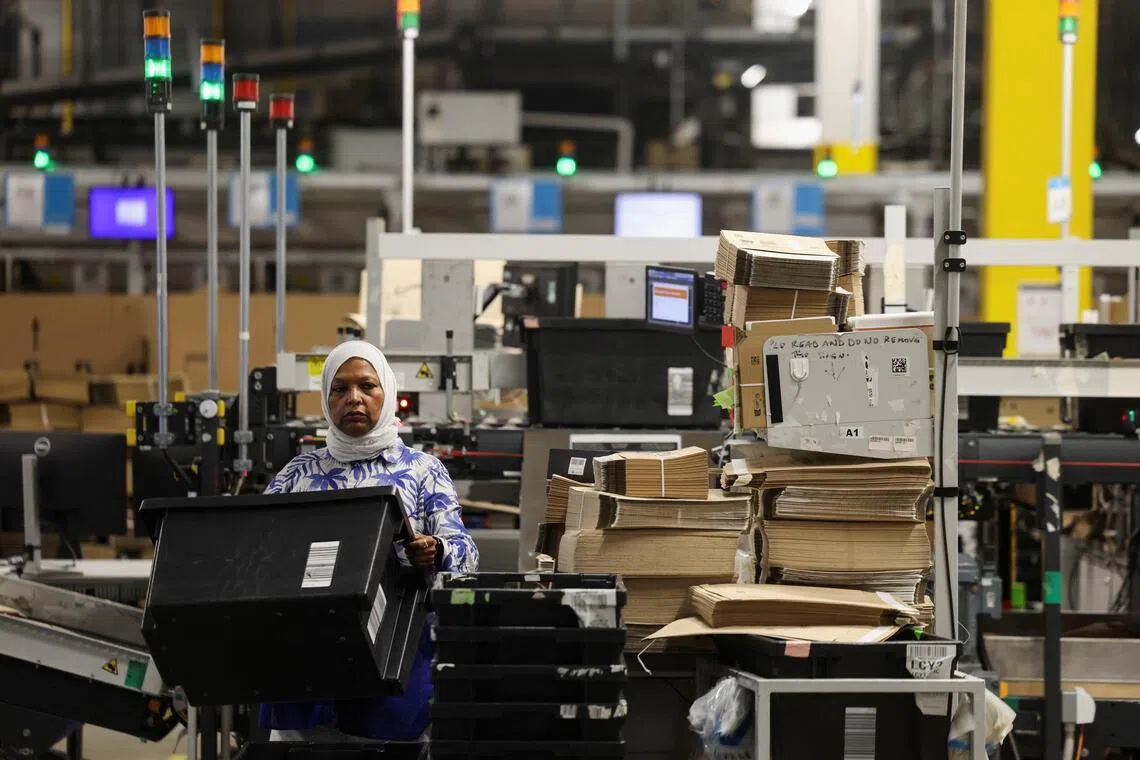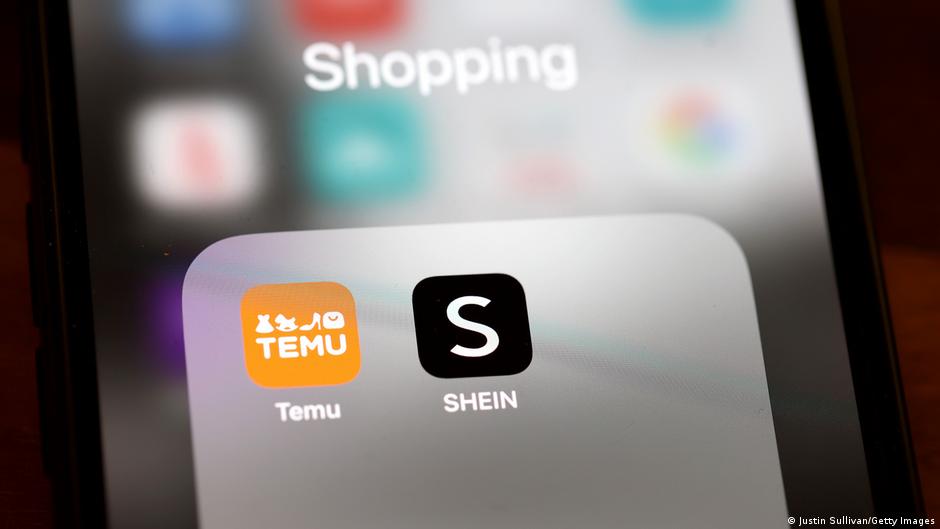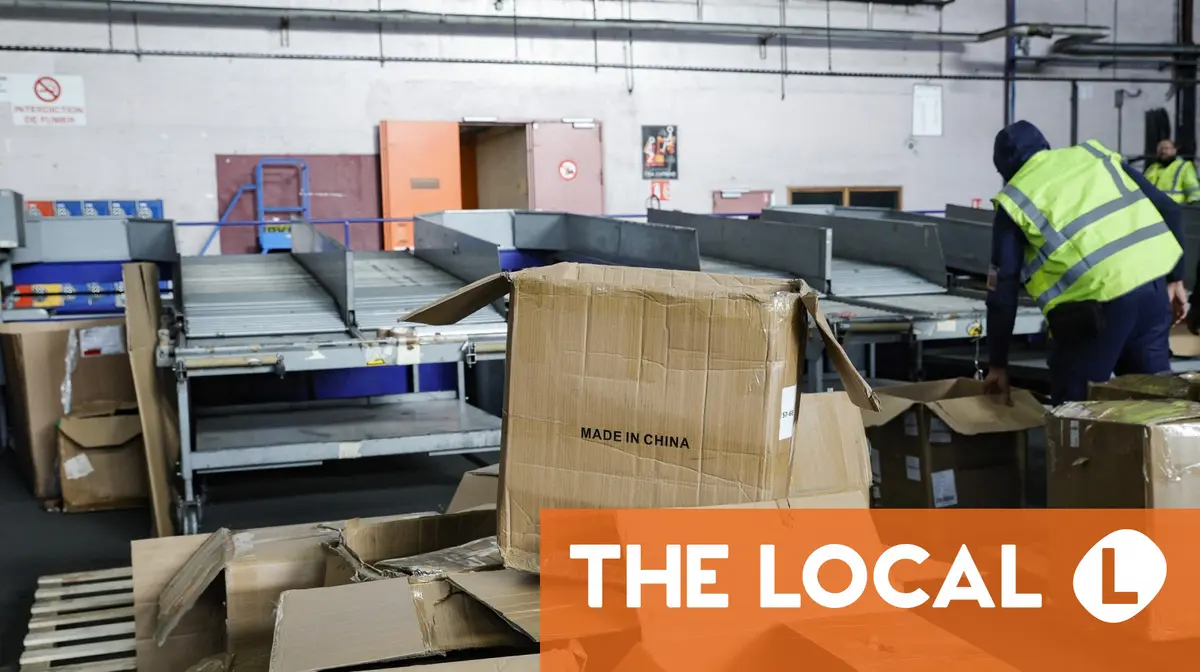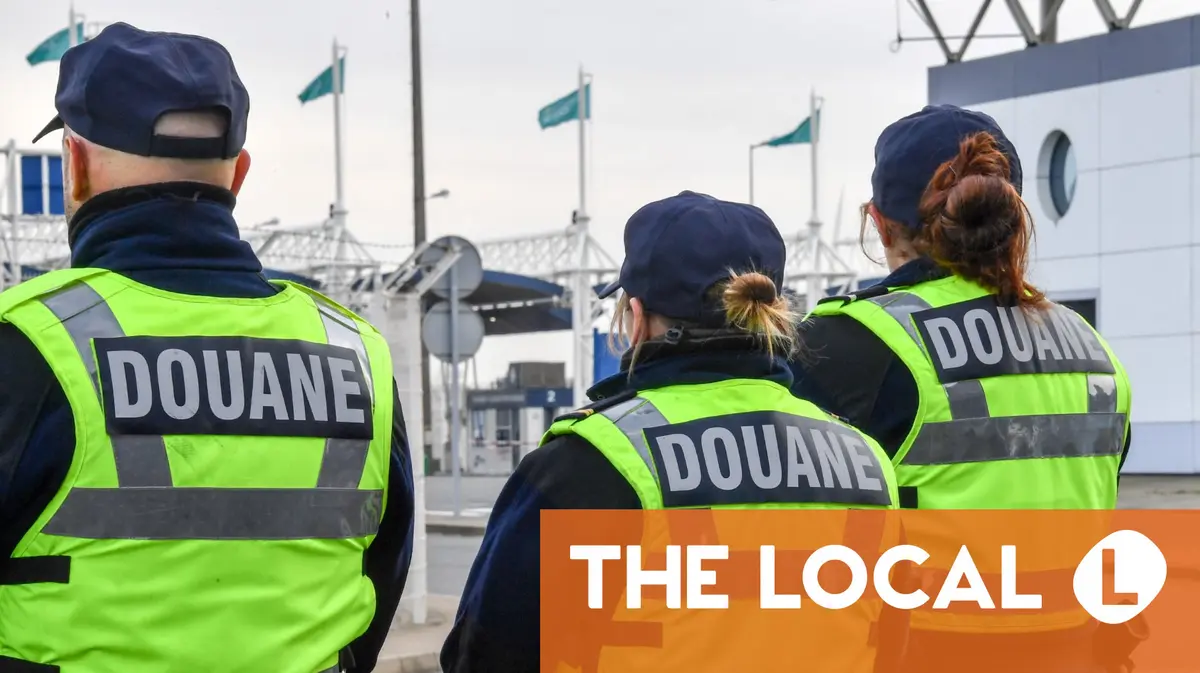
Online shopping is now just an accepted part of the retail experience for many people. An Post’s outgoing chief executive David McRedomd said recently that it delivered 75 million parcels to Irish homes last year. It expects that figure to comfortably exceed 100 million this year.That’s some business in a State with just two million homes - especially when you consider that An Post is just one of a number of large players in the market.Where, one time, people used to order reasonably substantial products through such services, they are now routinely used for even the most mundane items. And, from next week, that could mean a wake-up call for hundreds of thousands of shoppers.The allure of cheaper website shopping might be tarnished by a new €3 charge that is being applied to all goods coming into the country from outside the EU from July 1st, next Wednesday.Where did that come from?Until now, shoppers did not have to worry about import duty as long as the goods they were purchasing online were worth less than €150. This was called the “de minimis” rule. Basically, such items were considered too insignificant to worry about, not least as there is an administration cost to Revenue in tracking and collecting such charges.But, from Wednesday, the “de minimis” rule is being set aside. In its place, a charge of €3 will be levied on anything coming into the European Union from outside the bloc.This is an EU-wide initiative, not something dreamed up by the Irish authorities.Why the change?Well, it’s twofold really. There is concern across the EU that cheap - and sometimes unsafe - goods are flooding the market from places like India, China and other countries in southeast Asia in particular. That is putting retailers within the EU at a disadvantage.The EU estimates that 5.9 billion packages with a value of less than €150 came into EU states from outside the European Union last year. That more than 16,000 per day. And the figure is growing rapidly. It is almost 30 per cent up on 2024 which was itself double the previous year’s total.So there is pressure on the EU to act to protect its own.Alongside this, the increasing digitisation of customs procedures means that EU authorities can now countenance handling charge son such package sin a way that they absolutely could not when it was more of a manual job.So I pay €3 on each parcel?Well, that depends. On what? On what is in the parcel and where it comes from.The €3 charge is levied per item rather than how many of such items. So, if you order three T-shirts, they will be deemed to be one item. But if you order two T-shirts and a shirt, it will be two items.The onus is on the seller to state clearly what is in the package. They are supposed to use one line of a form for each item. Of course, if they use three lines, one for each of your T- shirts, you are likely to be charged €9 for the package.If the package comes from within the EU, the charge will not apply but it will affect all parcels coming in from outside the union. That includes North America and Britain - we’ll come back to that later.That’s it, is it? No other sneaky chargesNow that you mention it, the bill could be higher.First up, VAT could be due on top of the €3 customs duty as VAT tends to be charged on on the full price of a purchase, not the sticker price.And then there are handling charges. If An Post, for instance, has to ask you for payment before delivering an item, it will charge a €6.95 “handling fee” on top of the €3 charge and any VAT.As you can see, your “good deal” on Shein, Temu or even on of the more familiar UK retailers could very quickly multiply in cost.Where do I pay?Like so many things about this charge, it is not as clear as one would like. Most of the large online retailers are already used to levying import charges at the point of sale. If they do that with under these new rules, you will simply be charged an extra €3 per type of item at checkout.The onus is on the retailer so, ideally, you should not have to be scrambling around for your few euro when the package lands in Ireland.However, as now, some smaller retailers may not be familiar with the rules or simply not have a capacity in their systems to levy the charge at checkout. In that case, you will need to pay it before receiving the goods.And how will I find out?The first place to check is your bill at the online checkout. Does it include the charge.An Post estimates that 95 per cent of online sellers will deduct all charges necessary at their checkout. But even by its own figures, that still leaves more than five million packages a year exposed to the charges - or close to 100,000 a week.If it is not deducted at source, you can expect to hear from whichever company is delivering it to you - An Post, DHL, Fedex, whatever.But you don’t want to delay. An Post, for instance, says that it will hold on to parcels for just 14 days. If no payment is made in that time, it will just return your goods to the sender.Surely that leaves us all more open to spam and fraud?This is a real concern. Research conducted by Banking and Payments Federation Ireland (BPFI) some time ago showed that more than two in five online shoppers had been targeted by scams over the previous 12 months with some 16 per cent losing money.And Three Ireland said this week that it intercepted more than 26 million suspected scam calls last year, while close to half a million fraudulent text messages were also blocked.An Post says it expects to see an increase in scam texts when the new charges come into force. It is advising customers that if charges are due, it will let you know either by email or postcard - never by text. And it says it will never ask you to click a link for payment.But it won’t be asking its delivery staff to be accepting payment at the door either. Anyone liable for the charge is likely to be directed to An Post’s dedicated website - Customs Charges & Duty Ireland - Information Guide | An Post.The bottom line is that customers shopping online need to be very careful and alert for scams.Is there any way around this?Funny enough, there might be. But it depends on the retailer you are dealing with.You might assume that anything coming from Shein, Temu, Amazon or whomever would be subject to the charge but the key thing here is where the goods are being shipped to you from.Most of the major online retailers have distribution centres in one or more European Union countries. If the goods you order are coming to you from within the European Union - even if the retailer is themselves based outside the EU - no charge is applied. That’s because the retailer will already have paid duty when they brought the goods into the EU in bulk so any cost will be factored into the price you pay. It won’t feature as a separate charge.But if they are out of stock of what you want at the EU distribution centre and have to bring it in just to fulfil your order - or, especially for smaller retailers, don’t have an EU distribution centre at all - you can expect a charge. You will need to check on the site exactly where your goods are shipping from.And it is not just the ones you might suspect. Marks & Spencer and Boots are just two of the retailers we are familiar with from our own high streets who source some of the online business to Irish customers from British distribution centres. Don’t be fooled by .ie websites, check where the companies are actually based and, more importantly where they are shipping your goods from.Finally, goods coming from Northern Ireland will not be subject to the charge even though it is outside the European Union. This is down to the special arrangements put in place post-Brexit.What happens if I have to return goods?Good question. As much as 40 per cent of online shopping is returned in some EU states. The returns process is very efficient and often free. That has encouraged people to shop indiscriminately - especially for things like clothes and shoes, safe in the knowledge that they can always send them back if the fit is not quite right or the colour is different from what you were led to believe. But under this new regime, people are going to have to become a lot more discerning about what they order.You will still be able to return goods and you will still get a refund of the item’s cost - but, and it is a big but, you will not get a refund of any customer duty paid. You may not get any VAT paid refunded and you certainly will not get An Post or others to refund any handling fees. So what you get back could be a fraction of what the items actually cost you in the first place.The bottom line is that online shopping is going to become more expensive for many people and it is also going to be more complex. The customer will now need to check where the items are being shipped from, whether they have been charged any customs duty due at source or not, and they will need to budget for the loss of funds on any returns to places outside the EU.You can contact us at OnTheMoney@irishtimes.com with personal finance questions you would like to see us address. If you missed last week’s newsletter, you can read it here .
Online shopping is about to become a lot trickier for Irish customers
From Wednesday, any goods you order that are coming from outside the EU will carry a €3 customs duty charge - and that might just be the start of it
1,665 words~8 min read