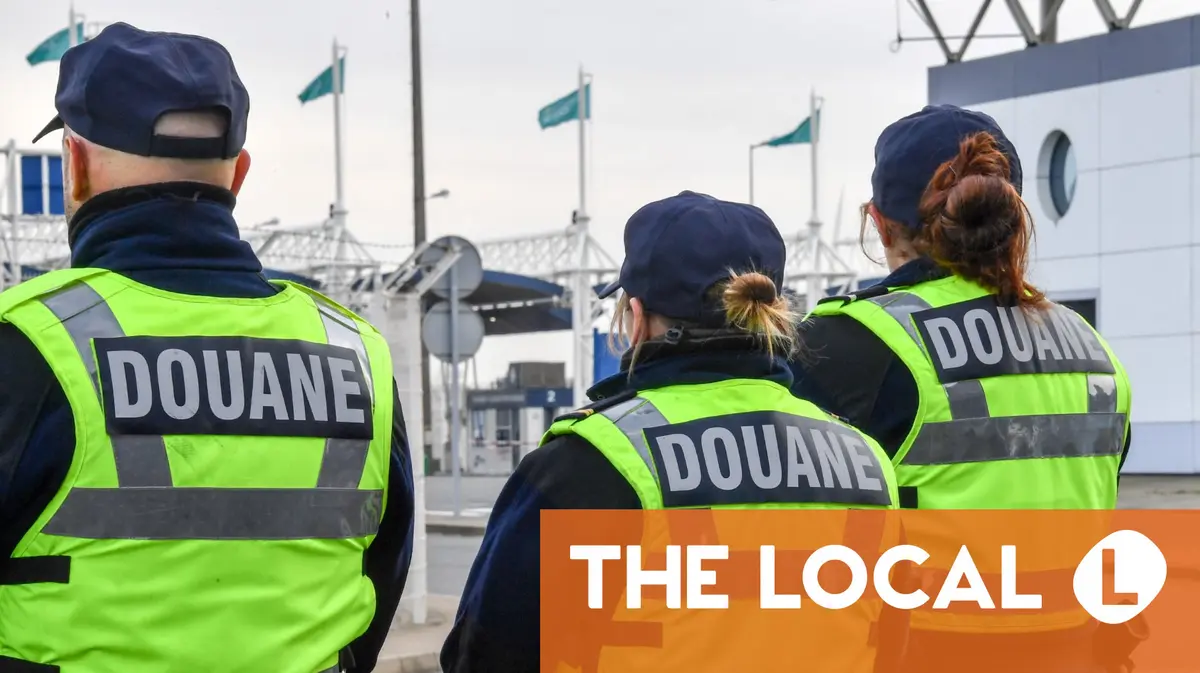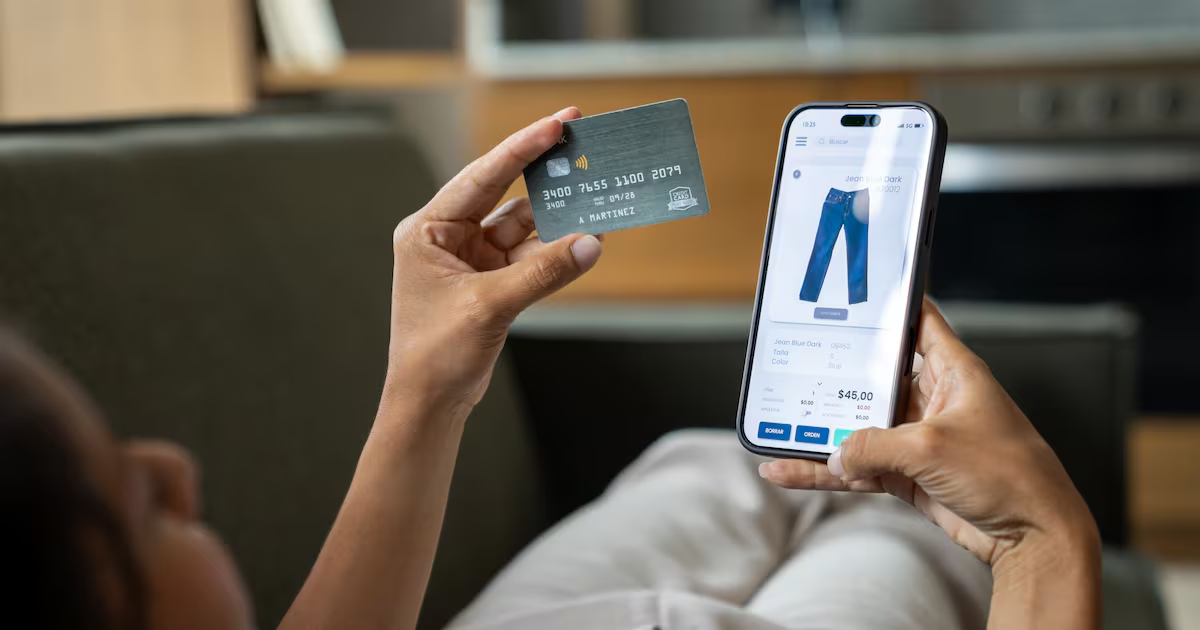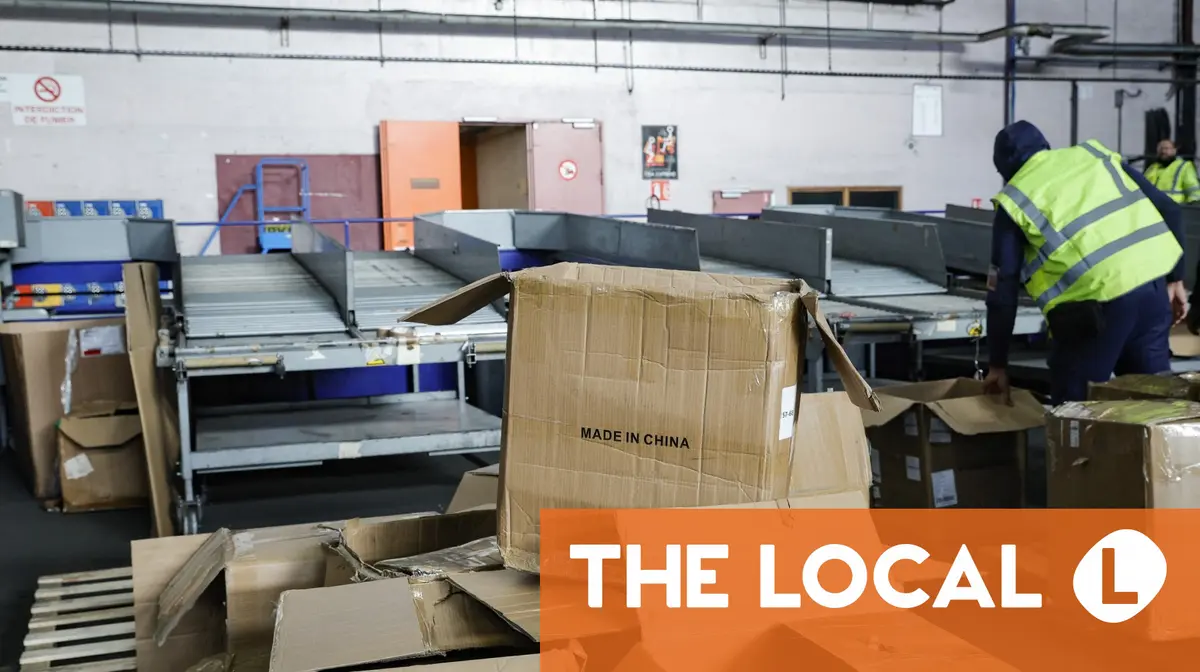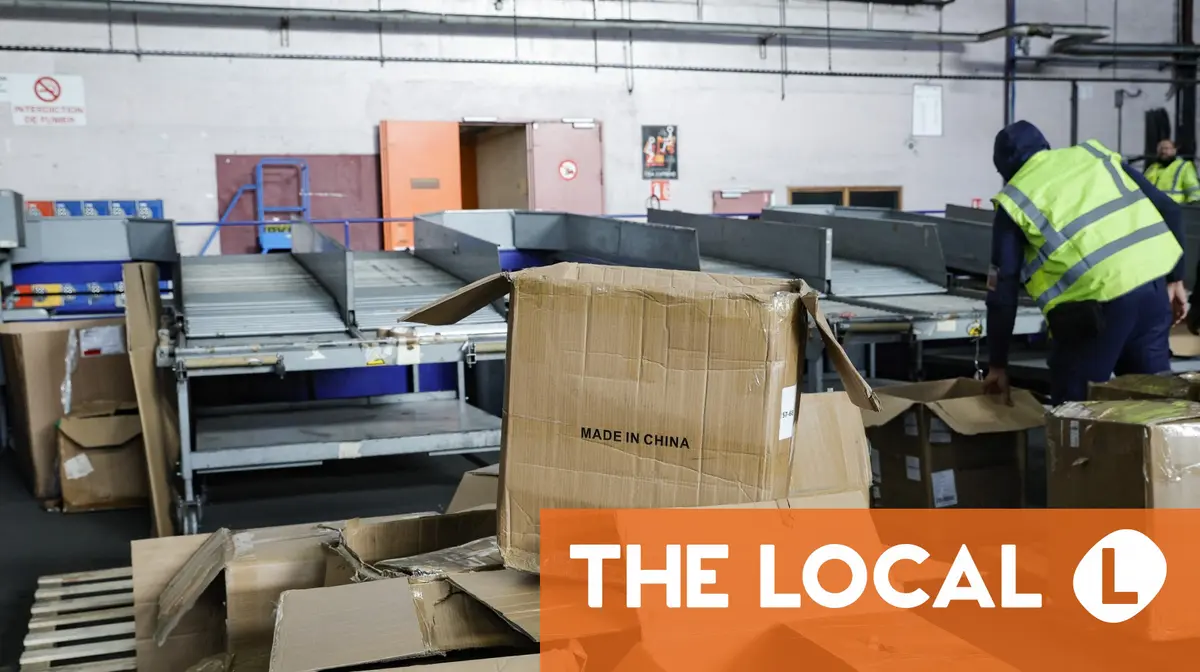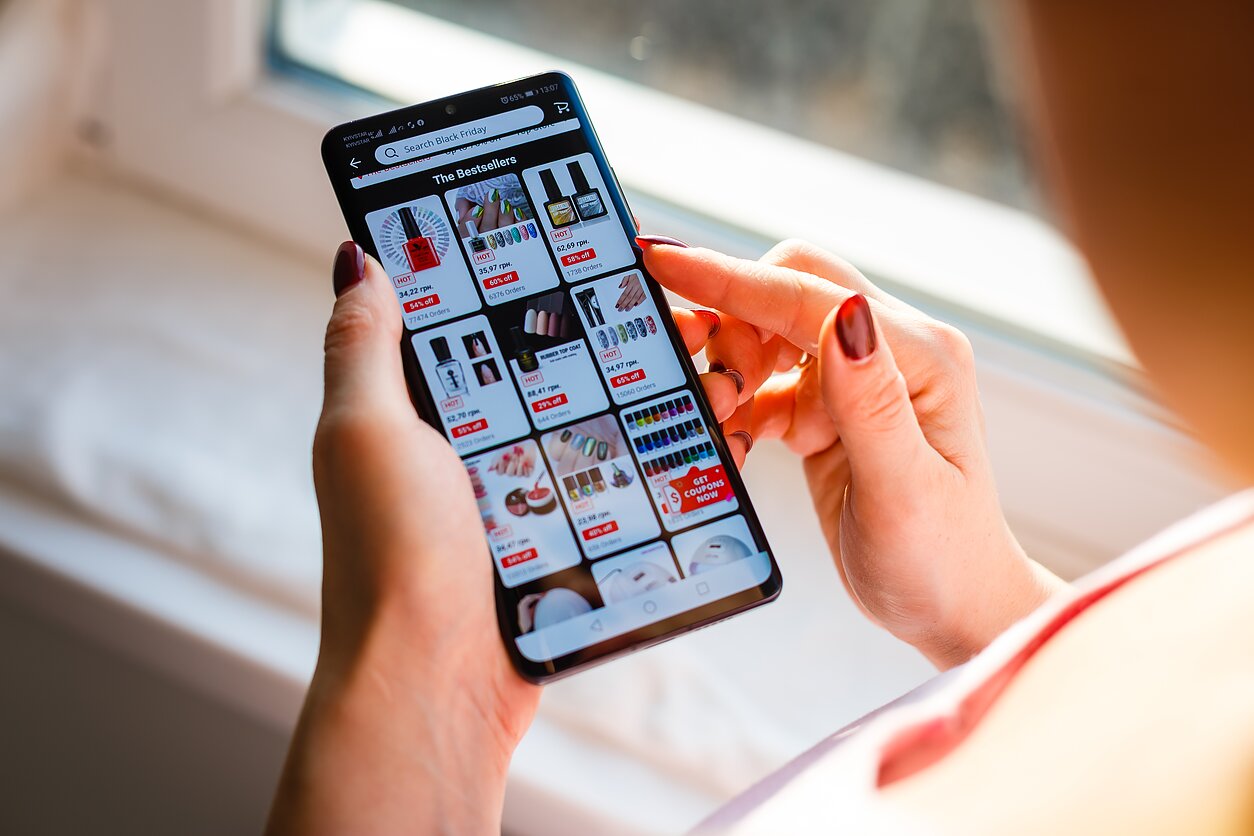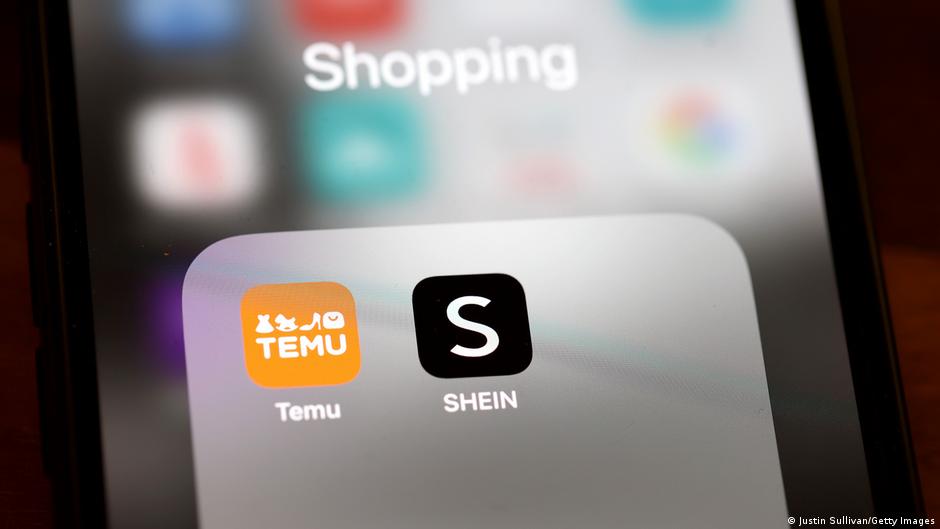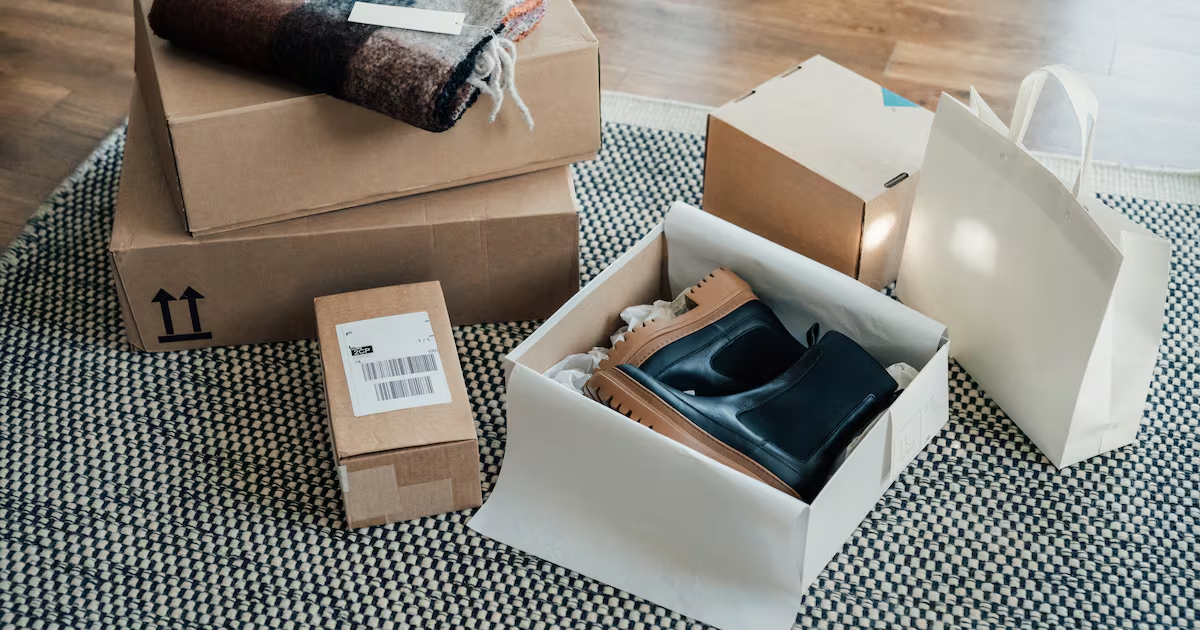
A €3 charge on small parcels from online purchases originating from outside the European Union came into effect on Wednesday. Here we take you through what it all means.What’s this about the Government hitting me with more taxes on my online shopping?Steady on. Fresh taxes are being applied from Wednesday but they are not taxes that are being imposed by the Irish Government, and nor will they apply to all of your online shopping.Okay, so what is happening then? It sounds bad.It’s not great if you do a lot of online shopping on platforms outside the EU. Before this week, products bought from outside the EU that cost less than €150 did not attract any duty under something that bureaucrats in Brussels and tax policy wonks referred to as the “de minimis” rule.As a Latin scholar you will no doubt know that means “of little importance”. What they meant by that was small items – things that cost less than €150 – were deemed too trivial and too niggly to impose duty on.And that has changed, has it?The massive growth in online marketplaces – based in China primarily – has caused dramatic upheaval in recent years and all those small parcels that were coming in started to mount up.Conor Pope: Why is there a €3 duty on items from outside the EU? Video: Conor Pope Editor: Eoin Ronayne Are we talking about a lot of parcels?According to official estimates, about six billion packages with a value of less than €150 came into EU states from outside the European Union last year. That’s about 16 million every day or 200 a second so, yes, we are talking a lot of parcels.If €3 was added to all of them it could raise €18 billion every year. Trends have actually pointed to the number of incoming parcels increasing dramatically every year.So what does all this mean for me?It means that a €3 charge will be attached to each product you buy from outside the EU – even if several of them come in the same package.So if I buy five things from Shein or Temu or wherever, I will have to pay €15?In a word, yes. But there is an important distinction here. It is not a €3 levy per item but per product category. So, if you buy five white T-shirts, you pay one charge of €3 because they are all the same product. But if you buy one white T-shirt, a snowglobe, a novelty cheese grater and a Halloween costume of Jesse from Toy Story, then each of them will attract the €3 duty, adding €12 on to your final bill.Many orders from Chinese retailer Shein will face the €3 duty. Photograph: James Manning/PA Wire But how will the Irish customs people know what is in the package?Irish customs will police the new system. Delivery companies will collect it. It will be the responsibility of sellers outside of the EU to clearly state what is in each package, putting each separate product on a different line.Hang on, does that mean thousands of products will have to be looked at in Irish delivery depots every day? That is going to take ages?All the packages will have to be scanned individually. This is where tech comes in and it is another reason why the de minimis rules could be scrapped. In times past, collecting the cash would have been time consuming and onerous but now computer scanners do all the work in the blink of an eye.And how will I pay this new charge?There are two ways it can be imposed. Most of the big online retailers that are accustomed to doing business with consumers in the EU – the ones that are already levying import charges at the point of sale – will simply add the extra €3 to each different product at their online checkout and that will be that. But smaller retailers – or ones lacking the financial wherewithal – will just sell them and leave it to others to sort out.Who are these others?In the main, they will be the delivery companies. If the duty is not paid at the point-of-sale then delivery companies will stop the parcels when they arrive in Ireland and will not deliver them to you until the required duty is paid. The bad news is they will also charge a handling fee of about €7 for doing that, which could see the price of one €5 T-shirt bought online climbing to €15 before you can wear it. And, on top of that, you will have to pay VAT on the duty too.[ New €3 charge means online shopping is now a lot more expensiveOpens in new window ]I will have to pay tax on the tax?Yes. VAT is attached to the final price of a product. So a T-shirt from outside the EU that has a list price of €7 will cost €10 when imported into the EU as a result of the new duty and you will pay VAT on the €10.How will I know if I have paid tax on a product or not when I am checking out?All you will need to do is check is your bill at the online checkout to see if the duty has been applied. According to estimates from An Post, as many as 95 per cent of online sellers deduct all charges necessary at their checkout.So this new change won’t cause a delivery headache for that many people, right?Um, we get a lot of online deliveries from outside the EU into Ireland, and even if 95 per cent impose all the taxes at the point of sale, as many as five million packages will be exposed to the charges every year.So the thing to do is shop online on .ie websites?You might think that but you’d be wrong. What matters is not where the site is based or even where the domain registry tells you it is based. What matters is where the product comes from. If you buy on a .ie site that ships from China, then you pay the tax. And if you buy from amazon.ie but the product comes from Britain, then you will also pay the tax.And what about returns? If I buy something and pay duty on it and then return it, do I get my duty back?You do not. You will get a refund on the product but, once duty is paid, it is paid, and you won’t be getting it back. And that – along with all the other reasons – is why you might want to think hard about where you are shopping and where the products are coming from.Is there anything else I should know?One other thing. Be very careful of scammers in the days ahead. They are very clued in to what is happening in our world. The Competition and Consumer Protection Commission and our banks have been warning people to expect a surge in scam text messages from delivery companies looking for personal details or payments. Treat every such message – even if you are expecting a delivery – with suspicion and don’t follow any links embedded in such messages.
Everything you need to know about the new €3 customs charge
From Wednesday, an order of three items from outside the EU will become at least €9 more expensive
1,196 words~5 min read