The NVIDIA Inception member’s Ocula moon imaging service will harness the NVIDIA Jetson platform for edge AI, running inference directly in space to significantly accelerate insights compared with downlinking all data back down to Earth.
When Firefly Aerospace’s Blue Ghost Mission 1 landed on the moon in March 2025, the lander downlinked nearly 120 gigabytes of raw data back to Earth — imagery and video captured by onboard cameras that scientists are still processing today.
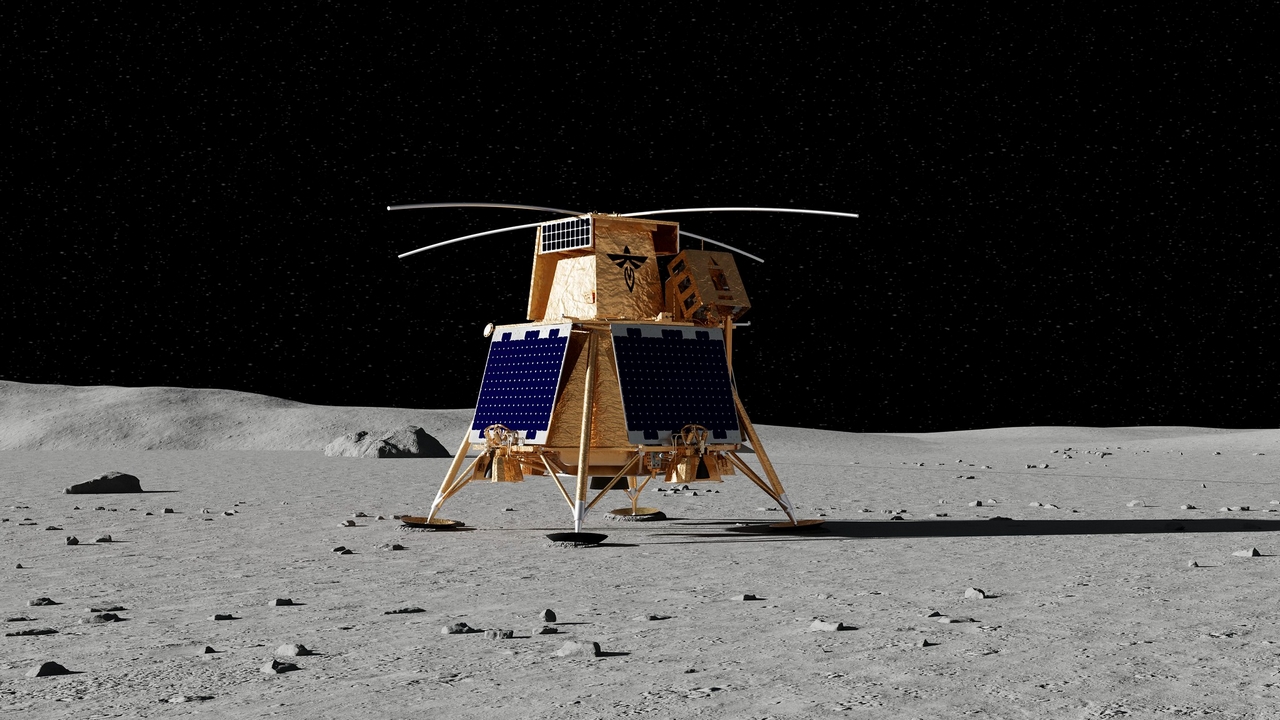
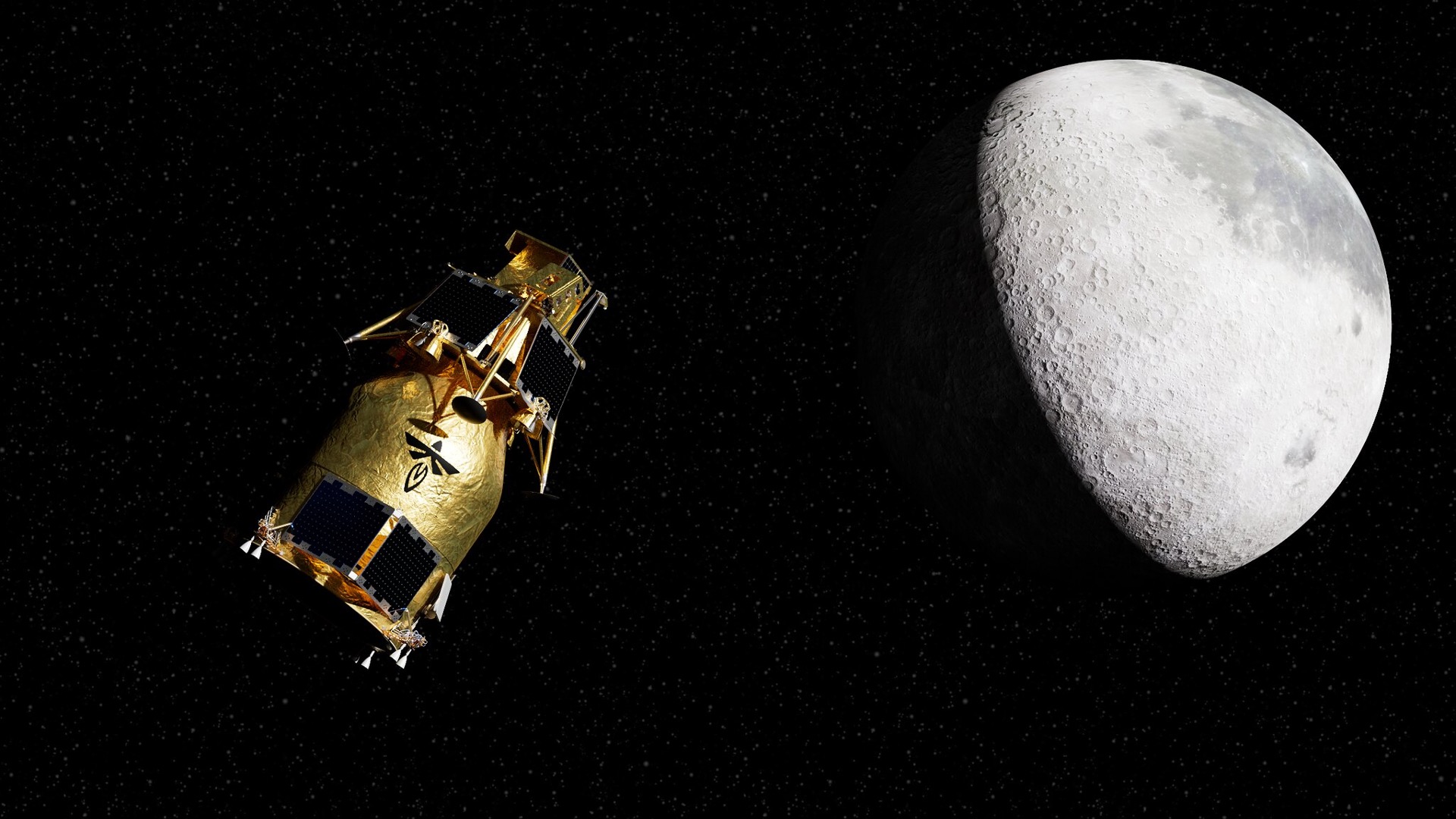
The company’s next lunar mission, Blue Ghost Mission 2 — targeted for launch in late 2026 — will carry Firefly’s Ocula moon imaging service, marking the first time the NVIDIA Jetson edge AI platform has operated in lunar orbit.
Your browser does not support the video tag.
On Blue Ghost Mission 1, Firefly captured the first HD imagery of the lunar sunset from the moon, which helped researchers understand how lunar regolith reacts to solar influences and creates a lunar horizon glow, a phenomenon originally documented by Apollo 17 astronaut Eugene Cernan. Video courtesy of Firefly.