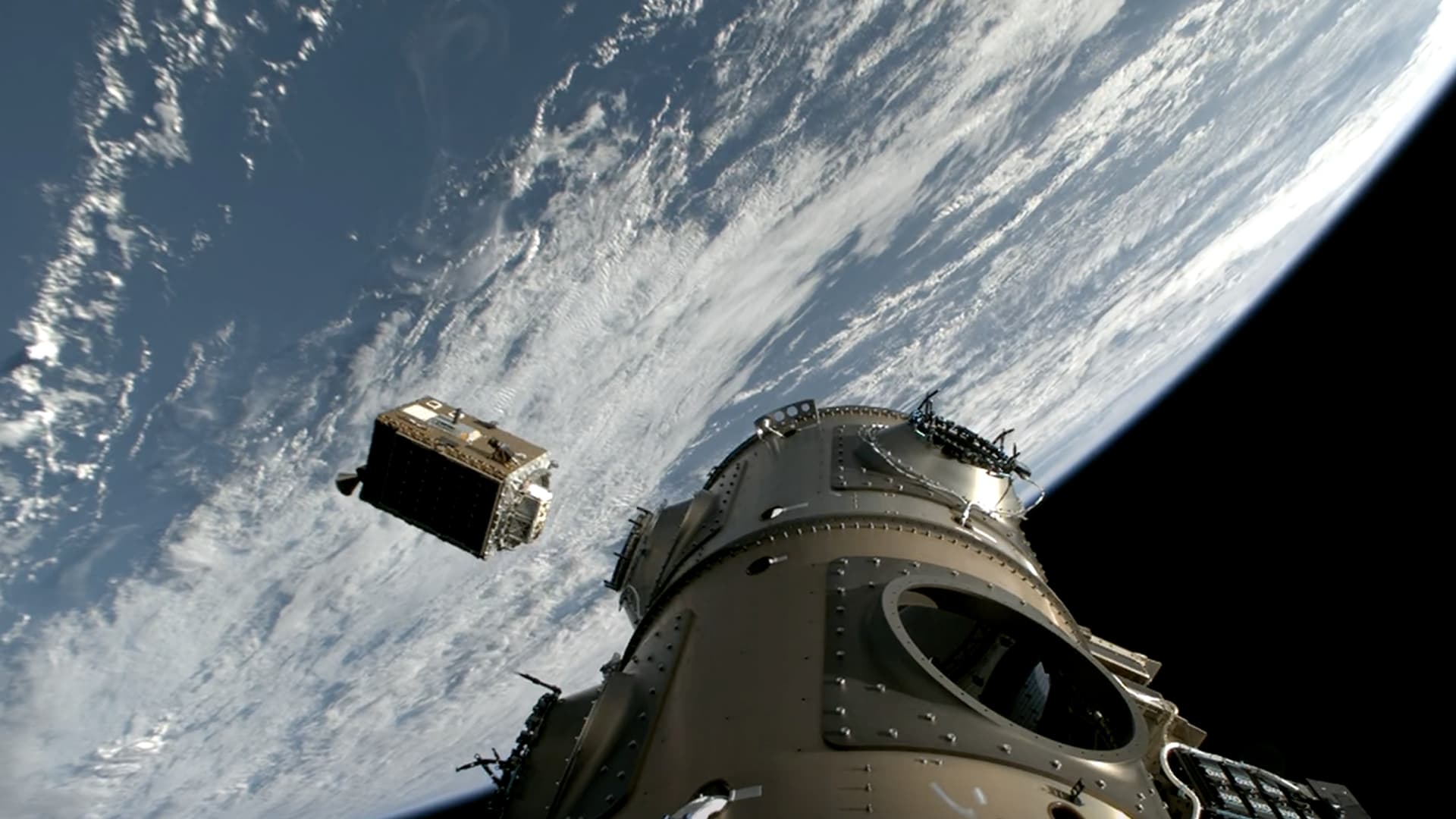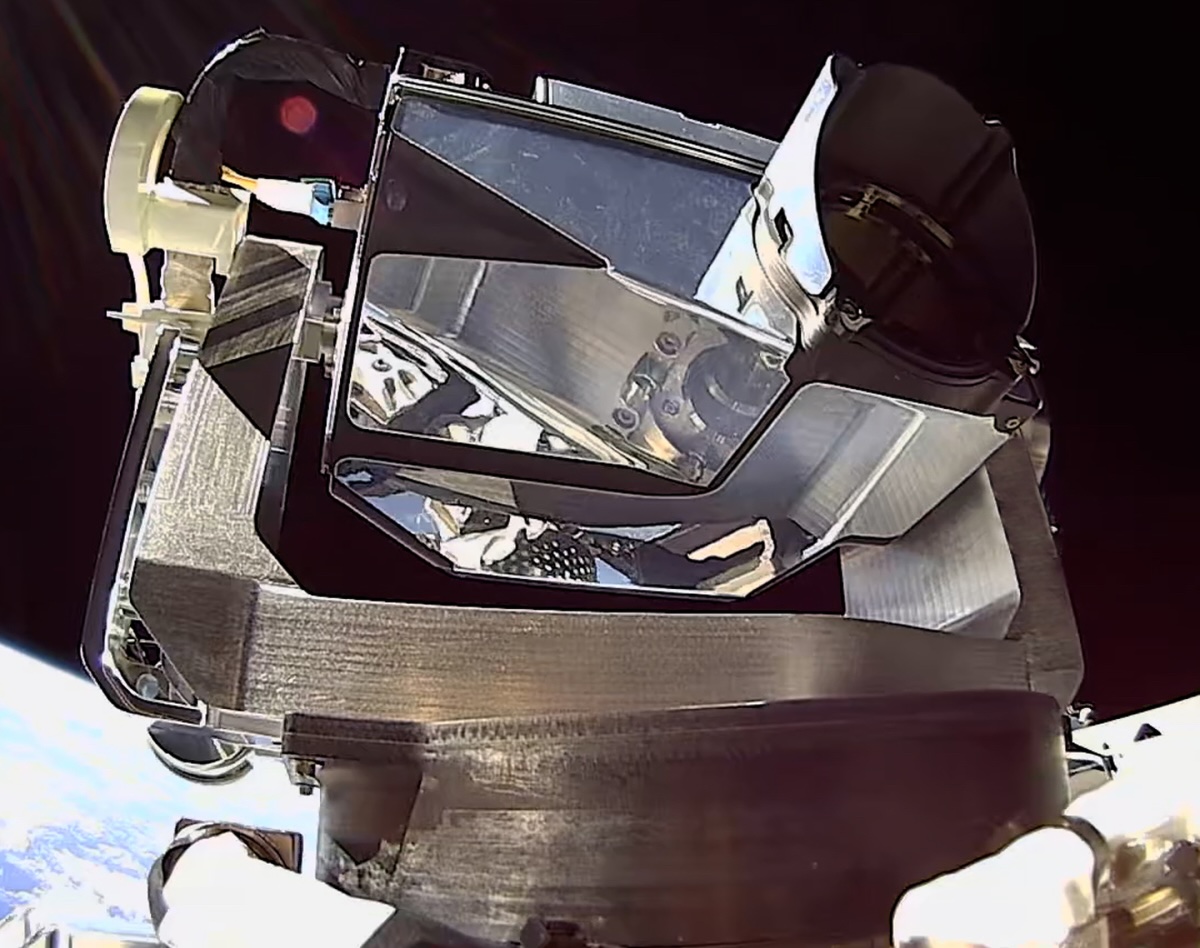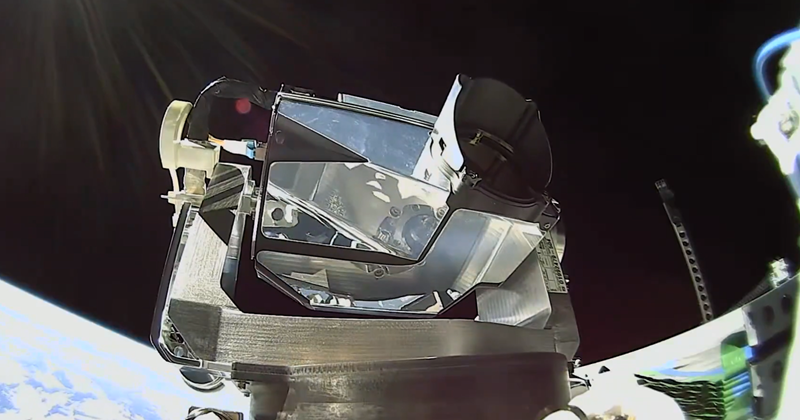
In November, Starcloud sent a small satellite called Starcloud-1 into orbit via a SpaceX launch. The 60-kilogram spacecraft was the first to carry a compute system with an NVIDIA H100 GPU.
“It’s about 100 times more powerful than any GPU that has been in space before,” said Philip Johnston, Starcloud cofounder and CEO, at the SpaceNews Opportunities for On-Orbit Computing event held in Washington, D.C. earlier this spring. “With that, we were the first to train a model in space, the first to do high-powered inference on SAR data, the first to run a version of Gemini. And so we have an enormous amount of telemetry now on how those high-powered GPUs operate [in space].”
During an interview with SpaceNews senior staff writer Jeff Foust, Johnston discussed Starcloud’s near-term launch plans, the technical challenges of orbital computing and the company’s long-term vision. The interview has been edited for length and clarity.
Jeff Foust: Can you briefly explain the work Starcloud is doing in the orbital datacenter space?
Philip Johnston: Starcloud is building orbital datacenters — initially to provide cloud and edge services for other spacecraft, and eventually to compete with terrestrial datacenters on energy costs and address the AI energy bottleneck.