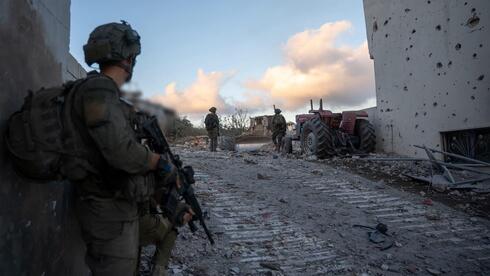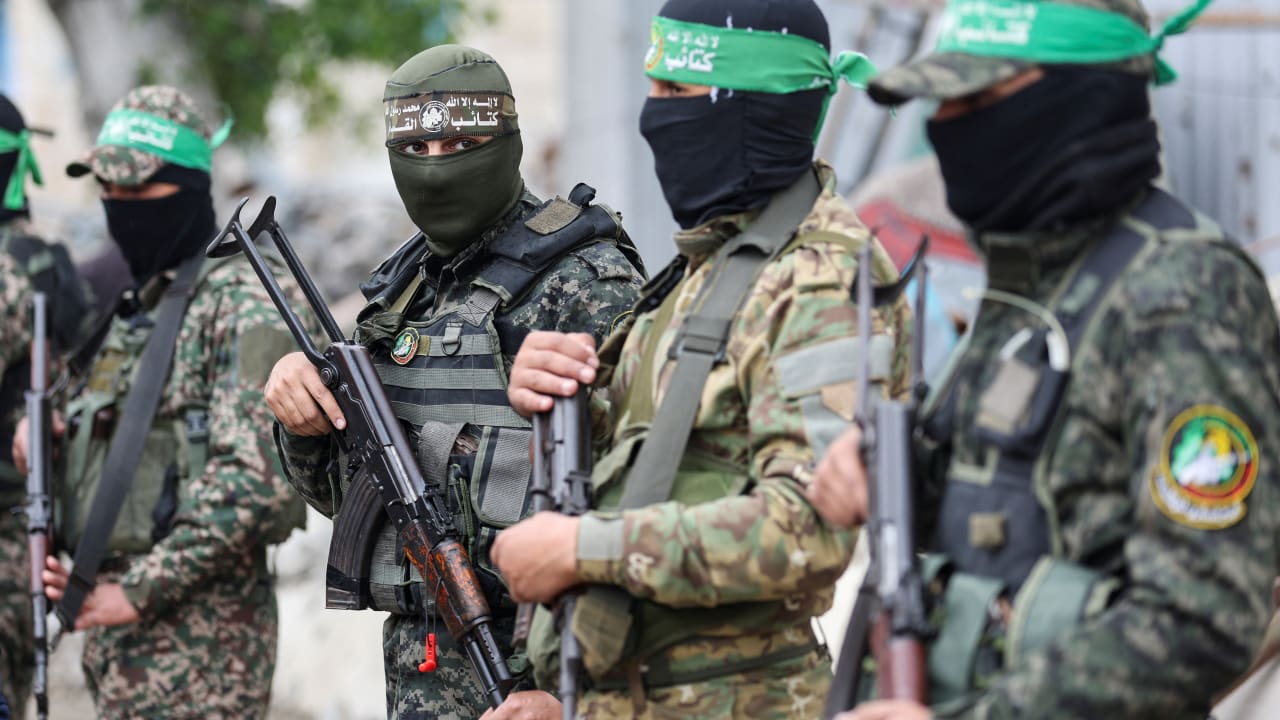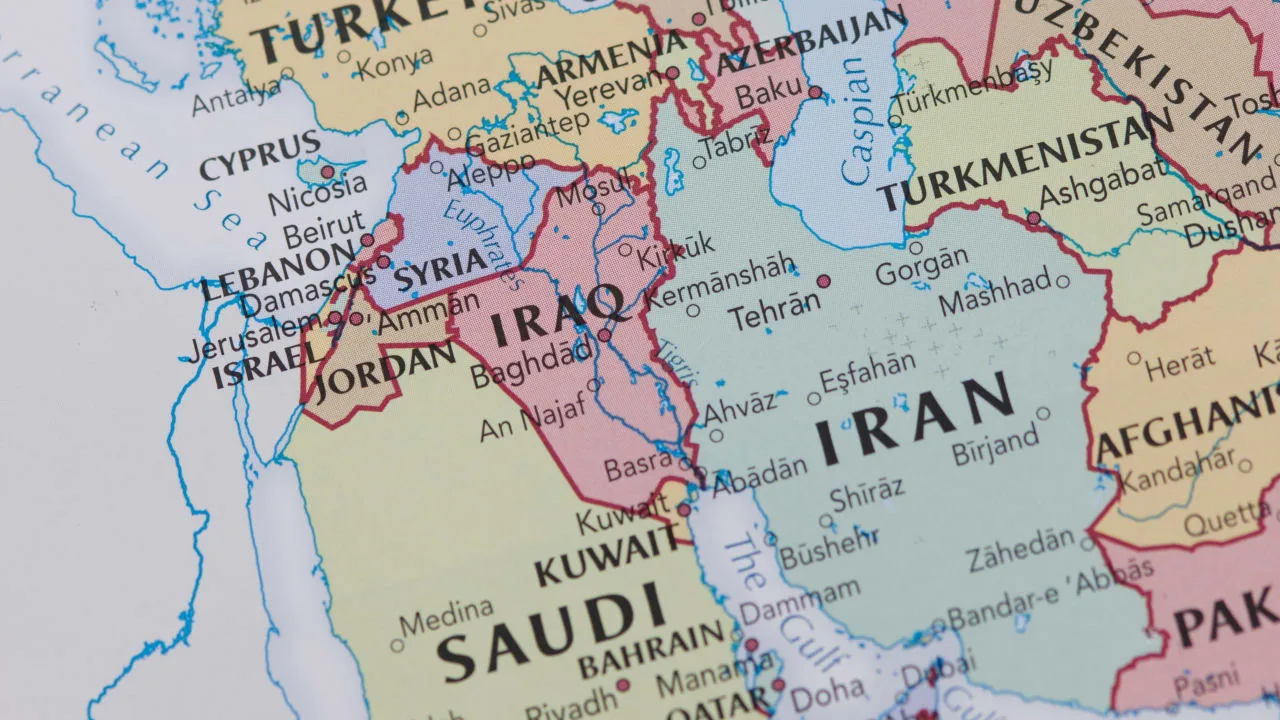
ByOHAD TALJUNE 29, 2026 17:00Nearly three years into the war, one thing is clear: Israel is in a far stronger strategic position than it was before October 7.The war is not over, and many challenges lie ahead, but across every front – from Gaza and Lebanon to Iran – the balance of power has shifted decisively in Israel’s favor.For decades, Israel’s security policy followed a familiar pattern. Terrorist organizations would attack, Israel would respond militarily, international pressure would quickly mount for a ceasefire, and eventually both sides would return to an uneasy status quo. The terrorist groups would survive, rebuild, and prepare for the next round of fighting.The events of October 7 made it clear that this approach had failed. Israel could no longer afford a strategy based primarily on deterrence and containment. The objective had to become the systematic dismantling of our enemies’ military capabilities, even if achieving that goal required a longer, more demanding campaign.Nearly three years into the war, we can now assess the results of that strategy.In Gaza, the IDF controls almost 70% of the Strip; it has destroyed much of Hamas’ military infrastructure above and below ground, and eliminated virtually all of its leadership. Hamas has not yet been defeated, but it has suffered a severe military blow.Chief of the General Staff, LTG Eyal Zamir, conducted a tour of the field in the Gaza Strip (credit: IDF)Equally important, there is now broad international recognition that Gaza cannot be rebuilt without demilitarization, along with growing acceptance that Israel must retain the ability to enforce that reality until the job is complete. Progress has also been made with US President Donald Trump’s relocation plan for the Gazans.The same is true in Lebanon. The IDF continues to operate against Hezbollah’s infrastructure and maintains a security buffer zone that significantly reduces the threat to Israel’s northern communities. Hezbollah remains a dangerous enemy, but it is considerably weaker than it was before the war.Following the successful detachment between Tehran and Beirut, Israel now enjoys far greater freedom to prevent Hezbollah’s rearmament and renewed entrenchment along the border.Israel is more secure than before the warAs a result, residents of both the north and the south enjoy a level of security – and a sense of security – that is substantially better than before the war. Communities that lived for years under the constant threat of rockets, anti-tank missiles, infiltration, and cross-border attacks are now in a far stronger position.The broader regional picture has also changed significantly. Iran has been weakened militarily, economically, and politically. Its network of proxies has suffered serious setbacks across multiple fronts, reducing Tehran’s ability to project power throughout the region.The main point is simple: Israel’s enemies are considerably weaker today than they were before the war, while Israel’s strategic position is considerably stronger.This does not mean that there is peace in the Middle East or that all of Israel’s objectives have been achieved. Hamas still exists. Hezbollah remains a threat. Iran continues to pursue its long-term ambitions, and the recent agreement with the United States raises important questions. There is still much work to be done.But strategic success is not measured only by whether every objective has already been achieved. It is also measured by whether a country is safer and stronger than it was before the war began. By that standard, Israel has made remarkable progress.The current campaign reflects a fundamentally different approach. Rather than accepting temporary arrangements that allowed terrorist organizations to regroup, Israel has sought to change the strategic reality by consistently degrading the capabilities of its enemies while preserving the freedom to prevent them from rebuilding. The IDF is deployed in strategic areas, acting as a buffer between hostile forces and Israel’s civilian population.Above all, these achievements belong to Israel’s reserve soldiers and their families. Hundreds of days of reserve duty have demanded extraordinary sacrifice from citizens who left behind their families, careers, businesses, and studies to defend the country.Their service has not only protected Israel during one of the most difficult periods in its history, but it has also helped create a stronger and more secure future for generations of Israelis. This success is, first and foremost, theirs.The writer is a member of Knesset and part of the Religious Zionist Party.Follow us on Google
Israel is in a stronger position than before October 7 | The Jerusalem Post
From Gaza to Iran, Israel has shifted the strategic balance in its favor, though significant security challenges remain.
712 words~3 min read