F
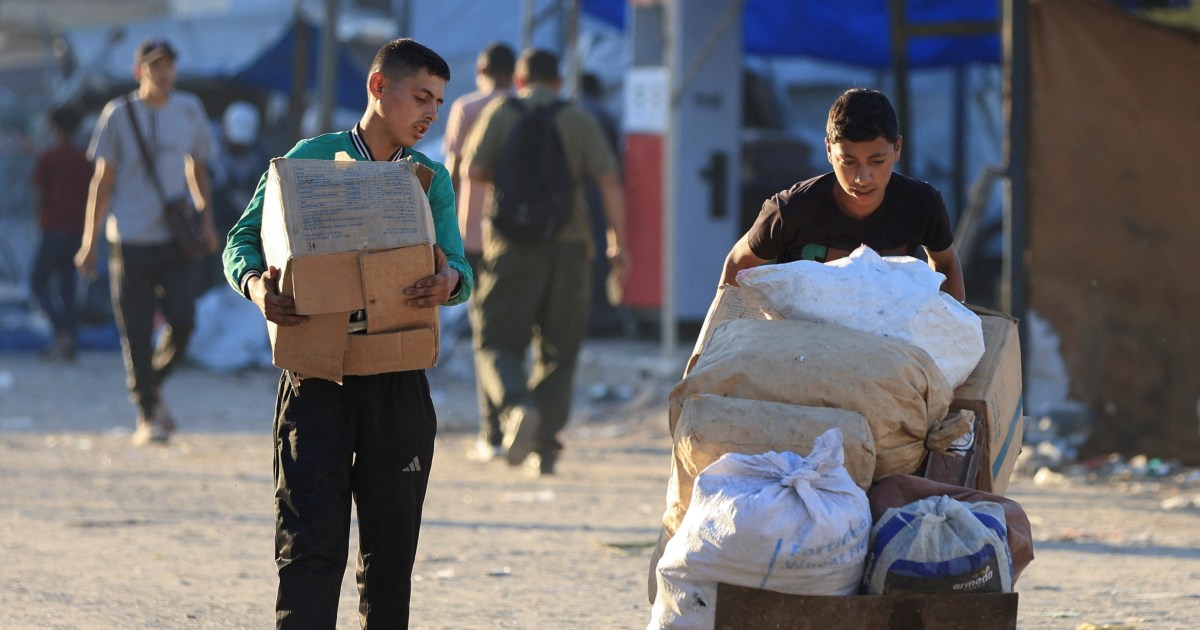
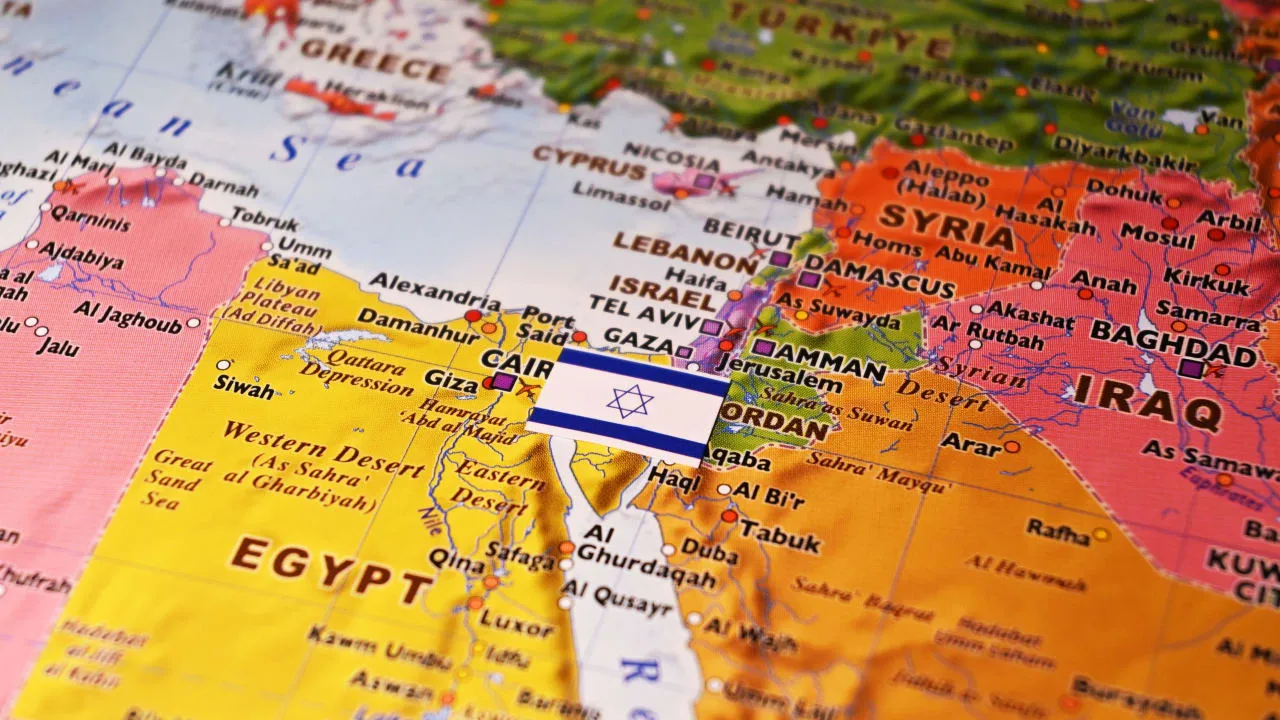
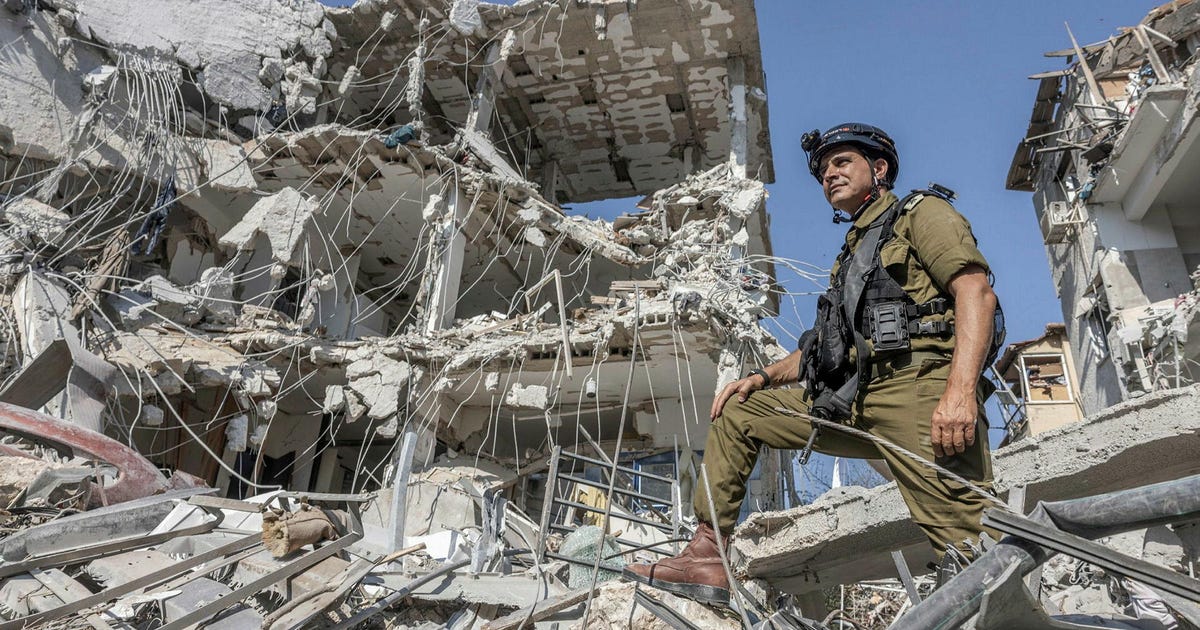
irst, let us acknowledge the diplomatic achievement: Unconventional as it may be, Donald Trump's approach succeeded in the Middle East. The last surviving Israeli hostages held by Hamas, the Palestinian Islamist group, were released on Monday, October 13. Israel's ground offensive on Gaza City was halted. Increased humanitarian aid was expected to reach Gaza's population. The first phase of the American president's plan was a success, leaving Israel in a rare position: both strong and isolated.
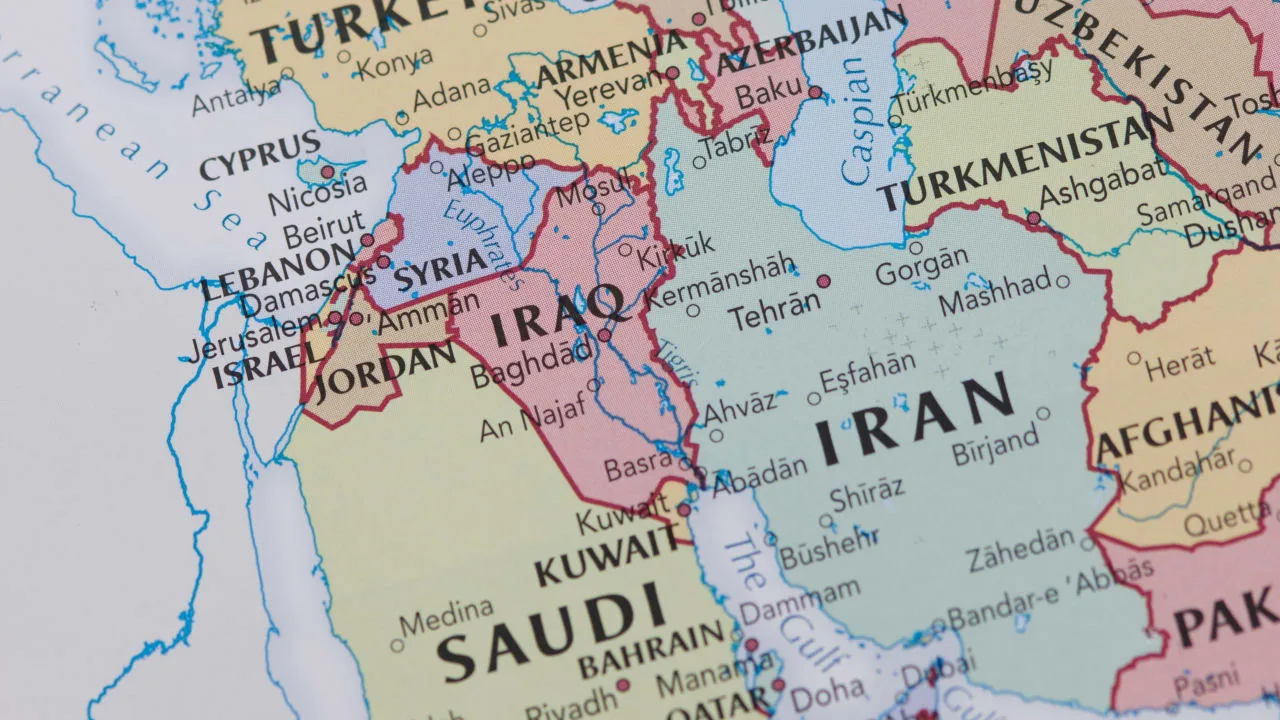
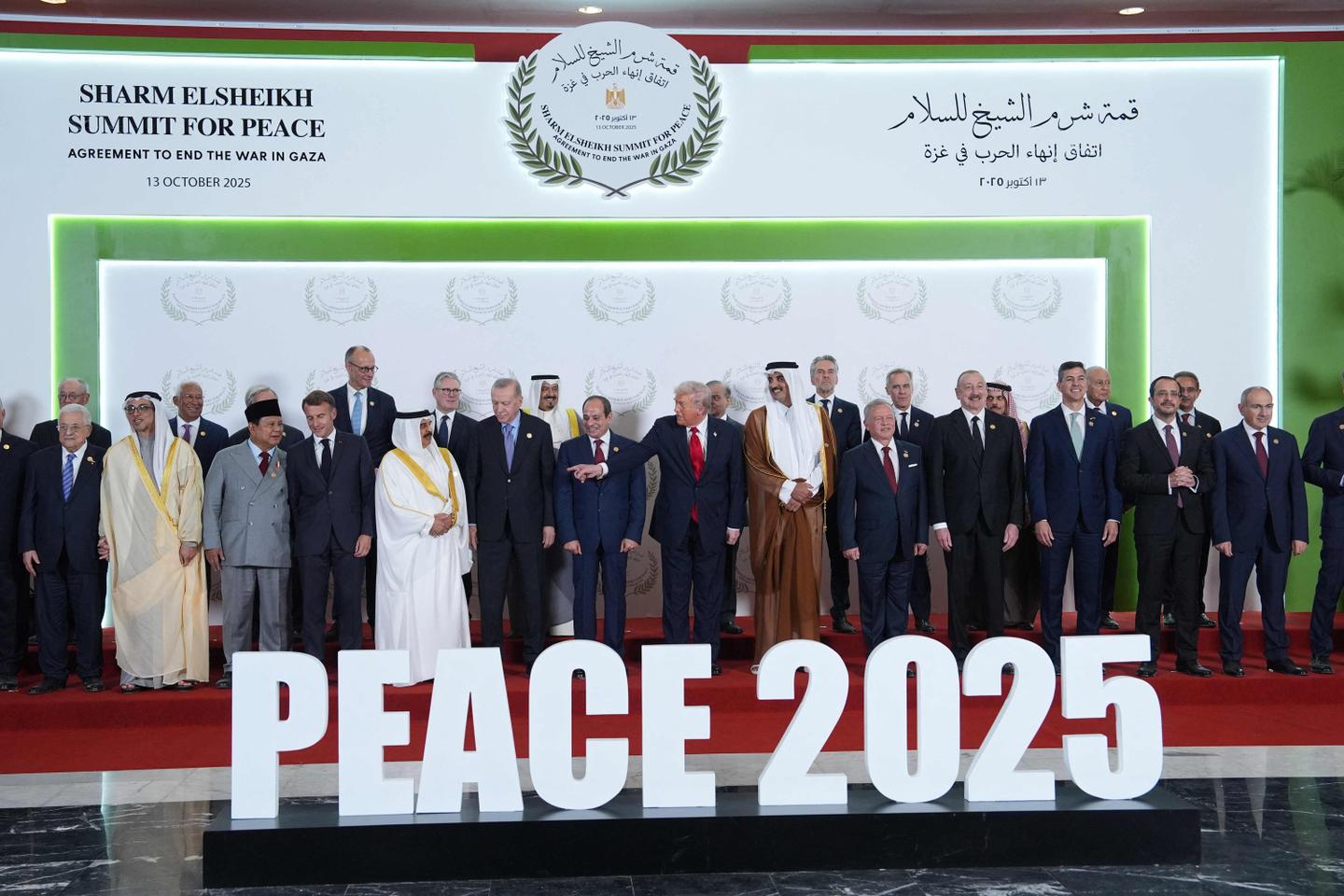
Neither the significance of this initial step nor the formidable obstacles it overcame should be underestimated, even if such an outcome could have been achieved as early as last January. To reach this point, a near-miraculous alignment of political and diplomatic interests in the region was required, noted journalist Thomas Friedman, a keen chronicler of Middle Eastern tragedies, in the New York Times: Trump's team, he wrote, had to "simultaneously win the trust of Israel, Hamas, Qatar, Turkey, the Palestinian Authority, Saudi Arabia, Egypt and the UAE before landing in Gaza." Only the US could have aspired to such a feat.
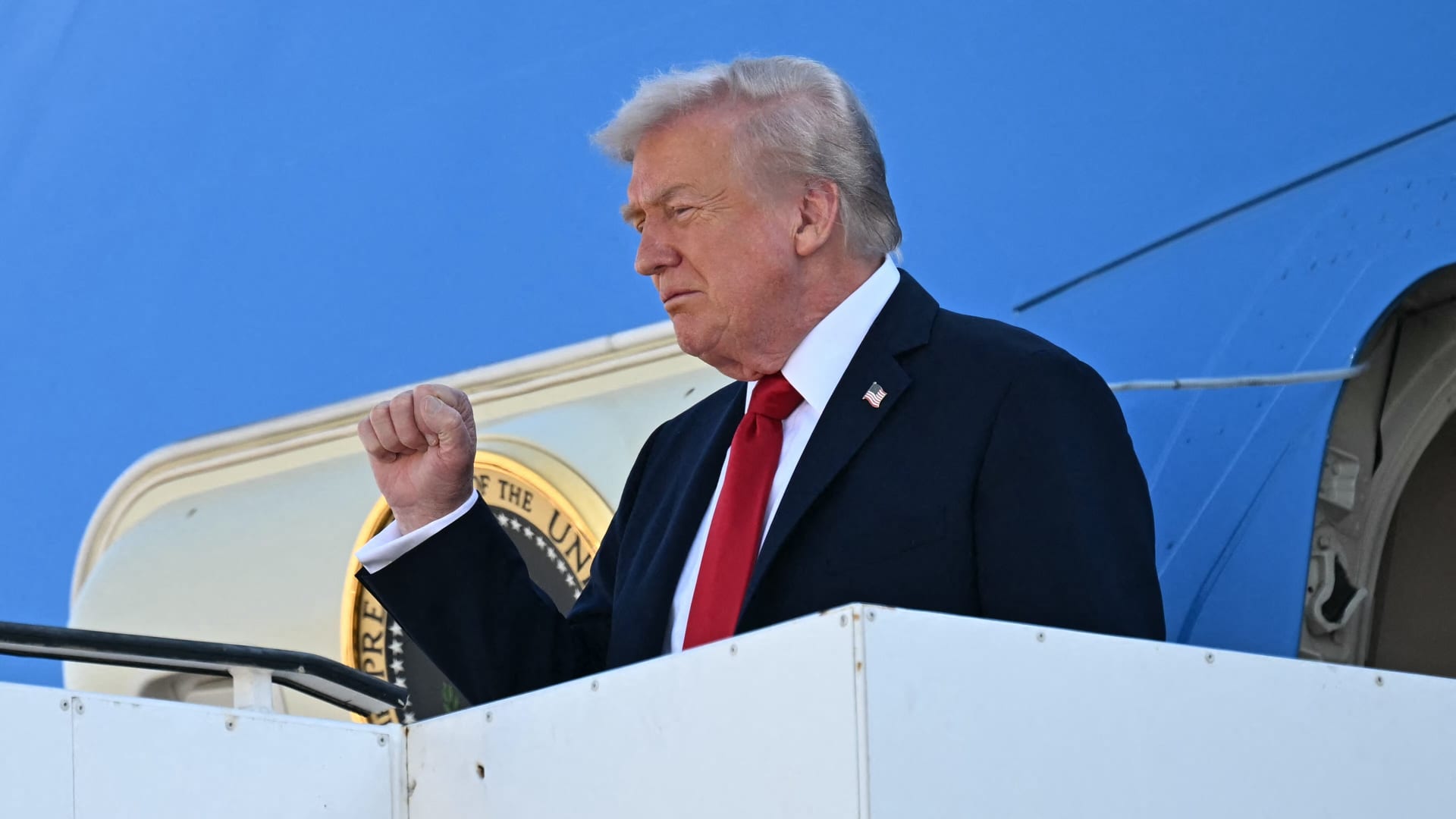
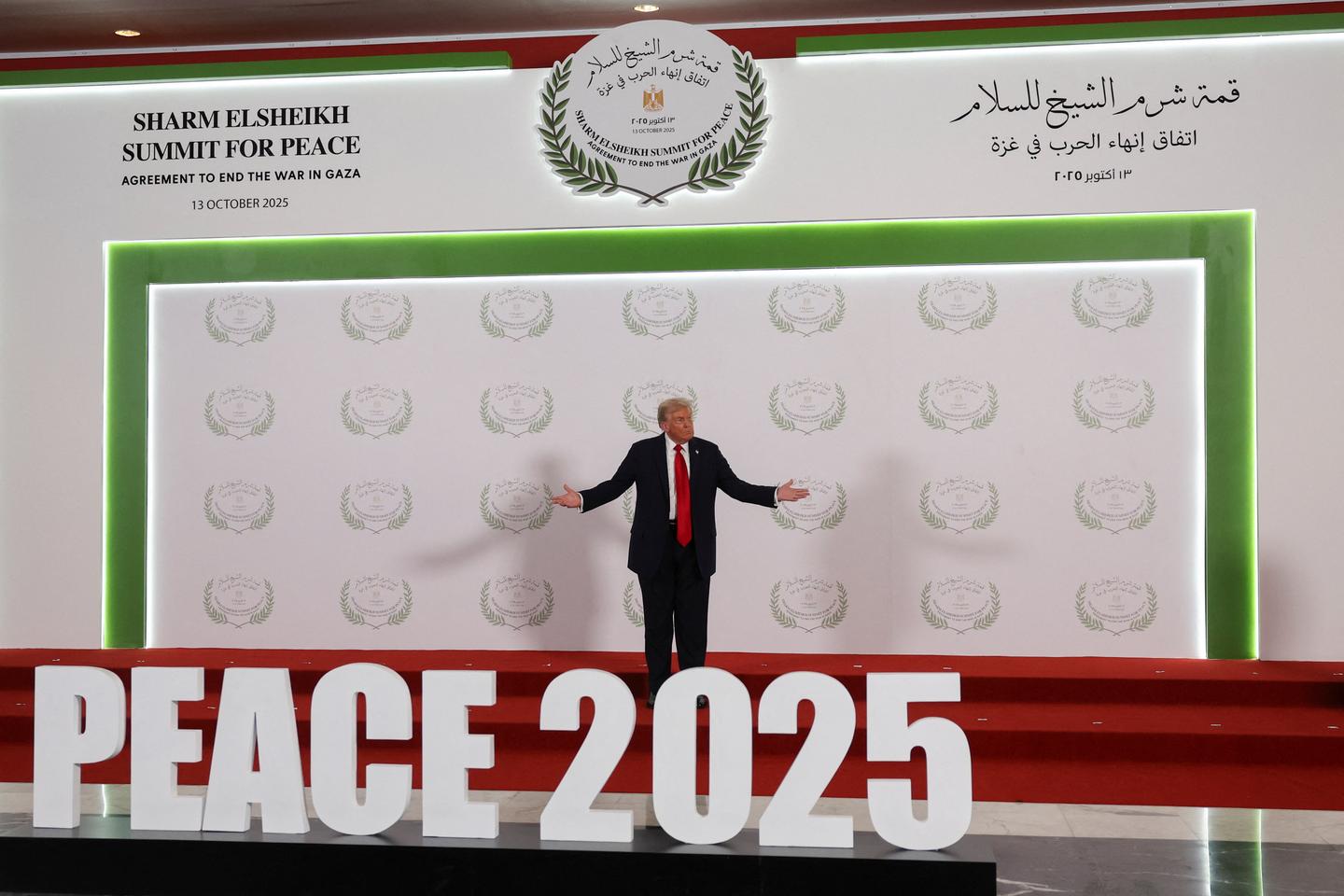
But the usual fanfare of self-congratulation that Trump indulged in to celebrate and define the brilliance of his own achievements should not be taken at face value. His narcissistic boasts this week, in Israel and then in Egypt, were misleading. Much more – far more – would be needed before we can actually reach "the historic dawn of a new Middle East" or the advent of "enduring peace," to quote the American president.