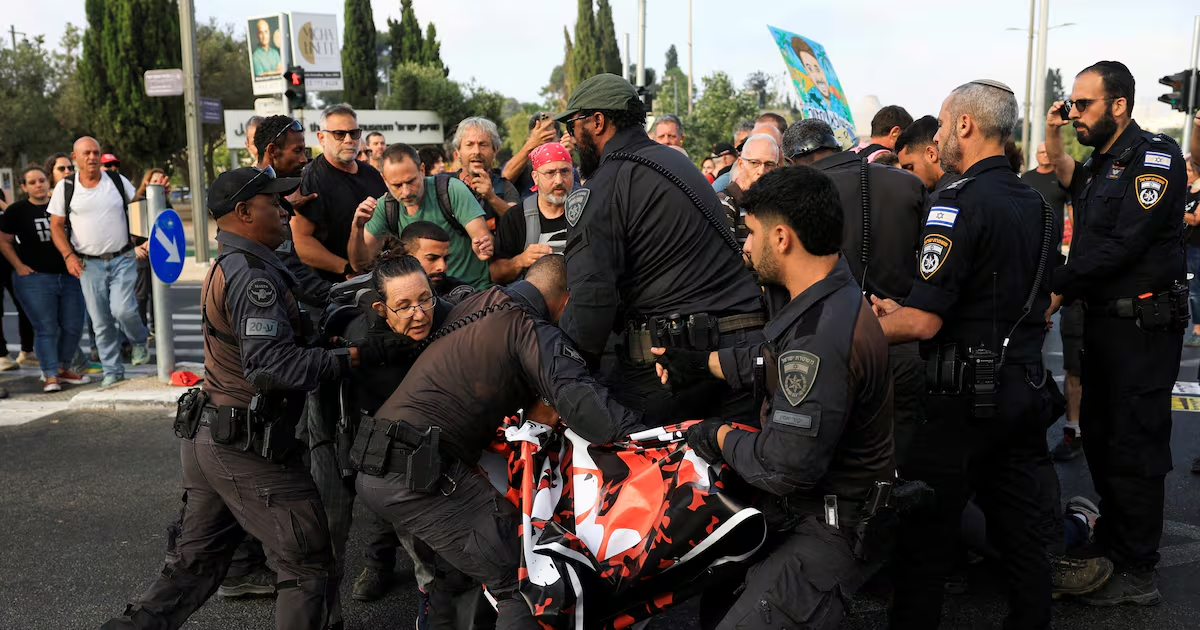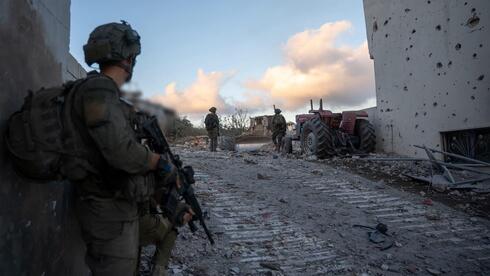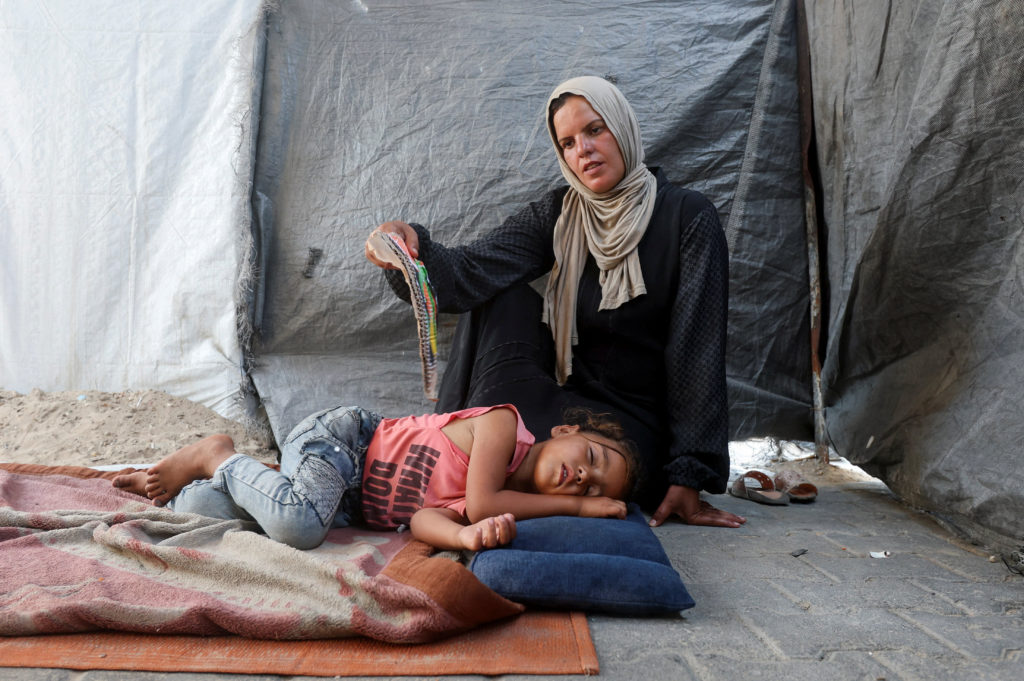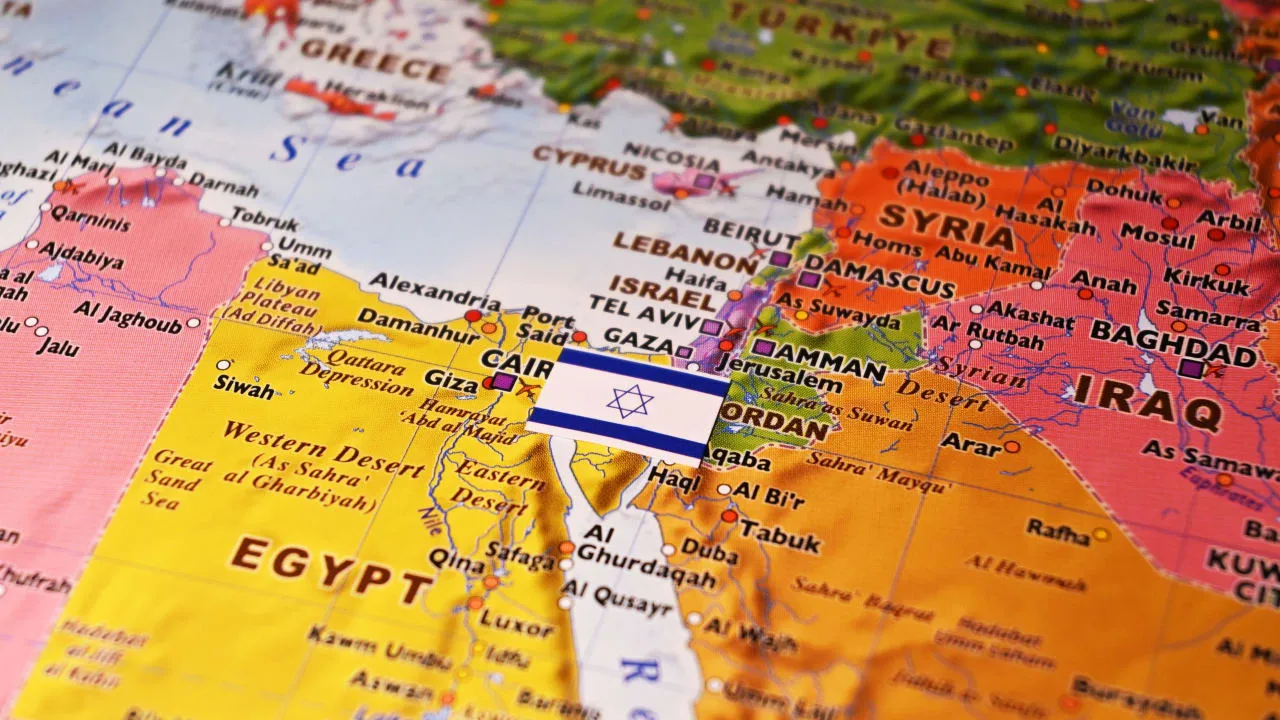
Despite demonstrating its dominance as the military power in the Middle East and weakening its adversaries, Israel finds itself more globally isolated about 1,000 days after Hamas’s attack, compared to where it was on Oct. 6, 2023.Israel’s reaction to Hamas’s attack, in which roughly 1,200 Israelis were killed and 250 others were taken hostage and brought back to Gaza, was swift and immediate. Israeli Prime Minister Benjamin Netanyahu and others in his Cabinet determined immediately that the threats along their borders were no longer tolerable.In the two and a half years since then, Israel, both with the U.S.’s backing and in some cases participation, has gone to war against Iran and its proxy forces across the region in Gaza, Lebanon, Syria, Iraq, and Yemen. Even though they have been able to significantly degrade the capabilities of Iran’s Islamic Revolutionary Guard Corps, Hamas, Hezbollah, the Houthis, and various militias based in Iraq and Syria, Israel finds itself more politically isolated globally based on its actions in the various fronts of this regional war that has consumed the region even more broadly since the start of the U.S.-Israel war on Iran.
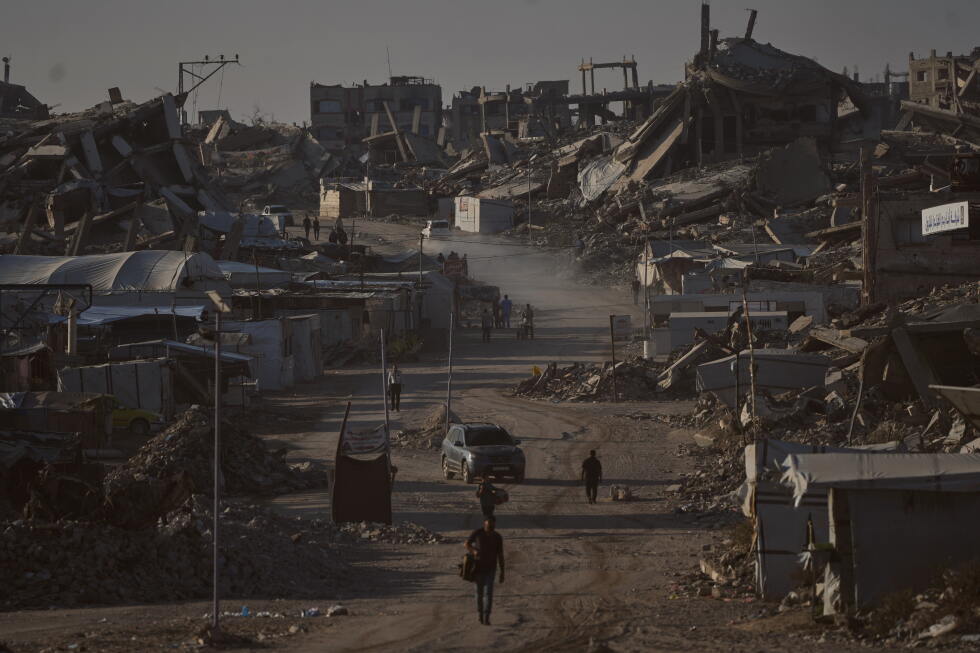
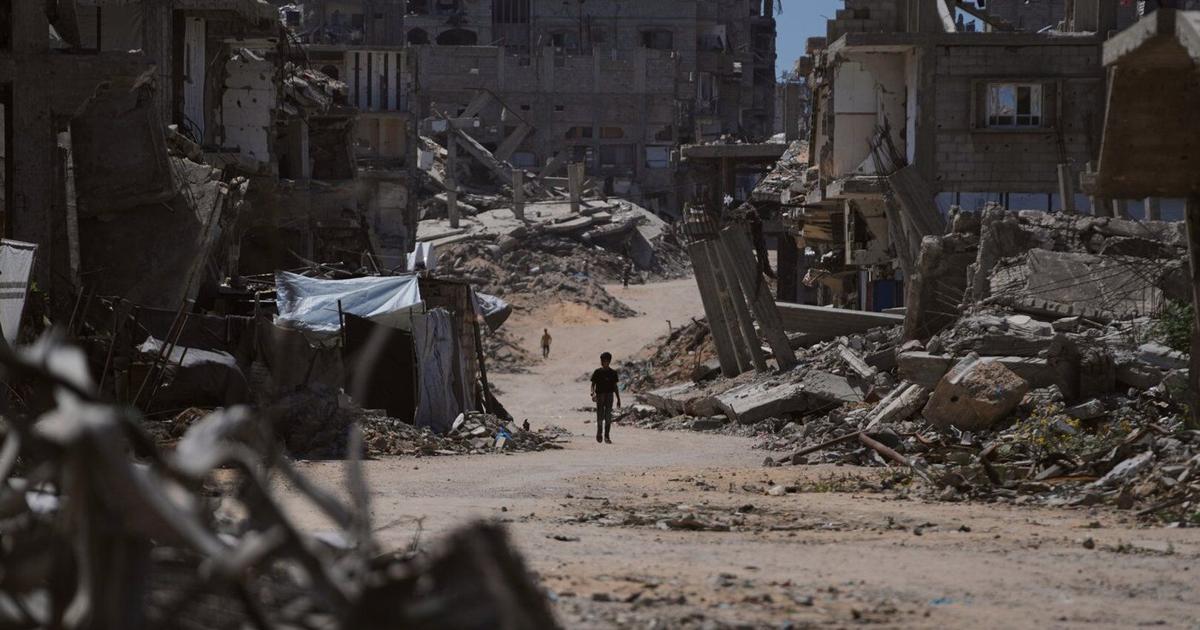
Ned Price, who was the spokesperson for the Biden-era State Department at the time of Hamas’s attack, told the Washington Examiner: “Israel had an opportunity to emerge from October 7 with its enemies severely degraded, if not entirely vanquished, but because its strategy was military-first, and in many ways military-only, and because that military strategy was so over the top and in so many different ways, I think Israel really sacrificed so much of that potential strength and influence in the region and beyond, because it didn’t marry it with a diplomatic strategy, a political strategy, a humanitarian strategy, or a communications and messaging strategy.”Israeli forces have killed the senior leaders of Hamas, Hezbollah, and Iran, yet those groups remain battered but intact. Hamas still refuses to disarm, as does Hezbollah, which is Iran’s primary proxy and is standing in the middle of a breakthrough Israel-Lebanon agreement, and Iran’s Guard has demonstrated it can still fire drones and ballistic missiles even after the ceasefire agreement.Former Israeli Ambassador to the U.S. Michael Oren told the Washington Examiner: “I think Israel went to extraordinary lengths to minimize civilian casualties. That doesn’t mean there weren’t aberrations, doesn’t mean there weren’t war crimes, of course there were. The Israeli army’s made of human beings, but that was not the policy.”Israel is still periodically bombing Hamas and Hezbollah targets in Gaza and Lebanon, and their actions in Gaza have raised genocide allegations, which their leaders dispute.Palestinians walk along a street surrounded by buildings destroyed in Israeli air and ground operations during a dust storm in Gaza City, Saturday, Feb. 14, 2026. (AP Photo/Jehad Alshrafi)