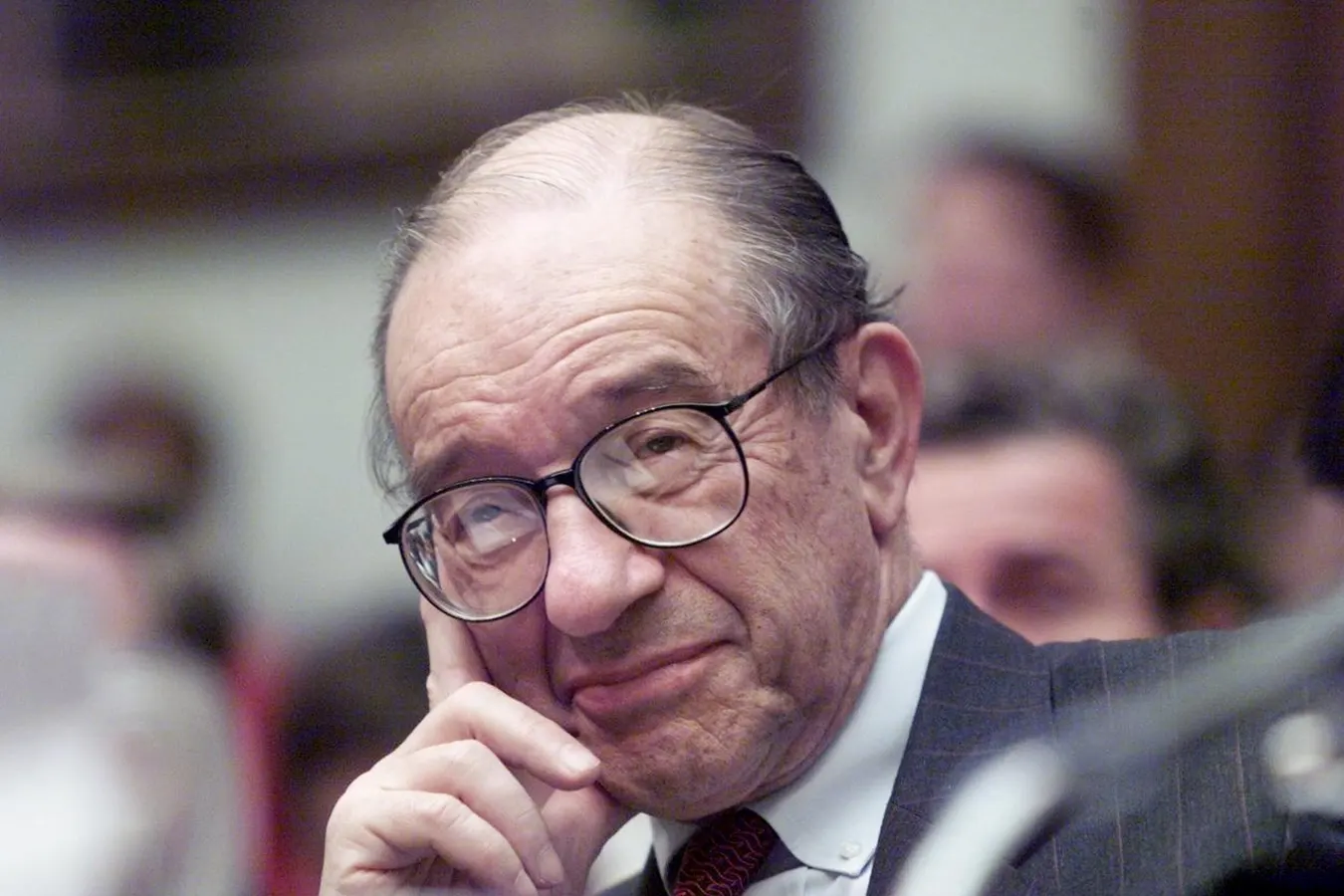
At once precise and almost poetic, the phrase “irrational exuberance” so perfectly captured a market phenomenon—the investor sentiment that creates a stock market bubble—that it entered the business lexicon almost immediately.
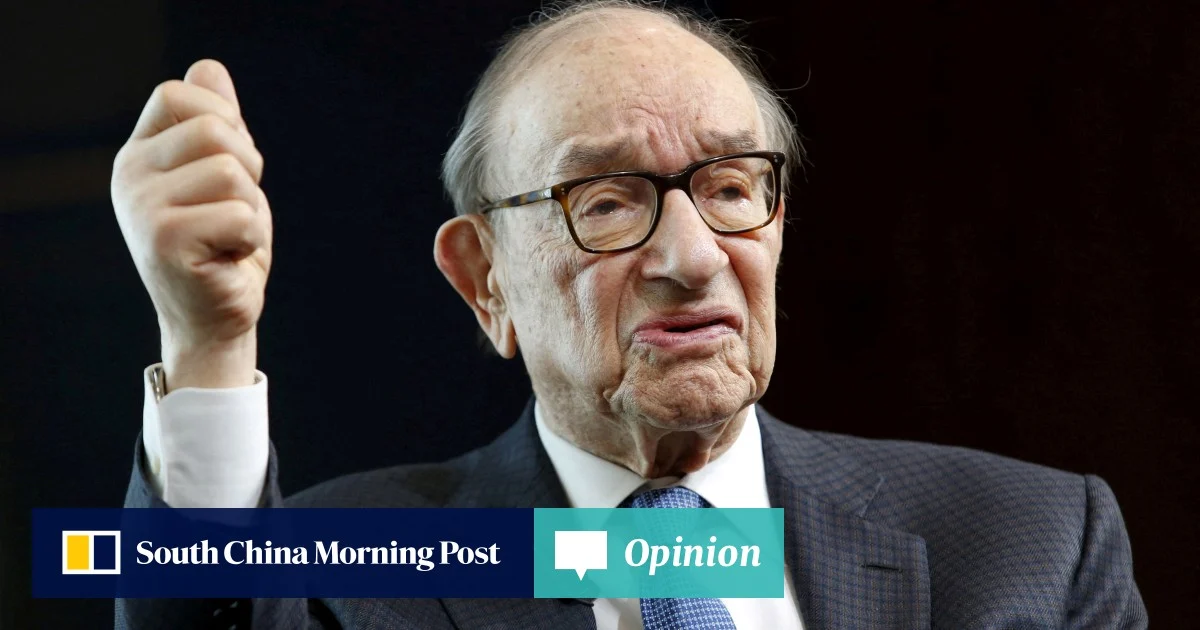
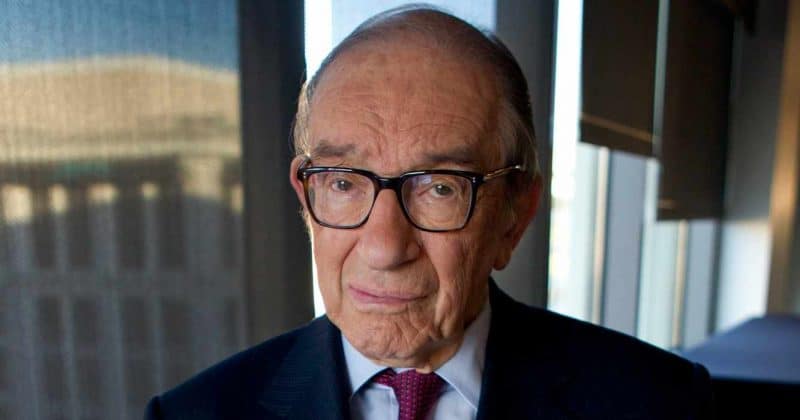
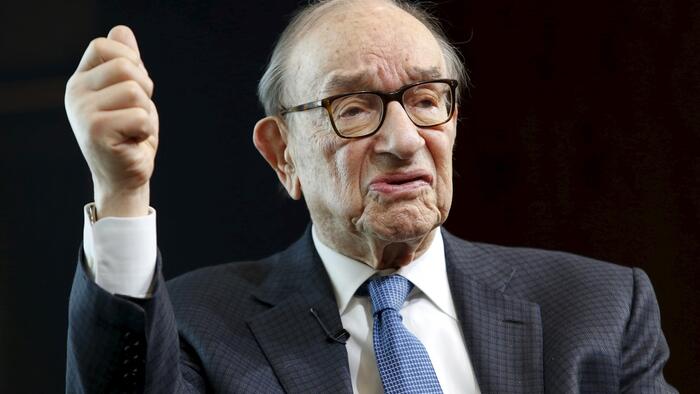
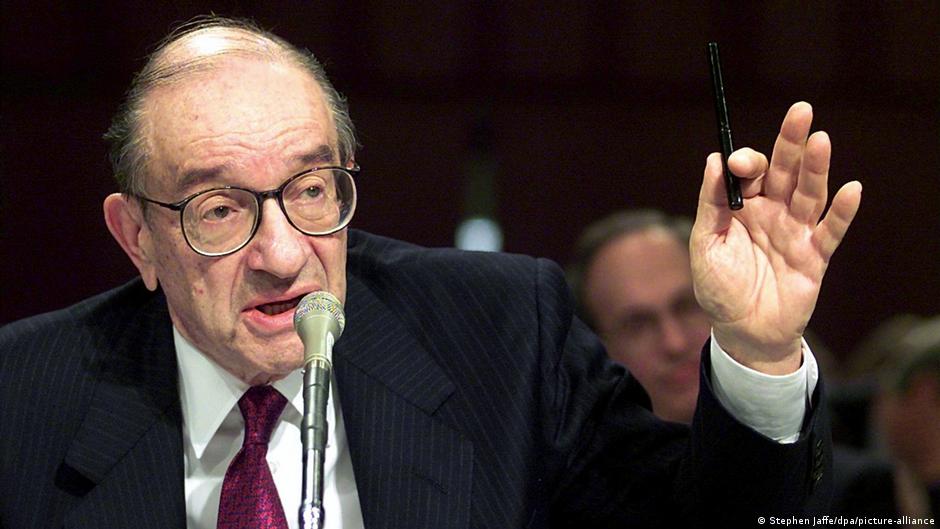
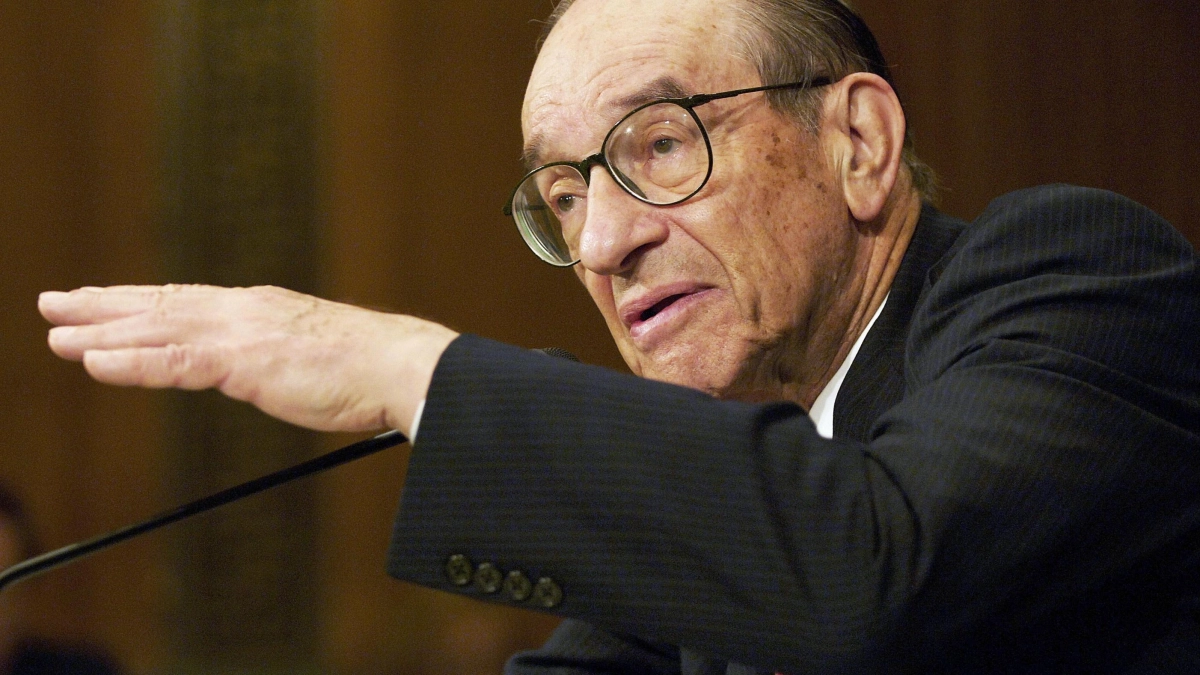
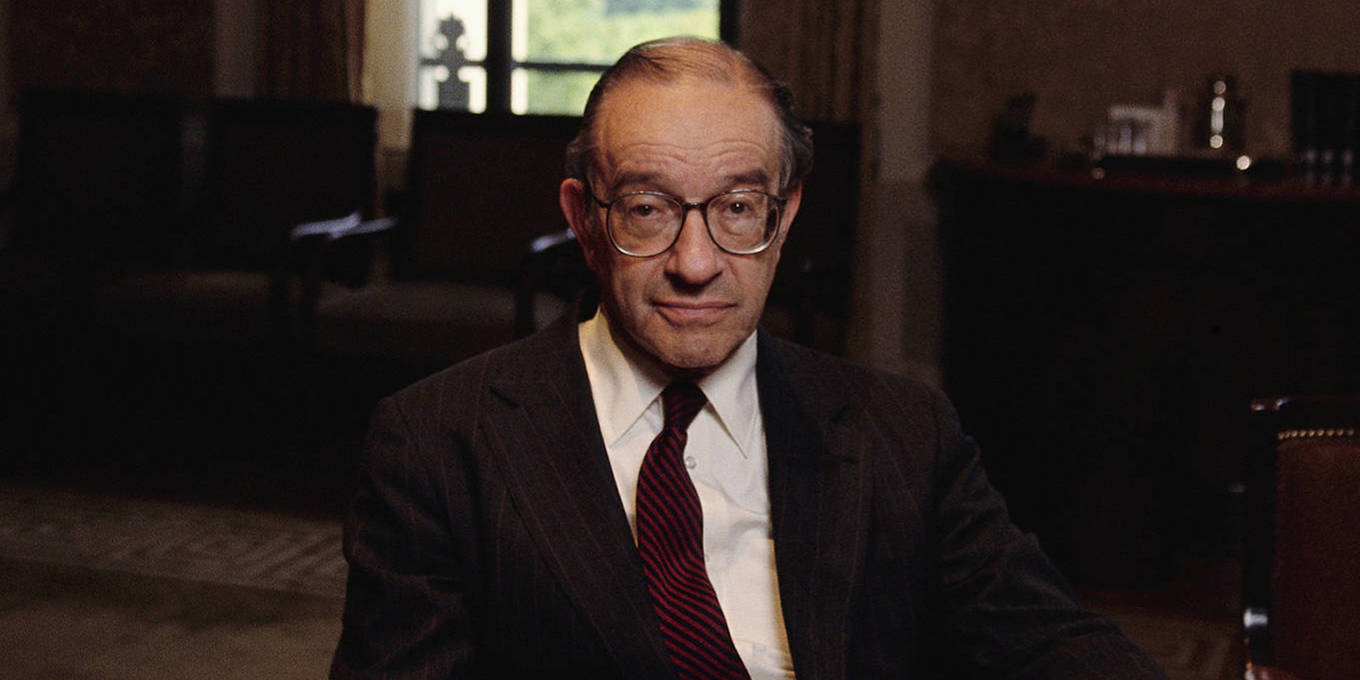
And it has remained in common usage since it was first uttered, in 1996, by then-Federal Reserve Chair Alan Greenspan, who died Monday at age 100.
Greenspan, then 70, used the term in a speech delivered at the dawn of the internet age, as the U.S. stock market and tech stocks had begun looking frothy, but before anyone was talking about a “dot-com bubble.” “How do we know when irrational exuberance has unduly escalated asset values, which then become subject to unexpected and prolonged contractions as they have in Japan over the past decade?” Greenspan mused, referring to the last cautionary tale of a giant bubble popping. “And how do we factor that assessment into monetary policy?”
Fortune can’t claim the first usage of the term, but a precursor to it can be found in our archive. A 1959 examination of “A New Kind of Stock Market” quoted a 33-year-old financial advisor named Alan Greenspan, who was characteristically concerned about an overheated market. The future Fed chair, then running the financial advisory firm Townsend-Greenspan Inc., told Fortune’s Gilbert Burck that he had “over-exuberance” on his mind, and he worried that the market’s “excessive liquidity” could “conceivably power an explosive speculative boom.”