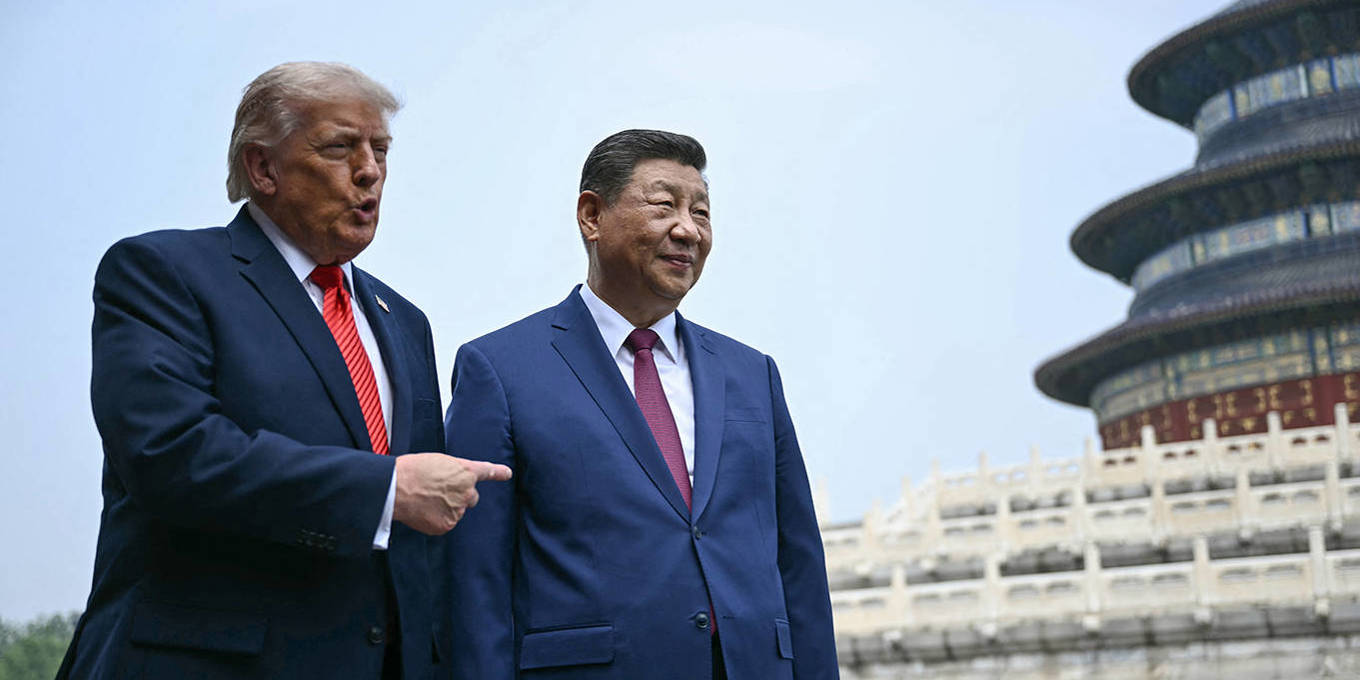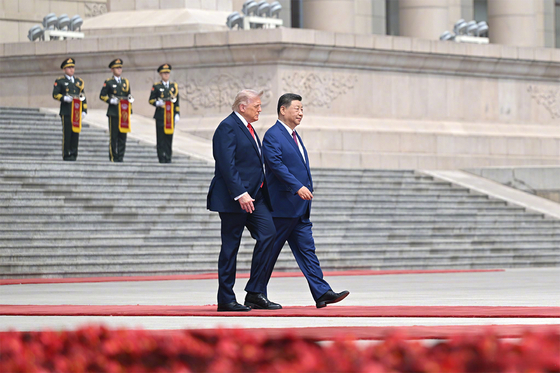
China-U.S. strategic competition has become the defining feature of 21st century international relations. How each power conceptualizes and prosecutes this rivalry, however, varies considerably, and those differences carry significant strategic consequences. American policymakers have generally approached competition through a framework that prizes clear alignment, incentivizing partner states to demonstrate commitment to the U.S.-led order. Beijing, by contrast, operates with a considerably lower threshold: it does not require explicit alignment, only that states refrain from actively undermining Chinese interests. Of course, Beijing is willing to reward those who will actively support its positions.
This asymmetry in approach matters. In the Pacific Islands, where strategic imperatives of sovereignty, development, and non-alignment shape foreign policy choices, Washington’s framework creates friction that Beijing’s more flexible posture does not. Bridging this gap between how the United States frames strategic competition and the realities in which Pacific Island states operate is essential to advancing American interests in the region. Understanding how Beijing exploits this space is the first step toward closing it.