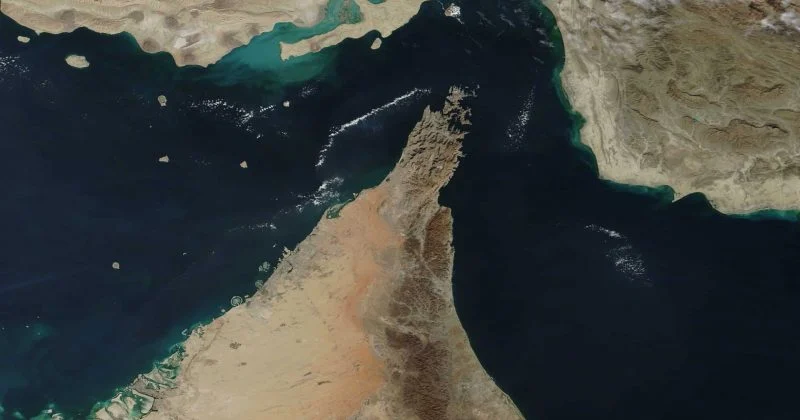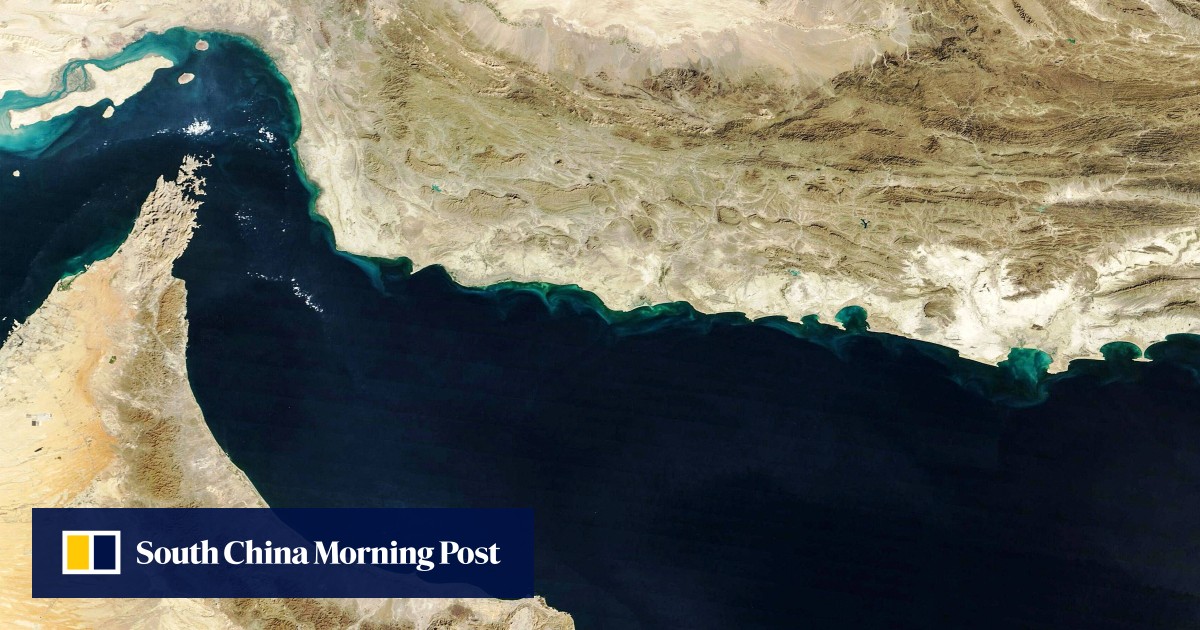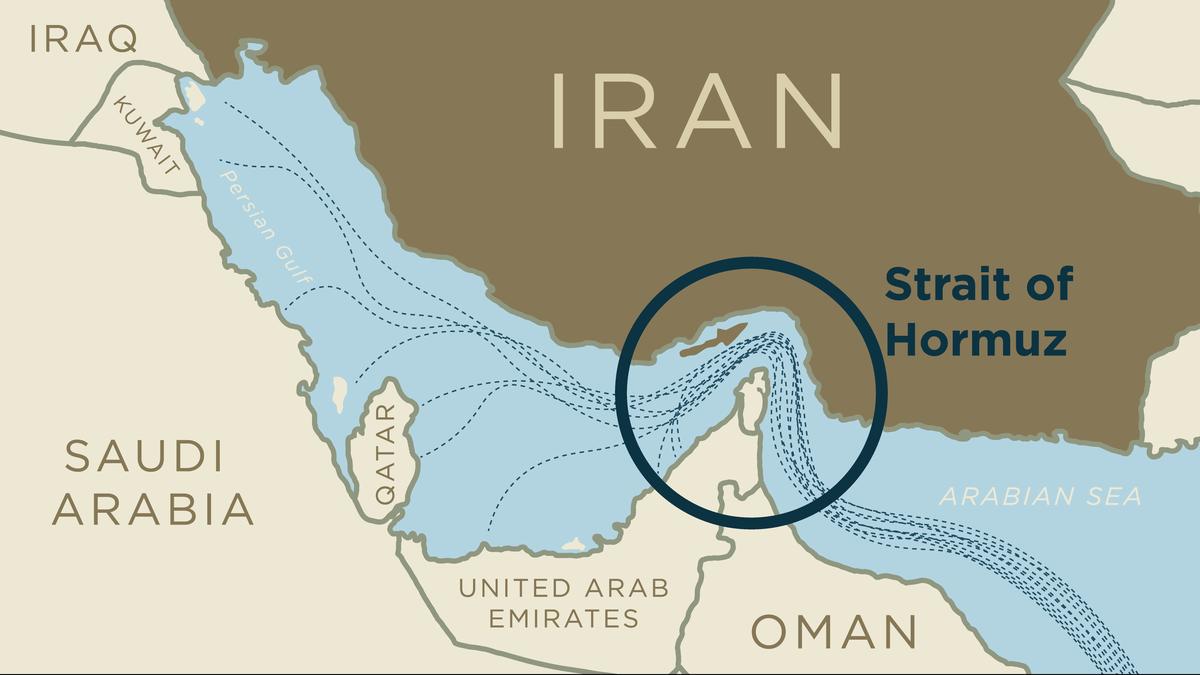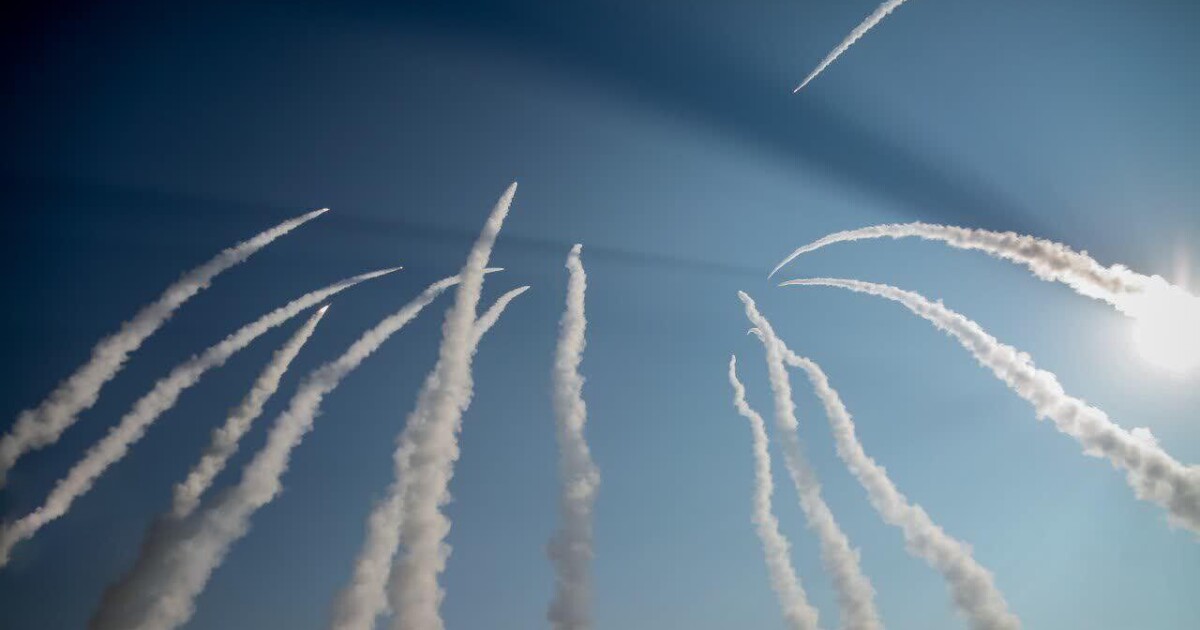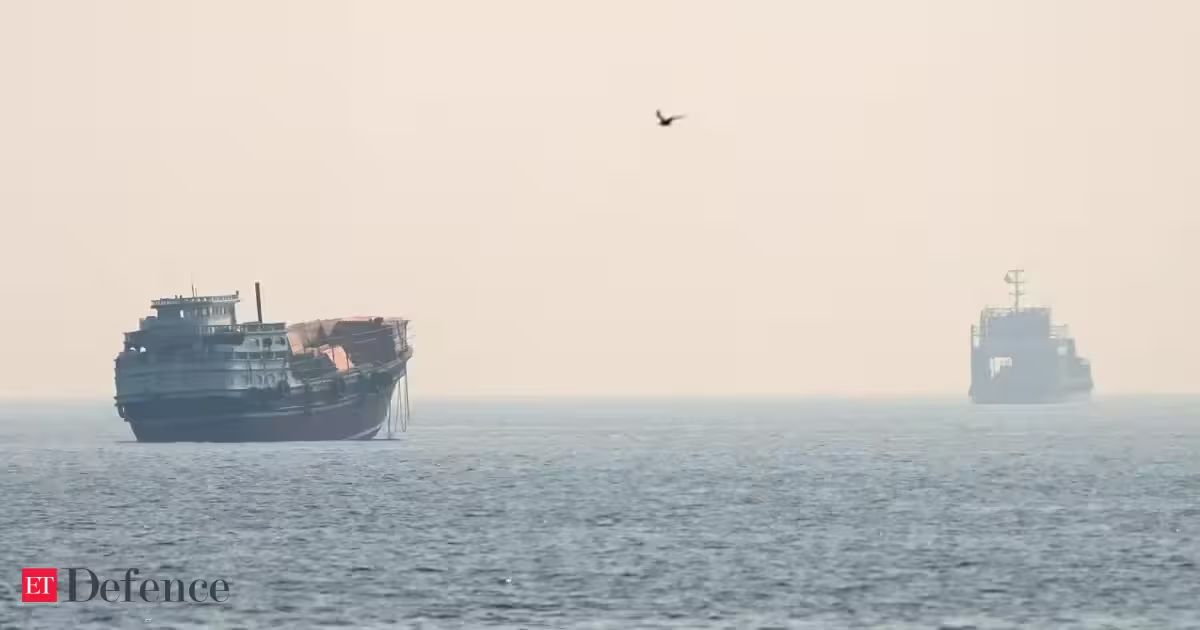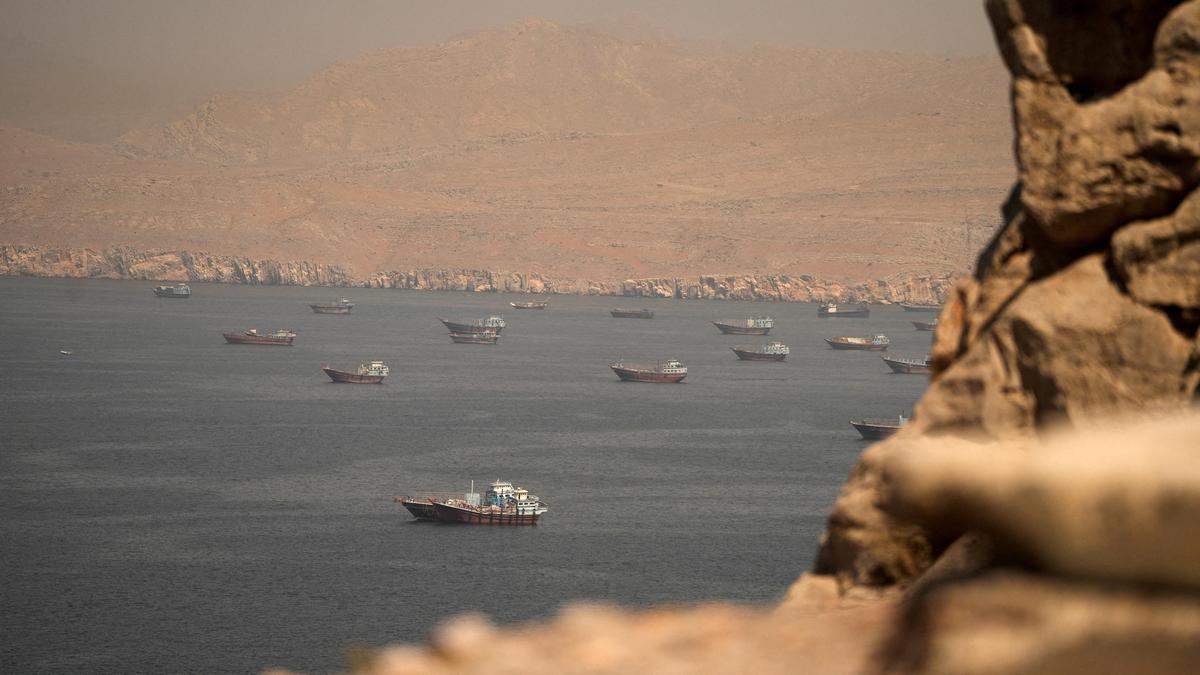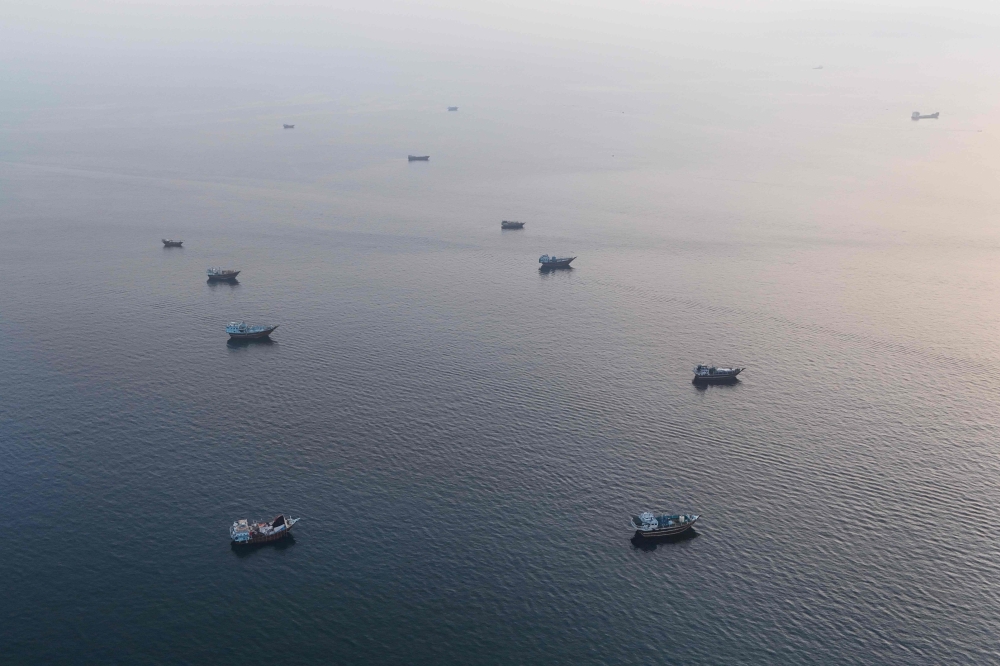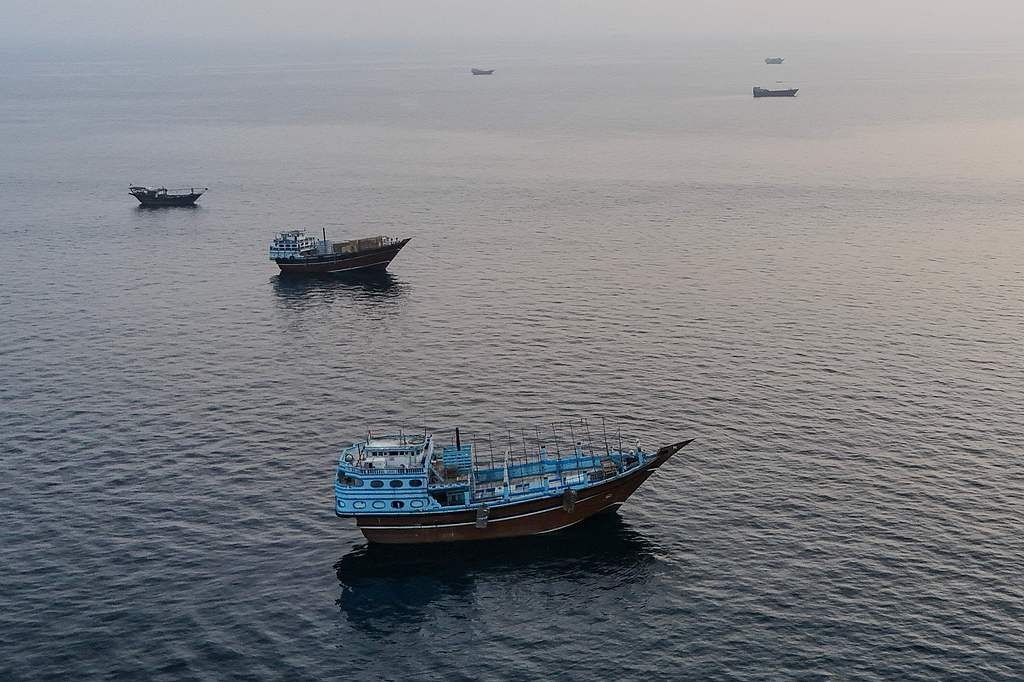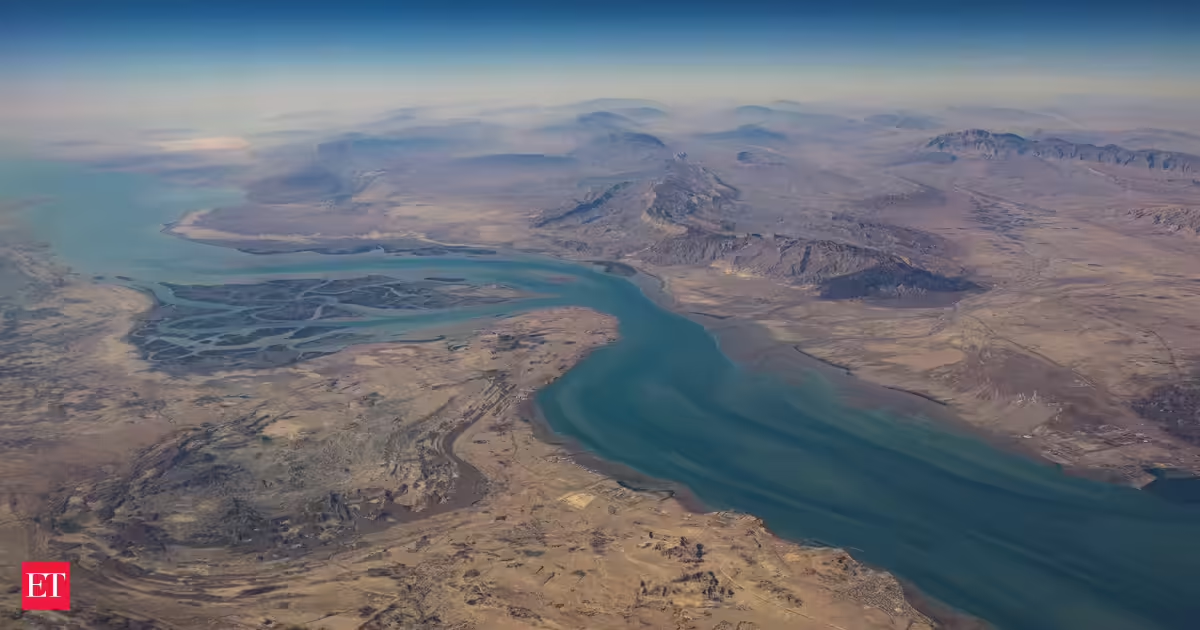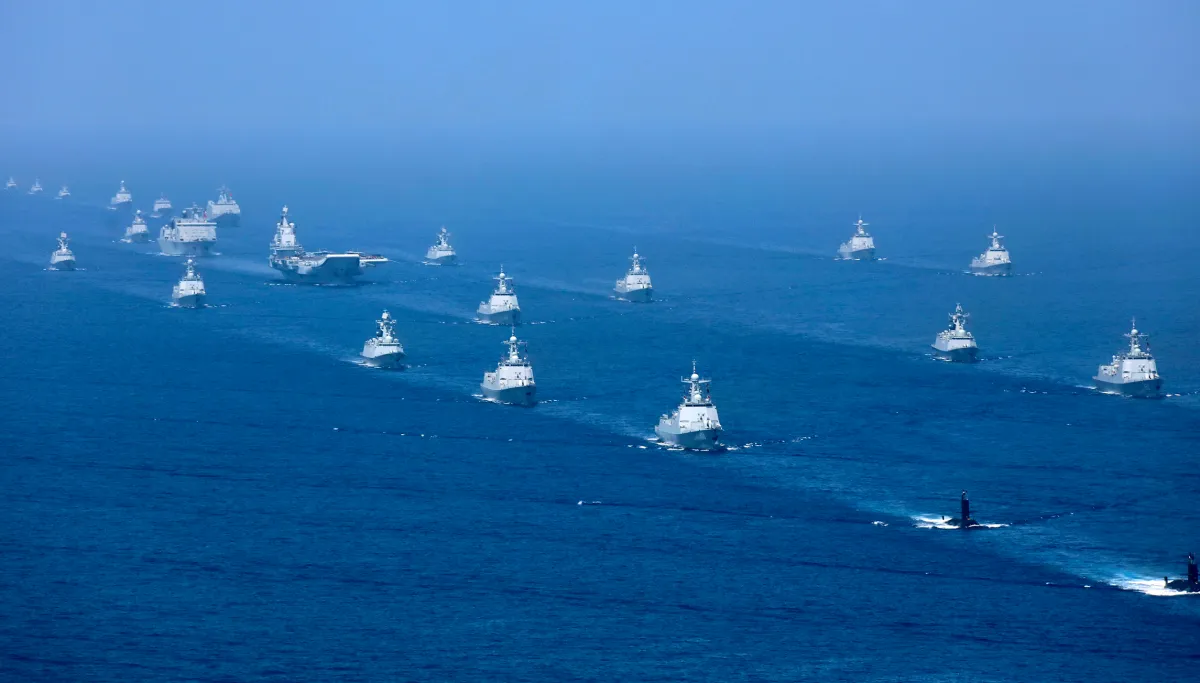
The United States and Israel did not lose to Iran on the battlefield. American and Israeli strikes damaged key facilities and removed senior operatives. Yet the April 2026 ceasefire and the subsequent memorandum of understanding left Tehran’s regime, its nuclear program, and its missile arsenal intact while unlocking nearly $344 billion in reconstruction funds, access to frozen assets, and sanctions relief. Iran turned the Strait of Hormuz into a weapon and converted endurance into leverage. The mullahs and the Islamic Revolutionary Guard Corps showed that a weaker power can prevail by exhausting a stronger adversary’s political will rather than destroying its forces.Beijing watched and learned. Now, China does not require an amphibious invasion of Taiwan to achieve its objectives. A quarantine or blockade using mines, DF-21D and DF-26 barrages, cyberattacks, and maritime militia forces would sever supply chains for advanced semiconductors, AI, defense systems, and electronics. Taiwan produces over 90% of advanced logic chips and 60% of contract manufacturing. The economic shock could exceed $10 trillion and trigger a 5% to 10% contraction in global GDP. Thus, Beijing could bring Taiwan under its control without firing a single shot.The Chinese military built the tools for this test. Anti-access missiles, naval and coast guard forces, cyber units, and economic leverage allow Beijing to operate below the threshold of war, paralyze American decision-making, and divide Australia, Japan, the Philippines, and South Korea through tailored pressure. Fracturing America’s alliances is not a side effect of Beijing’s strategy but its central objective.
Hormuz 2.0: China’s coming chokepoint strategy in the Taiwan Strait
China’s bloody communist regime is preparing to apply Iran's Strait of Hormuz model in the Taiwan Strait with far greater force.
635 words~3 min read