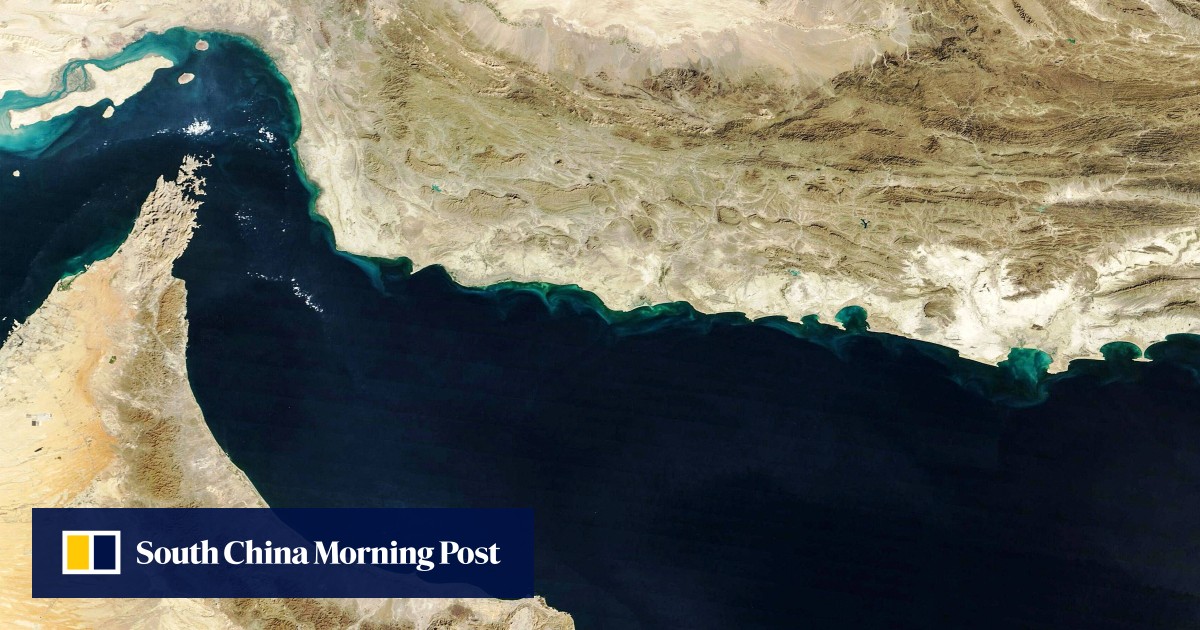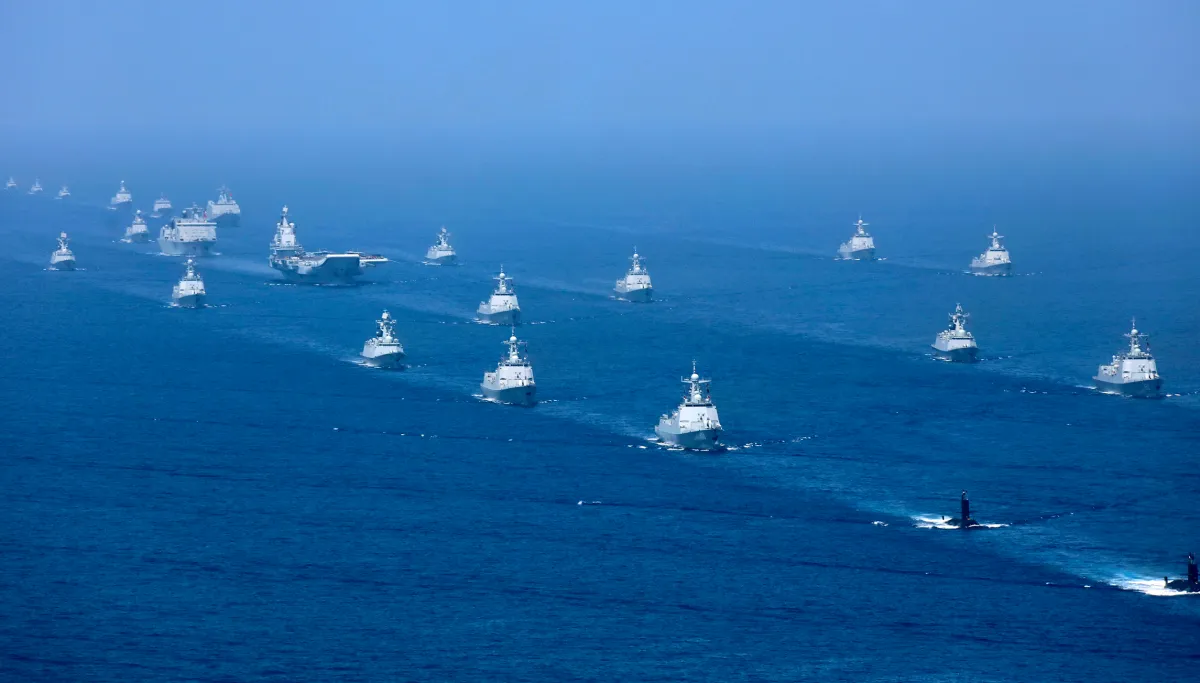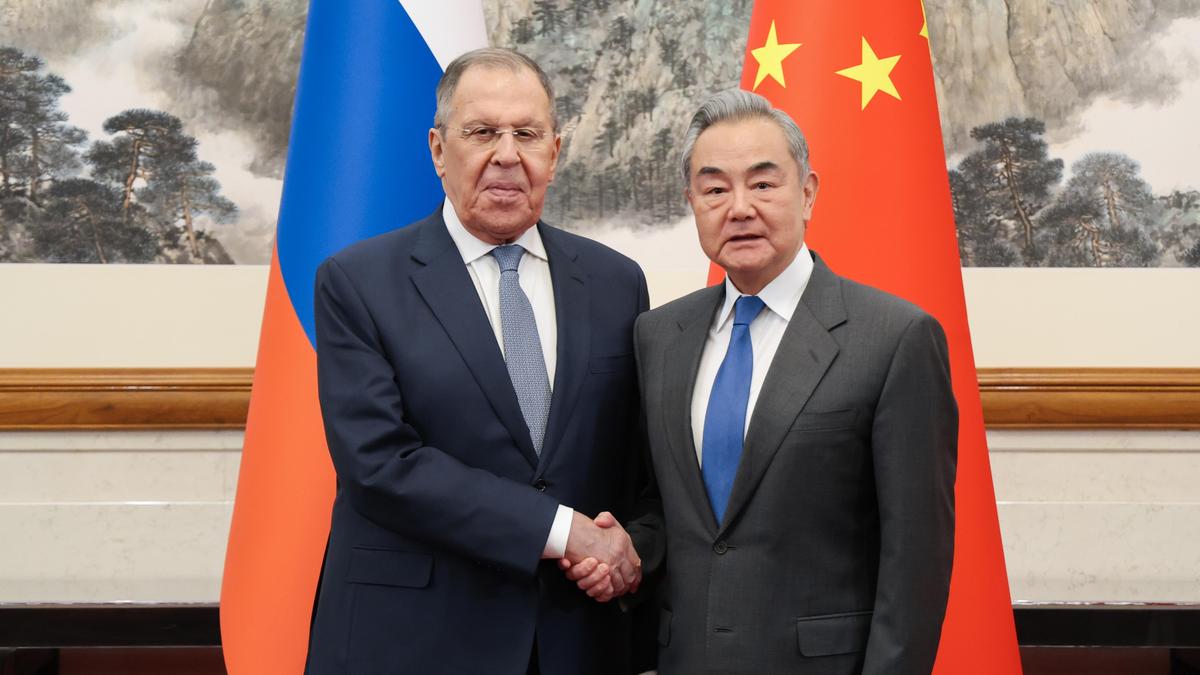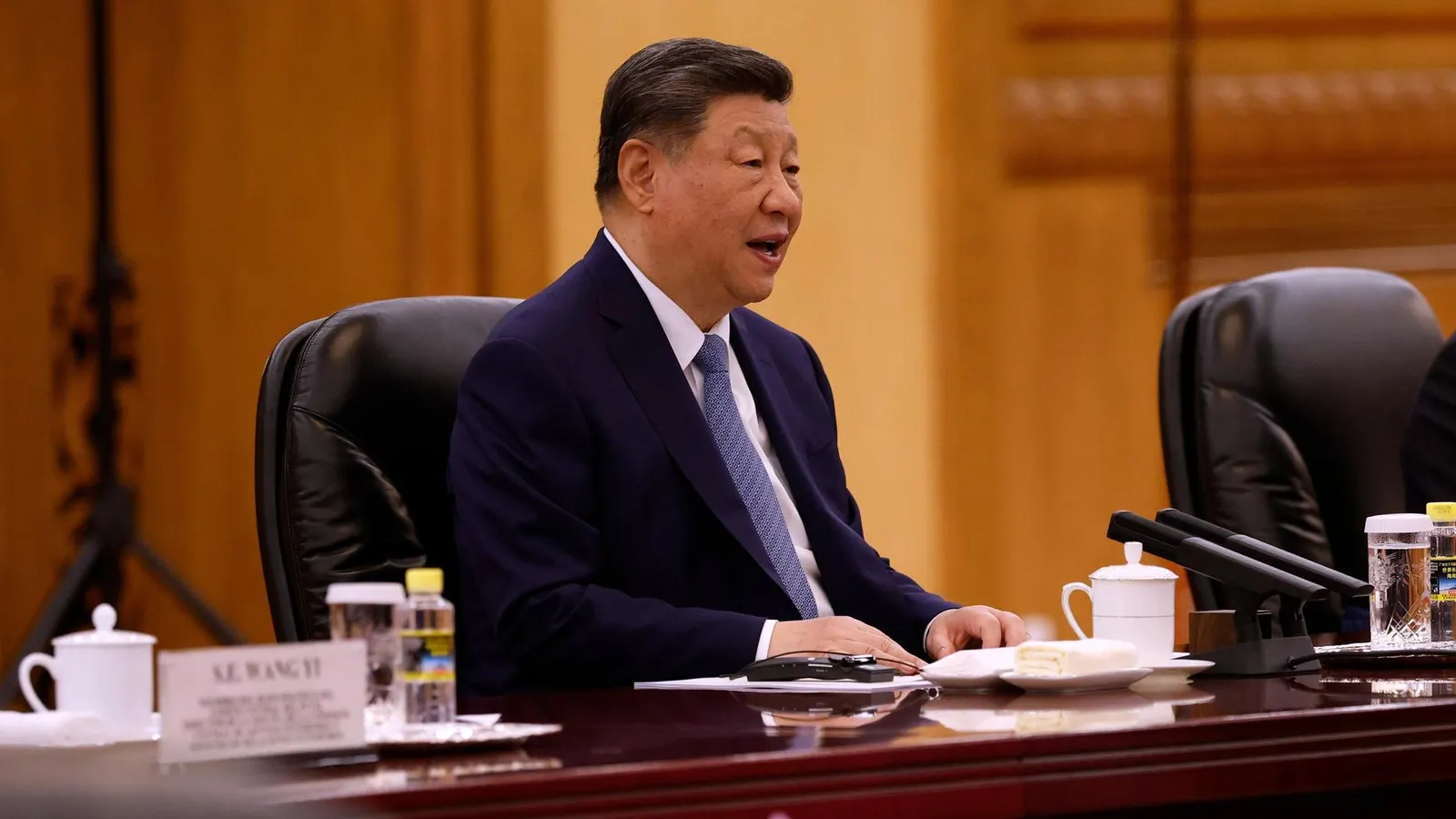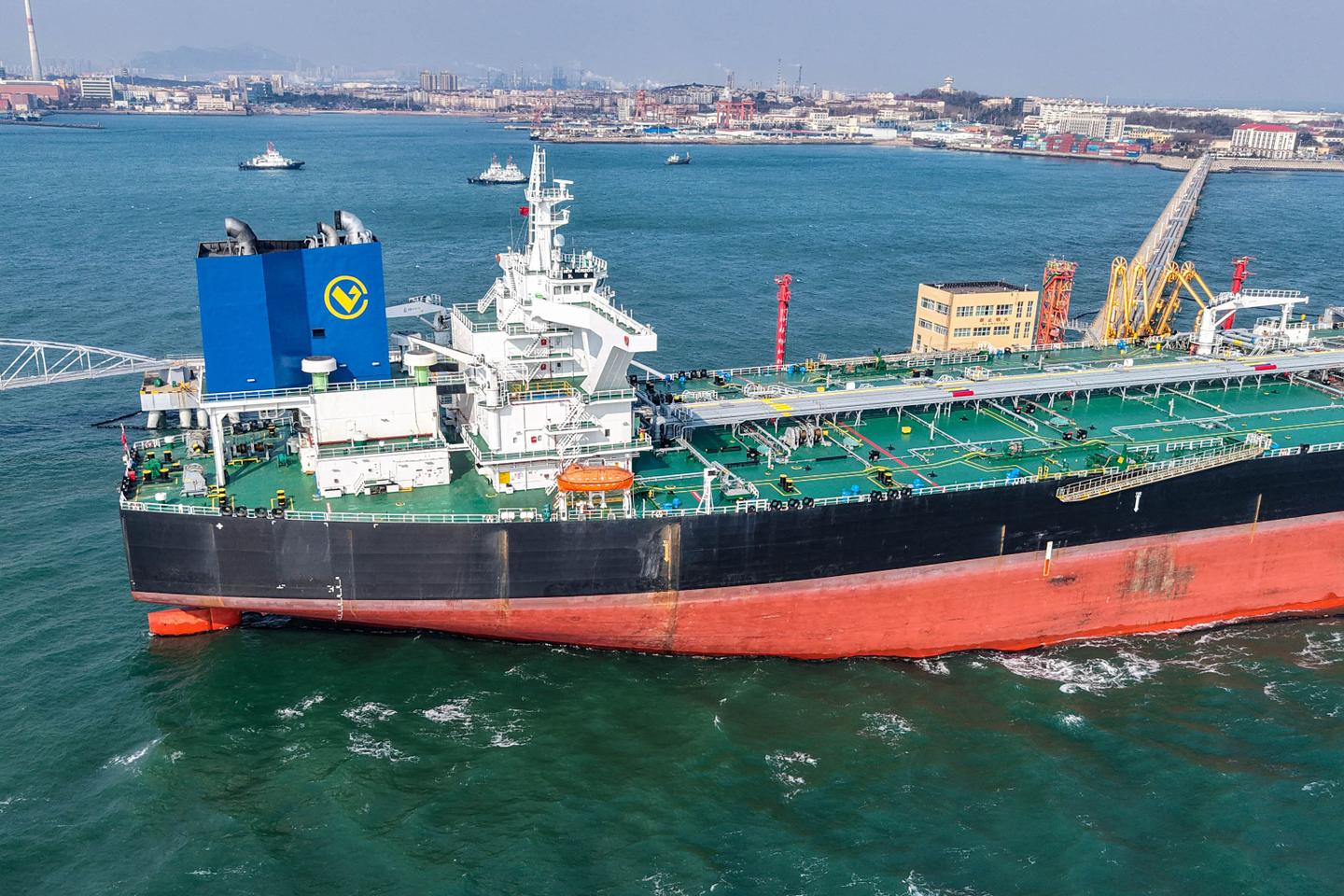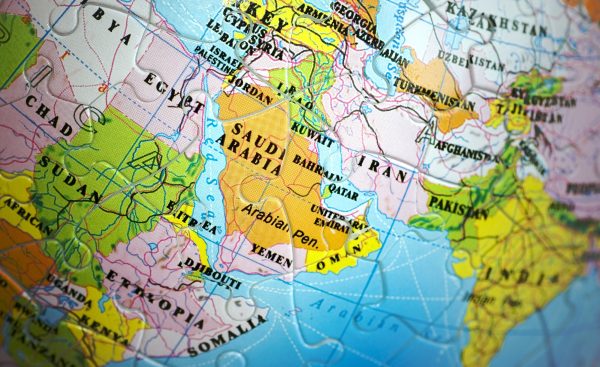
The Strait of Hormuz remains a pivotal flashpoint in the U.S.-Iran conflict — an ace card that Tehran repeatedly plays to hedge against American power. At the recent Group of Seven summit in France, President Donald Trump praised Chinese President Xi Jinping for remaining “neutral” during a peak in U.S.-Iran tensions, suggesting that Beijing showed immense restraint by not sending warships to the Persian Gulf to secure its own energy flows.While this observation mischaracterizes Beijing’s actual strategic calculations, it inadvertently mirrors the exact countermeasures the United States and its allies might deploy against a possible Chinese blockade of the Taiwan Strait. However, the strategic objectives differ fundamentally: while Iran’s Hormuz strategy aims to hijack global oil traffic, a Chinese blockade of the Taiwan Strait would be part of a highly sophisticated, multi-domain stranglehold designed to force the island’s total surrender.Theoretically, China possesses the capability to launch a bloodless, “no-bullet” blockade to suffocate Taiwan into submission without immediately triggering a hot war. This gray-zone strategy exploits a critical asymmetric pressure point: the ticking clock of Taiwan’s domestic resources. As an isolated island nation, Taiwan relies almost entirely on imported energy. Crucially, it maintains less than an eight-day emergency supply of Liquefied Natural Gas alongside highly restricted coal reserves.
Will China mirror Iran's Hormuz blockade strategy?
China possesses the capability to launch a bloodless, "no-bullet" blockade to suffocate Taiwan into submission without immediately triggering a hot war.
801 words~4 min read