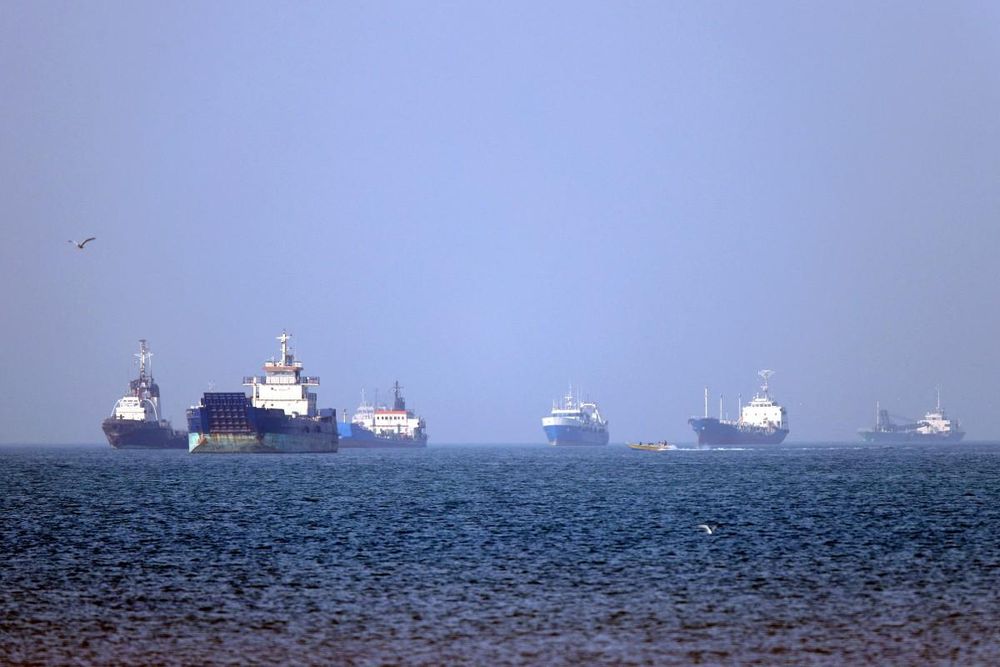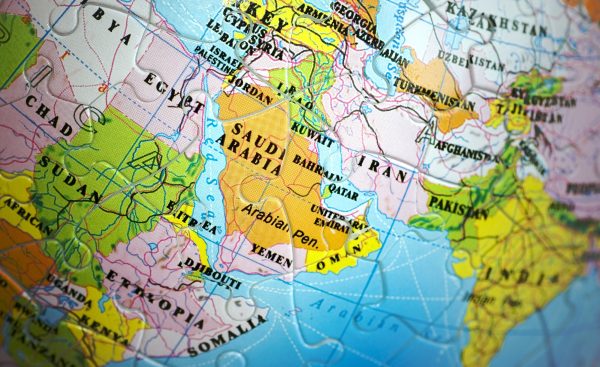
On June 17, U.S. President Donald Trump and Iran’s President Masoud Pezeshkian signed an interim deal to end the war, reopening the Strait of Hormuz and lifting the oil sanctions that had crippled Iran’s economy. As the Iran war moves into the final stages of negotiation, the episode has surfaced the strategic calculations of every actor drawn into it. Those calculations carry consequences well beyond the Middle East, reshaping diplomatic relationships and the terms on which governments choose to align.
For China, its Middle East strategy has now narrowed to keeping the Gulf states, and above all Saudi Arabia and the UAE, from drawing closer to Washington.
Beijing had already started reordering its priorities well before the war. In April 2025, leadership recast China’s diplomatic hierarchy at the Central Conference on Work Related to Neighboring Countries, the first gathering of its kind in 12 years. Notably, the conference moved China’s own neighborhood to the foremost place in its external strategy – by implication, placing the Middle East below it.
Now the Iran-U.S. war is forcing China to define what it wants from a part of the world that no longer sits near the top of its agenda.