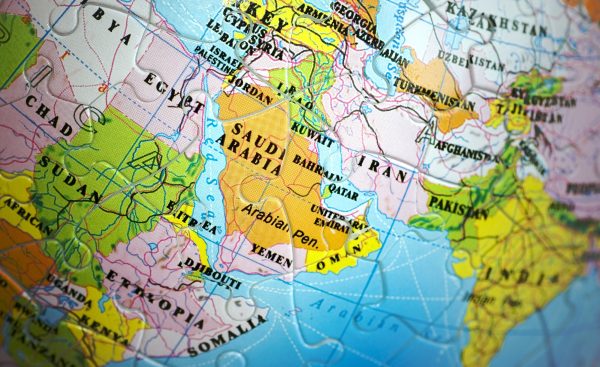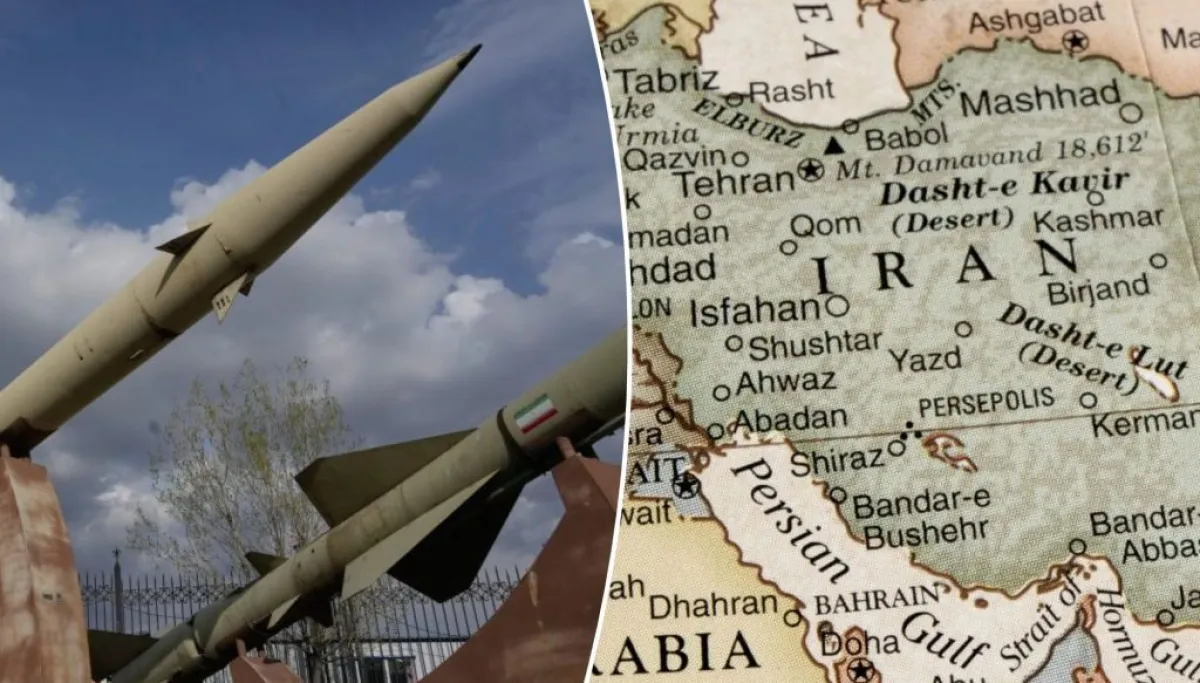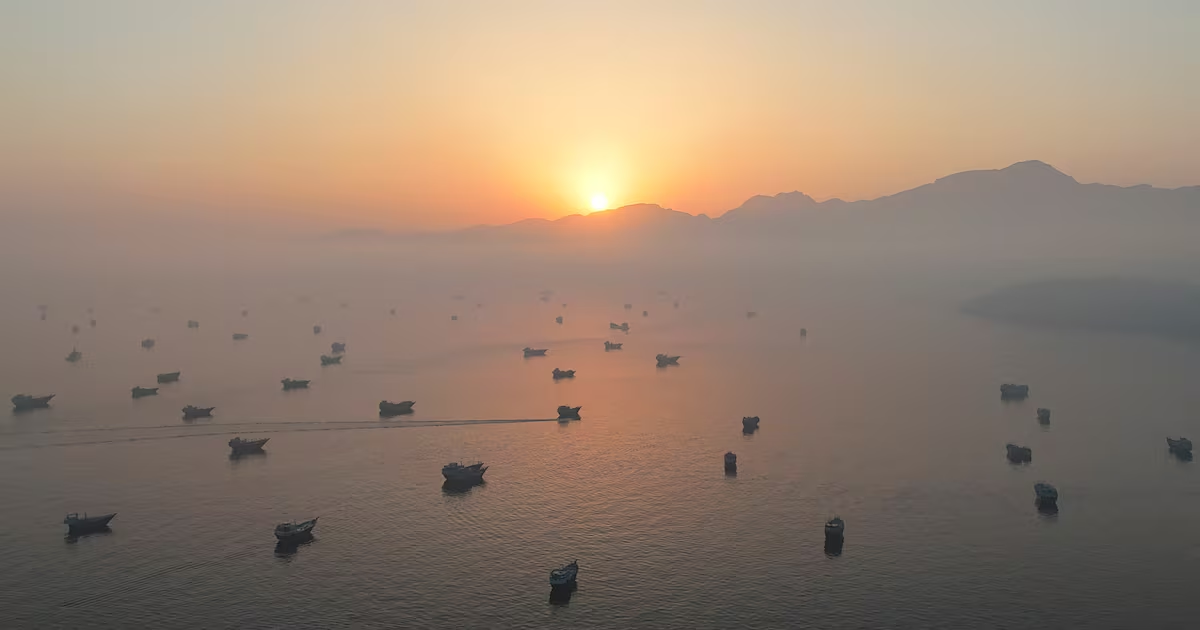
Even as the US–Israel war on Iran has escalated across the Persian Gulf and disrupted trade through the Strait of Hormuz, China has shown little interest in taking on a larger role in the Middle East, either as a mediator or security provider. It has not deviated from its present course of economy-led engagement with Gulf states, while its response to the war has consisted mainly of appeals from the sidelines for de-escalation and an end to the conflict.
It may also feel justified by its strategy, since its regional stature appears undiminished, especially when compared to that of the United States.
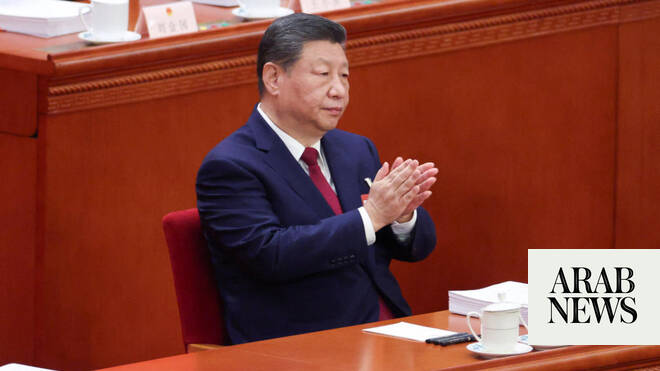
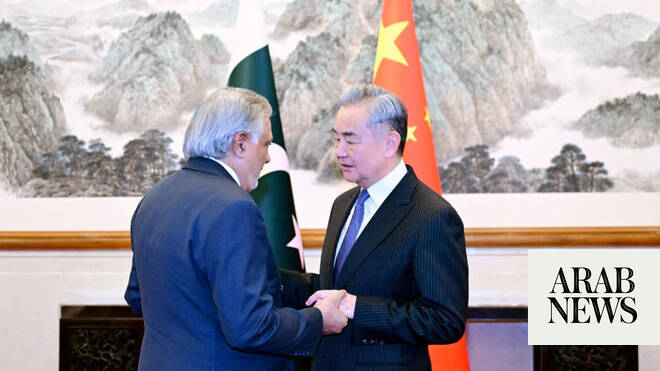
Certainly, China was a co-sponsor of the Pakistan-led peace initiative in April 2026, and Chinese officials met with Iranian Foreign Minister Abbas Araghchi days before President Xi Jinping’s summit with US President Donald Trump. But to really understand China’s positioning in relation to the conflict, more attention should be given to China’s broader Middle East strategy, which has so far served it well.
China prioritises long-term economic relationships and interdependence with regional actors, especially Arab Gulf states like Saudi Arabia and the United Arab Emirates. These ties are centred around infrastructure, industrial investment, financing, energy cooperation and, increasingly, technology. By avoiding deep military involvement beyond its immediate neighbourhood, China presents itself as an alternative to US interventionism, reinforcing a soft power narrative of trade and mediation without policing.