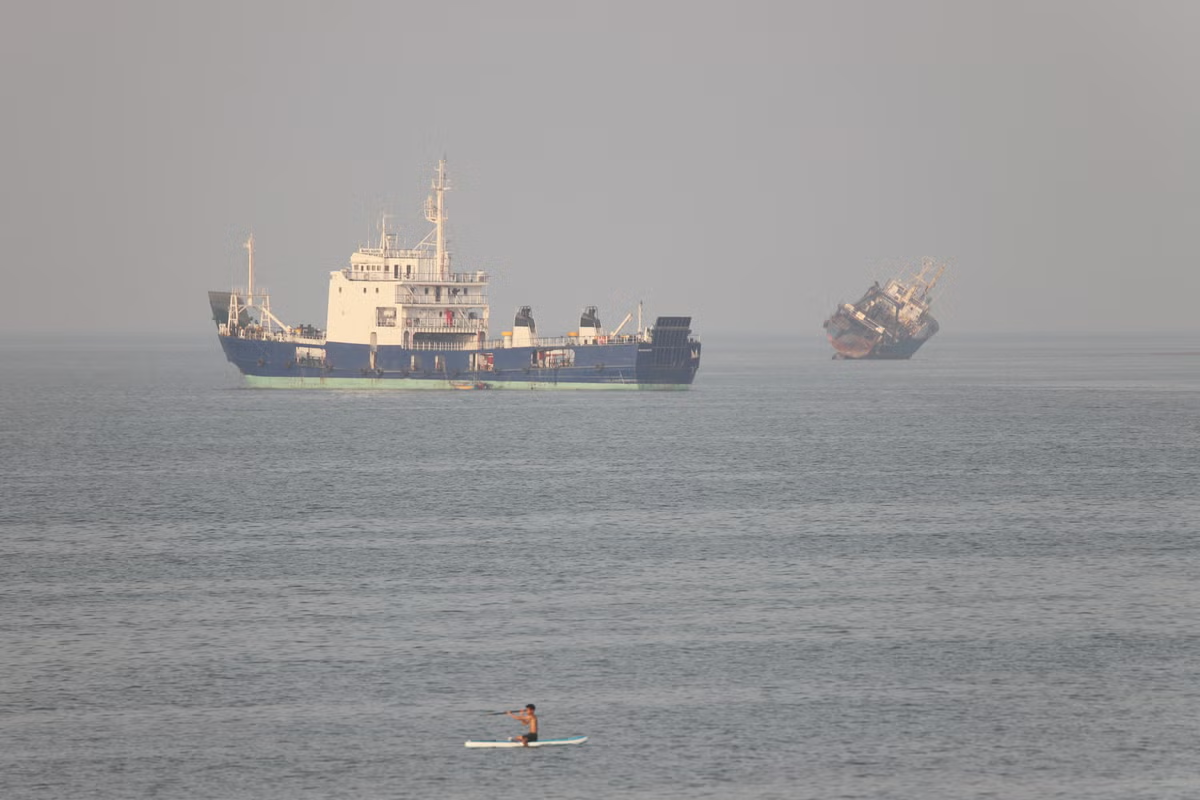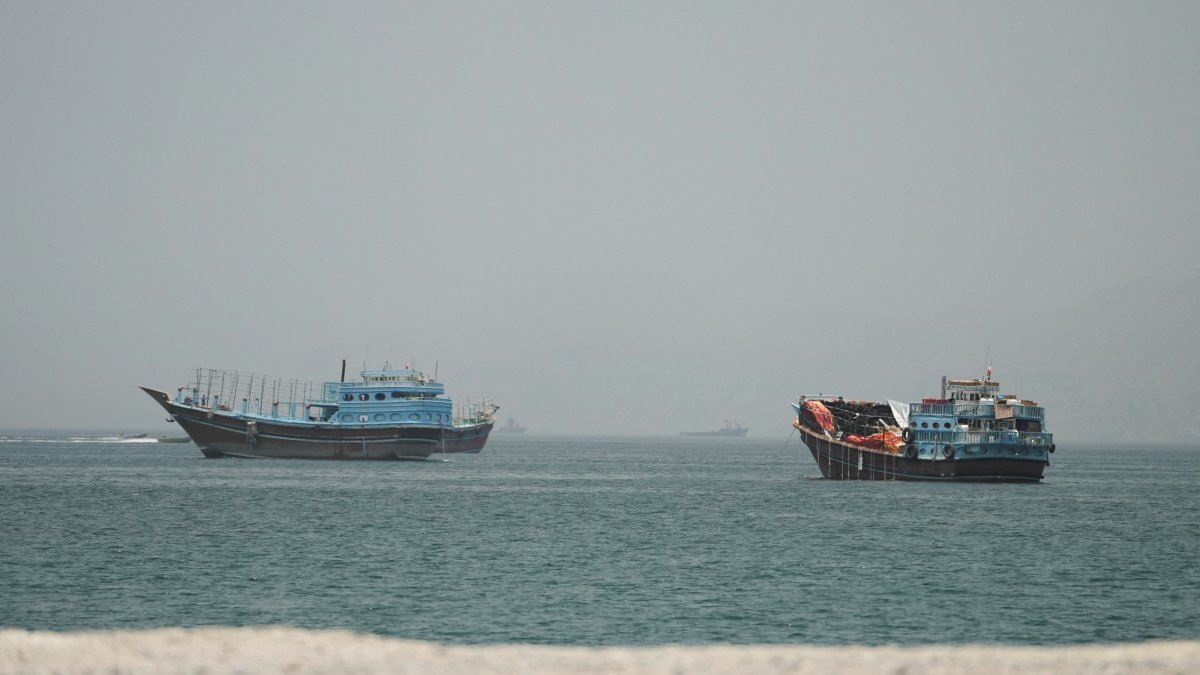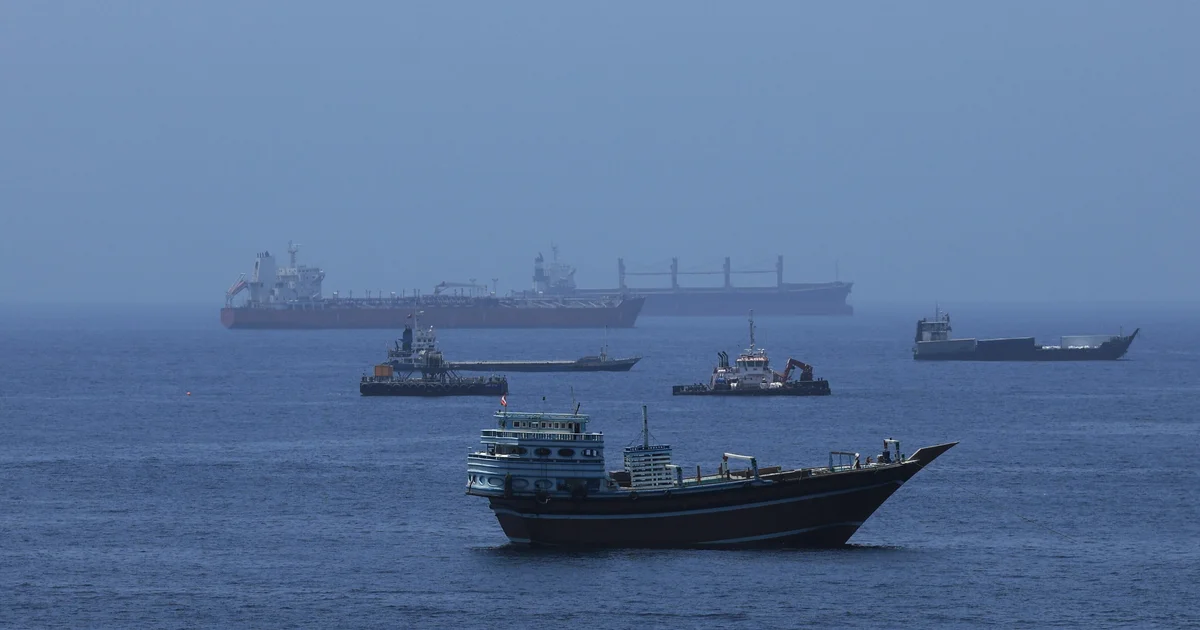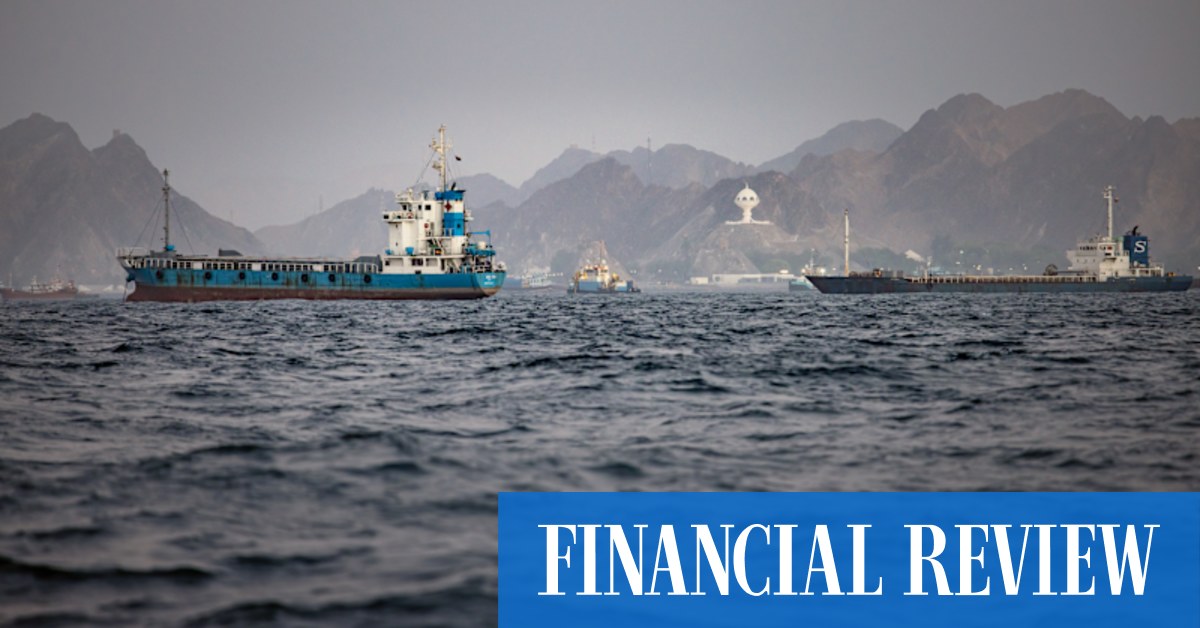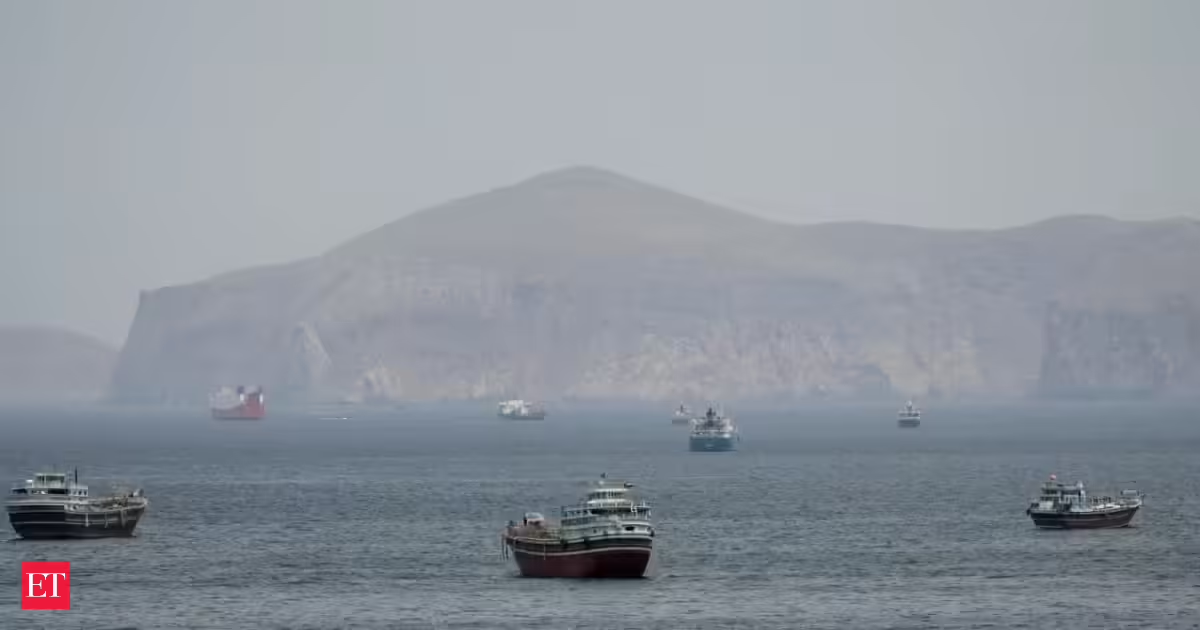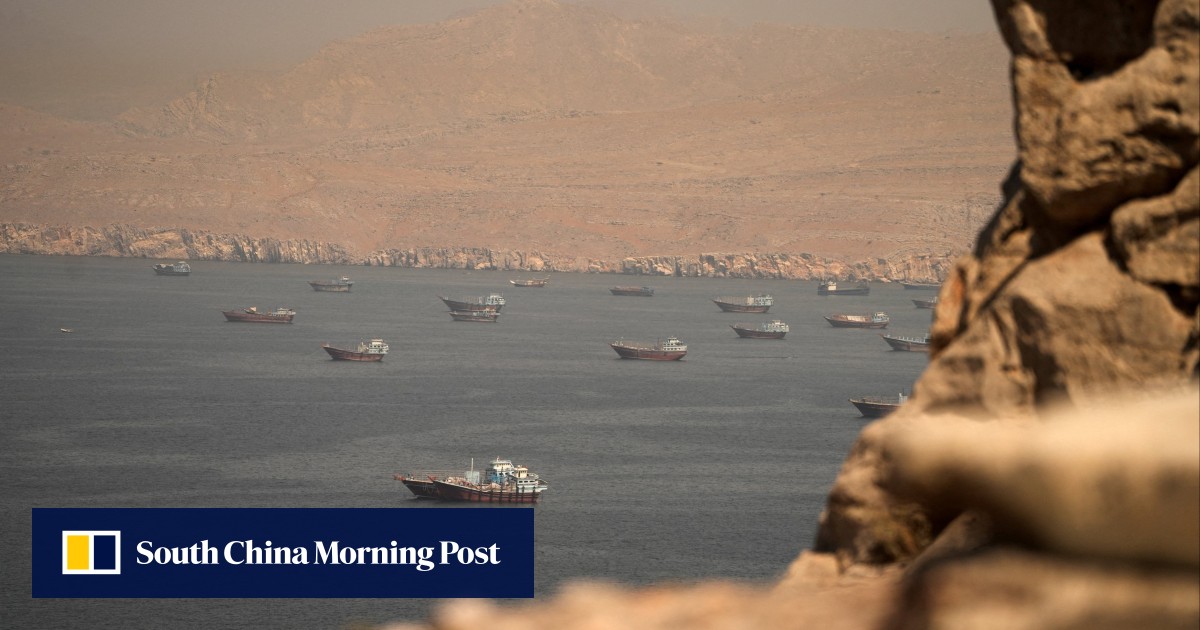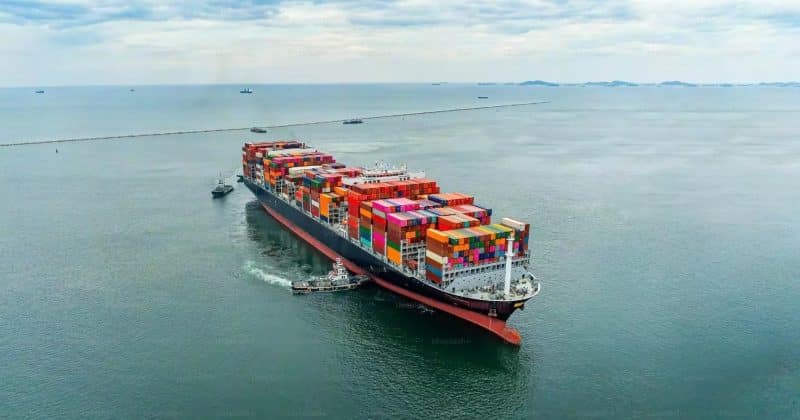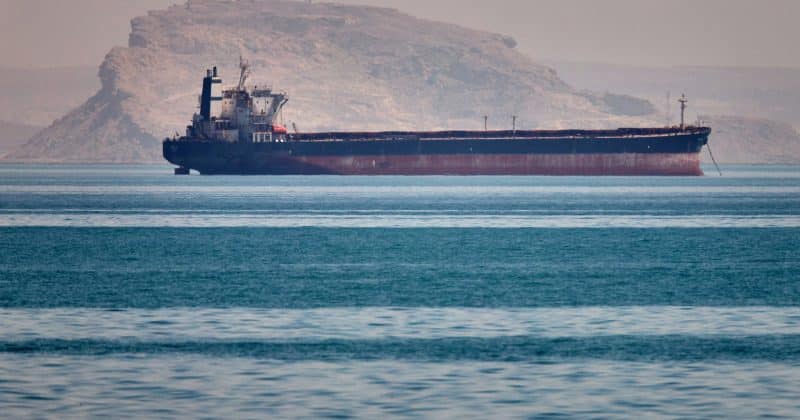
Iranian forces struck two commercial ships in the Strait of Hormuz in late June, derailing what was supposed to be a carefully orchestrated reopening of the world’s most important oil shipping lane. The attacks targeted the Singapore-flagged Ever Lovely and another vessel, the Kiku, through drone strikes around June 25-26.
No casualties or significant environmental damage were reported. But the timing could hardly have been worse, hitting during active United Nations efforts to resume commercial shipping operations after months of disruption.
A chokepoint that moves 20% of global energy
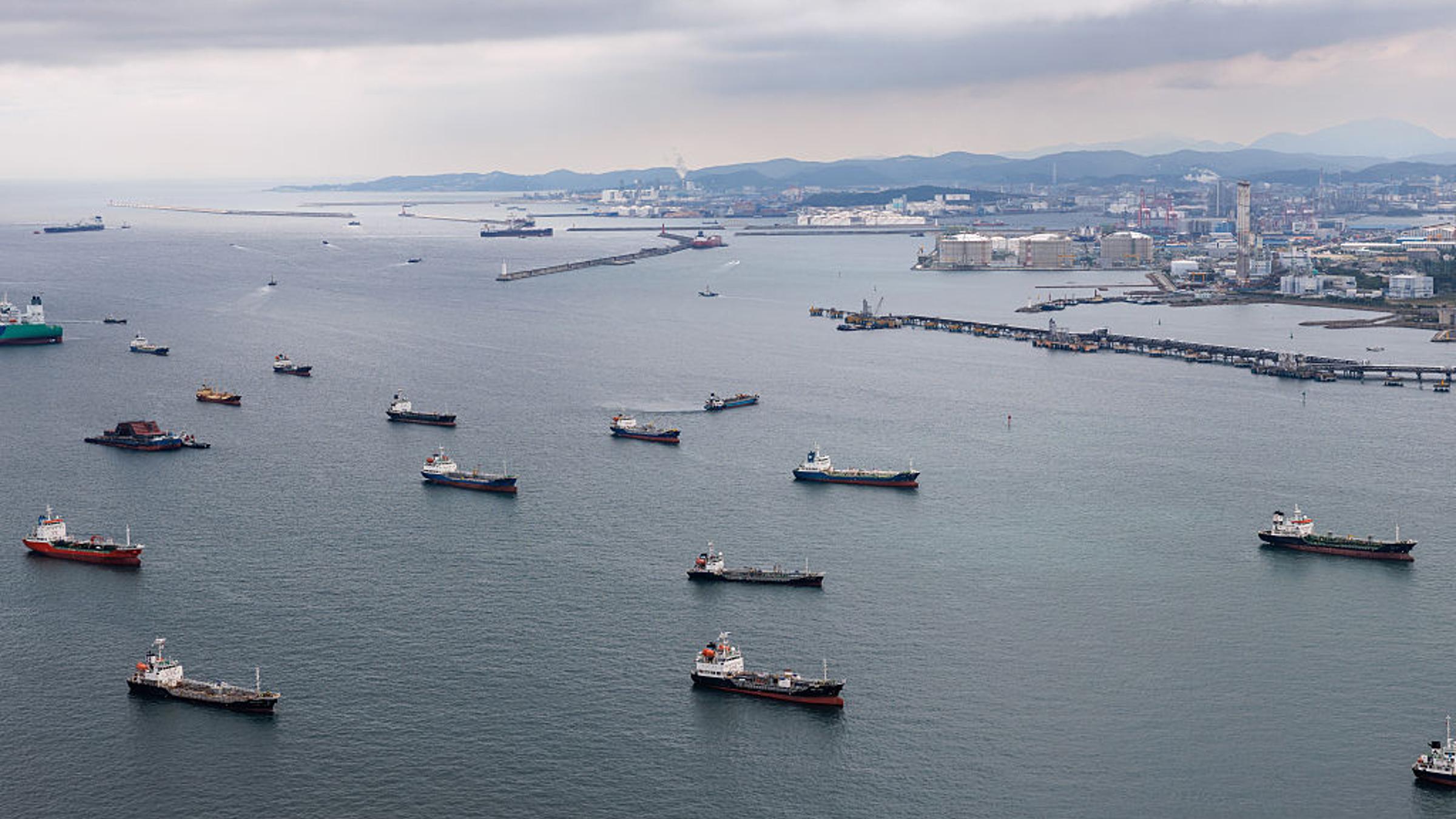
The Strait of Hormuz handles roughly 20% of global oil and LNG flows. Under normal conditions, more than 100 vessels transit the strait daily. Those numbers have been dramatically reduced since Iran’s blockade began in late February 2026, following US and Israeli military operations.
The latest attacks effectively paused UN recovery efforts that had been building momentum after a fragile ceasefire was brokered between Washington and Tehran. That ceasefire followed months of escalating military actions that turned one of the busiest shipping corridors on Earth into something closer to a conflict zone.