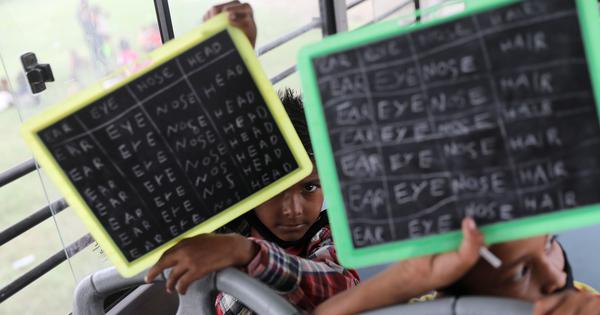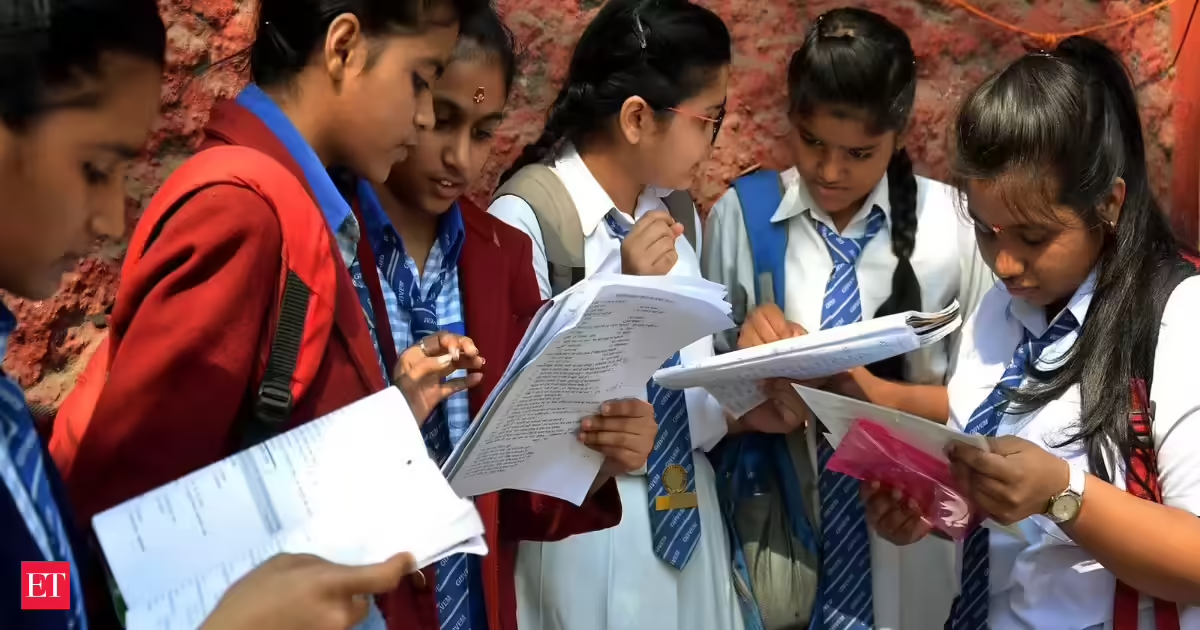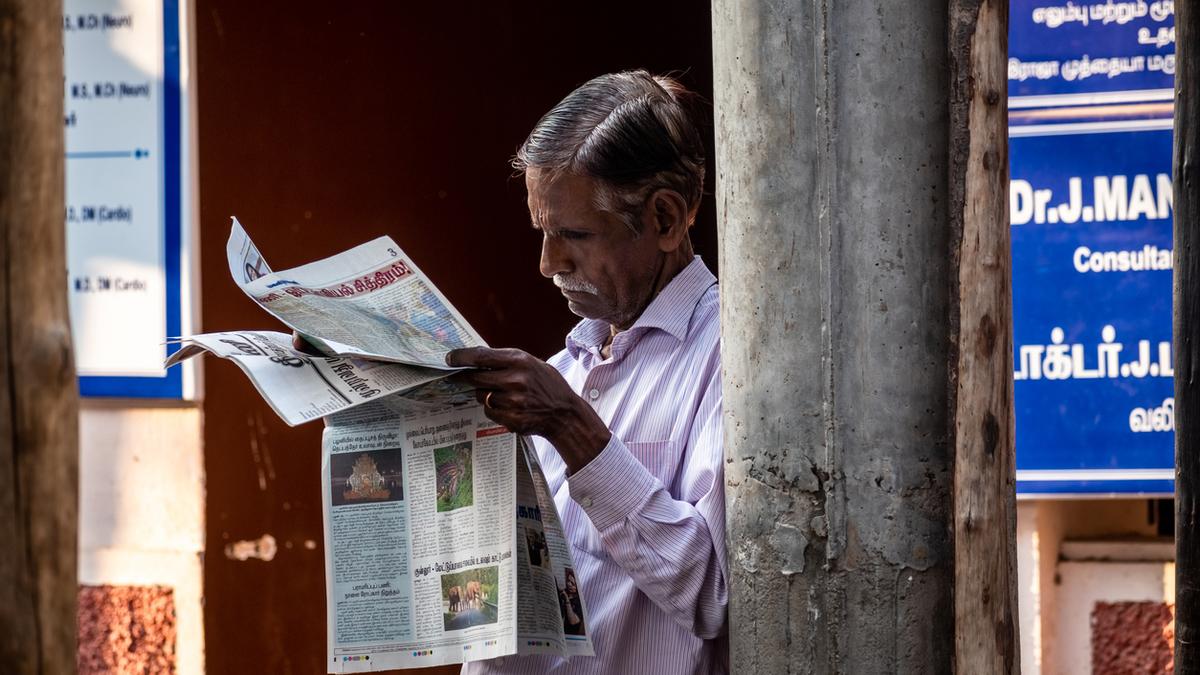
Data shows that the national literacy rate rose from just over 18% in 1951 to more than 80% today. While the definition and markers of literacy in this time have changed and the pace has been slow, it has been a result of interventions at multiple levels through different stakeholders like the state, civil society groups or volunteers. | Photo: iStock/ Getty Images
As of June 2026, five Indian states (Mizoram, Goa, Tripura, H.P., Sikkim) have been officially declared fully literate under the Union government’s ULLAS (Understanding Lifelong Learning for All in Society) programme. Under this programme, literacy means people are able to functionally read, write, and perform basic operations instead of signing and writing their names, this also includes digital and financial literacy.This, however, is not the first time there have been efforts to achieve universal adult literacy. From pre-Independence campaigns led by social reformers and voluntary organisations to post-Independence community education programmes, the National Adult Education Programme (1978), the National Literacy Mission (1988), the Total Literacy Campaigns of the 1990s, and people’s movements such as Kerala’s Ernakulam literacy campaign, India has witnessed successive waves of mass literacy initiatives.Data shows that the national literacy rate rose from just over 18% in 1951 to more than 80% today. While the definition and markers of literacy in this time have changed and the pace has been slow, it has been a result of interventions at multiple levels through different stakeholders like the state, civil society groups or volunteers.Experts advocate that beyond the ability to read and write, literacy remains intertwined with questions of gender, caste, and poverty. To understand this phenomenon of mass literacy, The Hindu will host a webinar titled, ‘Is India a literate country?’ on July 4, 2026, at 5:00 p.m.The webinar will be moderated by M. Kalyanaraman, who heads the education vertical at The Hindu.Register now for free to ask questions and interact with the panellists. The three best questions will receive a free online subscription to The Hindu.(For any feedback or suggestions, reach out to us at education@thehindu.co.in Published - June 29, 2026 05:11 pm IST