
June 29, 2026
3 min read
Add topic to email alerts
Receive an email when new articles are posted on
Please provide your email address to receive an email when new articles are posted on .
Although nearly a third of individuals with obesity who use GLP-1 receptor agonists experience constipation, the risk for developing constipation among new users appears “quite low,” according to researchers.“Constipation is one of the most commonly discussed gastrointestinal side effects of GLP-1 receptor agonists, and it is often cited as a reason patients stop therapy,”
June 29, 2026
3 min read
Add topic to email alerts
Receive an email when new articles are posted on
Please provide your email address to receive an email when new articles are posted on .

NEW ORLEANS — Individuals with obesity and autoimmune diseases who use a GLP-1 receptor agonist may have lower risk for…
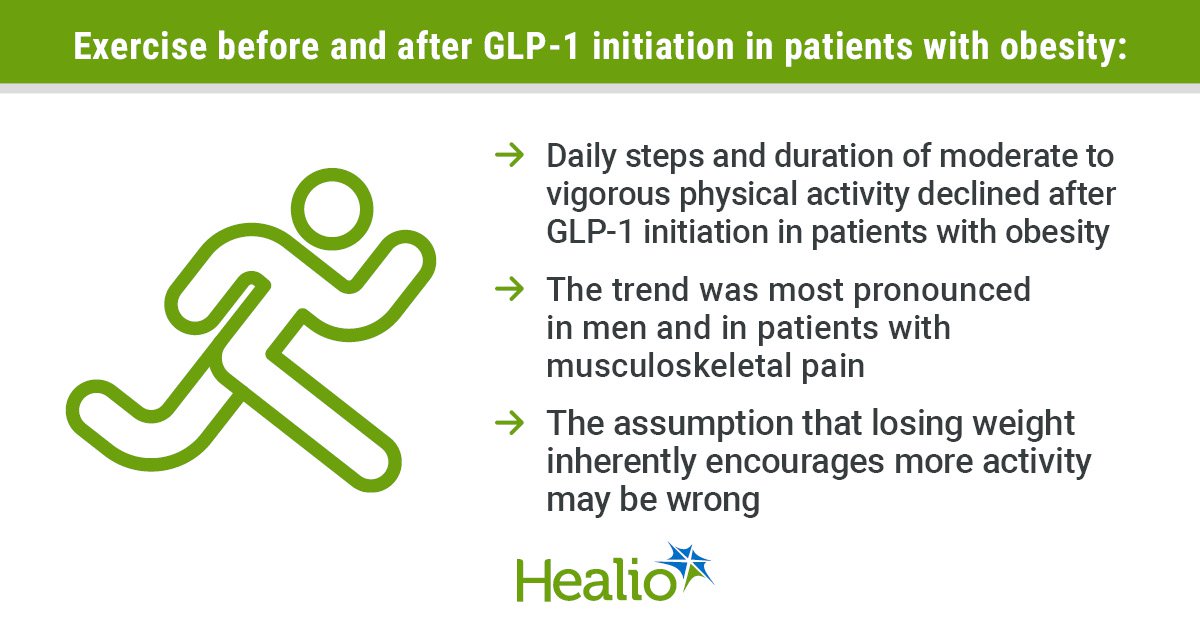
CHICAGO — In patients with obesity, exercise as assessed by wearable-measured activity declined after they initiated GLP-1…

SAN DIEGO — GLP-1 receptor agonists are a gamechanger in obesity care, but researchers are still working to better understand…
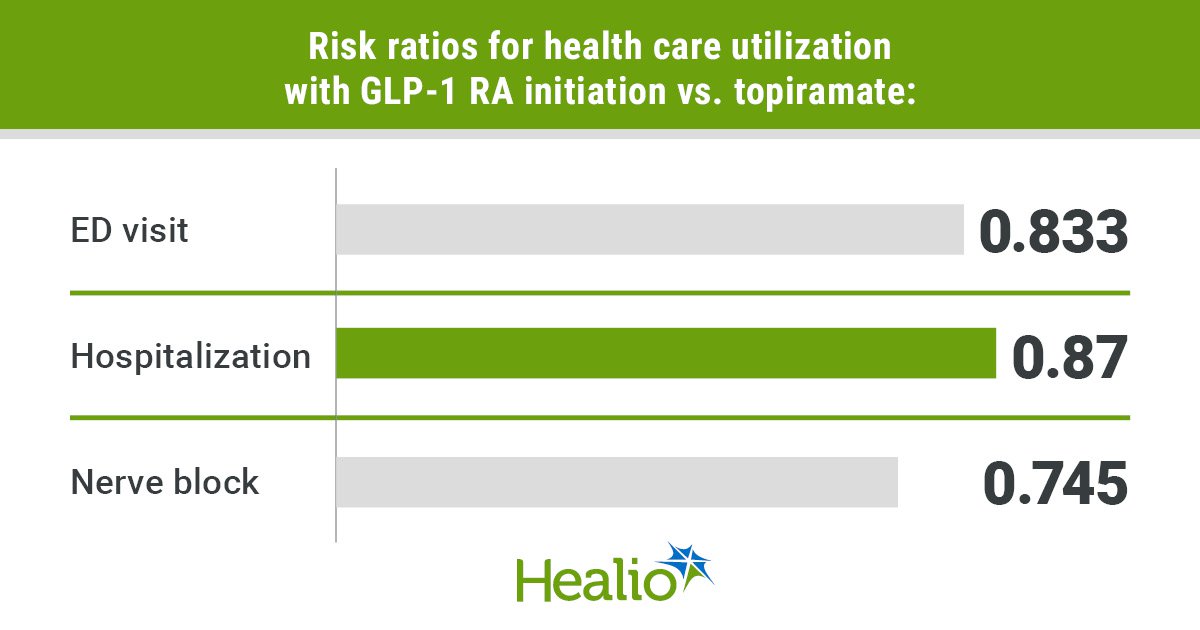
Patients with migraine who began using GLP-1 receptor agonists for obesity did not experience any significant changes in headache…

WASHINGTON — GLP-1 receptor agonists and dual GLP-1/glucose-dependent insulinotropic polypeptide agonists are not likely to…

Obesity is a chronic disease. This statement is clearly at the heart of the answer to this question. When you look at the data in…