In production on millions of boxes and the payoff is a 25% reduction in machines needed for some inference workloads
Meta is recovering DDR4 memory from old servers, installing it in new machines, and using a custom Compute Express Link (CXL) ASIC to share the memory across applications – without encountering latency problems.The social networking giant calls its tech "Vistara" and will present it at ISCA 2026 on Monday, but The Register found the company's paper ahead of the talk.The document opens with the admission that Meta can't increase the amount of memory in around 40 percent of its vast server fleet, meaning millions of servers can't handle some of its workloads. That's unfortunate because the expected service life of its servers is three to five years, but memory is useful for seven to ten years.
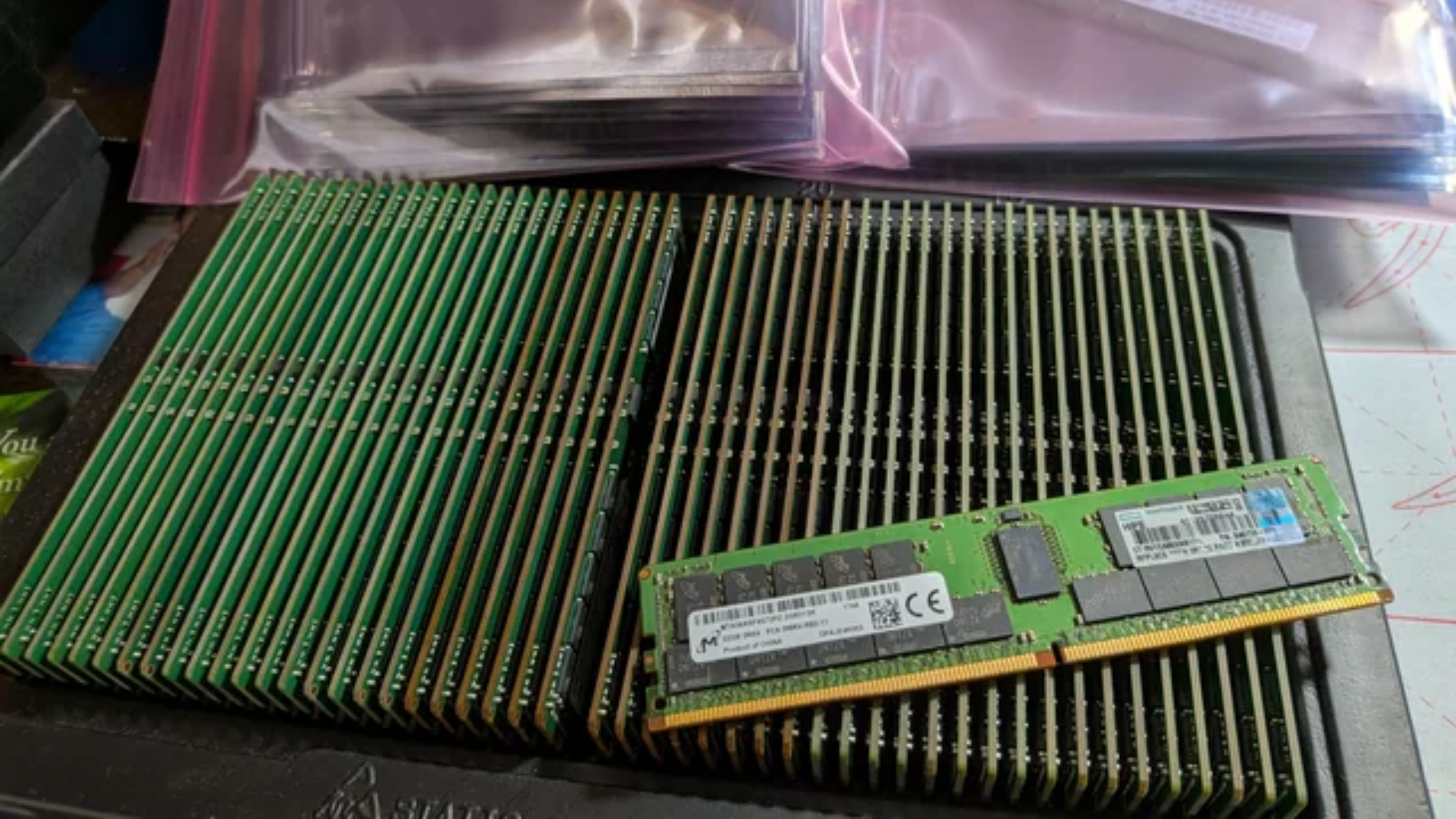
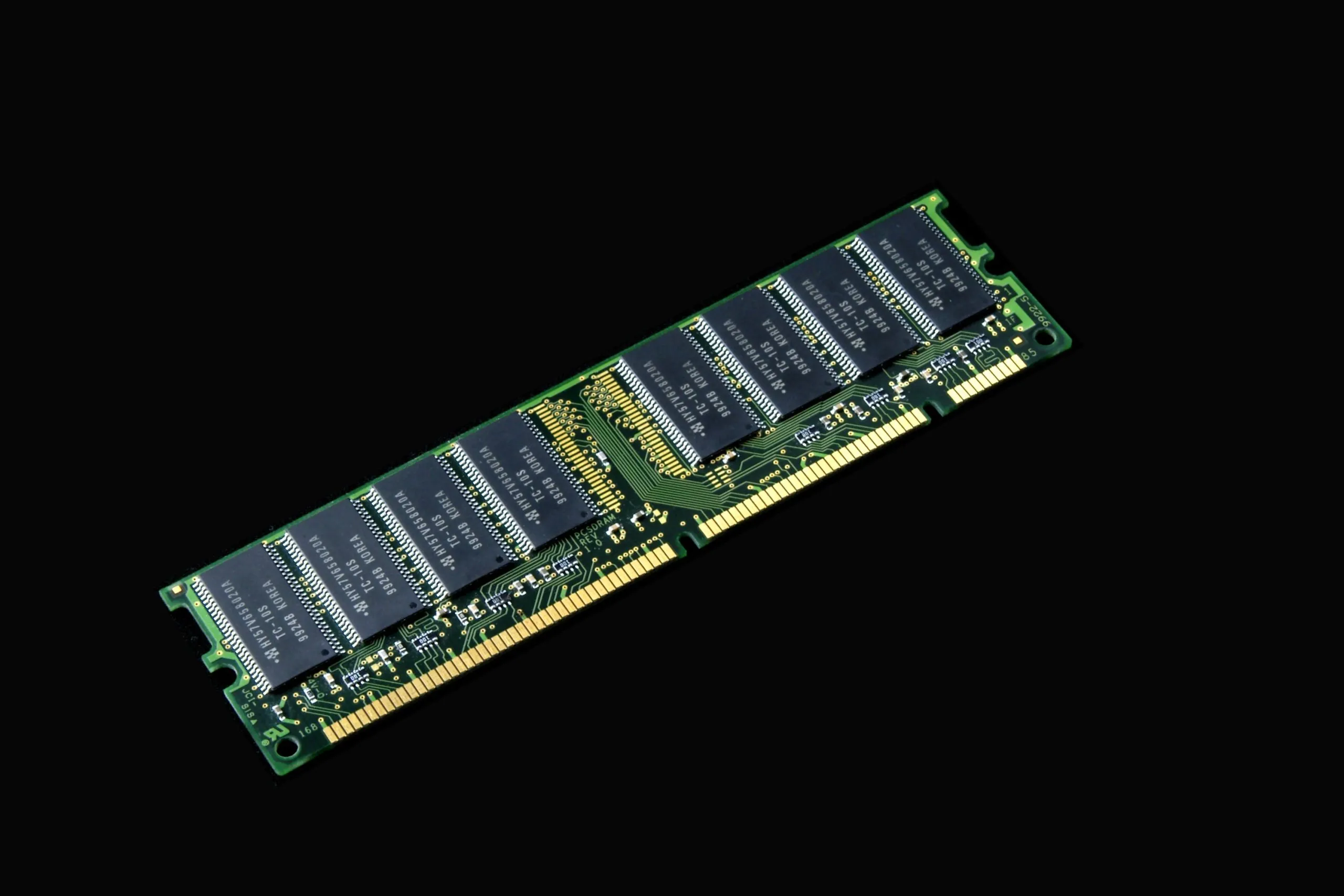
Meta's response is to rip DDR4 DIMMs from old servers, put them into new machines that rely on DDR5, and turn it all into a pool of capacity – which in theory makes it possible to compose virtual servers that share resources across multiple physical hosts.
The paper points out that CXL is hard to put into production because sharing memory across hosts can mean low bandwidth, high latency, and extra computing overheads to manage additional memory layers. Those problems can arise in systems that combine different memory technologies. Meta wanted to blend memory types in a single machine but found off-the-shelf CXL kit can't do the job."Most CXL solutions bundle DRAM with the controller – preventing DIMM reuse – and often omit DDR4 support, which is a requirement for repurposing older memory," the paper states. "Additionally, their high power consumption and high cost further limit their appeal."To make CXL sing, Meta created a custom ASIC called "Vistara." "At its core, the Vistara ASIC is designed to bridge DDR4 memory to host processors via a CXL 2.0/1.1-compliant PCIe Gen5 x16 interface," the paper explains. "Each Vistara ASIC integrates two independent 72-bit DDR4 memory channels, supporting speeds up to 3,200 MT/s and up to 256 GB per chip with 64 GB DIMMs." A pair of custom RISC-V processors drive the ASICs.Vistara hardware lives in devices Meta calls a "MemServer" powered by an AMD Turin processor packing 158 cores and running 316 threads. Each MemServer combines 768 GB of DDR5 memory alongside 256 GB of DDR4 connected through Vistara ASICs.