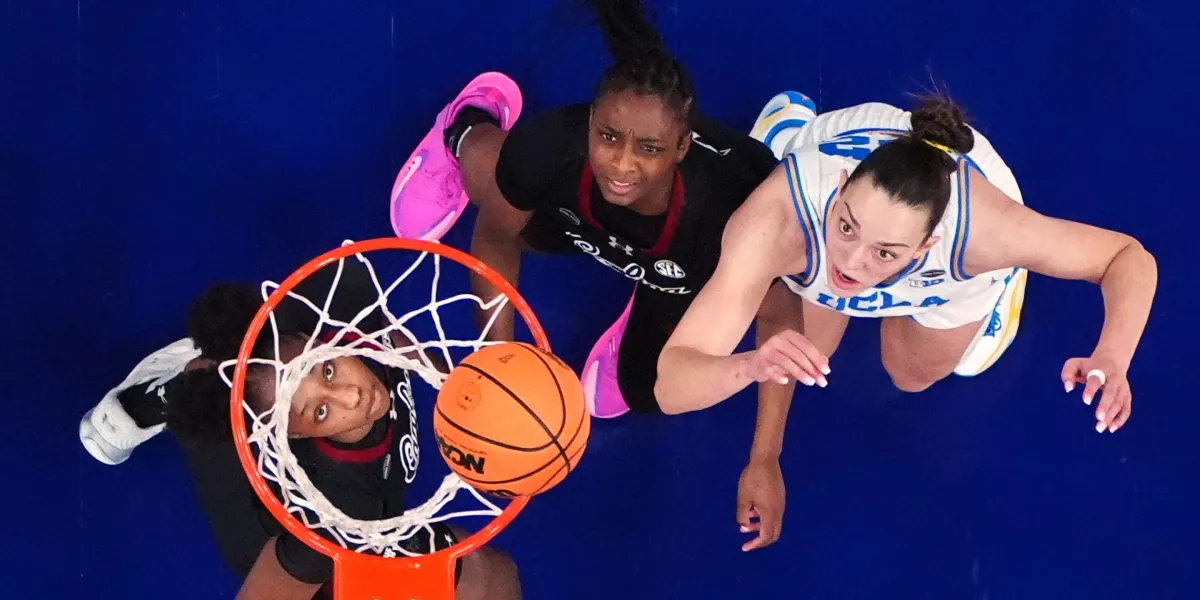
Today’s guest columnists are professors John Cairney and Rick Burton.
As the 2025-26 NCAA sports calendar officially closed (with SEC powerhouses Oklahoma and Texas claiming championships in baseball and softball respectively), and with another anniversary (No. 54) of Title IX just passed, a familiar question resurfaces: Will financial proportionality in college sport ever improve?
Evidence of the gender-equity challenges still embedded within college sport can be found in an October 2025 study published in the Journal of Sport Management. After comparing spending on men’s and women’s basketball programs, Adrian Simion and colleagues characterized the results as showing “a regression in Title IX compliance” and concluded that “this inequality persists.”
In fact, the authors concluded, “women’s programs receive significantly and substantially less program financial expense support in terms of program lagged revenue-contingent funding.”
This, of course, isn’t unknown to major college presidents, and it is not what stressed university athletic directors want to hear. Especially at a time when politicians are trying to create legislation designed to “save college sports” (something the Big Ten and SEC have yet to endorse). And super-especially as incremental costs for fielding competitive Power Four teams skyrocket in the age of the annual House settlement payments and pay-for-play schemes.