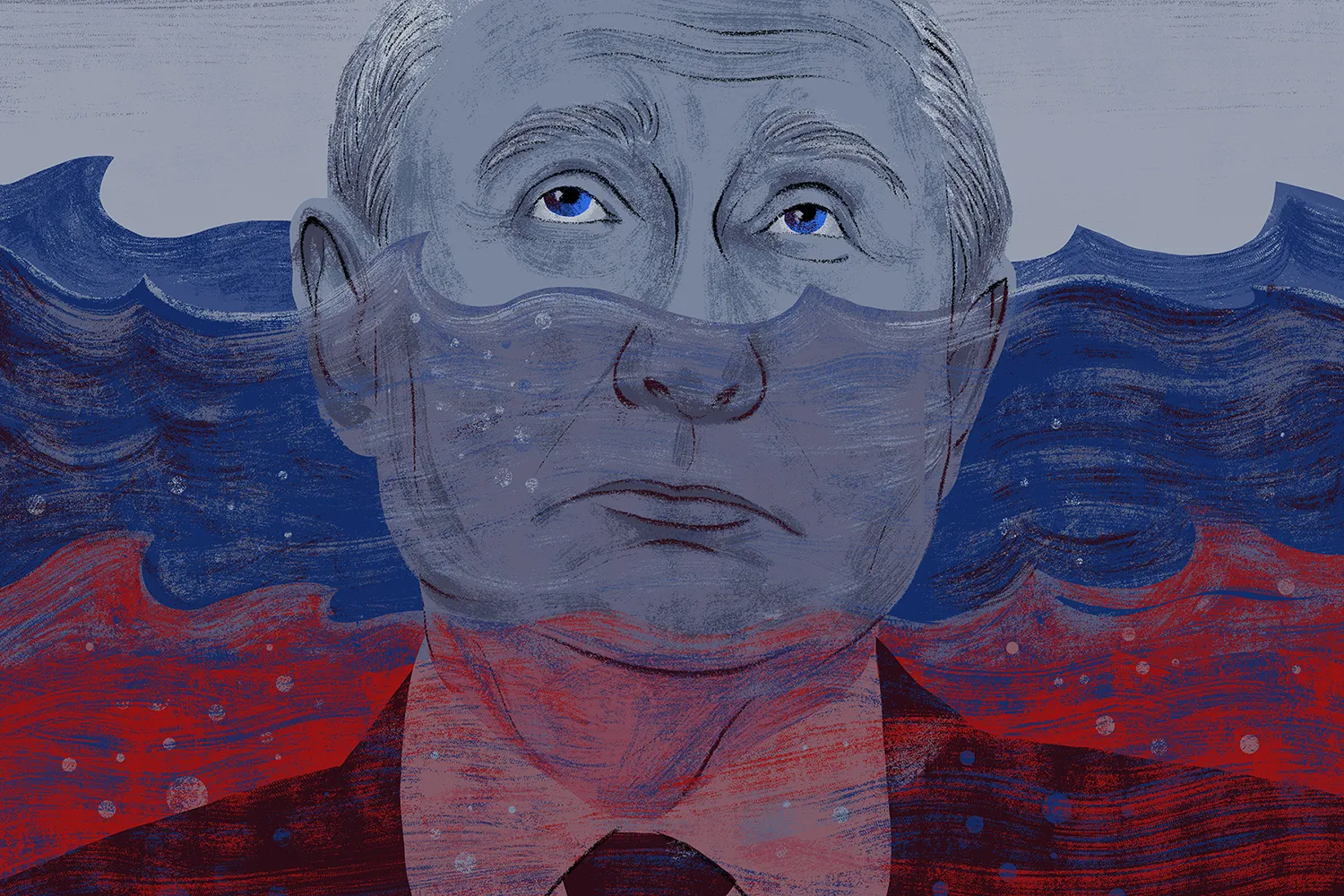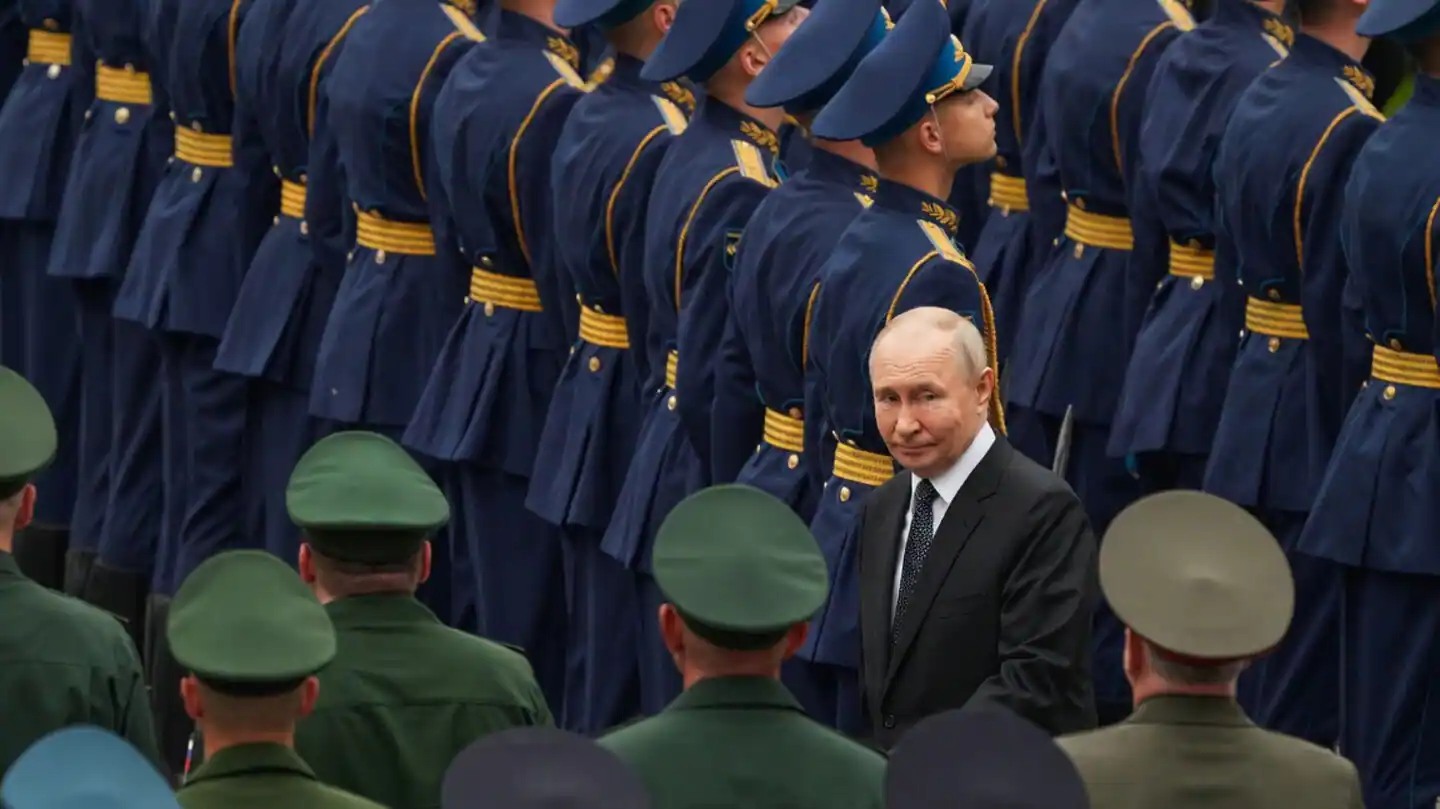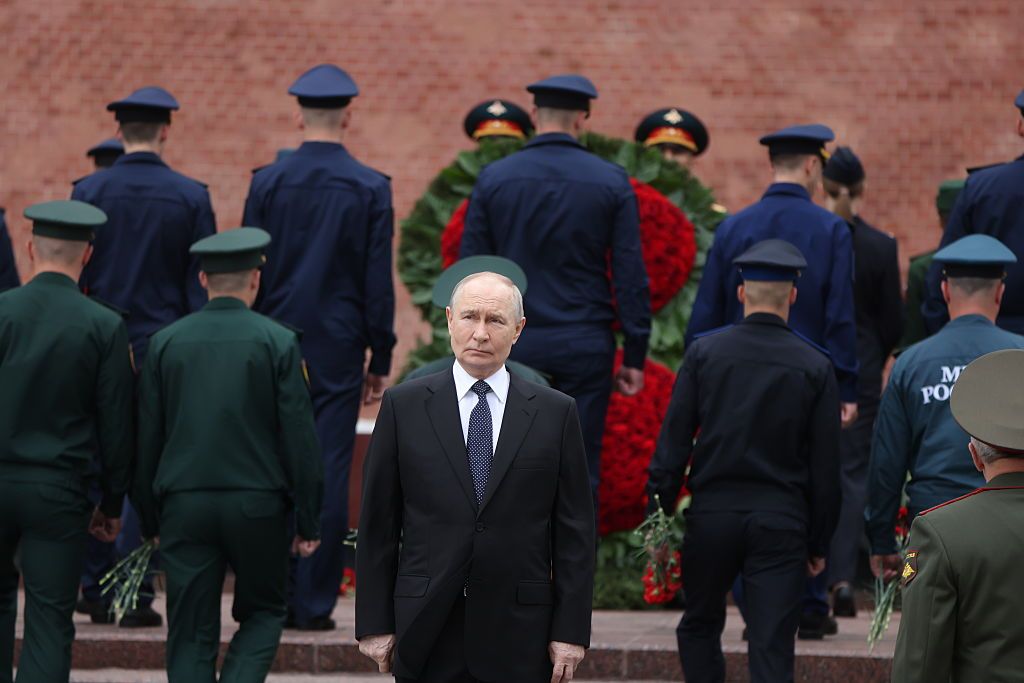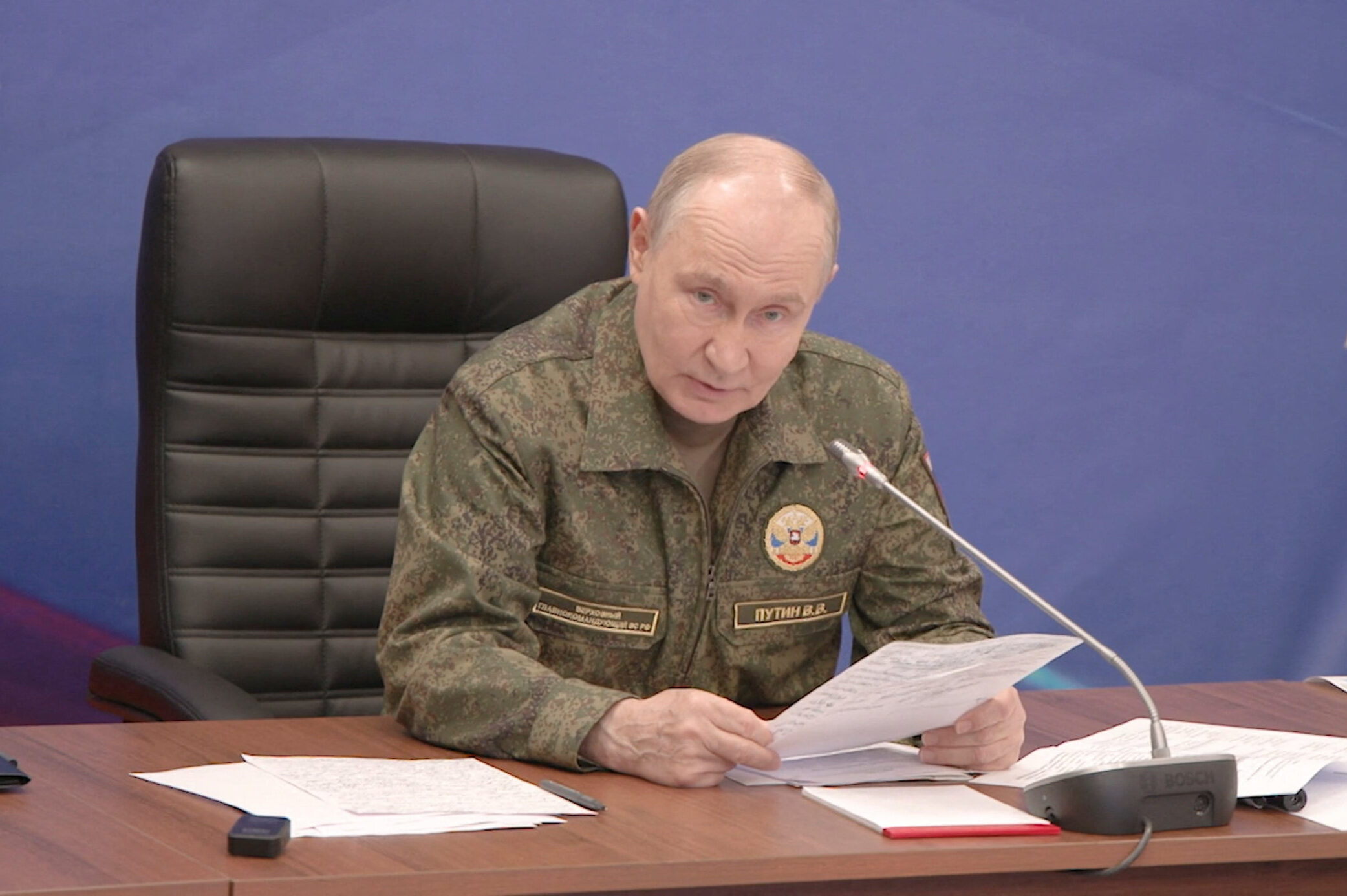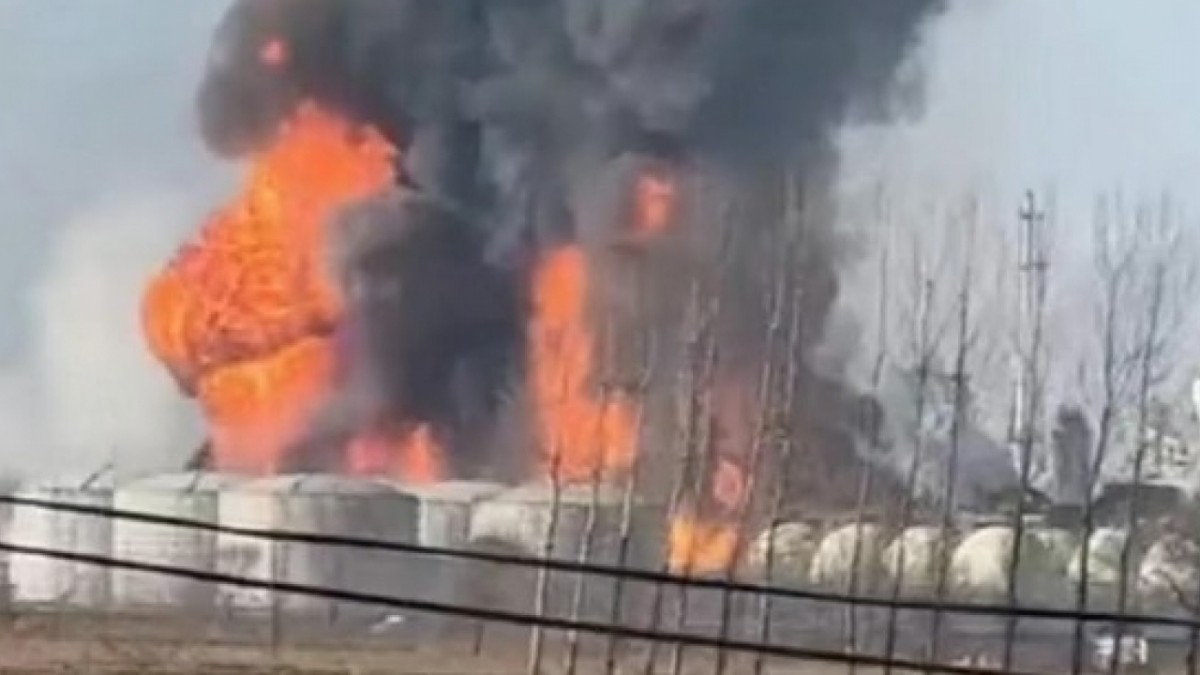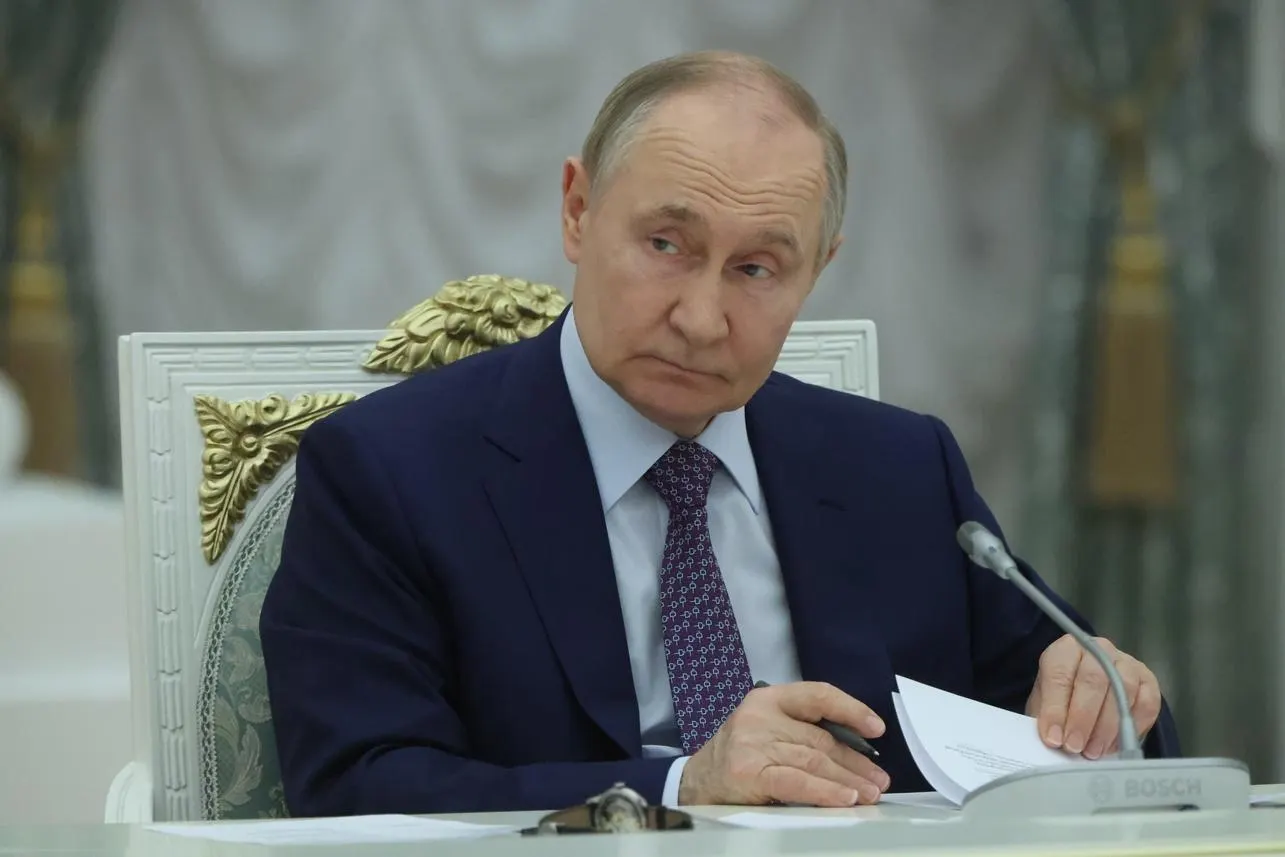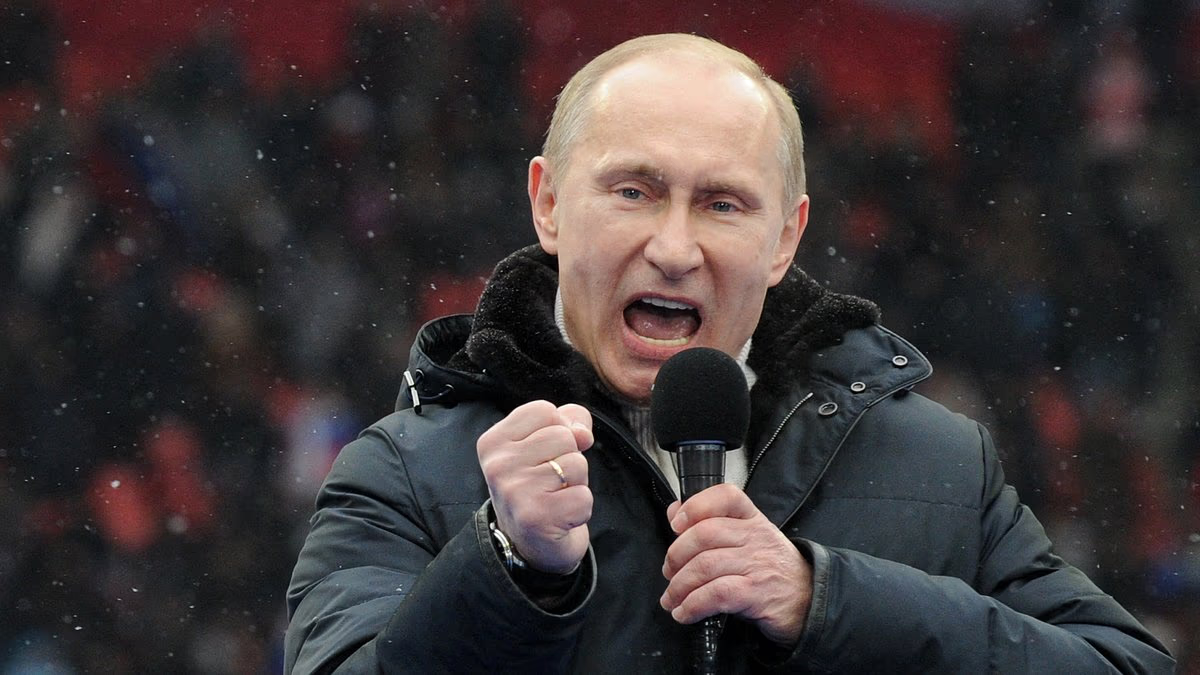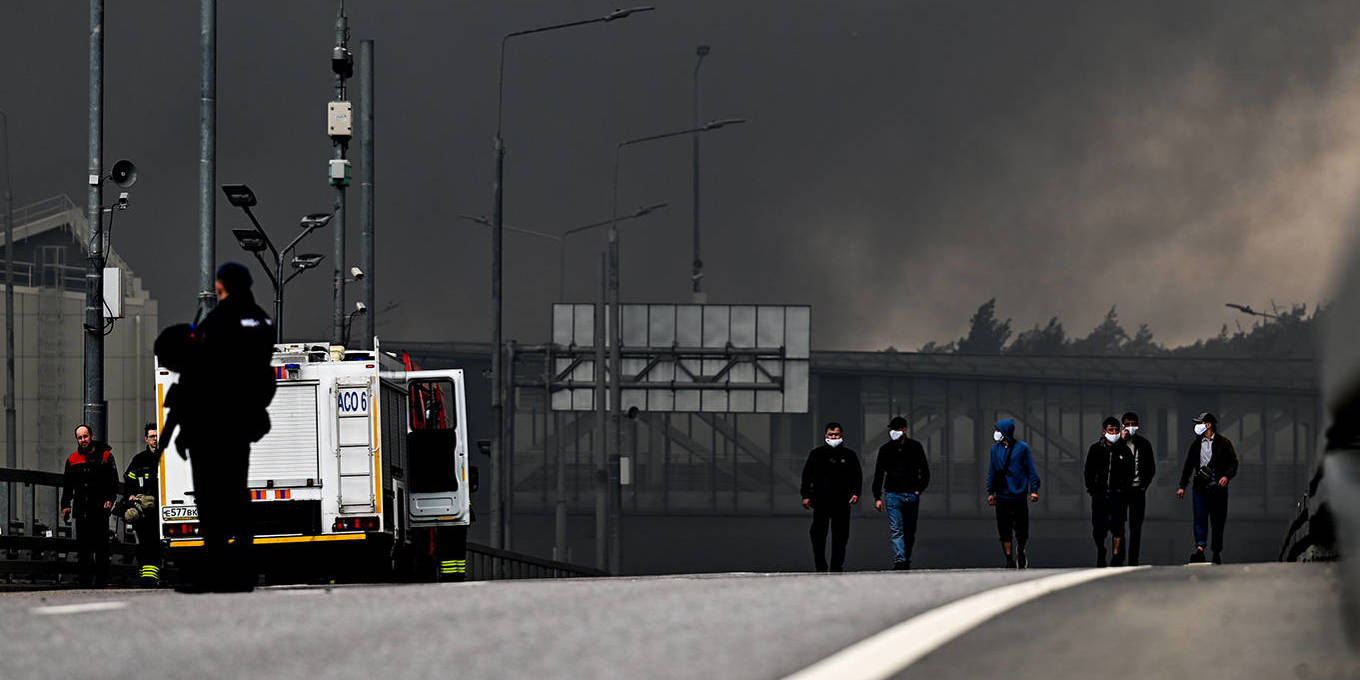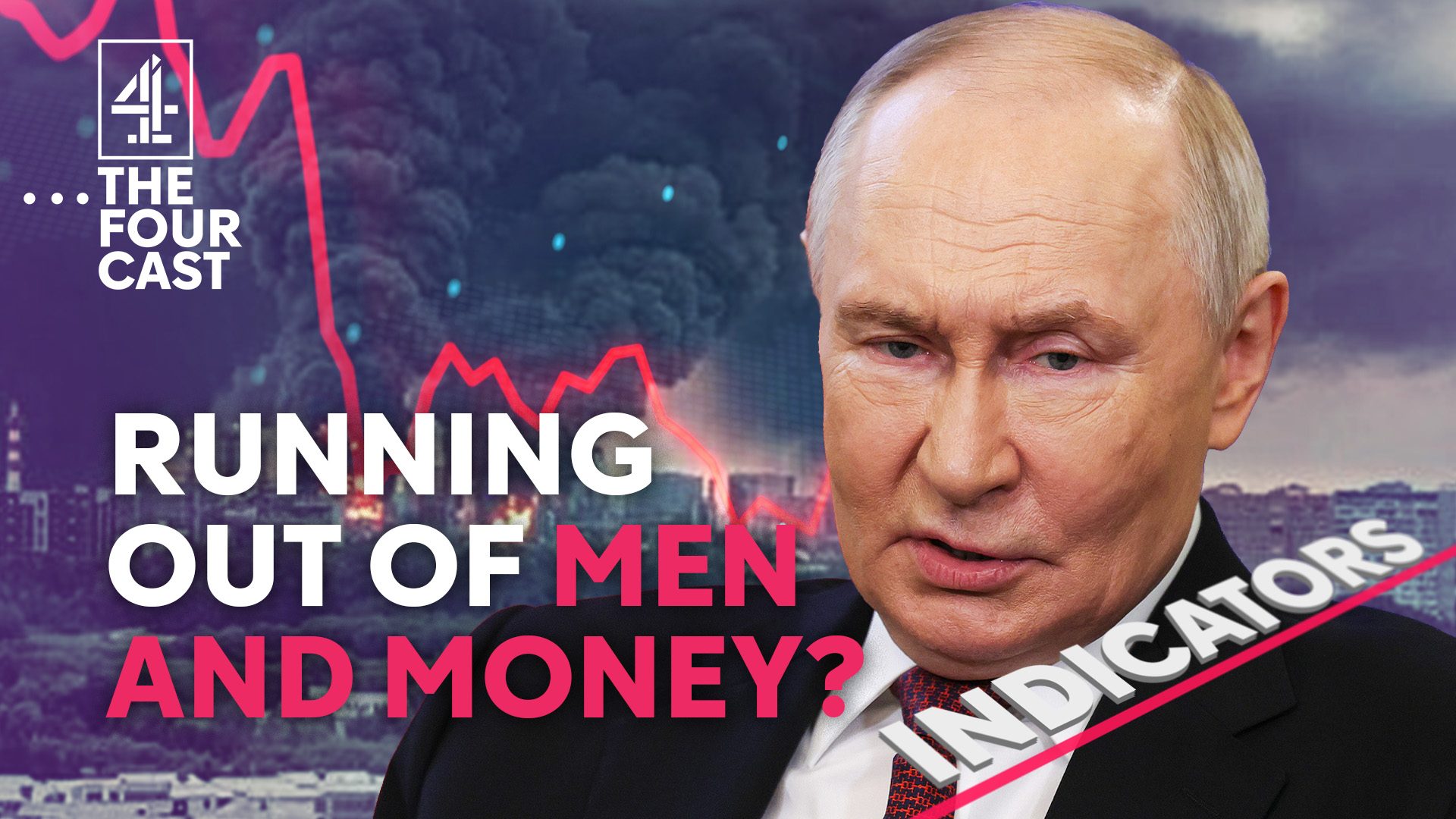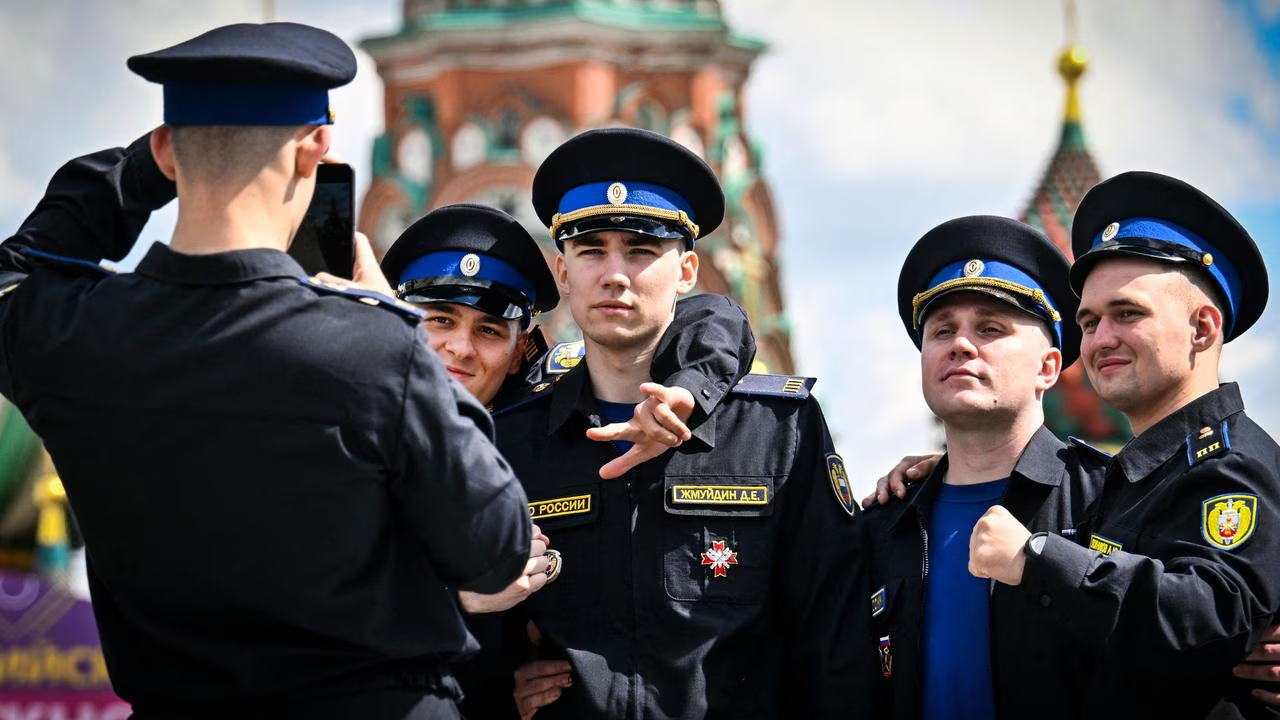
“The army will turn its weapons against the Kremlin.”Russian President Vladimir Putin is again facing revolt.His invasion of Ukraine is going from bad to worse.His frontline soldiers have a life expectancy of between 10 days and three weeks.His oligarchs now must “donate” to Russia’s war effort. Or face falling from a window.His proletariat is struggling against inflation, fuel shortages and draconian secret police.Now, combat veteran and social media blogger Aleksandr Lunin has broken ranks.He’s demanded a live, on-air conference with the President of the Russian Federation.He asserts that “dozens, hundreds, thousands of our soldiers are rotting in [pits], thrown there by their own commanders”.“Why? For refusing to follow idiotic, suicidal orders. For refusing to hand over their own money,” he accuses. “And in the end, they are zeroed out – listed as missing in action.”He says he is simply relaying the threats of military personnel and security operatives who have had enough.And millions of Russians have bypassed Kremlin internet restrictions to click on his impassioned complaint.It’s happened before.The threat comes almost three years after President Putin’s personal chef, cyberwar boss and mercenary war lord launched his own uprising.Yevgeny Prigozhin ordered his Wagner soldiers-for-hire to abandon the Ukraine front and march on Moscow. He quickly backed down, however. And he died when the personal jet carrying him strangely exploded shortly after takeoff.This threat was defeated.But Putin’s war against Ukraine has only gone backwards since then.“We would not be at this point had Putin not decided to invade Ukraine in 2014 and again in 2022. And yet here we are,” states University of Oxford professor of global history, Peter Frankopan. “Beware the drowning man: The coming months will likely be dangerous outside and inside Russia as Putin tries desperately to stay afloat.”‘10 days to three weeks’When a new Russian recruit signs up, he can expect a staggeringly short lifespan, according to Prof Frankopan, who cites Russian military bloggers.And those numbers become even more desperate once the new recruit arrives on the front line.“ … the average life expectancy of a new recruit — from arrival at a training ground to death in a combat zone — lies somewhere between 10 days and three weeks,” Prof Frankopan writes in Foreign Policy.“Once they are sent onto the battlefield, Russian fighters survive an average of 20 to 35 minutes. “Much of the reason for this is the extraordinary shift in battlefield technology and tactics – in particular, the ways that drones have become the primary killing machines in this war, with stark implications for the future of combat in other parts of the world.”President Putin launched his invasion in February 2022 with the promise that Kyiv would capitulate within three days. Five years later, Ukraine continues to exact a terrible price from the invaders.And the war has changed.“For years, most Russians supported the invasion of Ukraine because of the relentless patriotic news they’ve been subjected to by Kremlin-controlled media and the limited impact that the war had on most Russians’ daily lives,” Prof Frankopan states.“Now, however, Ukraine has brought the war home to Russia.”It’s no longer just about killing and pinning down invading Russian troops.It’s no longer just about shooting down Russian drones and missiles before they strike high-rise apartments, power stations and transport facilities.Ukraine’s own drones and missiles are reaching far behind the front lines daily, hitting Russian oil refineries, military airfields, ammunition factories, pipelines and logistics hubs.“The Kremlin is shaken,” assesses London Business School Professor of Economics, Sergei Guriev. “Russia’s leaders surely fear targeted attacks, including on personnel, especially after watching the United States and Israel assassinate Iran’s leaders in their own country.”Moscow is not safe.Generals are being assassinated in its streets. Its main refinery was set ablaze last week, causing “black rain” to fall on parts of the city. Ukraine’s highly visible counter-attack is deliberate. Calculated.President Volodymyr Zelensky at the weekend said he has launched a “40-day influence operation … against the aggressor state aimed at compelling it to end the war.” “If Ukraine burns, your Moscow will burn too.” Hitting home“Yes, we see the problems, we are aware of them and are responding to them, but we will certainly ensure the security of both the country and our citizens, as well as the inviolability of Russia’s borders,” President Putin reassured a gathering of his oligarchs on Sunday.“Strikes against civilian infrastructure — what are they aimed at? To destabilise society … to create a sense of uncertainty about the actions of the Russian armed forces.” It’s a tactic he’s tried against Kyiv. It hasn’t worked.Will it work against his Kremlin?Russia says some 660 Ukrainian drones were intercepted last week. But others managed to damage a chemical plant and three other refineries in addition to Moscow.It’s even worse on the front line.Some analysts estimate that Russia is suffering eight soldiers killed or injured for each casualty suffered by Ukraine. That means 30,000 troops lost so far this year. The director of British intelligence agency GCHQ, Anna Keast-Butler, says Russia’s war dead now surpass 500,000. And even recruitment bonuses of between $115,000 to $200,000 are failing to attract replacements.Meanwhile, after his passionate claims, Lunin suddenly changed tune, making another video the day after his first appearance.His expletive-filled sequel asserted his words had been “twisted”.He contradicted himself in stating there was no threat of mutiny. He didn’t want a meeting with Putin. But he was worried that soldiers were paying bribes to avoid being sent into battle.Russia has no free media. Putin’s oligarchs know he values loyalty and success above all else. His commanders are desperate to avoid giving him bad news.It’s all about shaping opinions.“This is the classic autocrats’ trap,” Professor Guriev adds. “When power is centralised, and dissent is stifled, the gap between the dictator’s perception of reality and the situation on the ground widens. This leads to unpredictable and often disastrous decisions — like sustaining a war that you can neither win nor afford.”At some point, however, reality inevitably bites.Drowning man“If a quarter of a century has taught one thing about Putin, it is that he is a poor strategist and decision-maker,” states Professor Frankopan“He is used to having his cake and eating it. He could have chosen a different direction on many occasions in the past, but remains stuck in a mindset of paranoia, distrust, and suspicion shaped by his formative years in the KGB.”President Putin knows that Ukraine’s strength lies in the support it is getting from the West.So he’s ramping up his “shadow war” in Europe.Two properties belonging to outgoing British Prime Minister Keir Starmer were set ablaze last year. A 22-year-old ethnic Russian Ukrainian citizen was arrested for arson. He’d been recruited over the Telegram social media service and paid by a Russian handler to carry out the attacks.“This escalating shadow war being waged by the Kremlin includes attacks on undersea cables, sabotage operations, drone incursions, election interference, weaponised migration, and disinformation campaigns supercharged by artificial intelligence,” states Atlantic Council Ukraine war analyst Zahar Hryniv. The Kremlin has been linked to 191 sabotage, arson and cyber-disruption attacks across Europe since February 2022.“Only by calling Russia out, enforcing red lines, and making Moscow pay for its shadow war can Western countries effectively deter the Kremlin and avoid further dangerous escalations,” Mr Hryniv warns.That, however, depends on the rationale of just one man.“As things get worse for Russia on the battlefield … there is the risk that the flailing Russian leader will succumb to drowning man syndrome — when a swimmer in difficulty pushes others under the water in a desperate attempt to stay afloat,” prof Frankopan warns.“Putin no longer has an easy way out. The war is financially, demographically, and politically unaffordable …“Putin will do what it takes to stay in power — not least since the consequences of his stepping down or being forced to step down are unforeseeable; they could very well lead to his imprisonment or death.”Jamie Seidel is a freelance writer
‘Drowning man’: Putin faces fresh crisis
“The army will turn its weapons against the Kremlin.”
1,316 words~6 min read