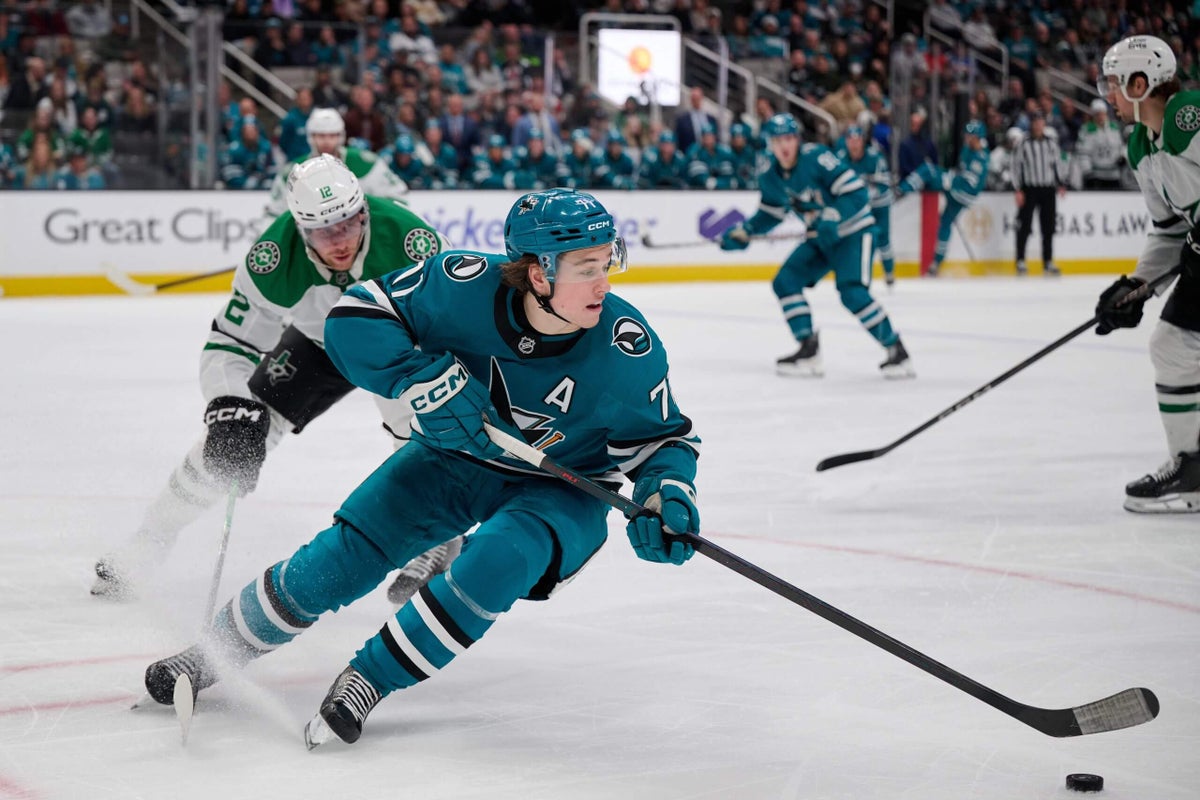
For the last several offseasons, we’ve assembled this cheat sheet to give some insight into how active NHL teams can be on July 1.This summer, things have been a little different; a brutal UFA class and a ton of pre-draft trade activity led to a whole lot more cutting, deleting and recalculating than we’d like to admit.Fun as all that action might have been, 32 teams still have some crucial work ahead.A reminder of our methodology here: We take a team’s signed players, project what they’ll need to pay the restricted free agents who will make the lineup, subtract those going on long-term injured reserve, and come up with a solid estimate of what they can spend in unrestricted free agency to fill out their rosters.This is not an exact science. Some teams may play hardball with their restricted free agents and give them all cheap one-year deals; other clubs may go long, long-term, and that would cost more. There are also players on the NHL/AHL bubble to consider; are those guys going to count against the big number or not? In the end, we tried to be as reasonable as possible in coming up with projections, but we’re talking about 130-plus contract forecasts, considered and calculated in a compressed window. They’re not all going to hit the mark.Still, we’re trying to come as close as possible, with invaluable assists from PuckPedia, CapWages, Evolving-Hockey, AFP Analytics and The Athletic’s staff of beat writers.Remember, this isn’t a ranking of how strong these teams are, or are set up to become. We’re simply ranking how much cap space they likely will have to improve their rosters, beyond players who are already under team control.These rosters and numbers are accurate as of 6 a.m. ET on Monday, June 29.Winners and losers from the 2026 NHL DraftScott WheelerSan Jose SharksCurrent projected salaries: $64.6 million
Every NHL team’s salary-cap situation, ranked from best to worst
Lost track of which teams actually have money to spend once free agency comes around on July 1? We've got you covered.
5,816 words~26 min read