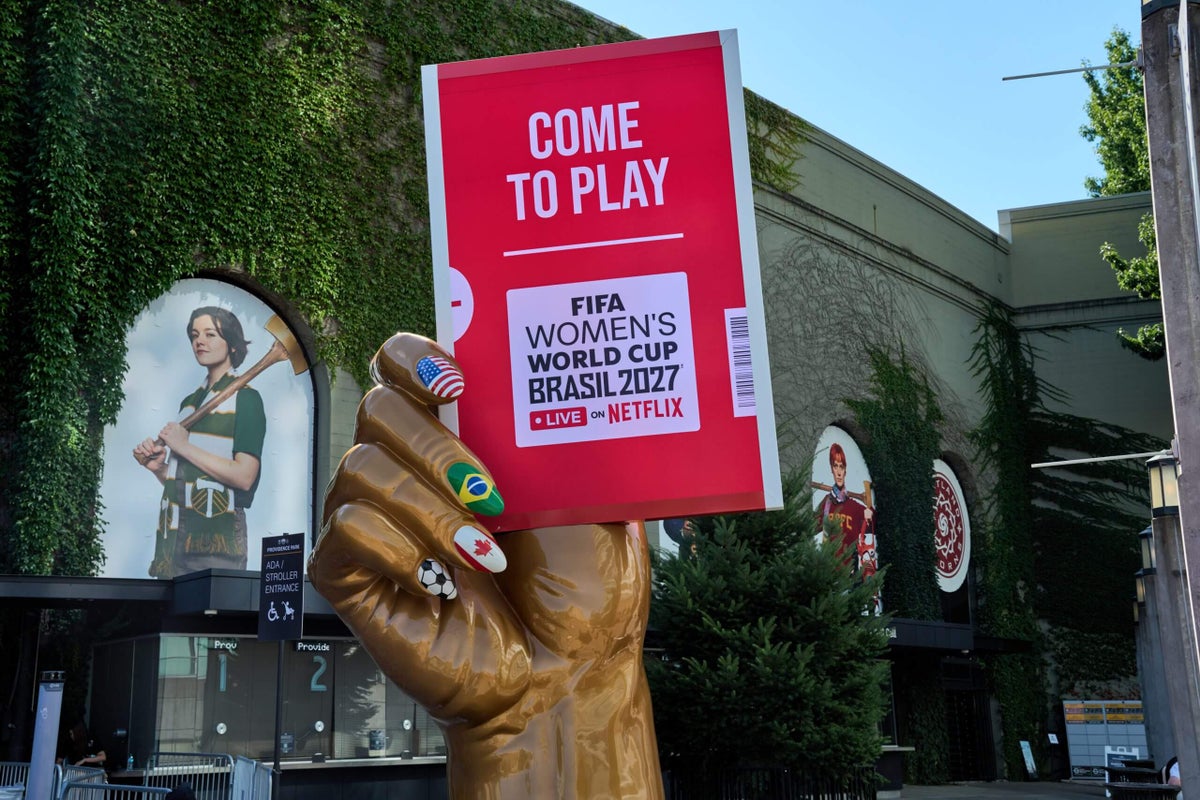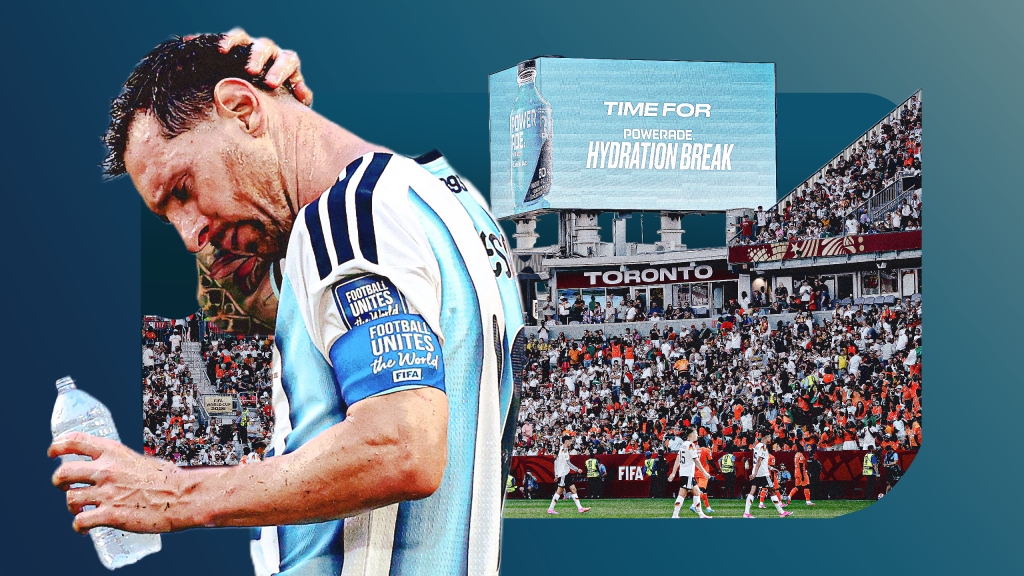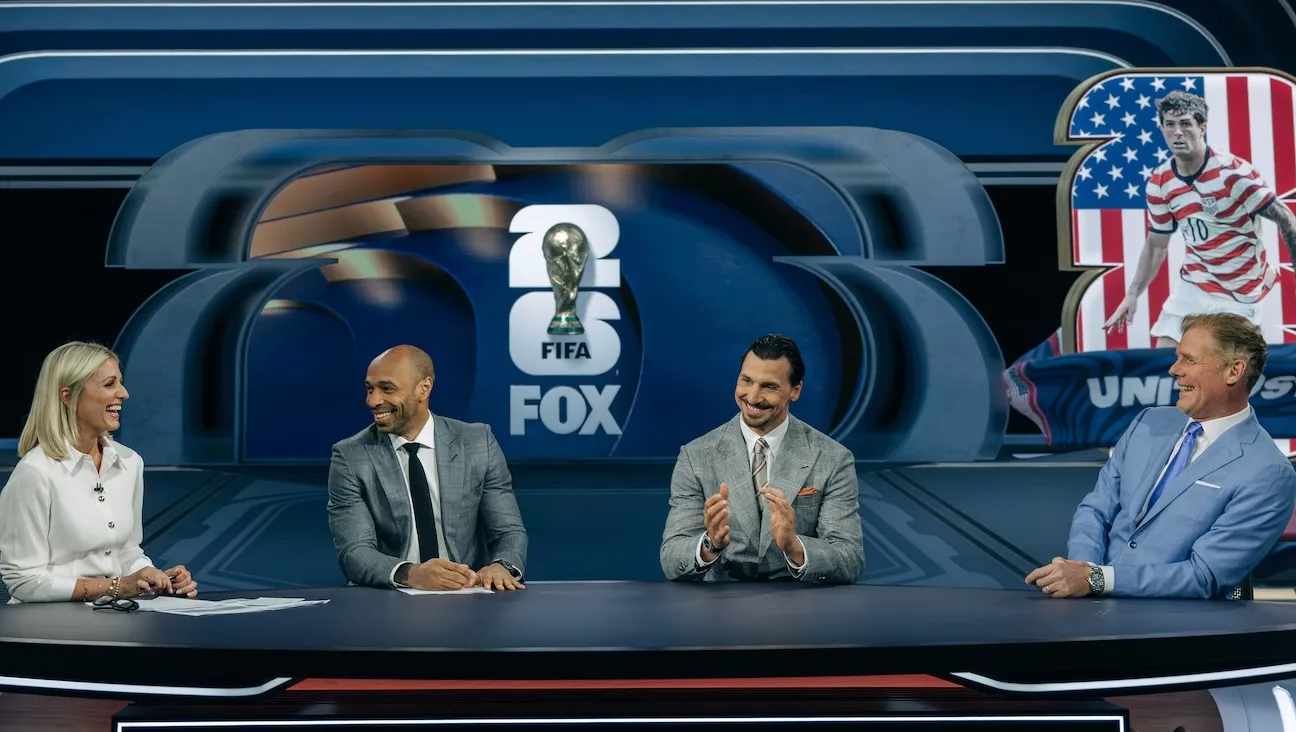
In 2030, when the World Cup kicks off in Morocco, Portugal and Spain, you may not be tuning into Fox to watch it.While it is uncertain where the Cup will be viewed in four years, what is guaranteed is that the next tournament rights holder will pay far more than Fox’s $485 million for this tournament, which is the third one it has broadcast.It could be a streamer like Netflix, Amazon Prime Video, YouTube, Apple TV or DAZN, or possibly another traditional player, like CBS, NBC or ESPN. This 2026 World Cup is the final one that Fox has under contract.Netflix has already secured the rights in the United States and Canada to the Women’s World Cup for 2027 and 2031, which is its biggest live-sports undertaking yet, to go along with small packages of NFL, MLB and boxing rights.The global nature of the World Cup will likely appeal to all the big streamers. If FIFA stays with its controversial new quarters-style setup as opposed to the traditional full halves without full-screen commercial interruption, “hydration breaks” add lucrative in-game advertising inventory and jack up the rights fees even further.FIFA is expected to auction the next two men’s World Cups, which includes the 2034 Saudi Arabia event that is anticipated to be in the winter in the U.S. What also complicates the global rights future is that FIFA tends to sell its rights market by market and places like England have strict rules that guarantee that the games remain on free-to-air broadcasters.Hanging over all major TV rights negotiations in the U.S. — World Cup included — is the NFL. The league has recently made noise about using its opt-outs at the end of the decade to coerce even more money than it is currently due to receive in its 11-year, $110 billion-plus deals.While Fox is having its best tournament, it will enter the next World Cup TV negotiation knockout round with some expected heavy competition and probably is not the favorite.More media observations as we continue with the actual knockout round:Zlatan & Lalas formationFox’s best day of the group stage of the World Cup had to do with its own shift in tactics as much as compelling games on the field.For the second U.S. game 10 days ago, in which the Americans defeated Australia 2-0, Fox played three up front in its Los Angeles studio with Rebecca Lowe flanked by Thierry Henry and Zlatan Ibrahimović.Alexi Lalas was more than 1,100 miles away outside the stadium in Seattle with Rob Stone, Clint Dempsey and Carli Lloyd, a foursome that was surrounded by a “College GameDay”-like fan atmosphere.Across both locations, the presentation had nuance, passion and an almost celebratory quality. While Fox has played with the whole Zlatan-Lalas dynamic, we would split them up and have the world-class trio of Lowe, Henry and Zlatan as its own group and put Lalas with Stone and company. Especially with Fox’s plan to go fully on the road with everyone beginning July 4.The great American play-by-player?There has always been this theme in American soccer that, “If only the best athletes in the country played soccer …” Now, we have Antonio Freeman’s son starring, but the next question is, “When will the best play-by-players in the U.S. call soccer?”While top play-by-players from Joe Buck to Kevin Burkhardt — one a former No. 1 NFL Fox announcer and one in the role currently — have not shown interest, NBC’s Mike Tirico did host the World Cup for ESPN and maybe, if given the chance, could bring the marquee voice. However, even Tirico didn’t grow up playing the game, which seems a prerequisite to having the real feel.Fox has three American play-by-players. John Strong is its No. 1 and will call his third World Cup final. While he is workmanlike and soccer-centric, he doesn’t have a rhythm of the game in the same way that the English announcers, such as Fox’s No. 2, Ian Darke, do. J.P. Dellacamera is the closest in terms of career to being a voice of American soccer, but his actual play-by-play has often lacked important details and emotion. Tyler Terens has shown potential during his first World Cup, but the 32-year-old needs some more seasoning.But the question is if there is someone from the younger generation, a Noah Eagle or a Ryan Ruocco, who could be that No. 1 soccer voice.Years ago, Fox tried to convert Gus Johnson into that person. While well-intentioned, Johnson did not speak the language of soccer. It is true for the top announcers in any sport: The dialect can’t be learned later in life at the highest level; you need a feel developed over a lifetime. One day in the U.S., maybe there will be what Marv Albert was to the NBA for the World Cup, but it hasn’t happened yet, though. With young broadcasters growing up on the sport, there is a lane.American goal scorersStu Holden has joined Apple’s Taylor Twellman as the best two TV soccer game analysts. Like Twellman, Holden understands the job. When Christian Pulisic came on in the Americans’ final group-stage match, the question that seemed to be on viewers’ minds was why? With Pulisic having missed the second game with a calf injury and the Turkey result meaningless for bracket placement, Holden explained, unprompted, that it was more important to knock off the rust, even with the risk of being hurt. … In the studio, Dempsey has improved compared to his on-air performance in Qatar four years ago, as he sounds much more comfortable. … Lloyd is really good, as she has a willingness to say what she thinks. … Fox’s president of Insight and Analytics, Mike Mulvihill, tweeted that through the first two legs of the group stage, 84.3 million Americans had watched Fox or FS1 for the World Cup. Mulvihill also told Colin Cowherd that the U.S. in the World Cup final could draw 50 million viewers. These are just two data points of an astonishingly strong overall ratings story for the networks, including both Fox and Telemundo in the U.S.
Fox is having a strong World Cup. It could be its last
FIFA will have a wide range of suitors for future men's World Cup TV rights in the U.S. "Hydration breaks" may drive the price up even more.
1,010 words~5 min read