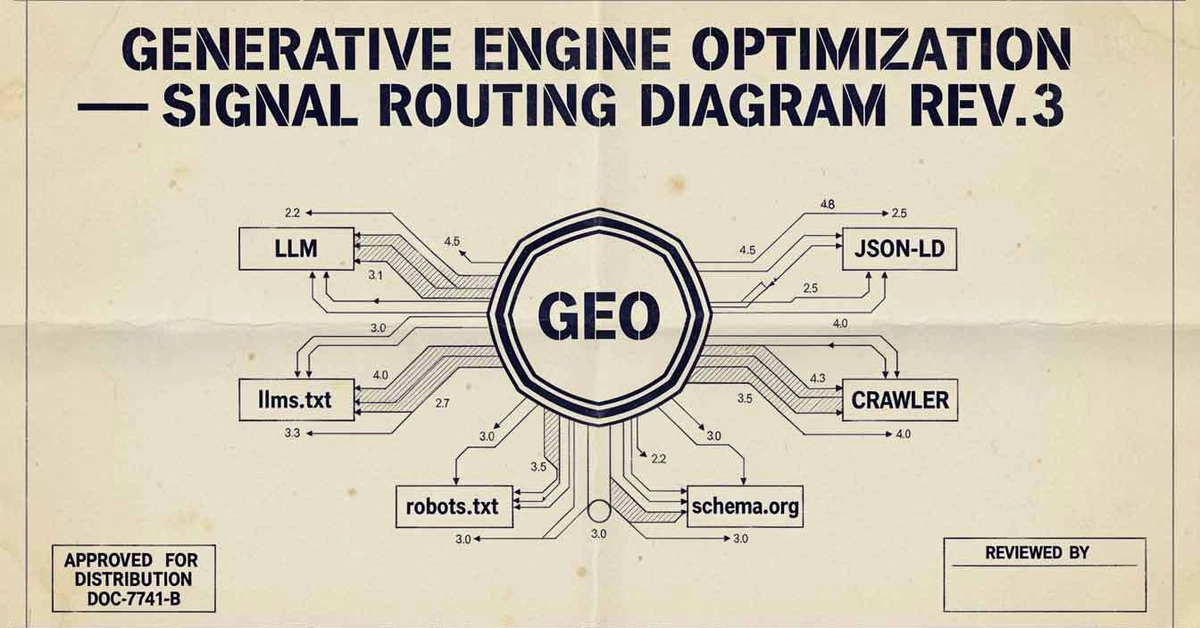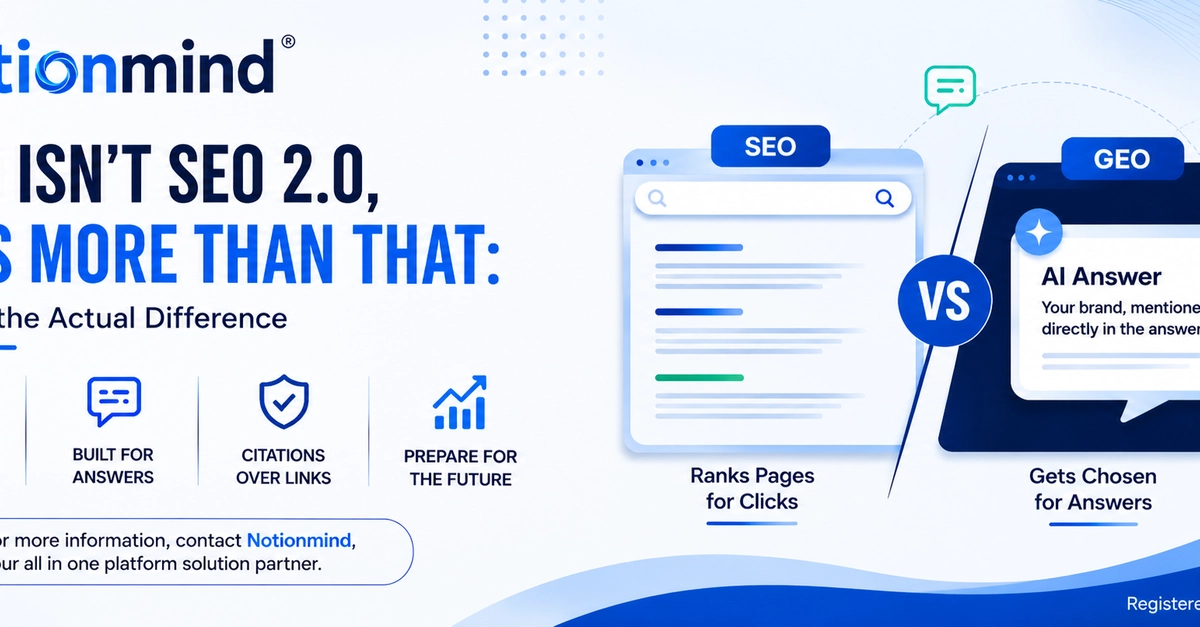
Search habits are shifting fast this year, and right in the middle of that shift sits Generative Engine Optimization, the reason marketing teams across the USA are rethinking their playbooks. Most people hear the term and think it is just SEO with a new label. That confusion between GEO vs SEO is exactly what this piece clears up. Below, you will see what generative engines actually look for, how that differs from classic ranking signals, and what a marketing or IT team can actually do about it this quarter.
What Generative Engine Optimization Actually Means
Generative Engine Optimization is the practice of shaping content so AI systems like ChatGPT, Perplexity, and Google AI Overviews choose to mention or cite a brand directly in their answers. Traditional SEO chases a position on a results page. GEO chases something different, a spot inside the actual answer a person reads, with no results page involved at all.
This matters because fewer people click through ten blue links anymore. Many just read the AI answer and move on. If a brand is not part of that answer, it does not exist for that search, no matter how well it ranked the old way. Some teams already notice this without naming it, steady traffic but leads quietly dropping. That gap is usually GEO related, not a tracking problem.